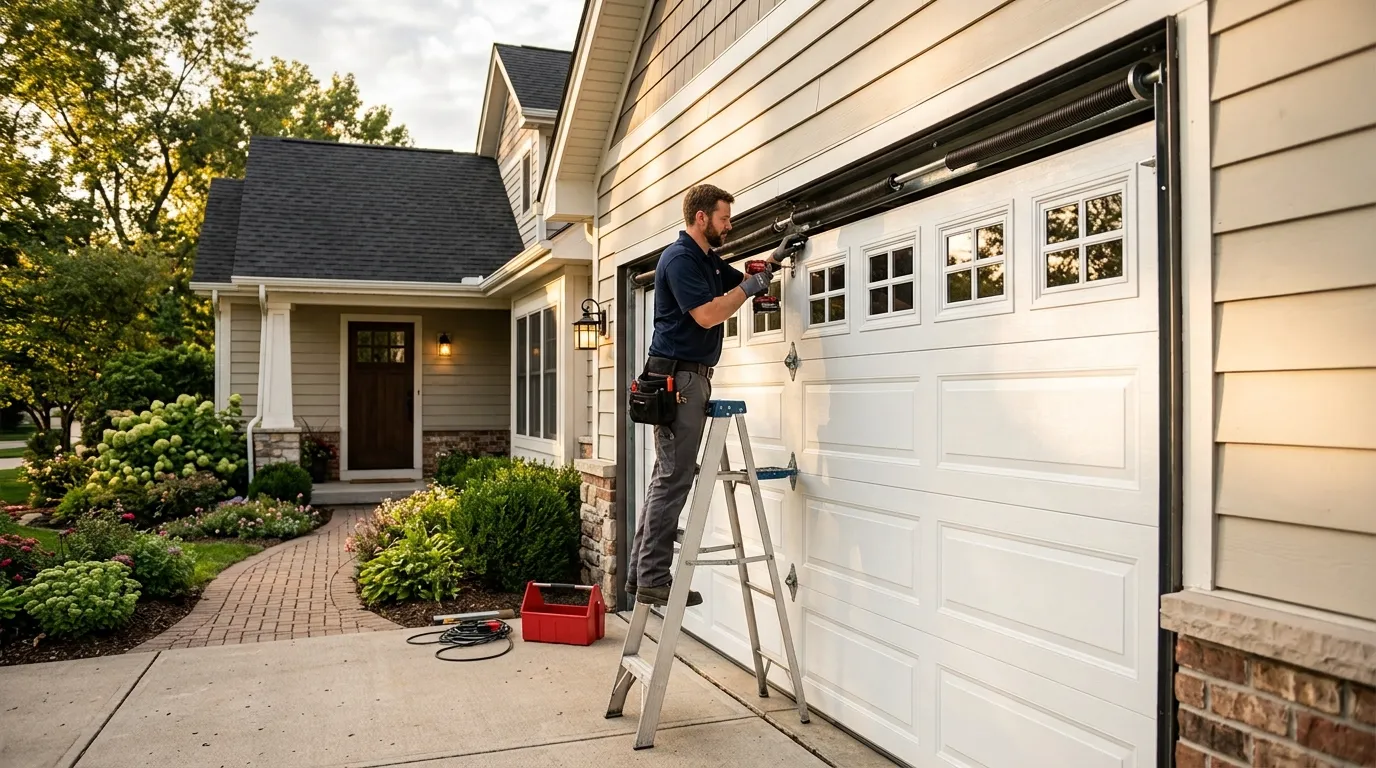
Broken or frayed garage door cables show up often in Lodi, CA homes built between 1946 and 2001, where old drums and worn springs load the wire. See the fix.
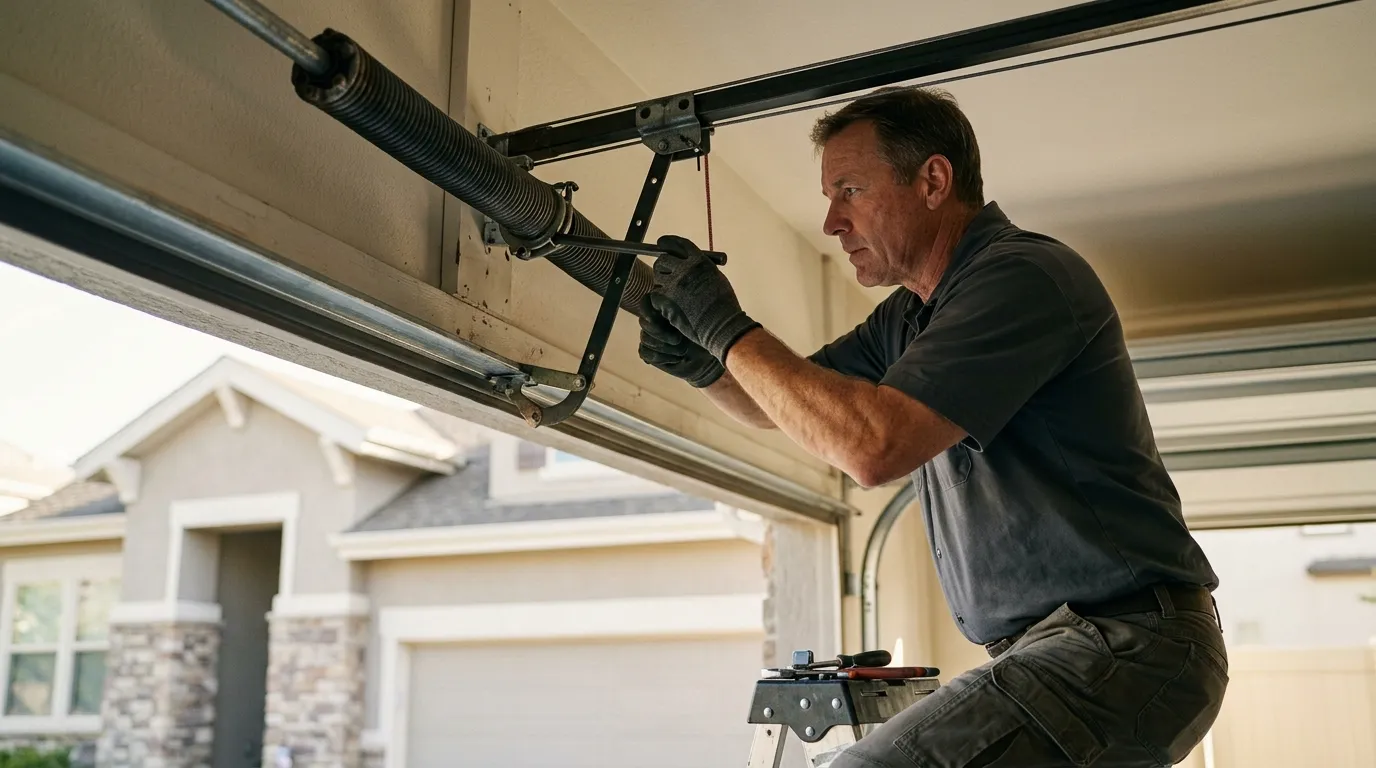
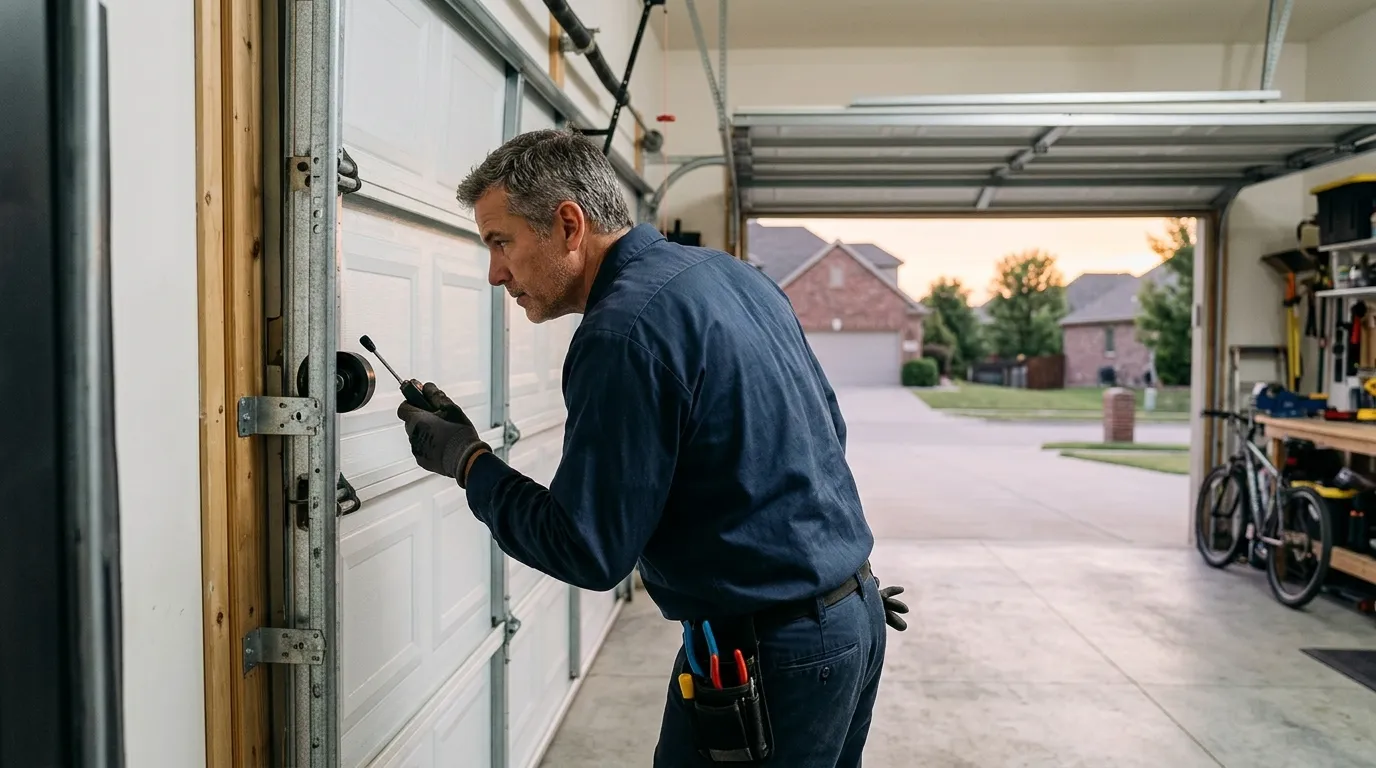
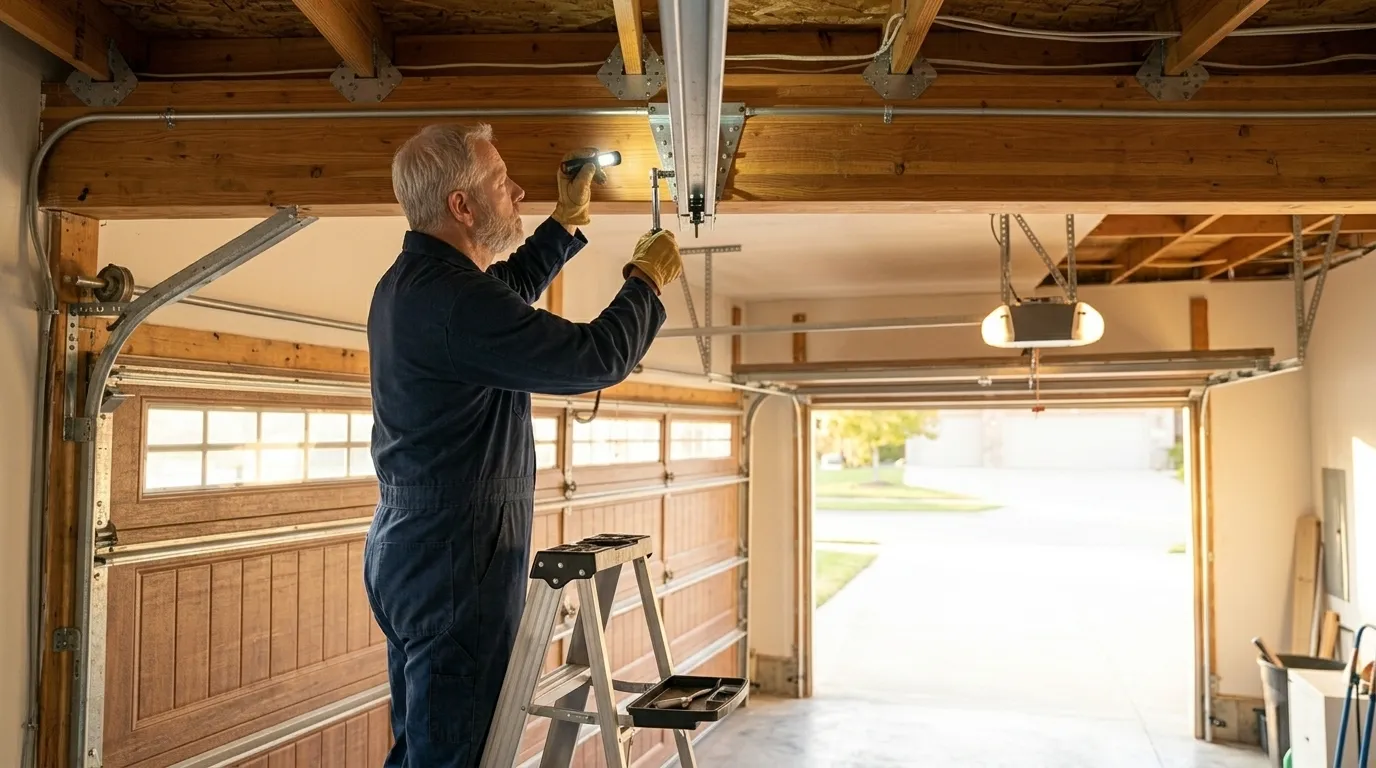
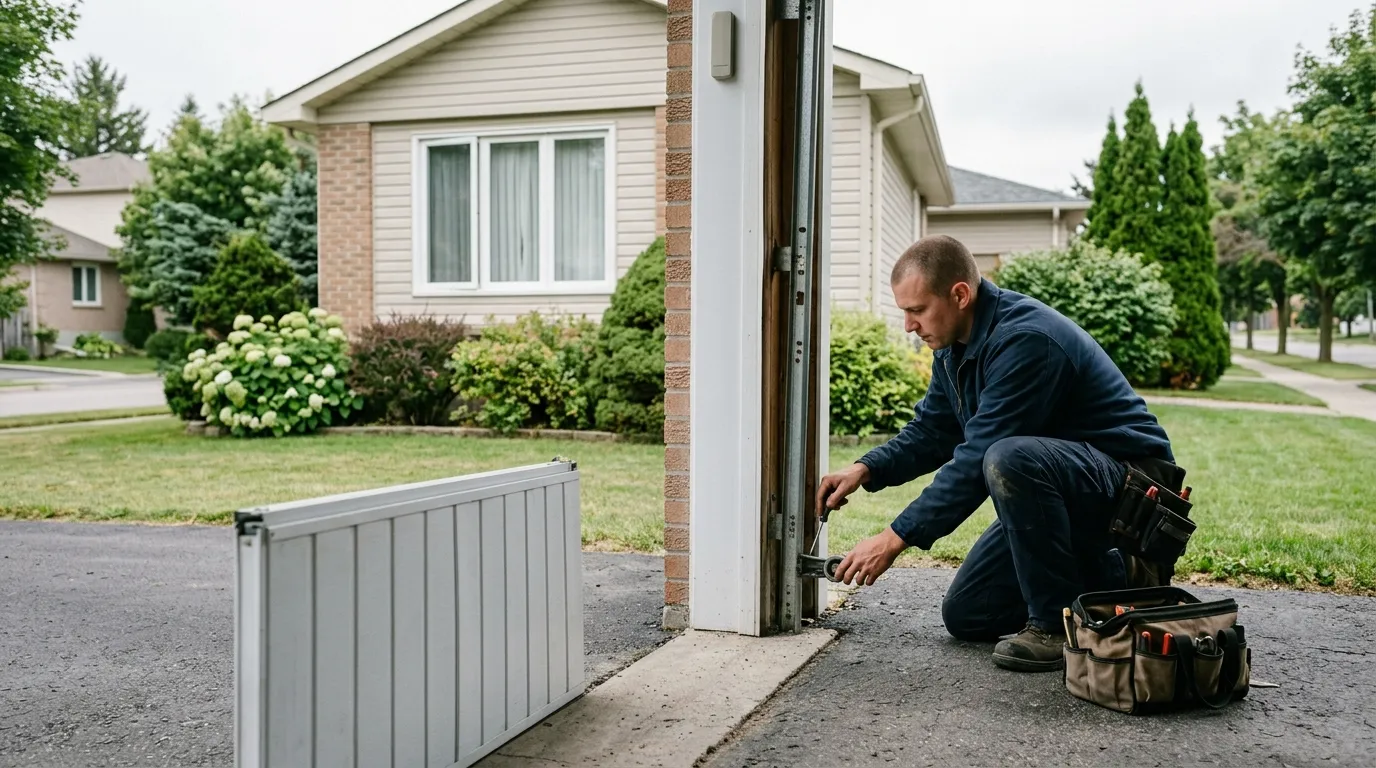
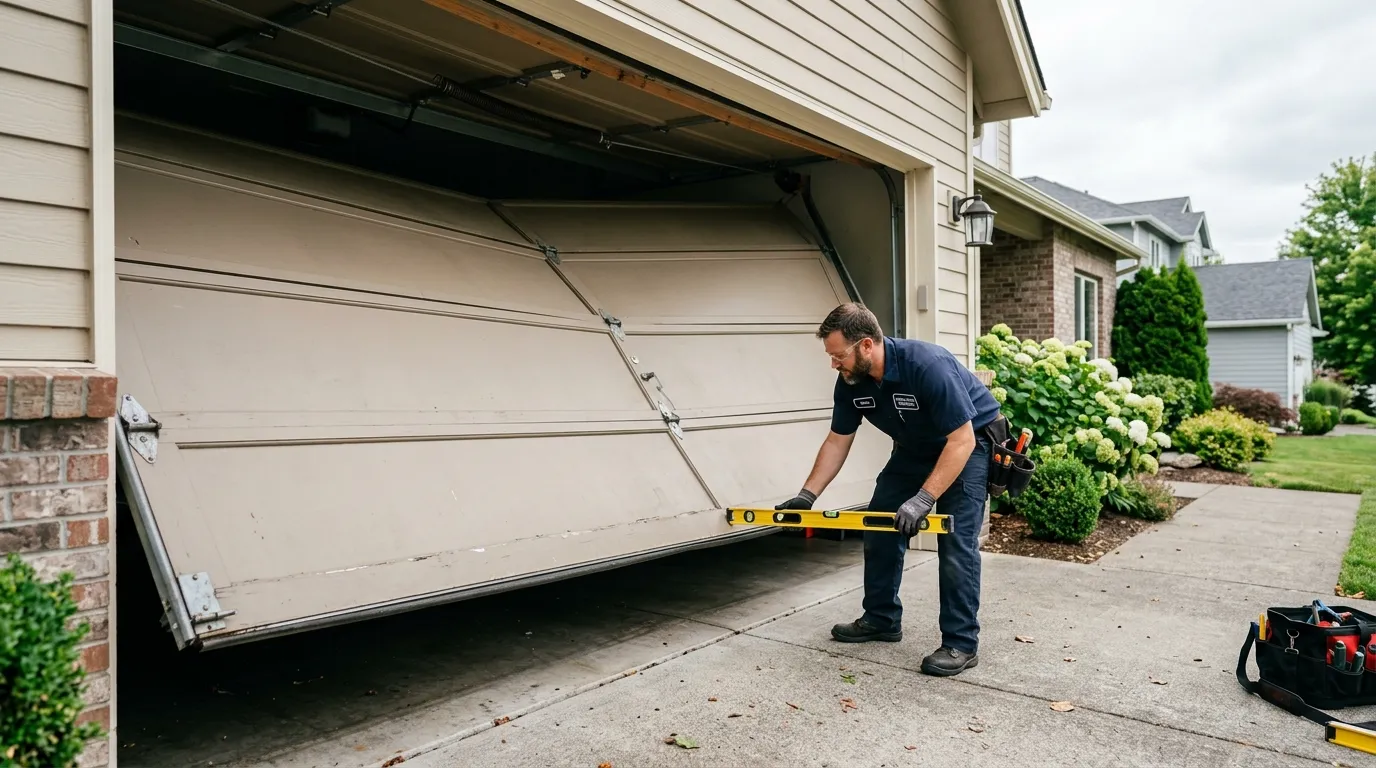
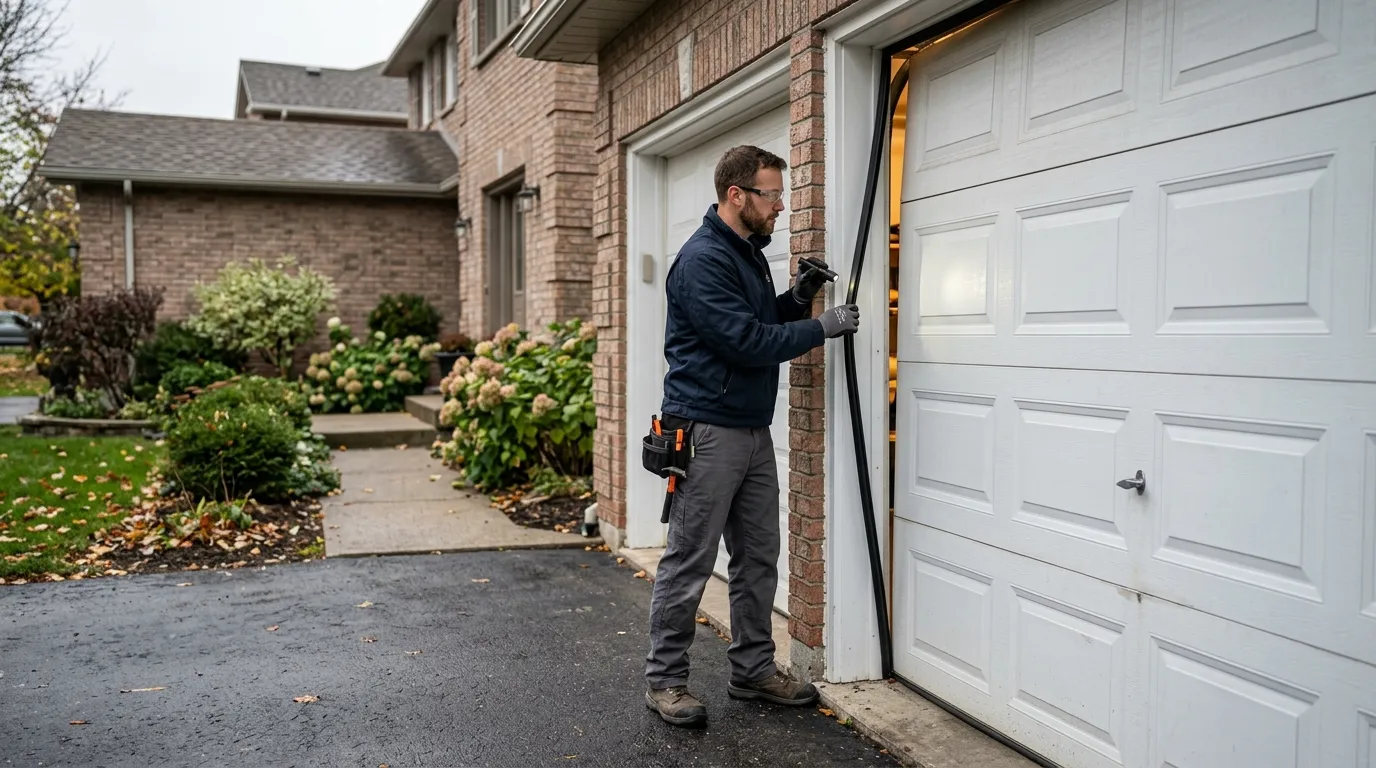
Most cable failures don't happen quietly. One side of the door drops or hangs crooked in the track, or the door slams down the last foot instead of settling. Sometimes you'll hear a sharp snap from the garage before the door won't budge at all. Look at the drums up near the springs - if a cable has jumped its groove or frayed into little wire hairs near the drum, that's your answer.
Lodi's housing stock runs largely from 1946 to 2001, with most of it dating to the 1960s and 1970s, and a lot of those doors are still running the original torsion drums and cable gauge from installation. That hardware wasn't built to be replaced piecemeal forever - cables stretch, drums wear a groove pattern into the wire path, and eventually a strand gives out under load, usually the strand closest to the drum where the bend radius is tightest.
A door that's out of balance from a worn cable will also fight the opener. If yours has been straining, chattering, or reversing partway up before the cable actually snapped, that's the wear already in progress. Catching it there is cheaper than catching it after the cable lets go with the door halfway up.
What Is on the Truck
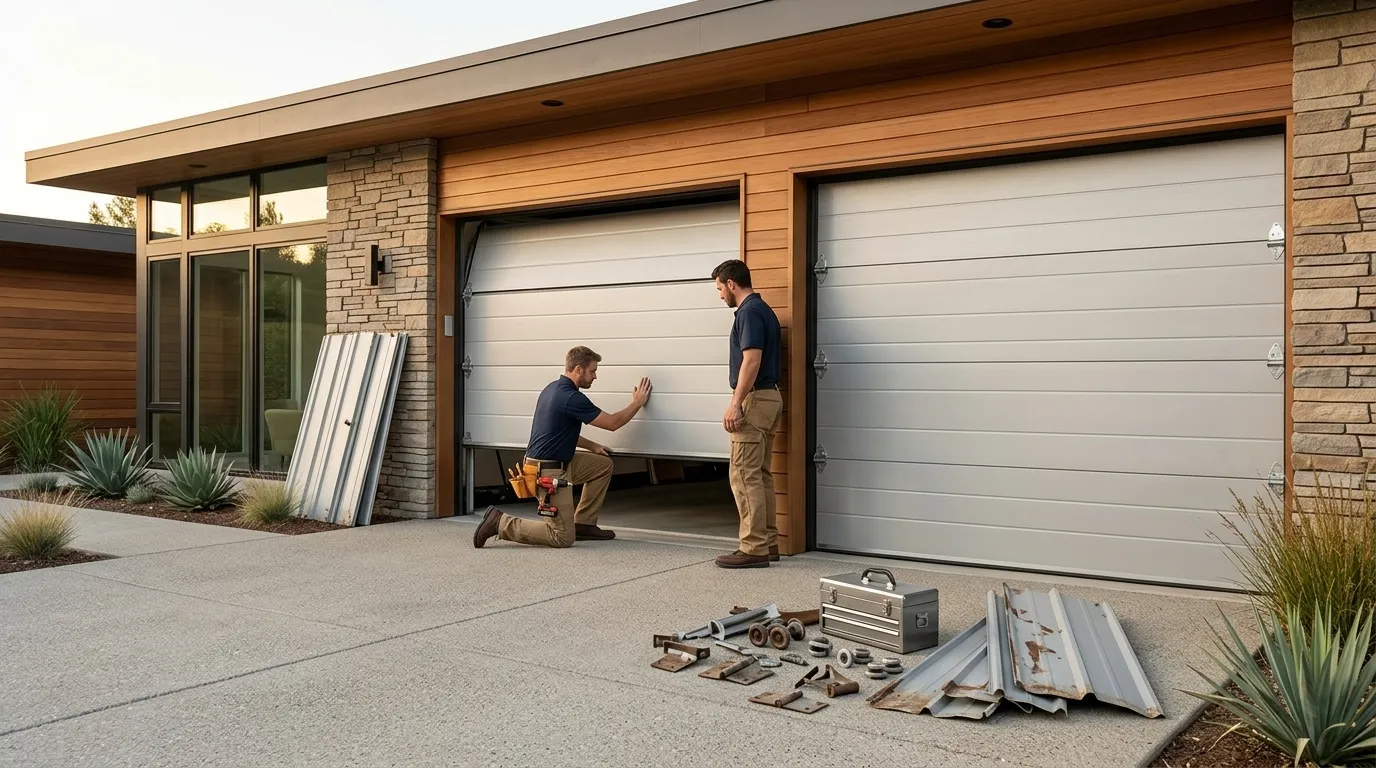
Cable repair isn't a one-size job. Door weight, drum diameter, and track height all change what gauge and length of cable actually fits. Because so much of the local housing dates to the 1960s and 70s, we carry cable stock sized for those original drum diameters, not just the gauge that ships with new door kits - the two aren't always interchangeable on an older door.
We also carry replacement drums, since a cable that's failed from wear often means the drum groove is chewed up too, and running new cable over a damaged groove just sets up the next failure. Same goes for the safety cables on doors that have them, which get swapped whenever we're already in the spring area.
What we don't stock is every obsolete drum size. Some older tract-built doors used non-standard hardware that's since been discontinued by the manufacturer, and on those we may need to source a part rather than pull it off the truck same-visit. That's the honest limit - most jobs finish in one trip, but not every door built in that era uses hardware anyone still makes.
What the Fix Involves
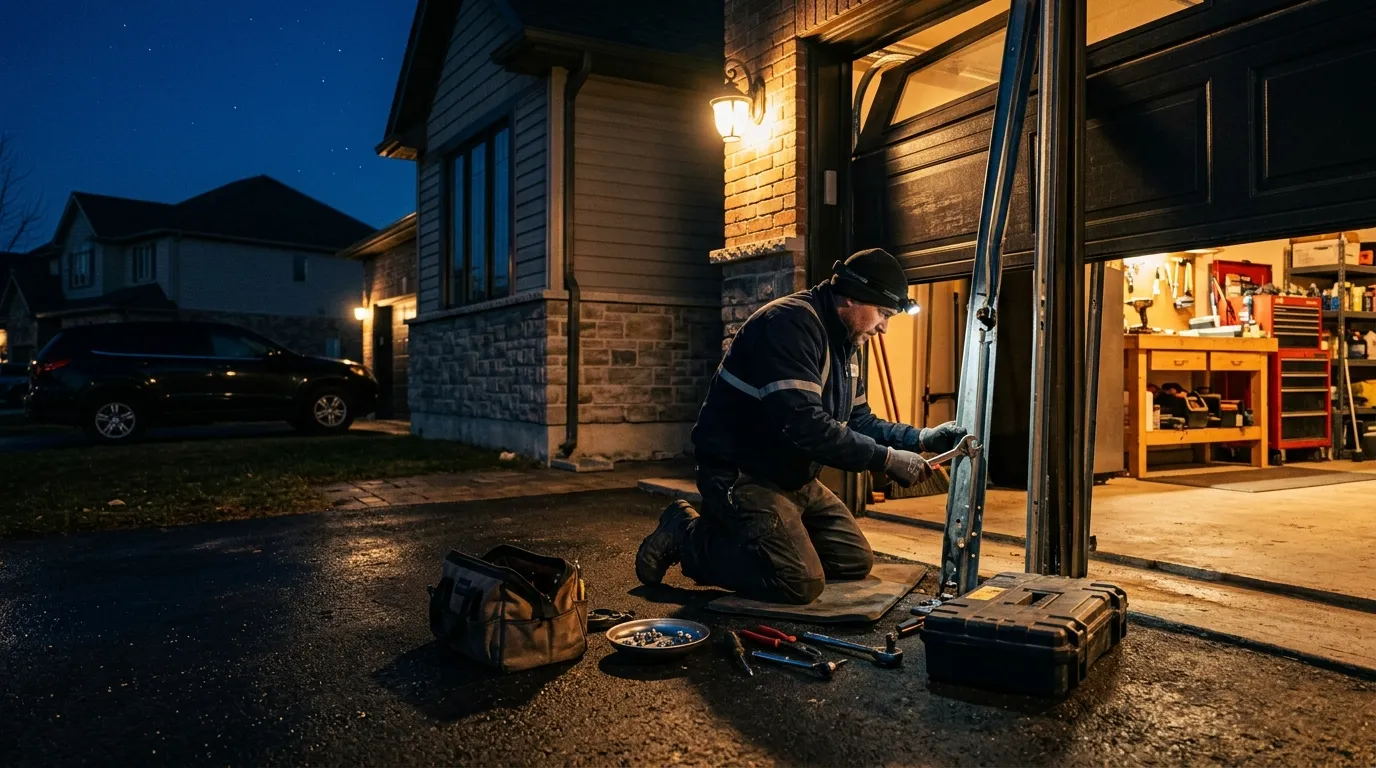
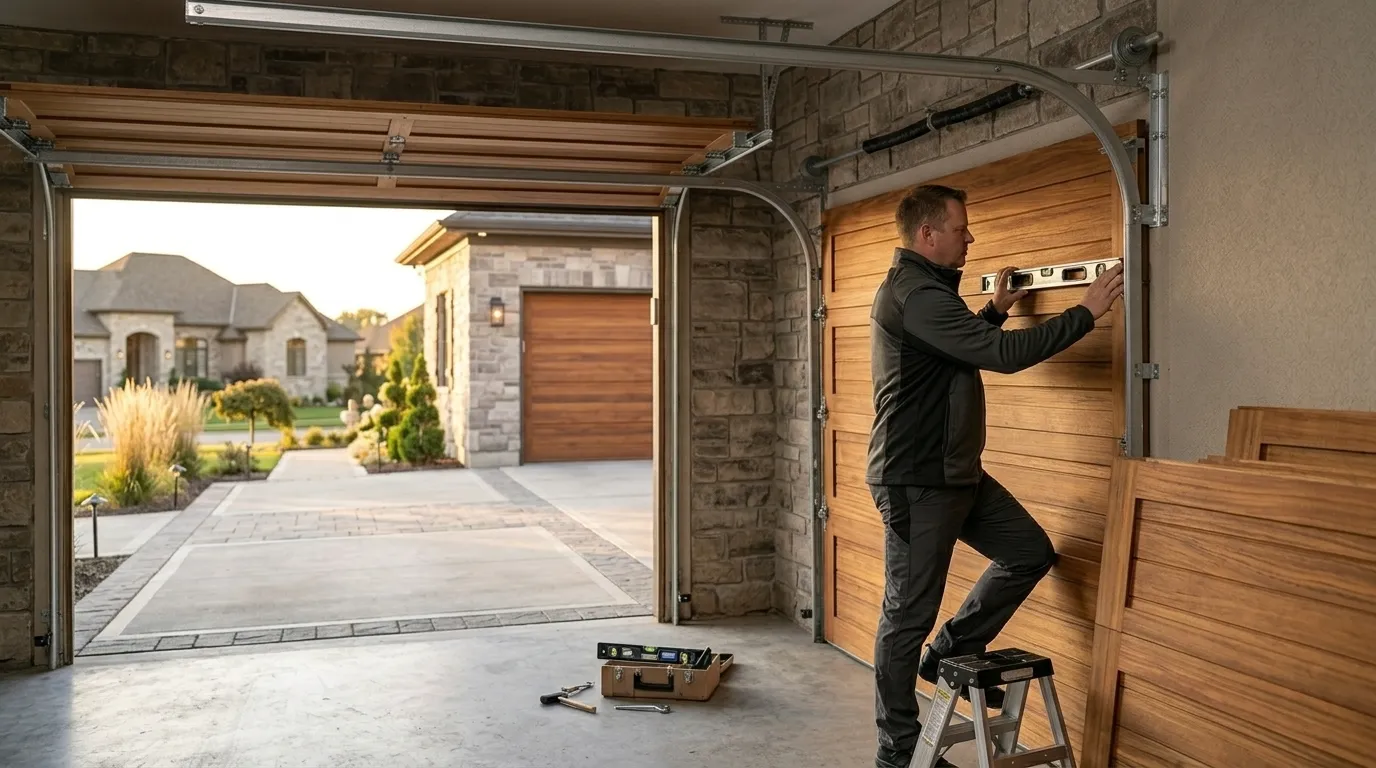
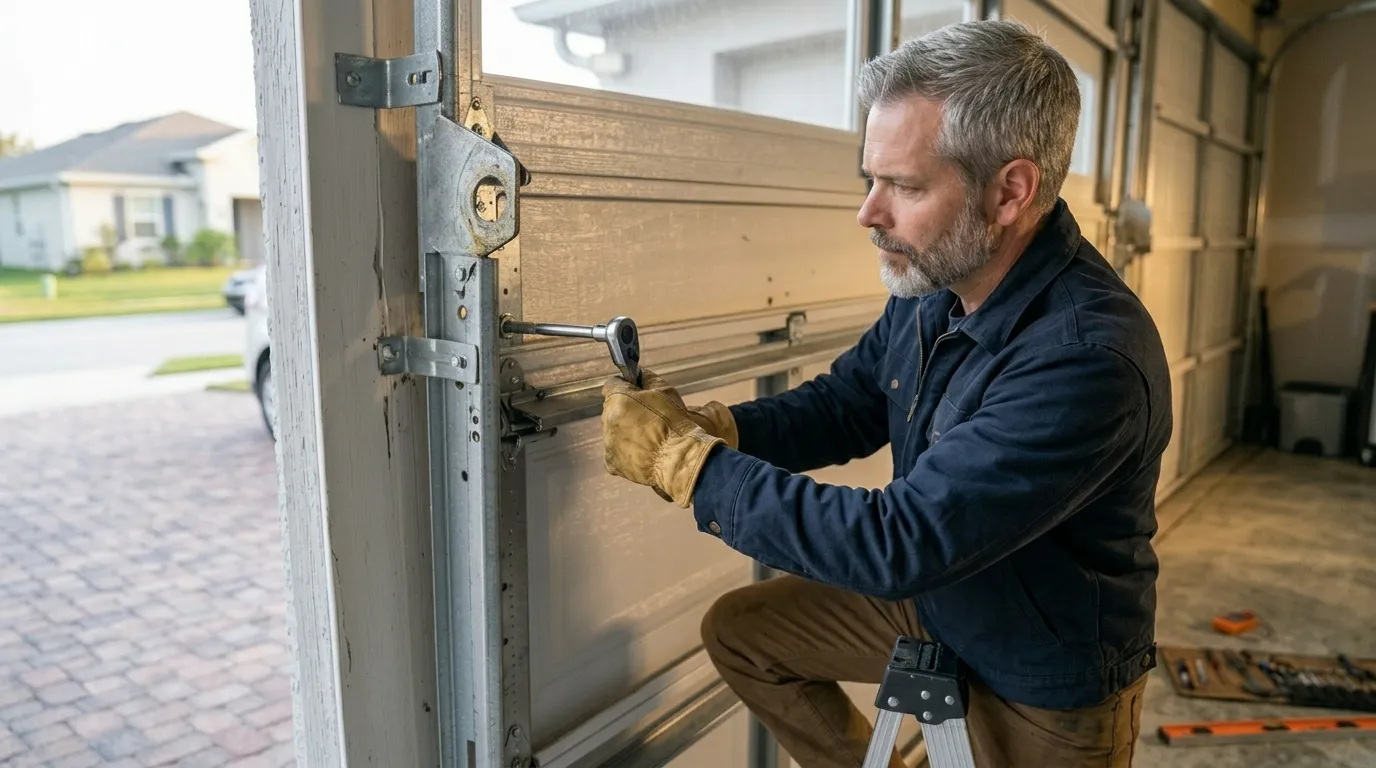
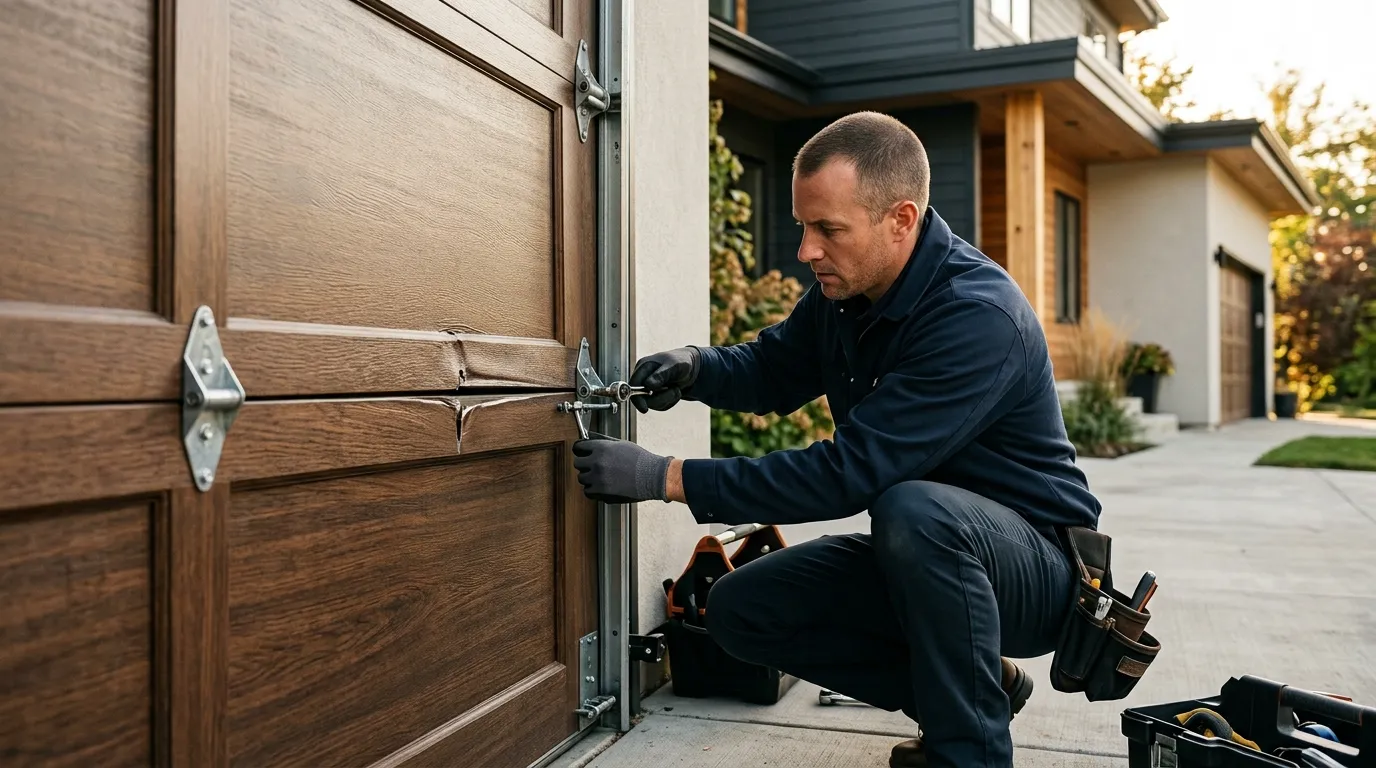
First step is locking down the door and releasing spring tension safely - this is not a job to do with the springs still loaded, and it's the part that hurts people who try it themselves. Once tension is off, the old cable comes off the drum and out of the track.
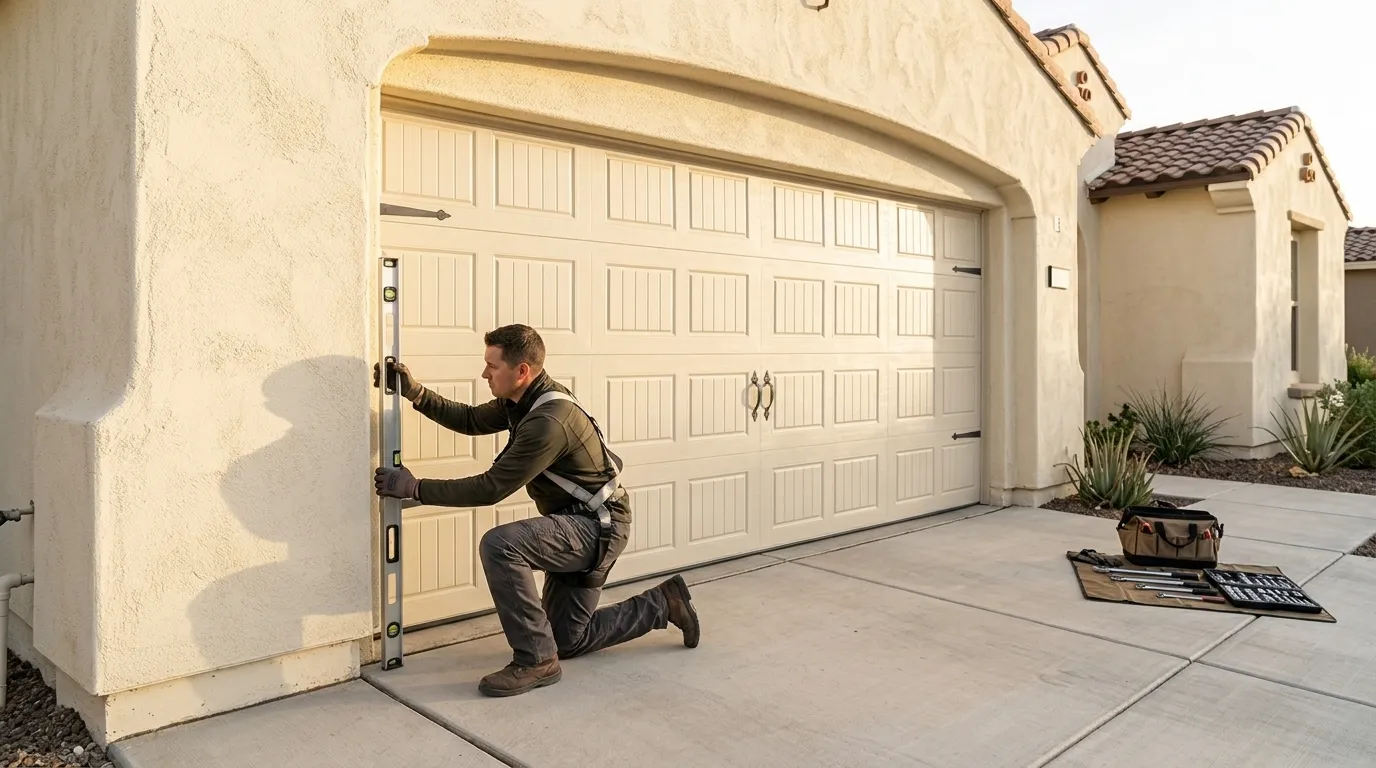
We check the drum groove and the pulley if the door has one, replace either if they're worn, then run new cable matched to the door's weight and track configuration. After that, the spring gets reset and the door gets rebalanced - not just re-tensioned, but adjusted so the door holds still at any point when lifted by hand.
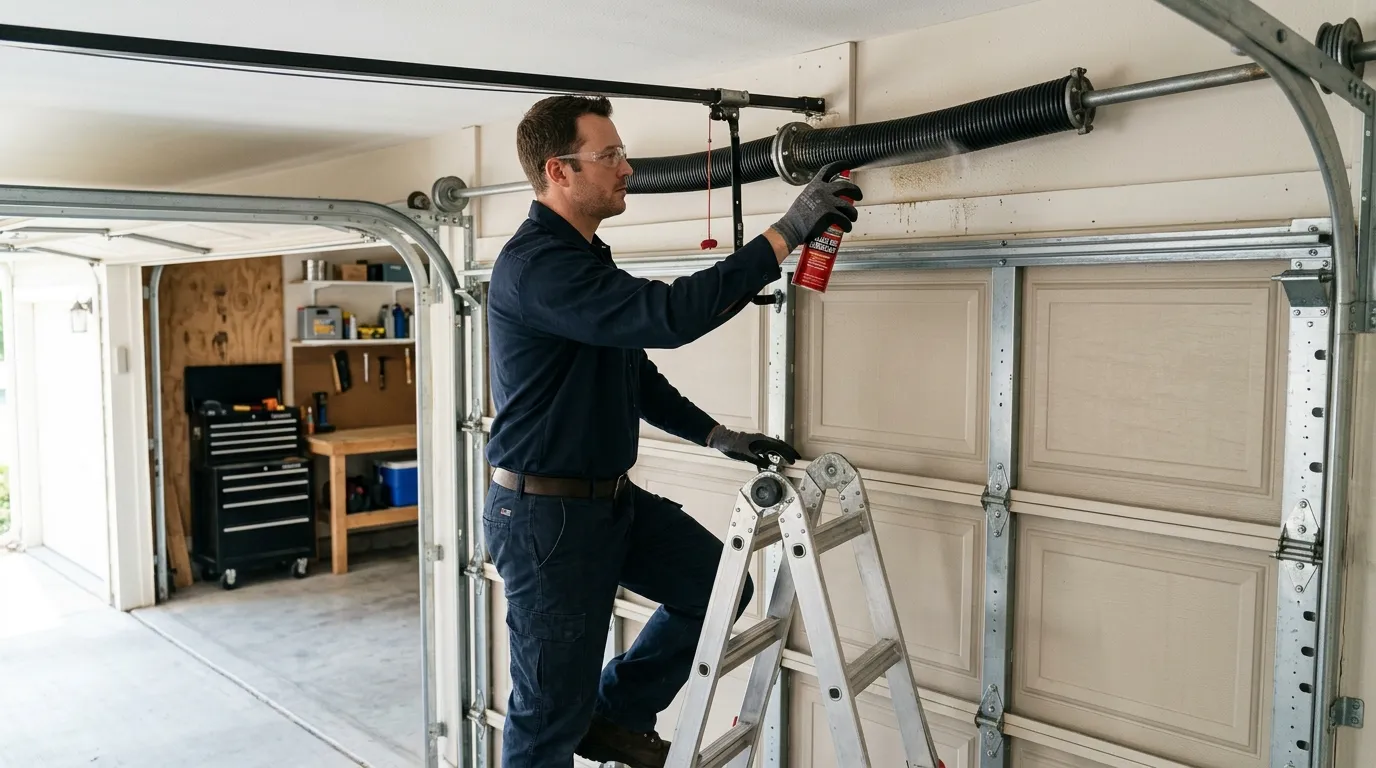
Lodi sits in a moderate-heat climate band, and that steady heat cycling dries out the light lubricant coating on cables faster than a cold climate would, leaving strands stiffer and more prone to fatigue cracking right where they wrap the drum. Part of the fix is re-lubricating the new cable and the track rollers so the next few years of heat don't undo the repair early.
Last step is a full cycle test - up, down, and a manual lift check - before we call it done.
Why This Fails Locally
Three things stack up in Lodi that make cable failure a routine call rather than a rare one. First, the age of the housing: with median construction around 1974 and most stock from the 1960s and 70s, a huge share of doors in the service area are running original or near-original drums and cable that have had fifty-plus years of cycles to wear out. Second, the moderate-heat climate means cables here dry out and stiffen faster than in a cooler region, so fatigue cracking shows up sooner than the cable's rated cycle count would suggest. Third, with 17,555 owner-occupied houses across the area and a median household income of $91,429, most of these are long-held homes where the original door hardware simply hasn't been touched since it was installed - nobody's replaced the cable because nothing forced the issue until it snapped.
Put those together and you get a door that looks fine for years and then fails on an ordinary Tuesday, not because of one bad part but because the whole system - drum, cable, spring - aged out together. Replacing just the cable without checking the drum groove it rides in is how a repair turns into a return visit.
How it works
From “it’s stuck” to “it’s fixed”
1
Tell us what’s wrong
Describe the symptom - won’t open, loud bang, opener runs but the door won’t move.
2
On-site diagnosis
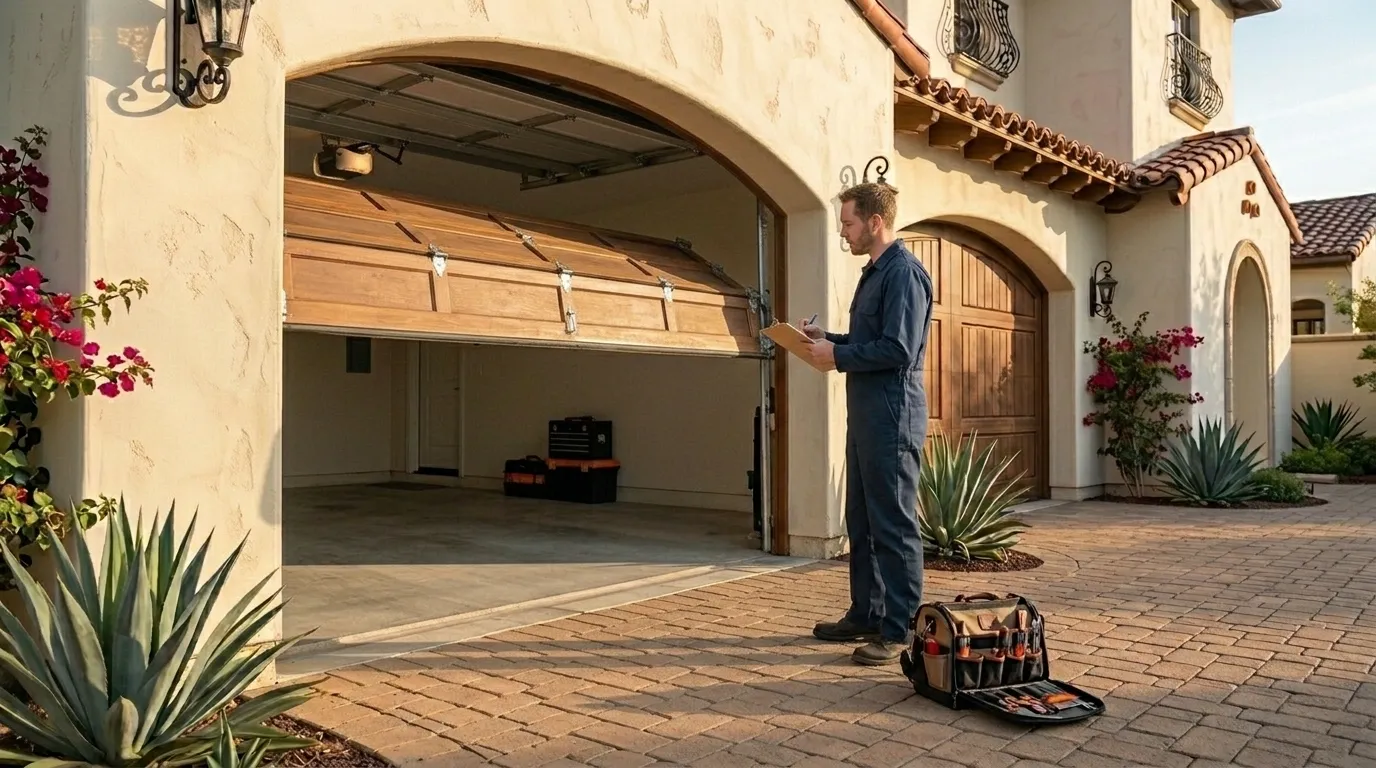
A technician tests the door under power and by hand and finds what actually failed.
3
Clear, up-front plan
You get the fix that’s needed and what drives the cost - before any work starts.
4
Repaired & tested
The repair is done, the door is set true and tested, and the work area left clean.
Next step
Serving Lodi, CA - tell us what your door’s doing and we’ll take it from there.
How do I know if it's the cable or the spring that broke?
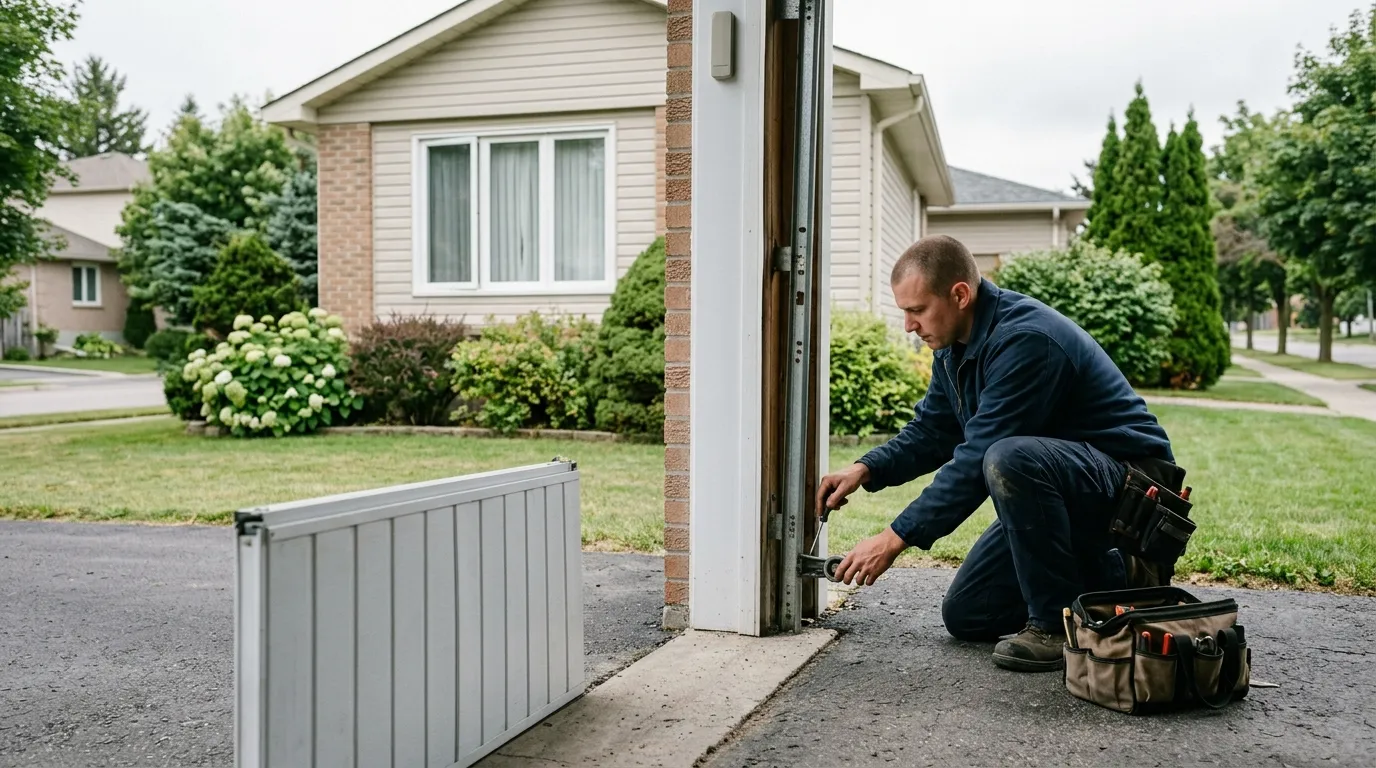
A broken spring usually means the door feels far heavier than normal or won't lift at all, even with the opener disengaged. A broken cable usually means the door hangs crooked, one side lower than the other, or a section of wire is visibly frayed or hanging loose near the bottom bracket or drum. Either way, don't force the door - both are spring-tension jobs.
Can I replace a garage door cable myself?
The cable itself isn't complicated, but it sits on a drum wound by a spring under real tension, and releasing that tension wrong is how people get hurt. If your door still has the original torsion hardware from a 1960s or 70s build, the drum and cable routing can also differ from newer kits, which makes a DIY swap riskier than it looks.
Why did my cable snap when the door looked fine?
Cable wear happens gradually inside the drum groove and at the bend near the bottom bracket, where you can't easily see it. Combine decades-old hardware, common in Lodi's older housing stock, with steady heat cycling that dries out the cable's lubricant, and a strand can fatigue and give out with no warning even though the door was running normally the day before.
Ready to get your garage door sorted?
Tell us what it’s doing and where you are in Lodi - we’ll take it from there.