What Is on the Truck
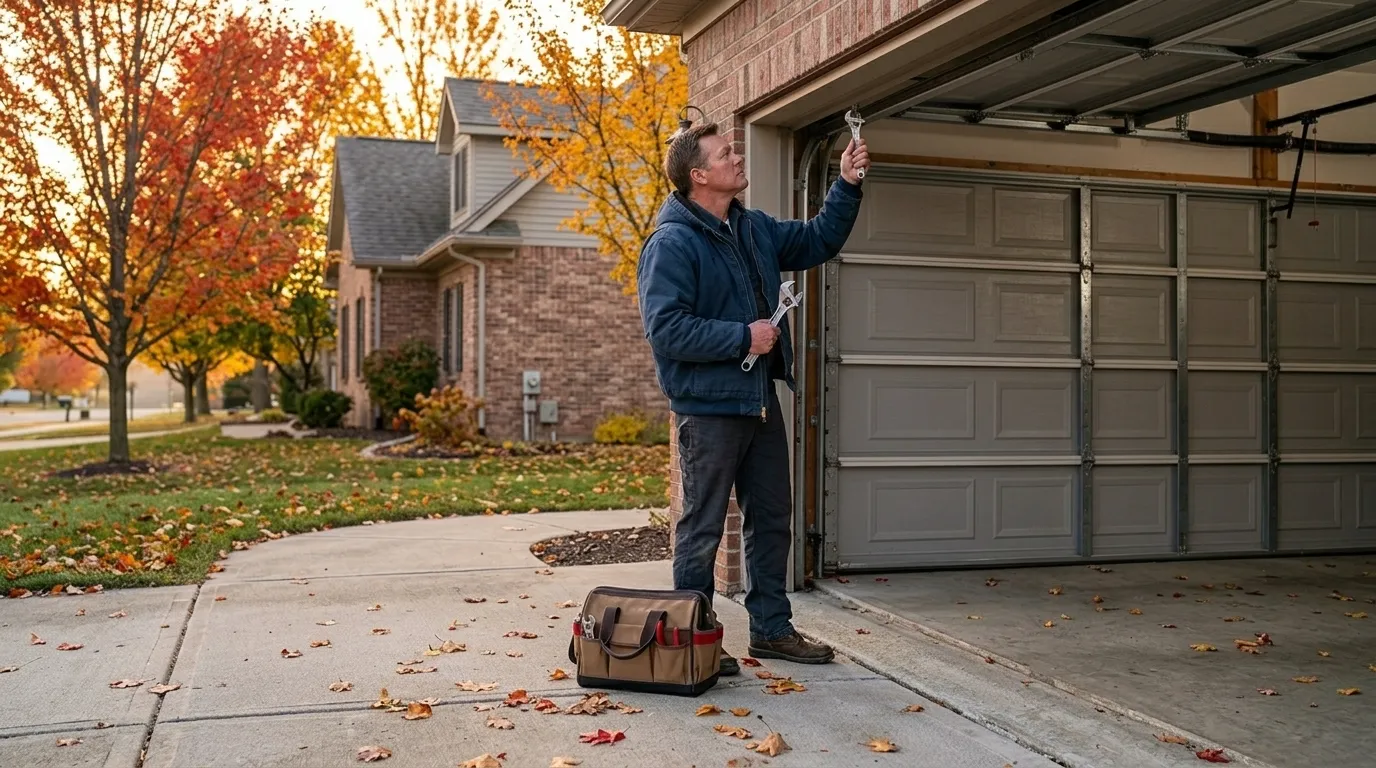
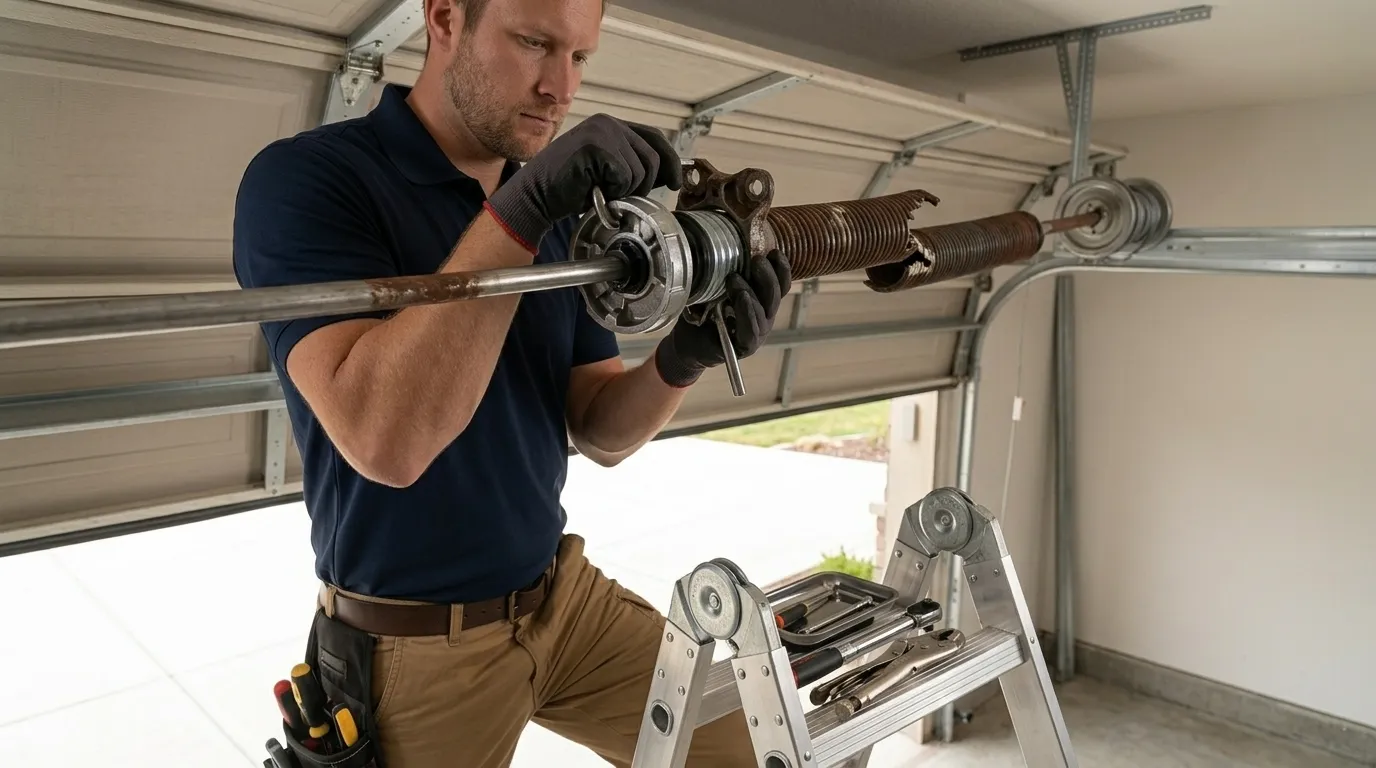
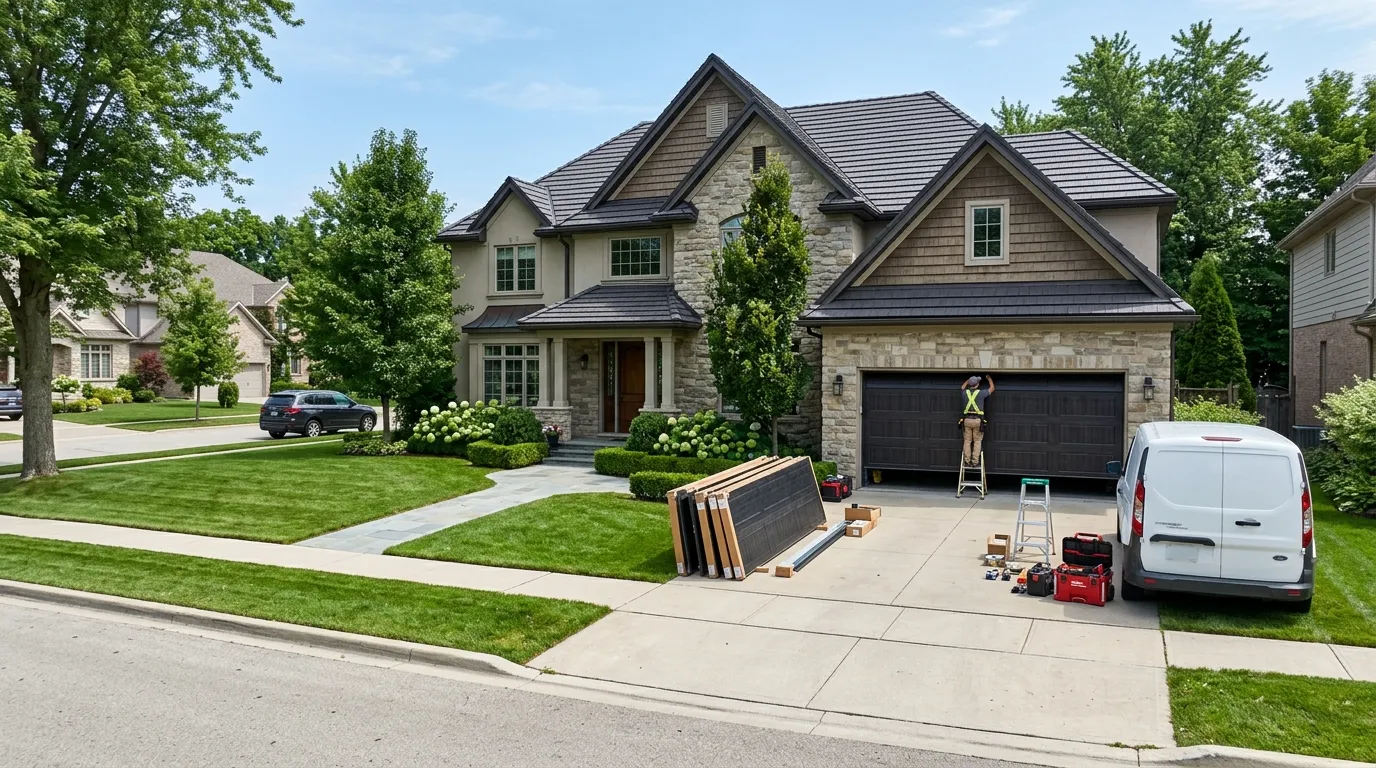
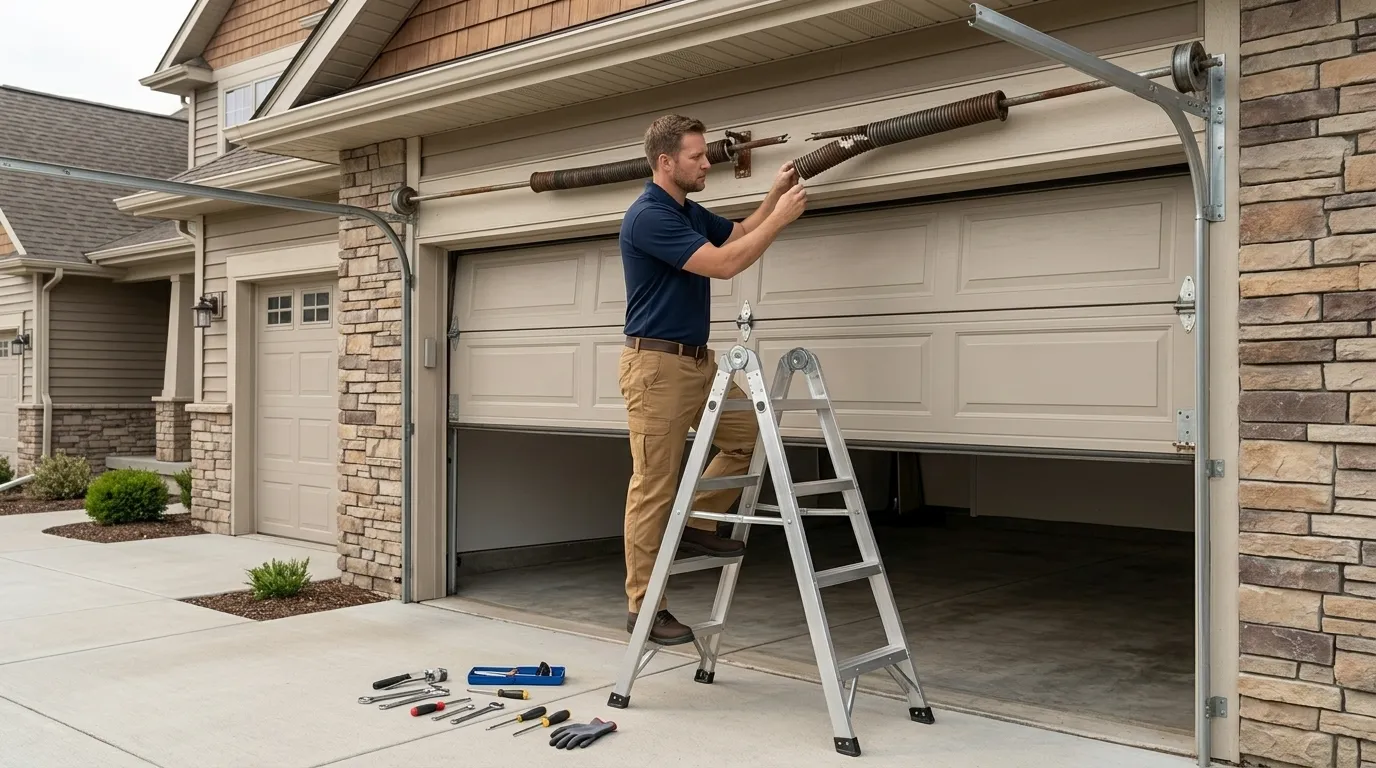
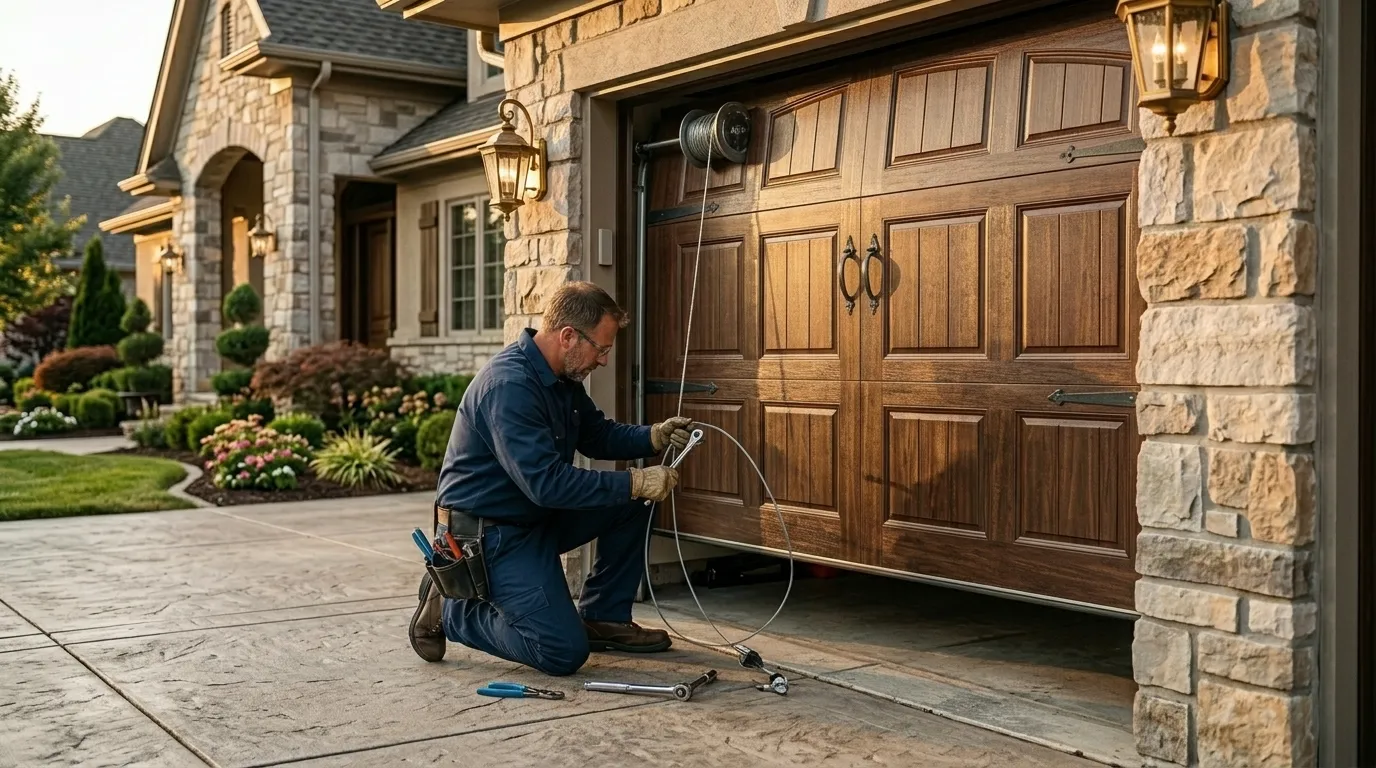
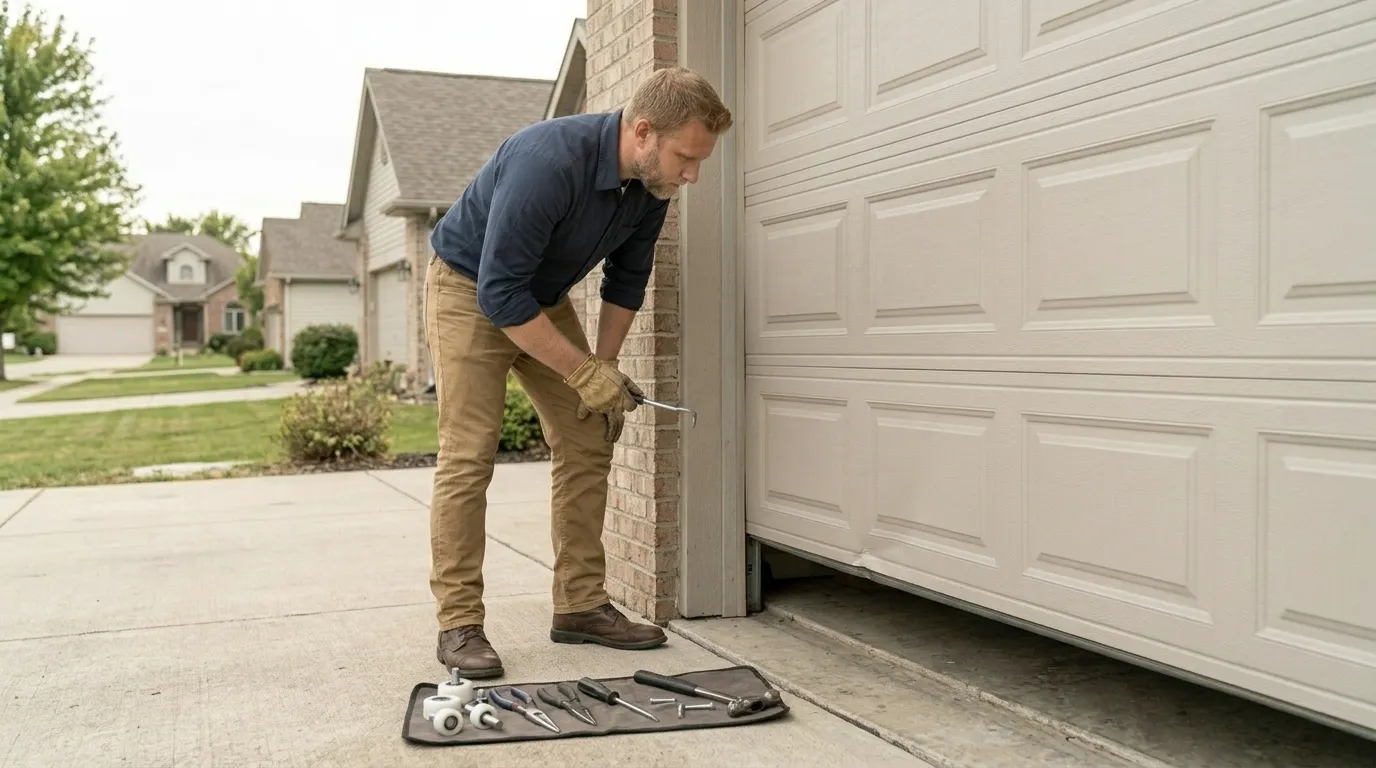
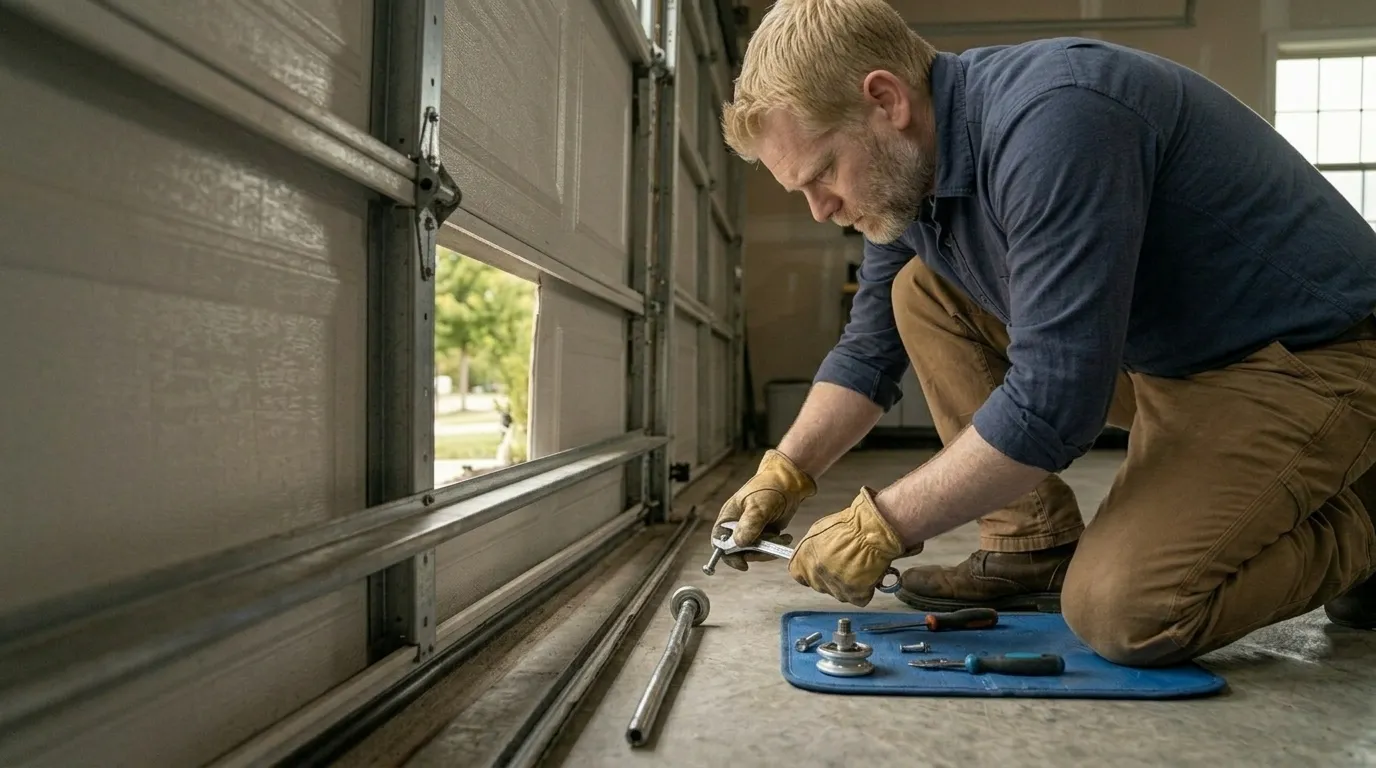
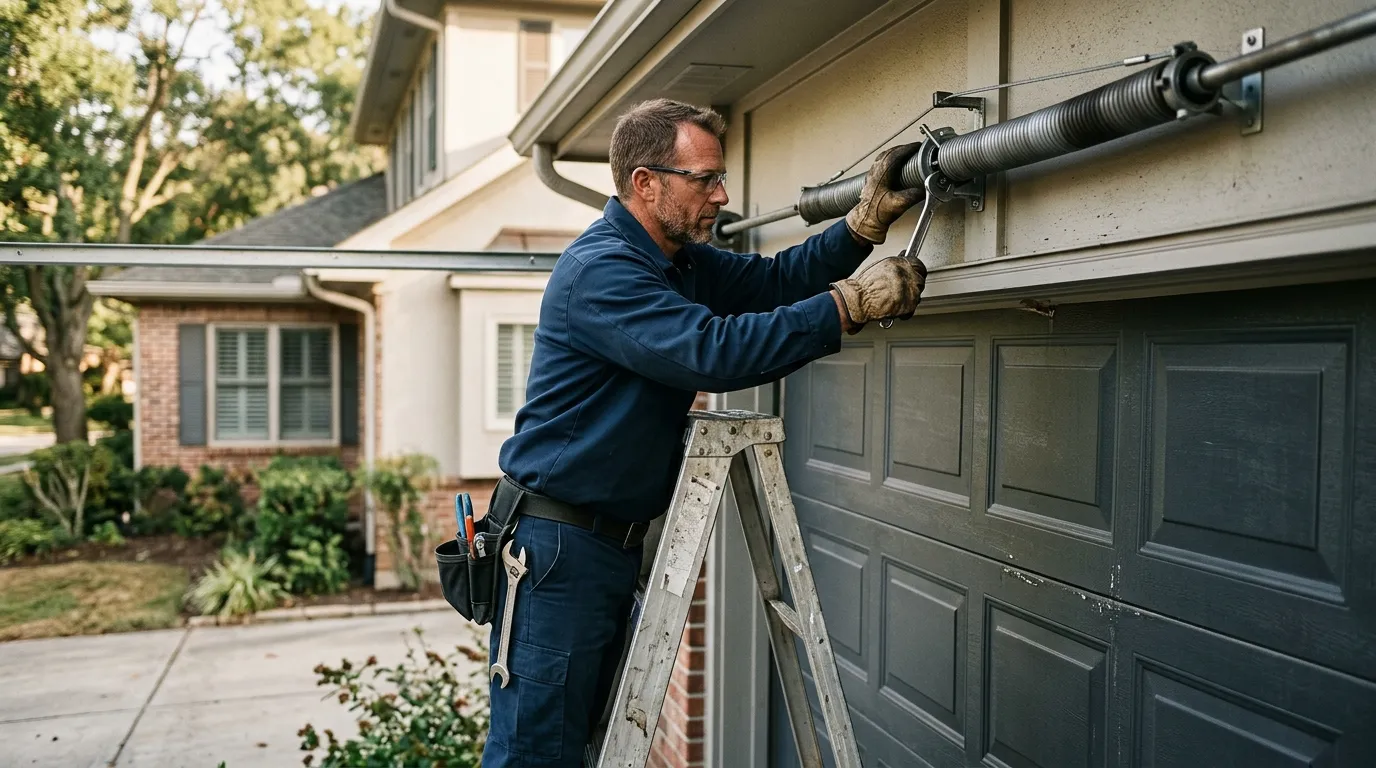
For an off-track call we carry replacement track sections in the standard lengths, roller brackets, sealed and nylon rollers, hinges in the common gauges, and the lag screws and carriage bolts that hold brackets to a jamb. We also carry cable and drum hardware, since a door that's jumped track has often also let a cable go slack or slip off the drum, and running the door with a slack cable is what actually damages a panel. For homes built before garage doors came with two torsion springs as standard, we carry parts sized to older single-spring setups, which still show up regularly in houses from the 1946-2001 range that makes up most of the housing here. One honest limit: if the track itself is bent more than a few degrees, or the jamb wood behind the bracket has rotted out, we don't try to straighten it on site - a bent track that gets forced back into shape almost always fails again within months, and rotted framing needs a carpenter before hardware goes back in.
What the Fix Involves
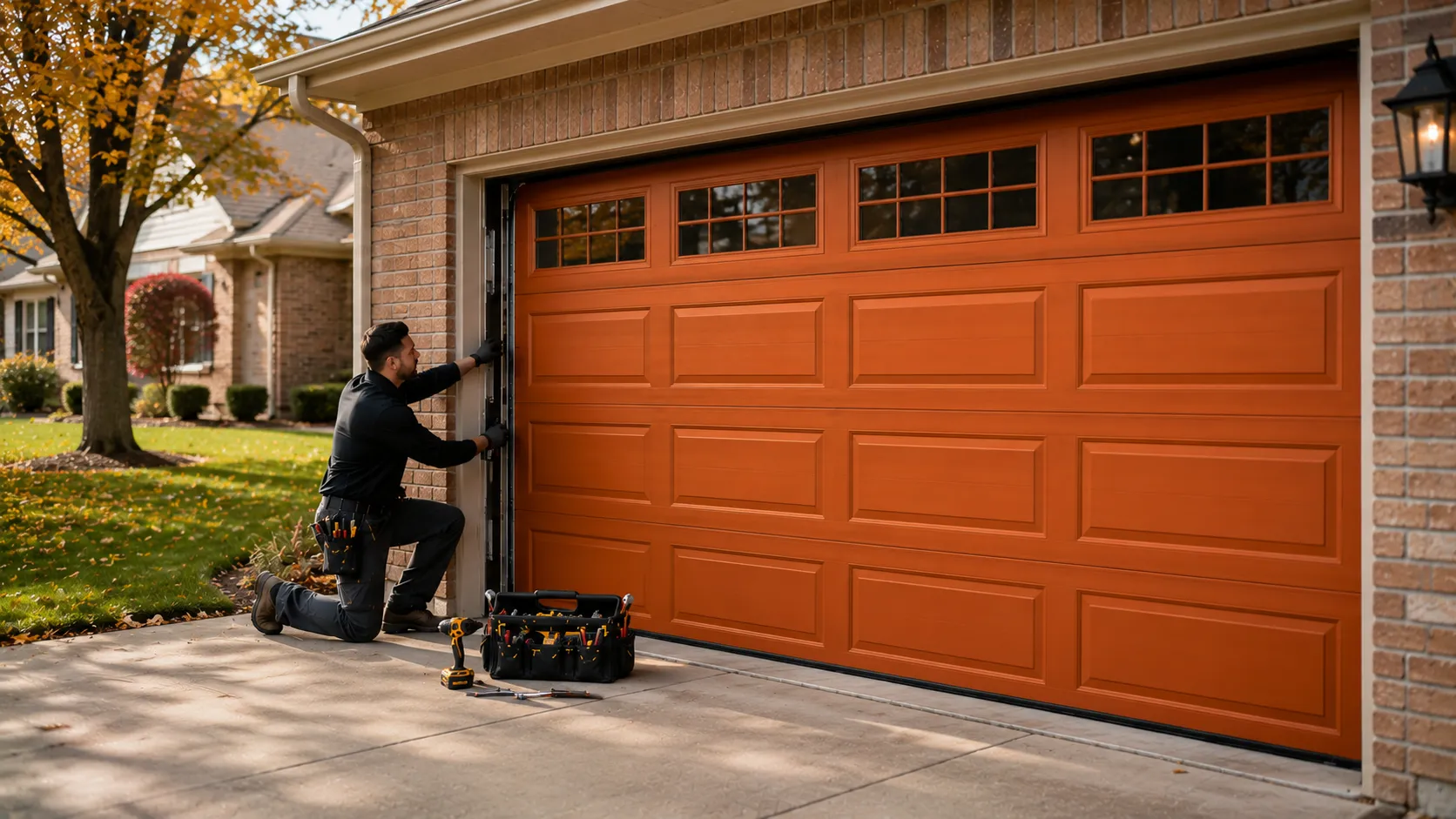
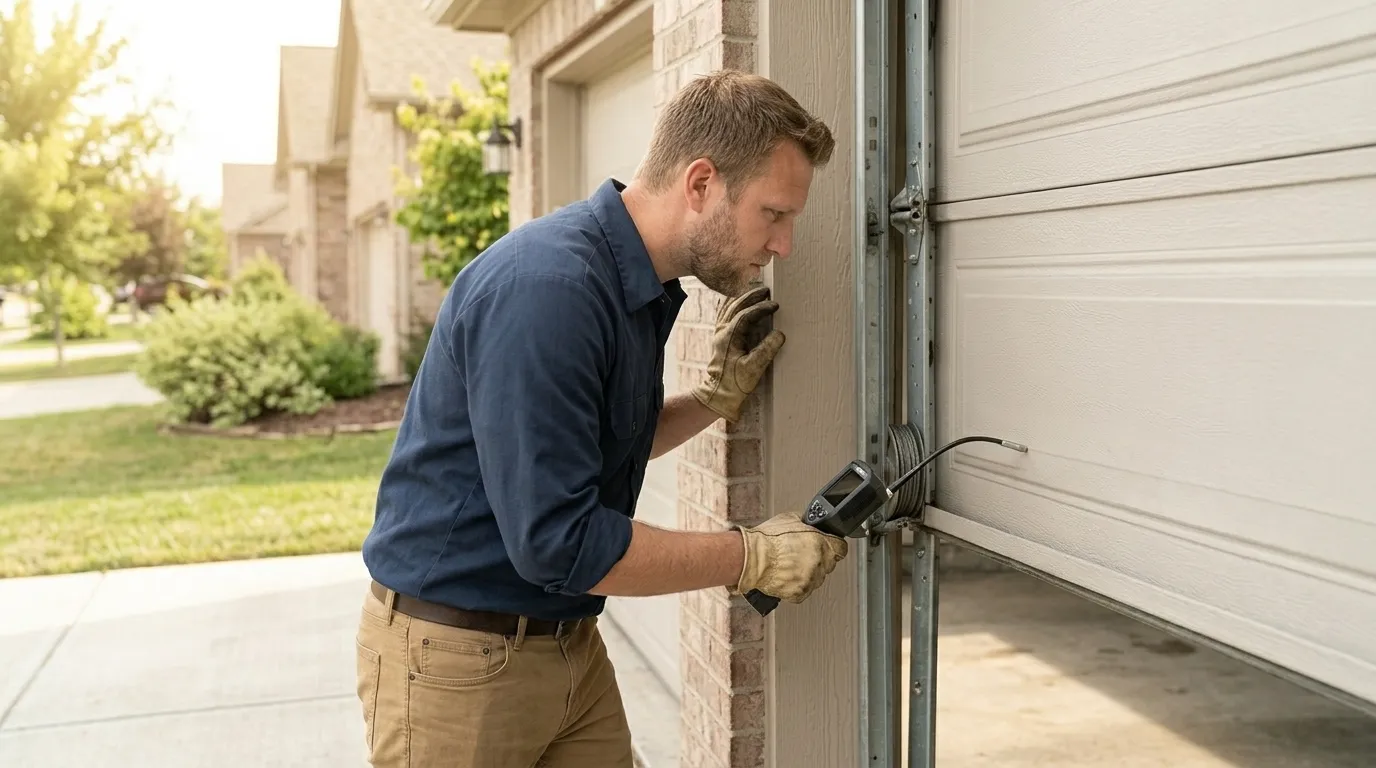
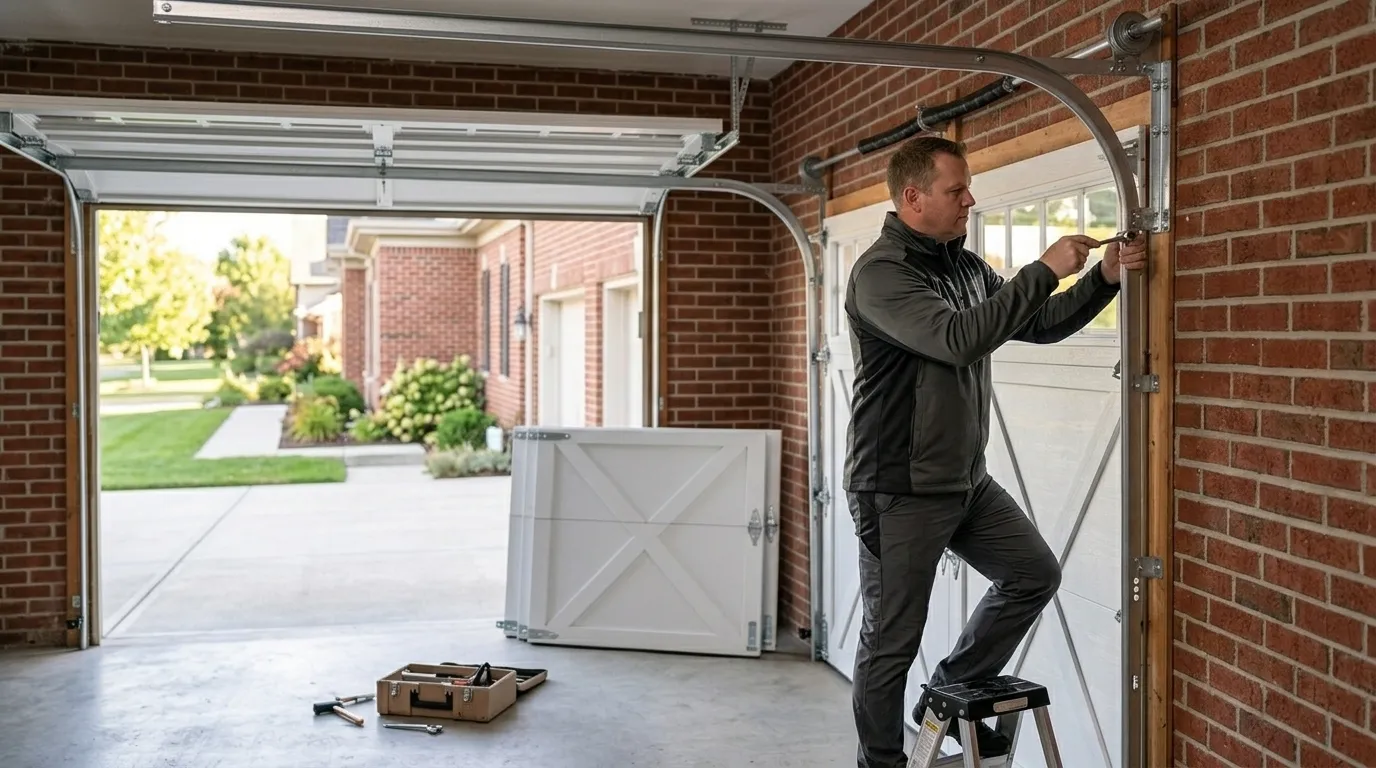
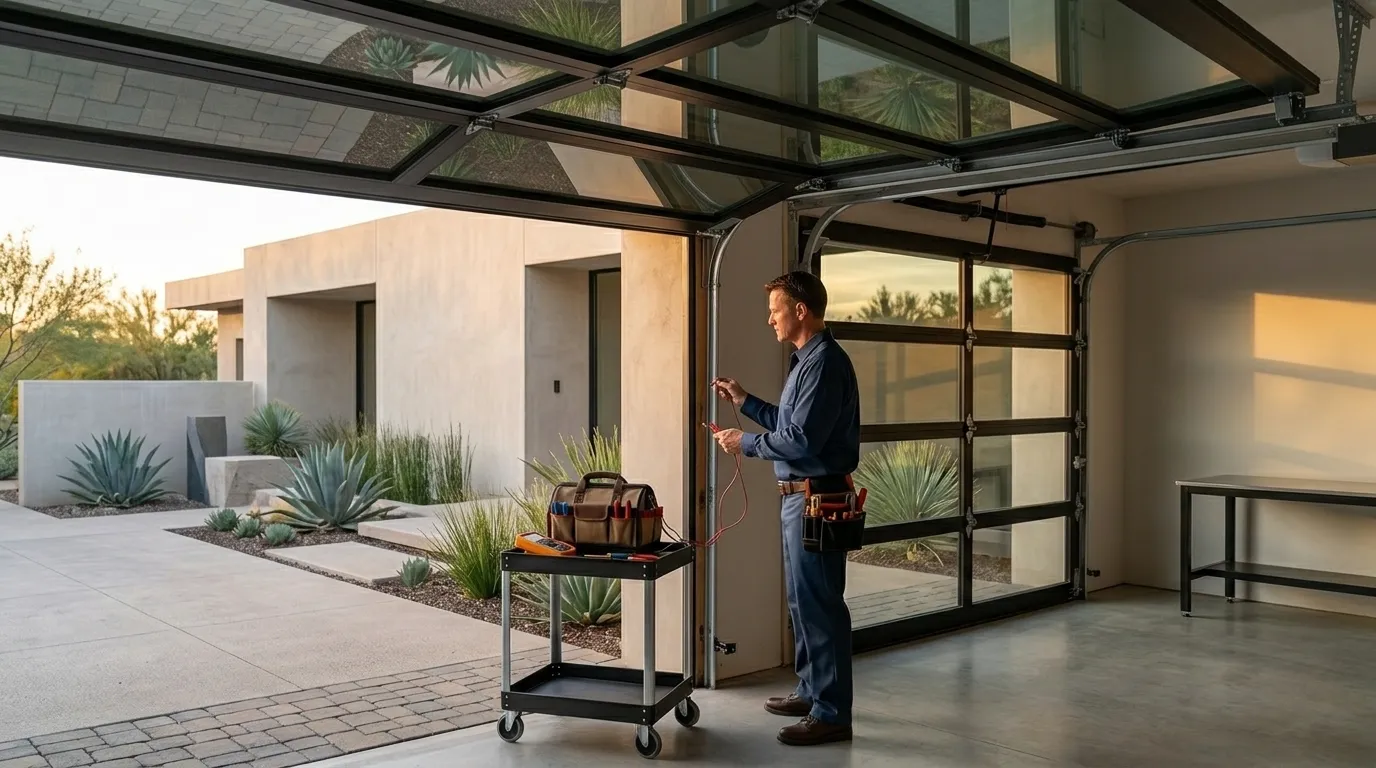
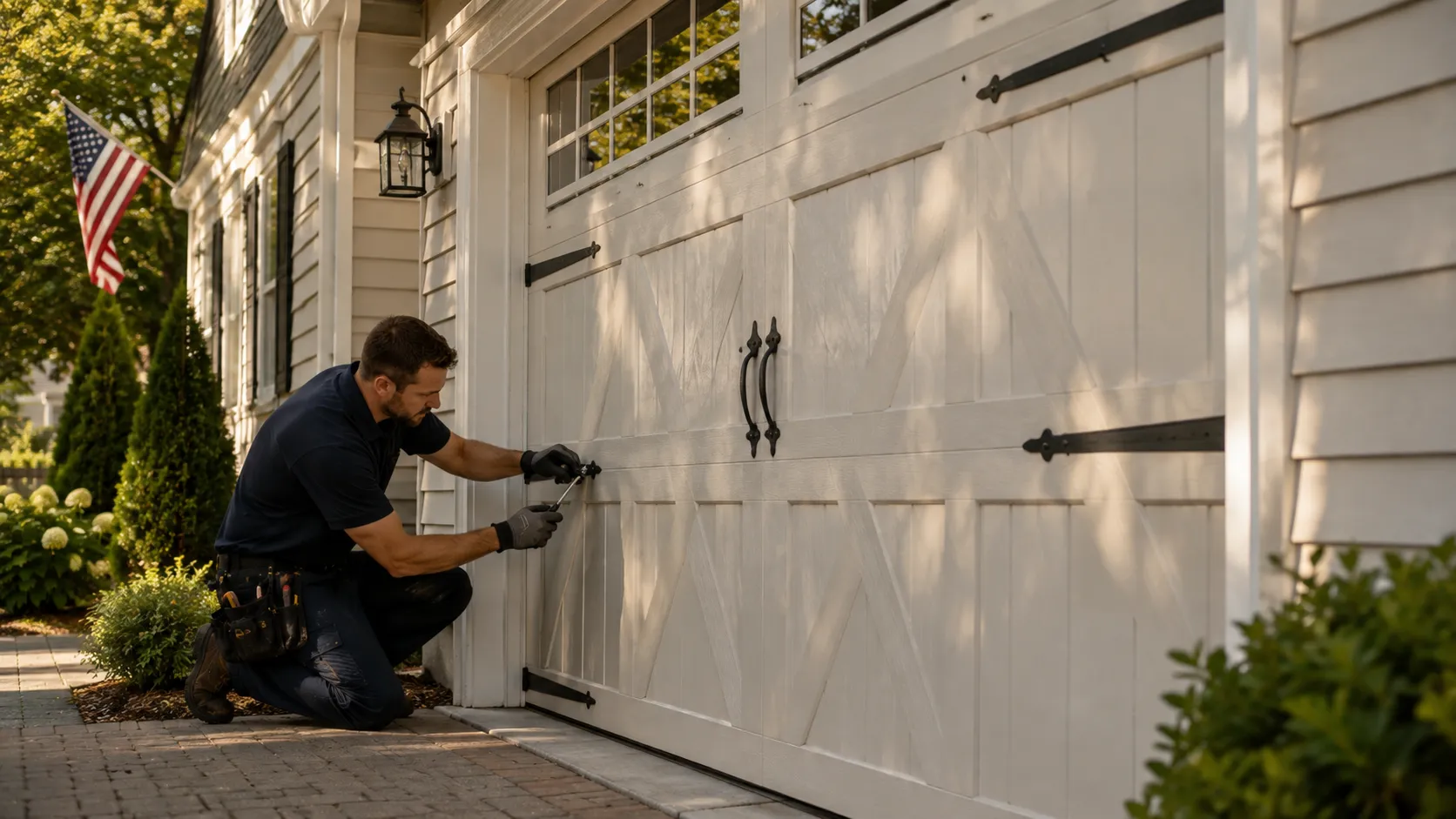
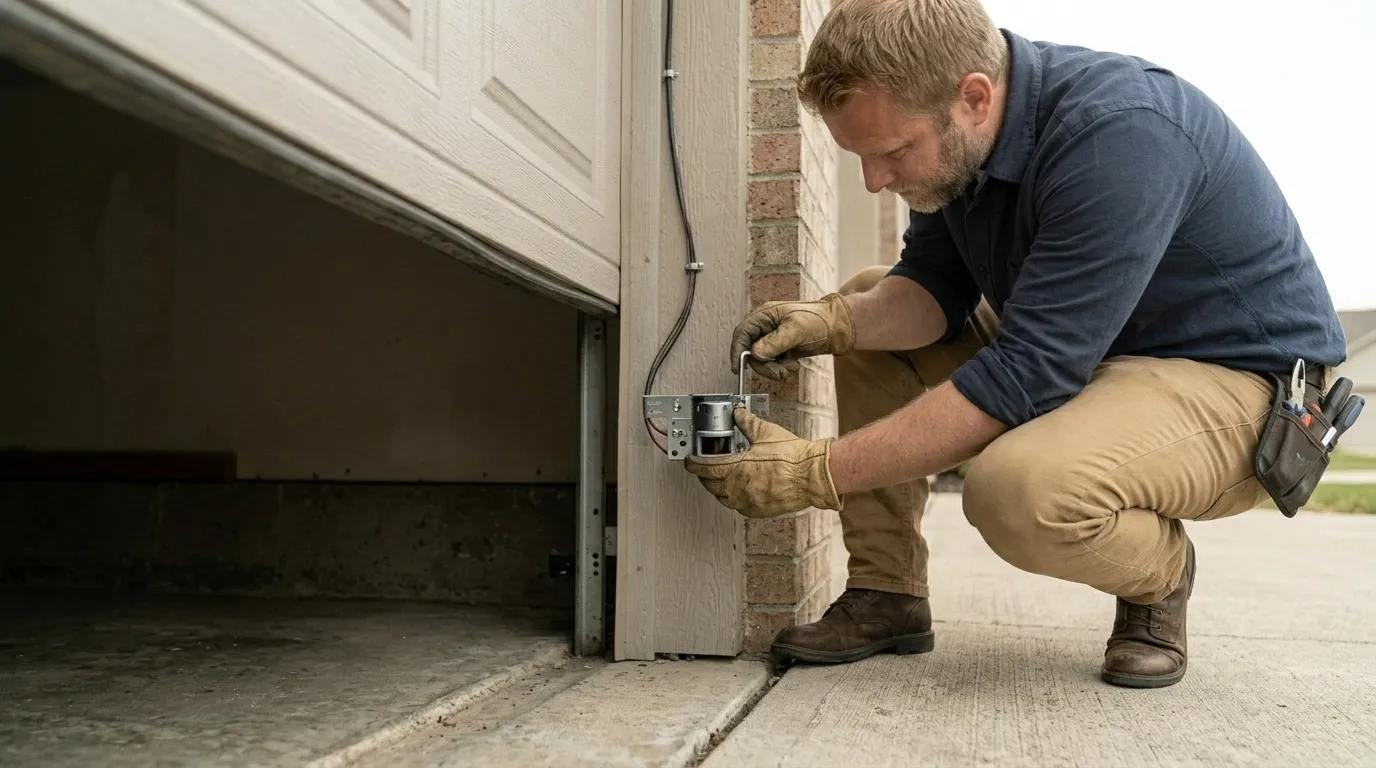
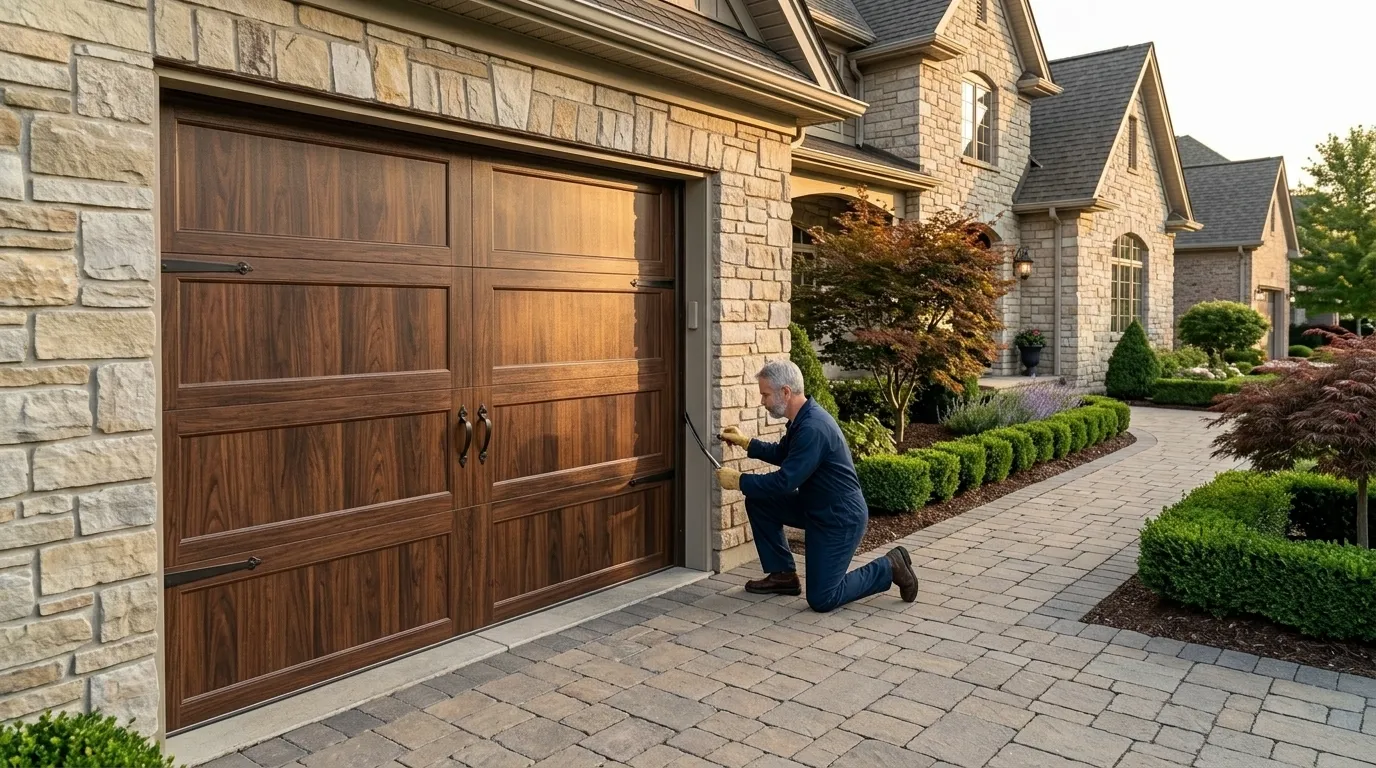
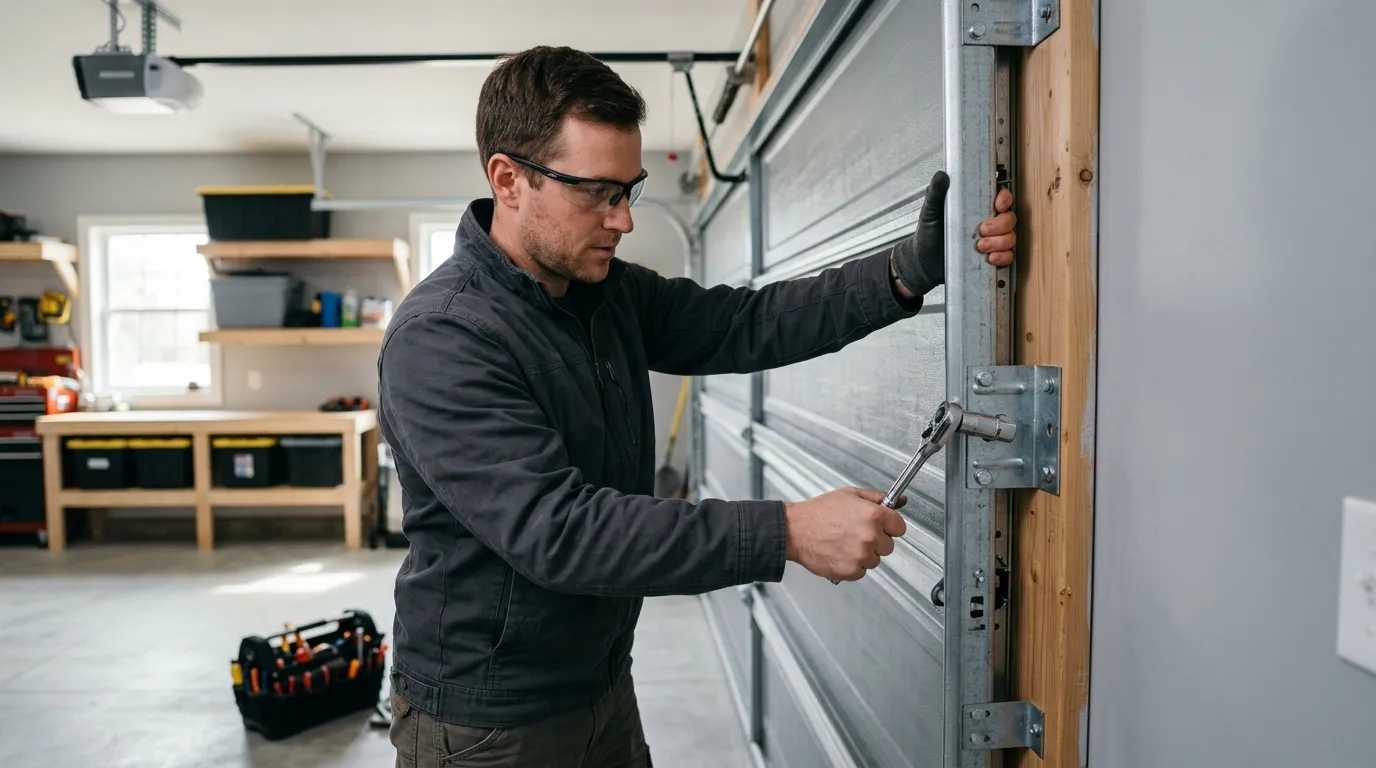
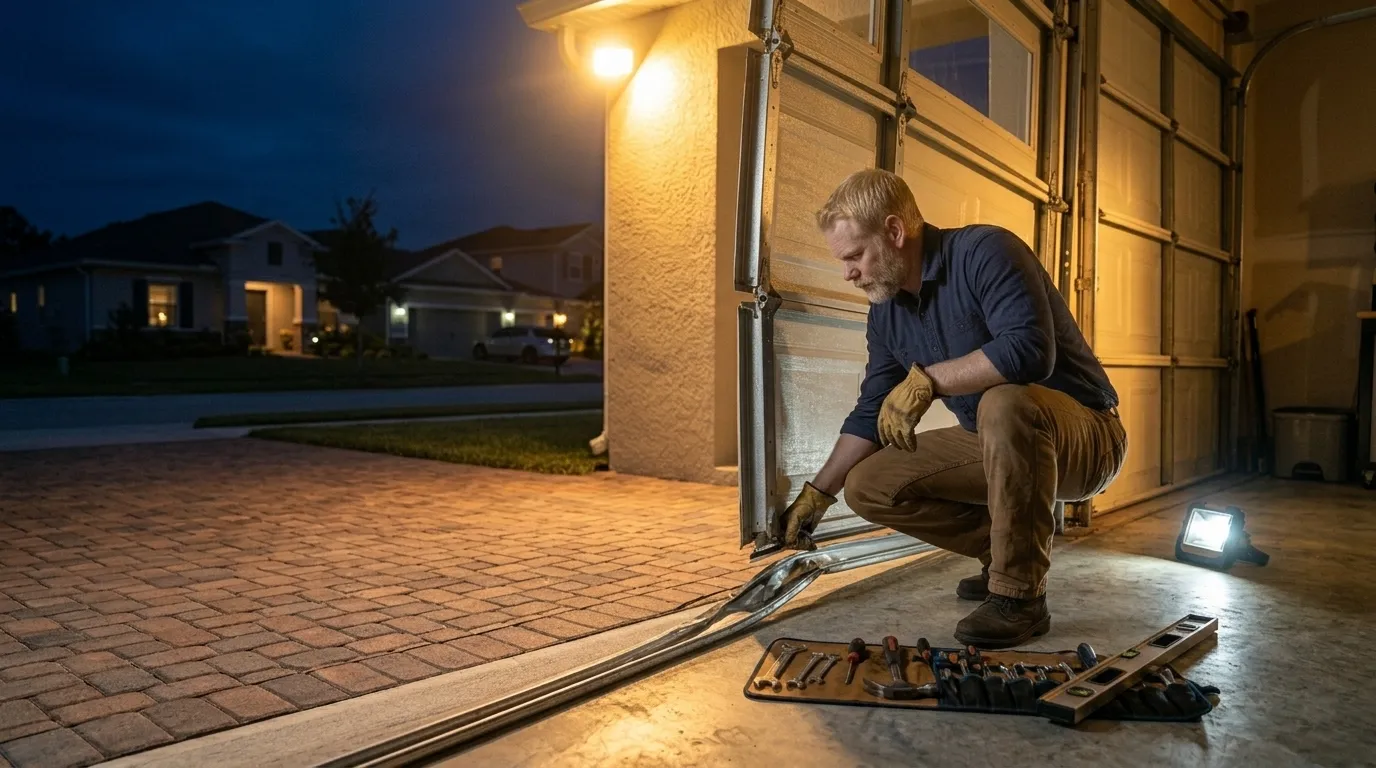
First we disconnect the opener and support the door manually - never with the opener running, since that's how fingers and door panels both get hurt. We check where the roller left the track and why: a loose bracket, a track knocked out of parallel, or a broken roller that let the door drop unevenly. If it's a bracket, we re-set it plumb and re-torque the fasteners into solid wood, shimming where the jamb has settled. If a track section is bent, we replace that section rather than reshape it. Then we re-seat every roller, check the door swings level across its full travel, and re-tension the cables so both sides carry equal load - a door with uneven cable tension will walk off track again even with a new bracket. Last, we run the door through a full open-close cycle under power and check the opener's force settings, since a door that's been fighting a bad track for weeks often has the opener compensating with too much force, which is its own problem once the track is fixed.