What It Costs
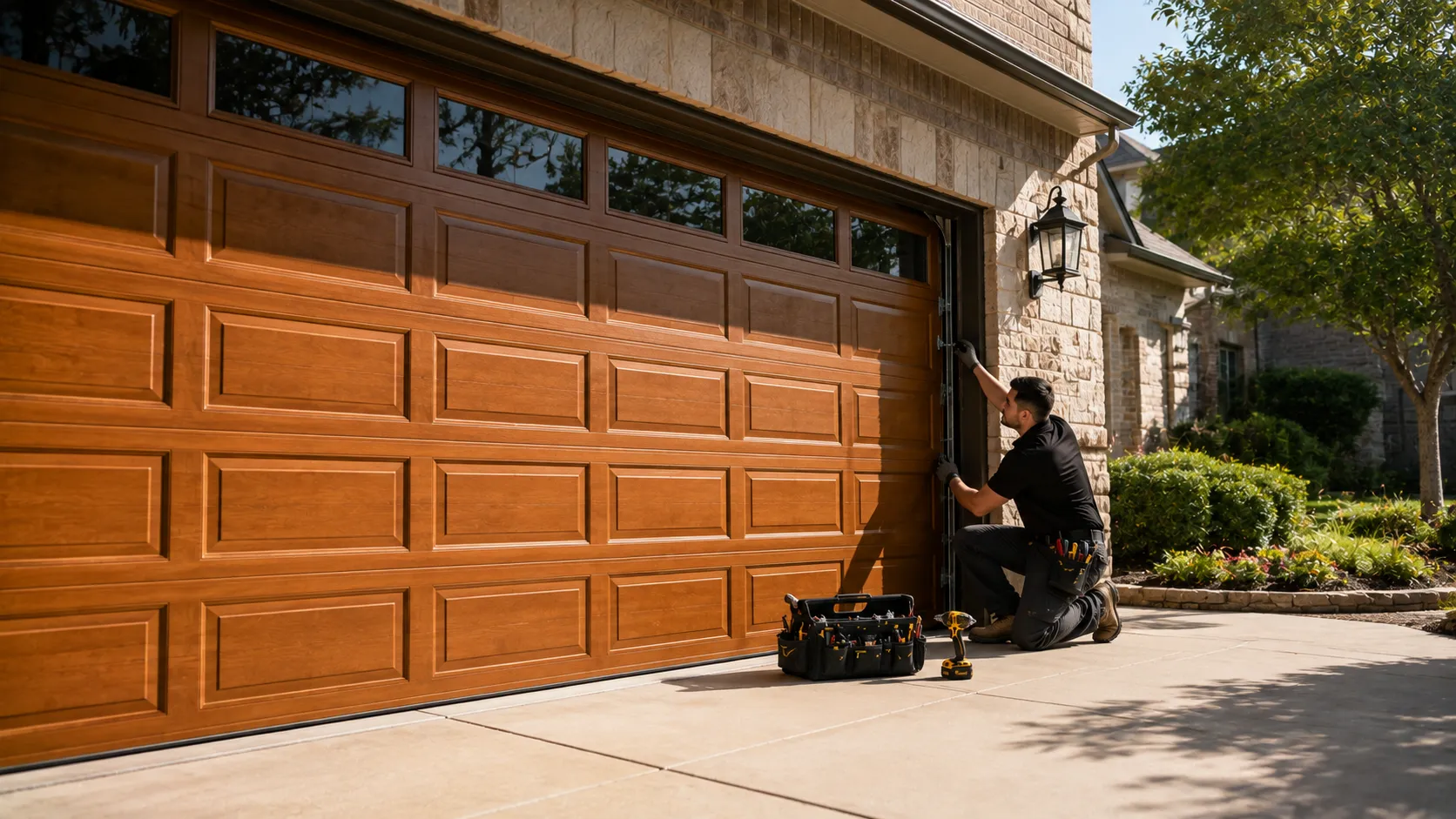
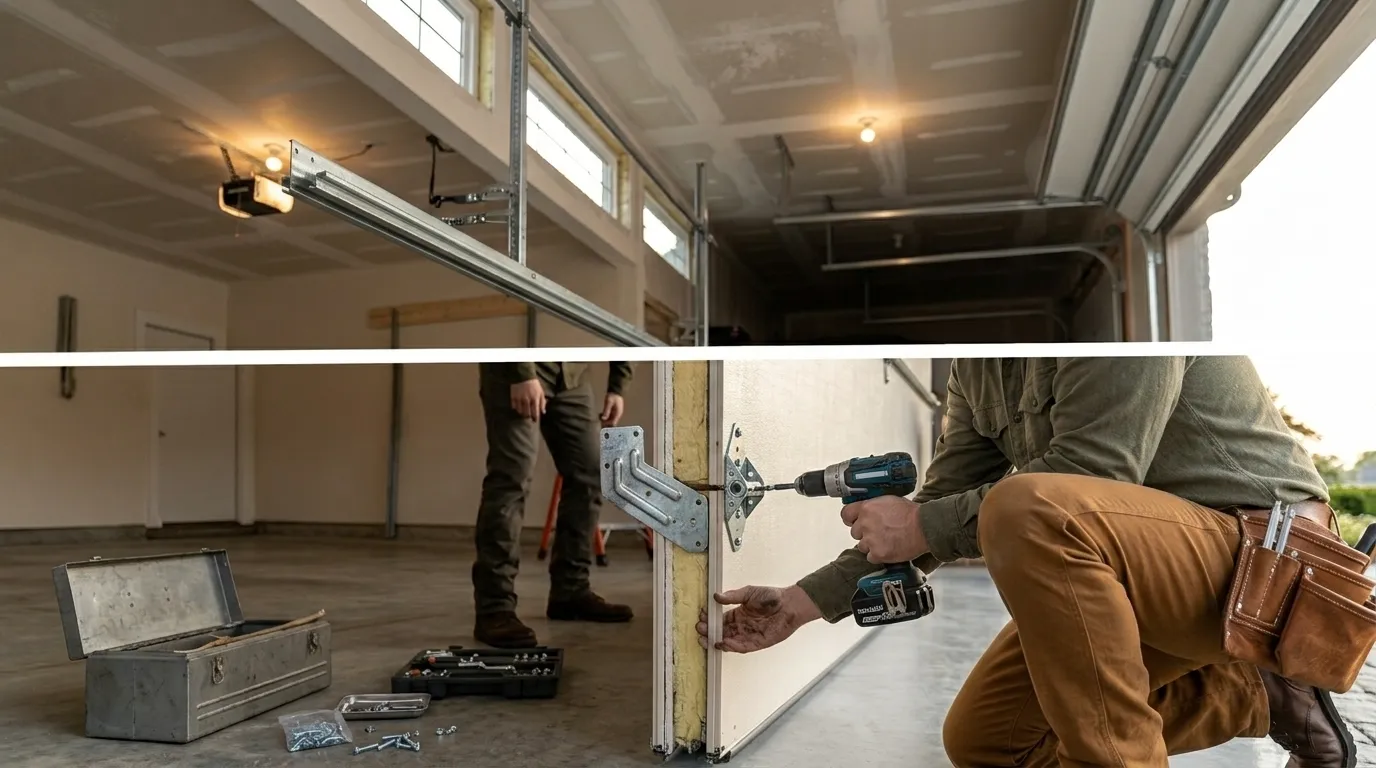
We don't post a number here because a door price depends on size, insulation, and whether the opener and track come out with it - none of which we'll guess at over the internet. What we can tell you is what actually moves the price on a 1990s-built Galt house: whether you're replacing a standard steel door with another standard steel door (cheapest and fastest), or stepping up to an insulated panel, which is worth considering given the region's moderate heat load on an attached garage that shares a wall with living space.
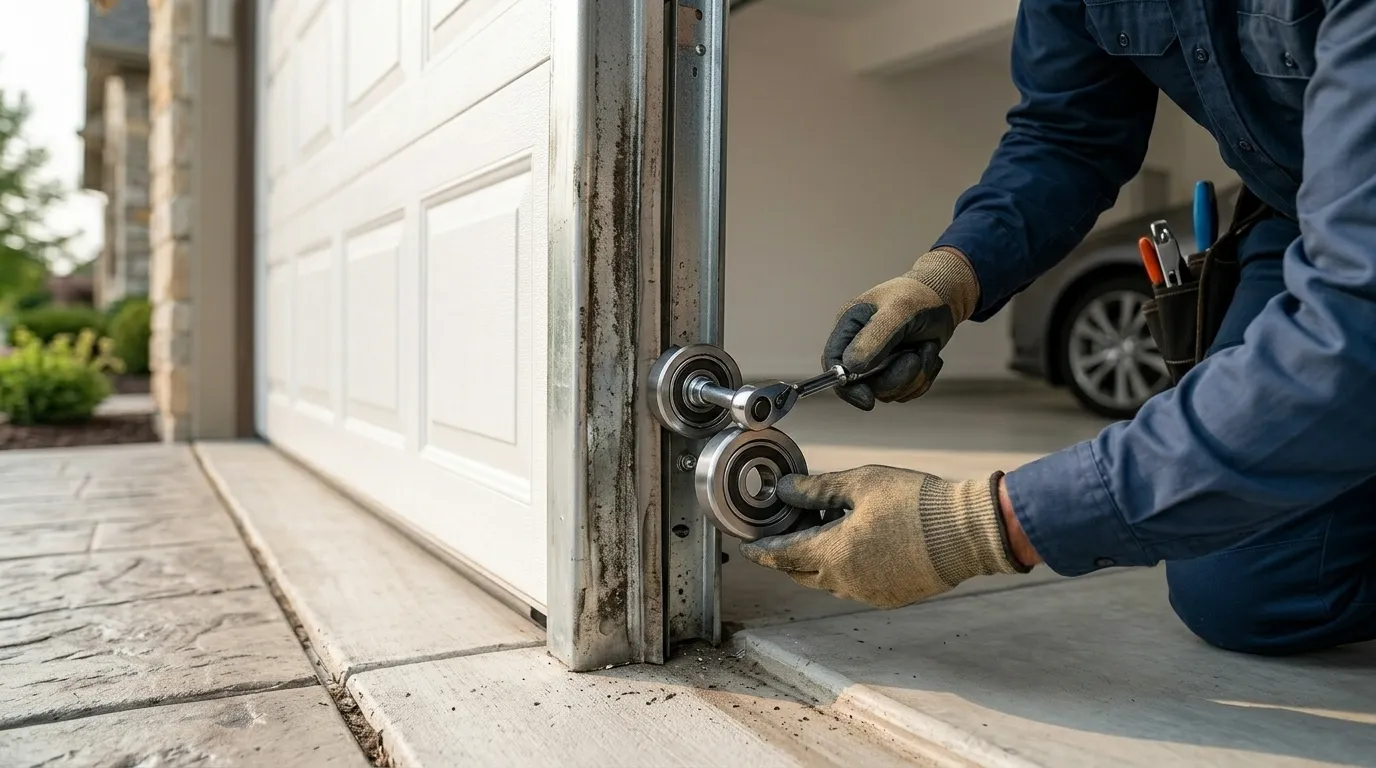
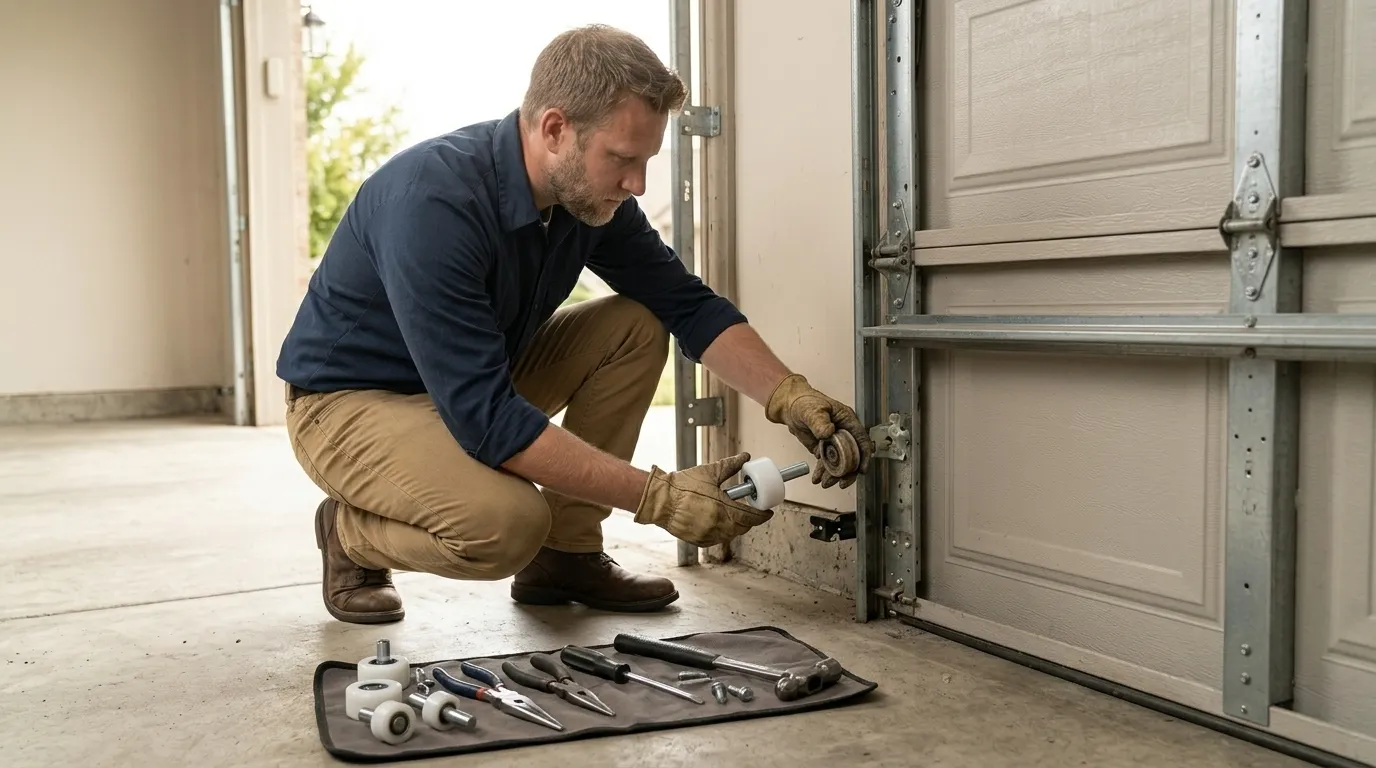
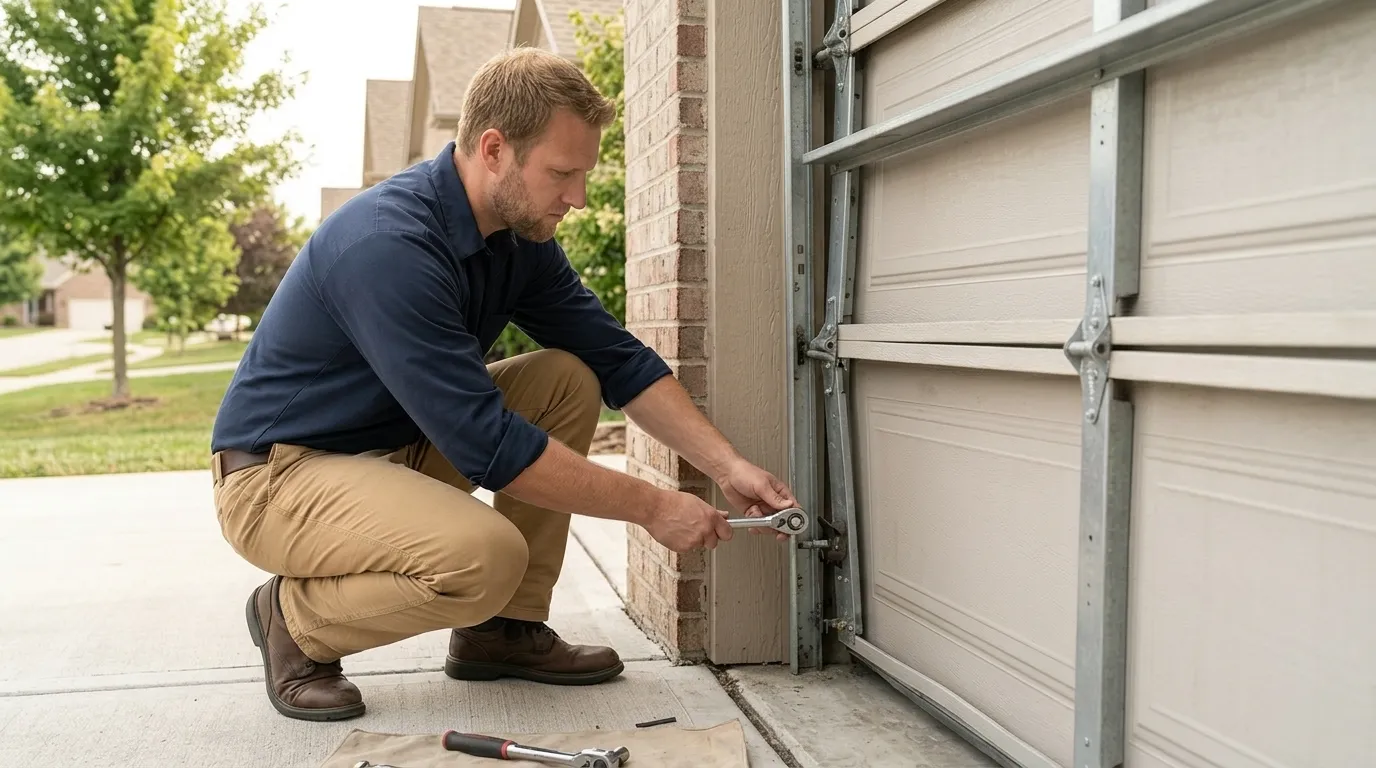
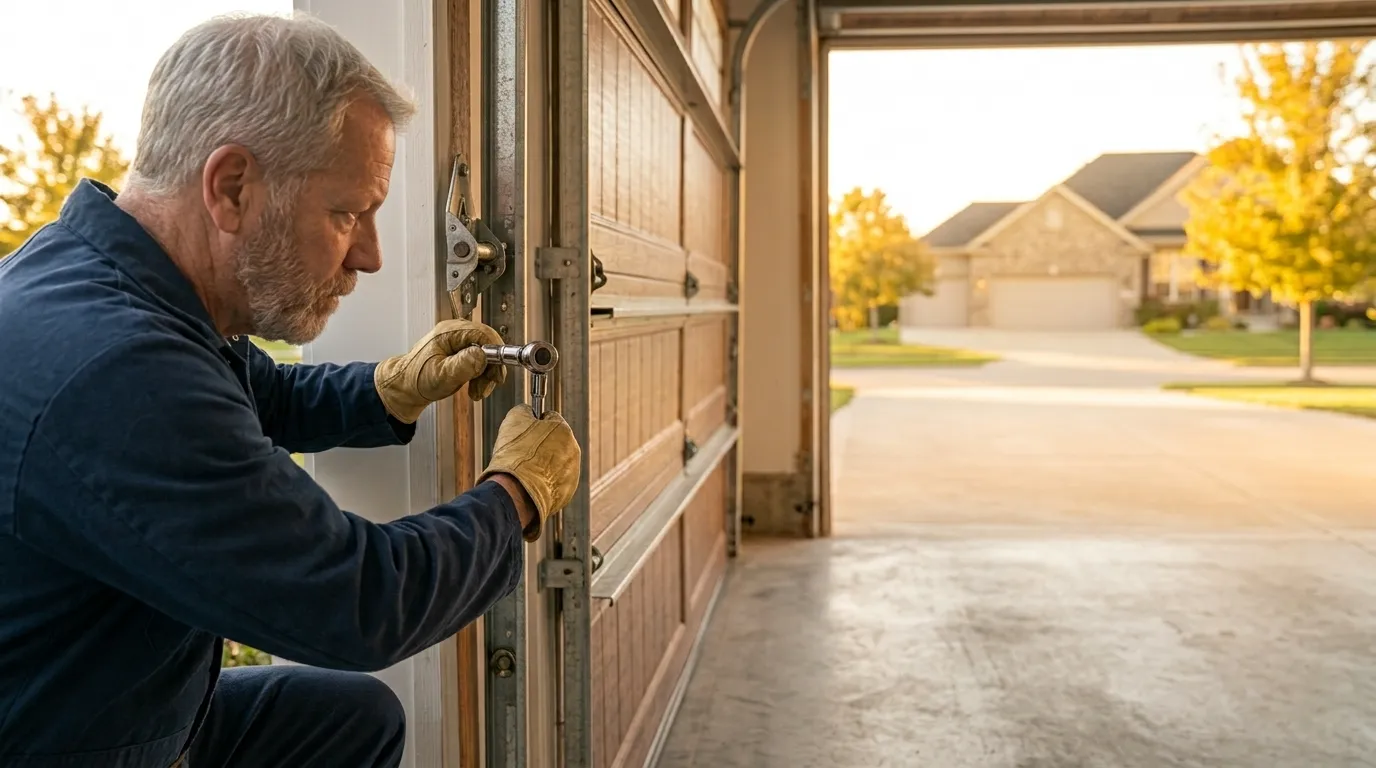
One honest note: if your existing opener and track are also original to the house, we'll usually recommend replacing them at the same time rather than forcing a new door onto 30-year-old rail and a motor that's already near the end of its service life. Mixing new door weight with old hardware is how you end up calling us back in six months for a problem the door itself didn't cause.
We'll give you a real number once we've seen the opening and the current hardware - not before.
Booking a Visit
We run out of Lodi, about 10 miles from Galt, so there's no local branch - the truck comes to you on a scheduled visit rather than a drop-in. That's worth knowing going in: this isn't a same-hour walk-up service, it's a booked job.
For Galt specifically, the useful next step is our Galt service page, which covers what we do in this area beyond a straight install - repairs, spring swaps, opener work. If you want the broader rundown on how we handle new installations across the whole territory we serve from Lodi, that's on the main installation page.
When you call, have the door's rough age and whether it's a single or double bay ready. Given the 1994 median build year here, most of what we install in Galt is a straight swap on a standard 16-foot or 9-foot opening - not a custom size, which keeps scheduling simpler.
How It Shows Up
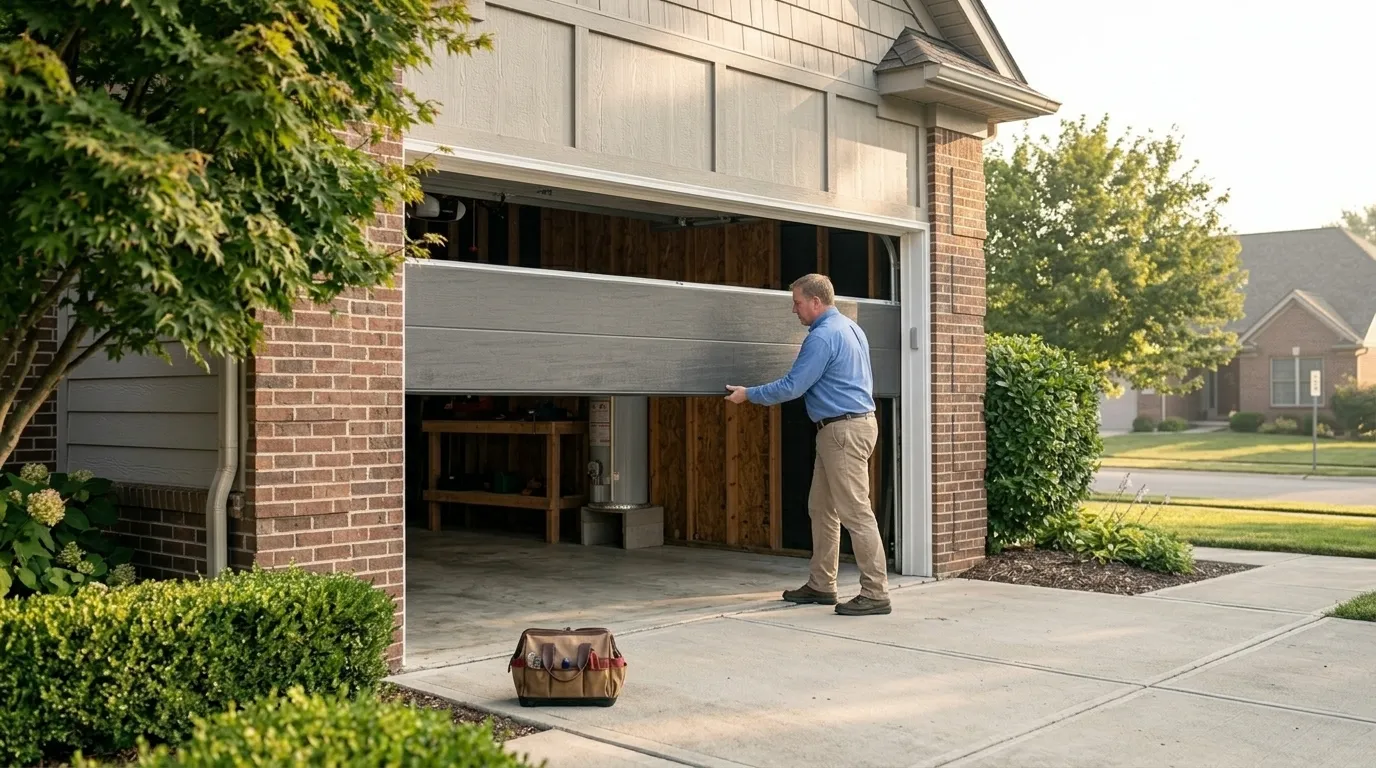
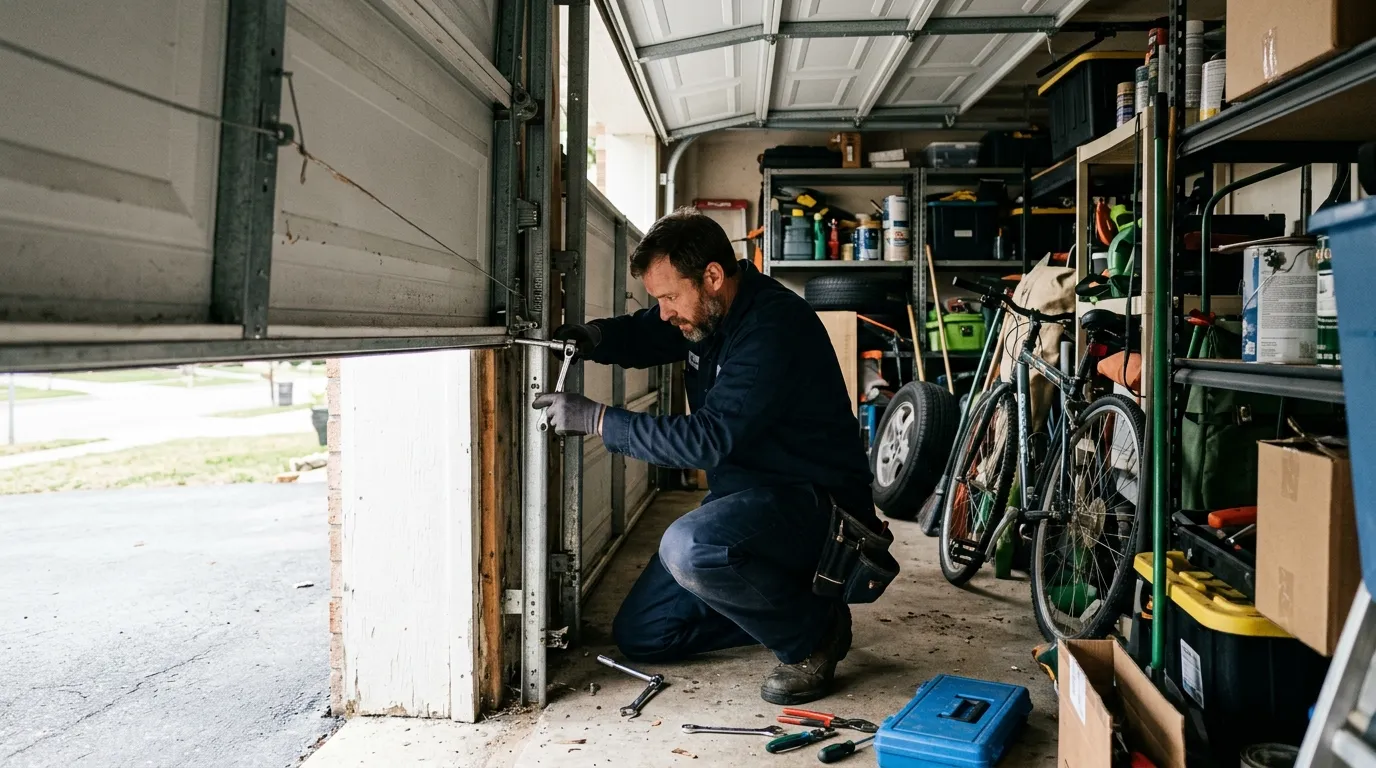
On a house from this era, the tell is usually a door that still looks straight but doesn't behave right: it drifts down on its own when you try to hold it halfway open, the opener strains and clicks before it lifts, or one corner sags a half inch lower than the other when it's fully down. That's spring fatigue, not a broken part you can point to.
Some owners notice it first as a noise - a groan or a bang partway through the cycle, which is often the spring finally giving out rather than the track or opener. Others notice the door reversing itself on the way down, which on a 1990s builder-grade door usually means the safety sensors are catching a panel that's no longer traveling square in the track.
None of that is an emergency call. It's wear that's been building for two decades and finally crossed a threshold. Catching it before the spring fully snaps saves you the version of this job where the door is stuck shut with a car inside.