Garage Door Repair for Country Club's 1950s Housing Stock
Country Club's houses date to around 1956, older than most of the Lodi service area. That means extension springs and chain-drive openers, not torsion hardware.
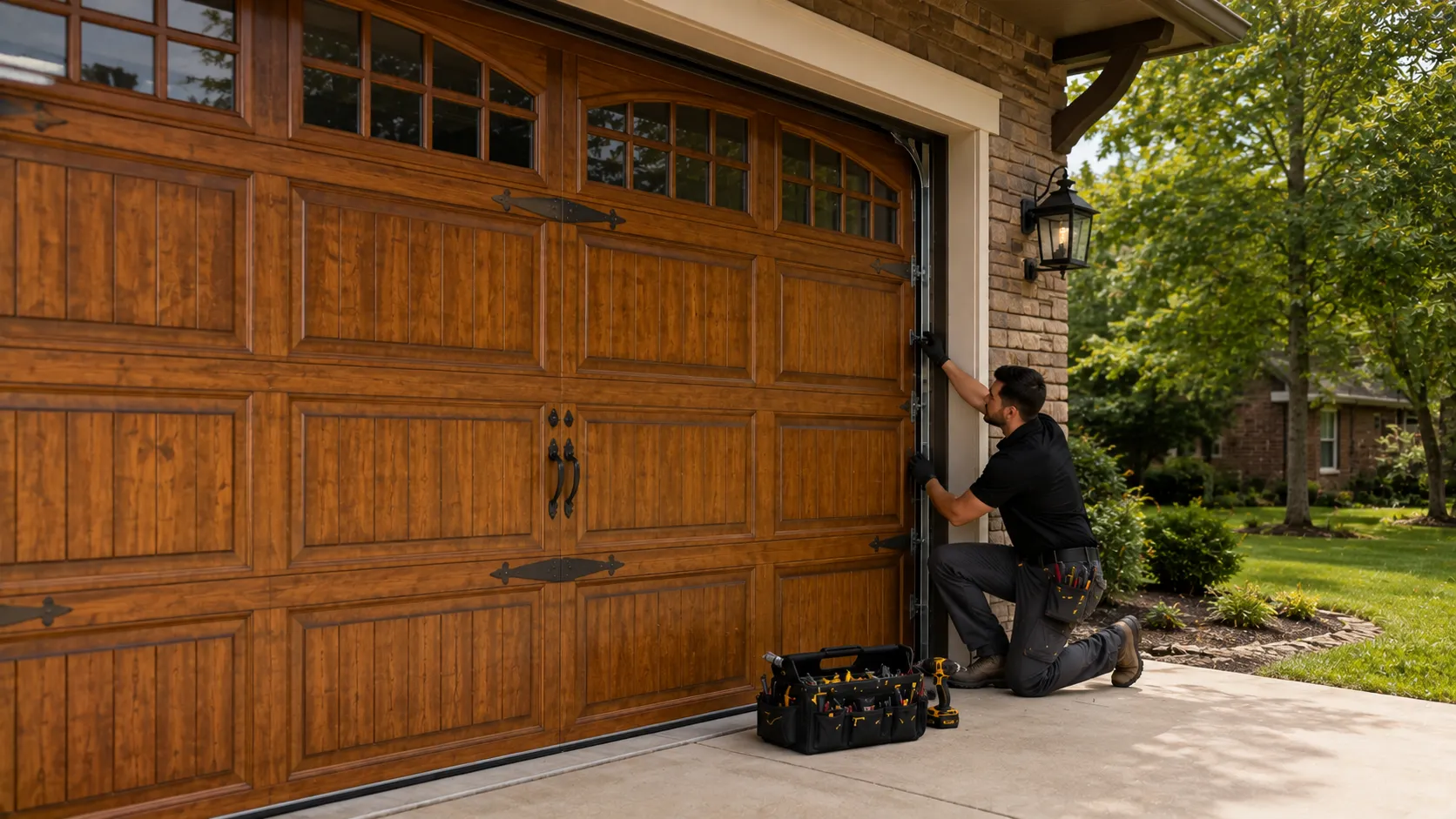
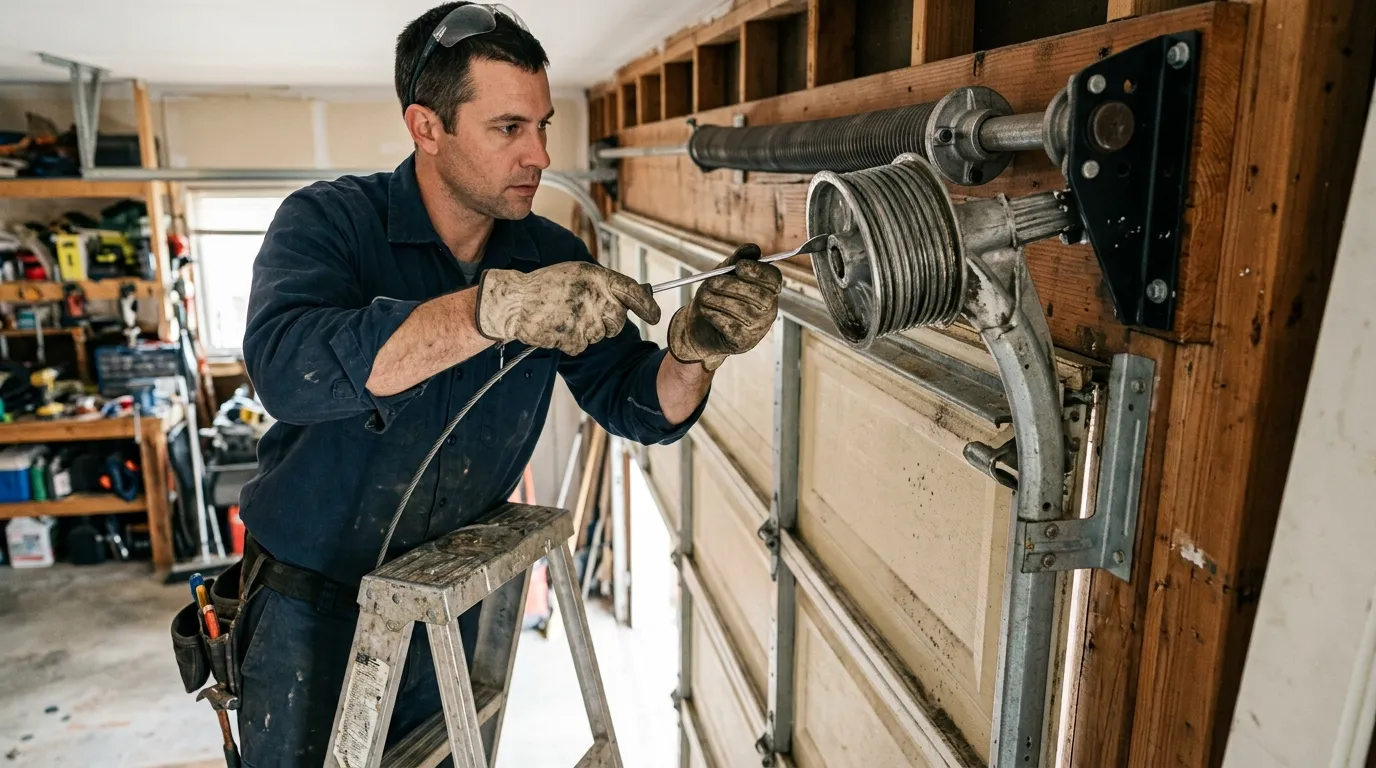
Country Club's houses went up mostly around 1956, which puts this pocket ahead of the rest of the Lodi service area, where the median build year runs closer to 1974. That decade matters on a garage door call. Doors built in the mid-1950s were almost never set up with torsion springs mounted on a shaft over the header - that hardware didn't become standard here until later waves of construction. What you're more likely to find on an original door in this neighborhood is a pair of extension springs stretched along the horizontal track, hooked to a pulley and a stationary cable near the back of each track.
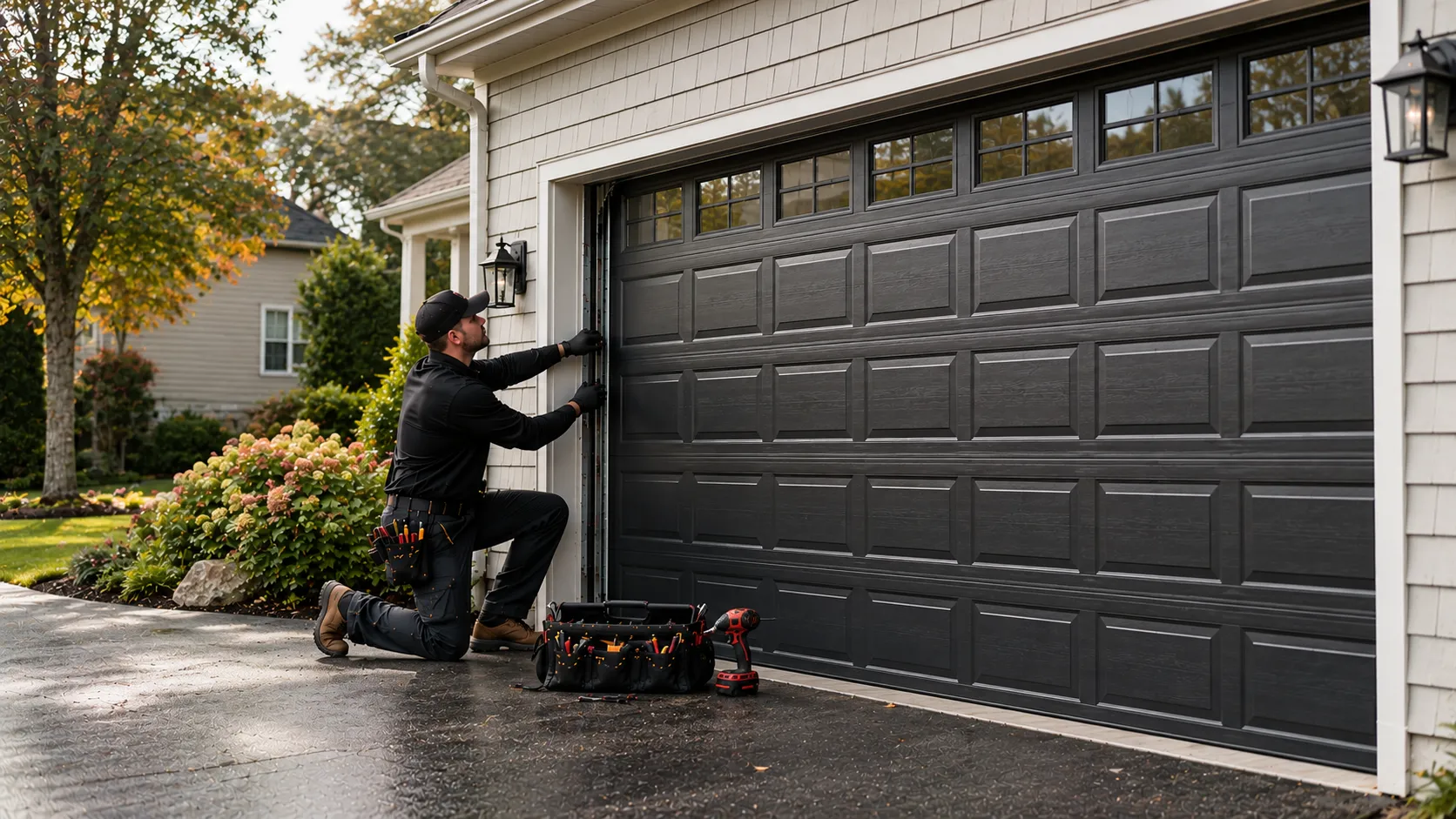
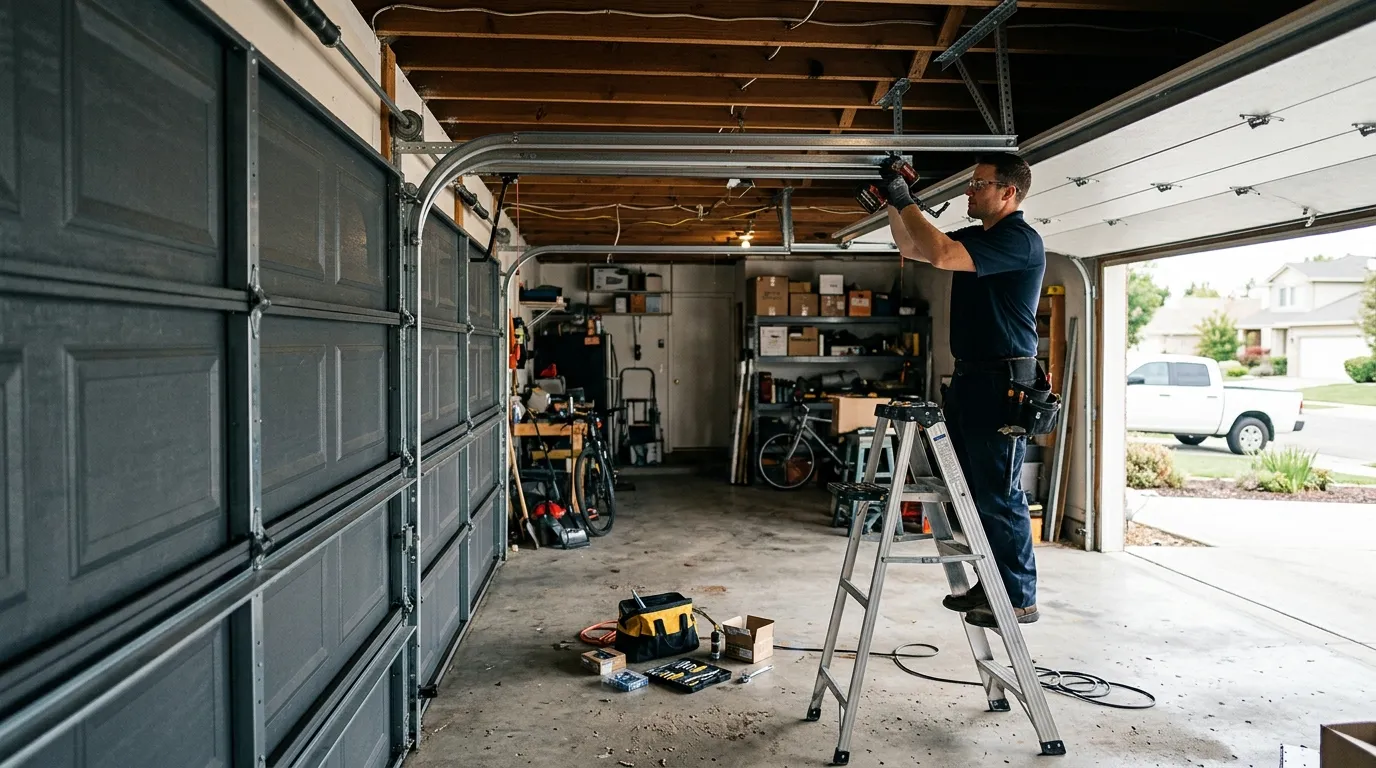
A fix on one of these doors starts with figuring out whether the original extension-spring setup is still in place or whether a past owner converted to torsion at some point - plenty of homes here have had one repair layered on top of another over seventy years. We check the spring type, the track gauge, and whether the opener bracket was ever swapped before we quote anything. Skipping that step on an older door is how a job turns into two trips instead of one.
If the door itself is a later replacement - vinyl-clad steel on a newer track - the fix looks more like what you'd see anywhere else in the service area. The age of the house tells you what to expect, not what you'll definitely find.
What Can Go Wrong
Extension springs stretch and fatigue differently than torsion springs, and on a door installed around 1956 they've usually been replaced at least once already, sometimes with the wrong length or gauge for the door's weight. That mismatch shows up as a door that slams the last foot of travel or one that won't stay put halfway open.
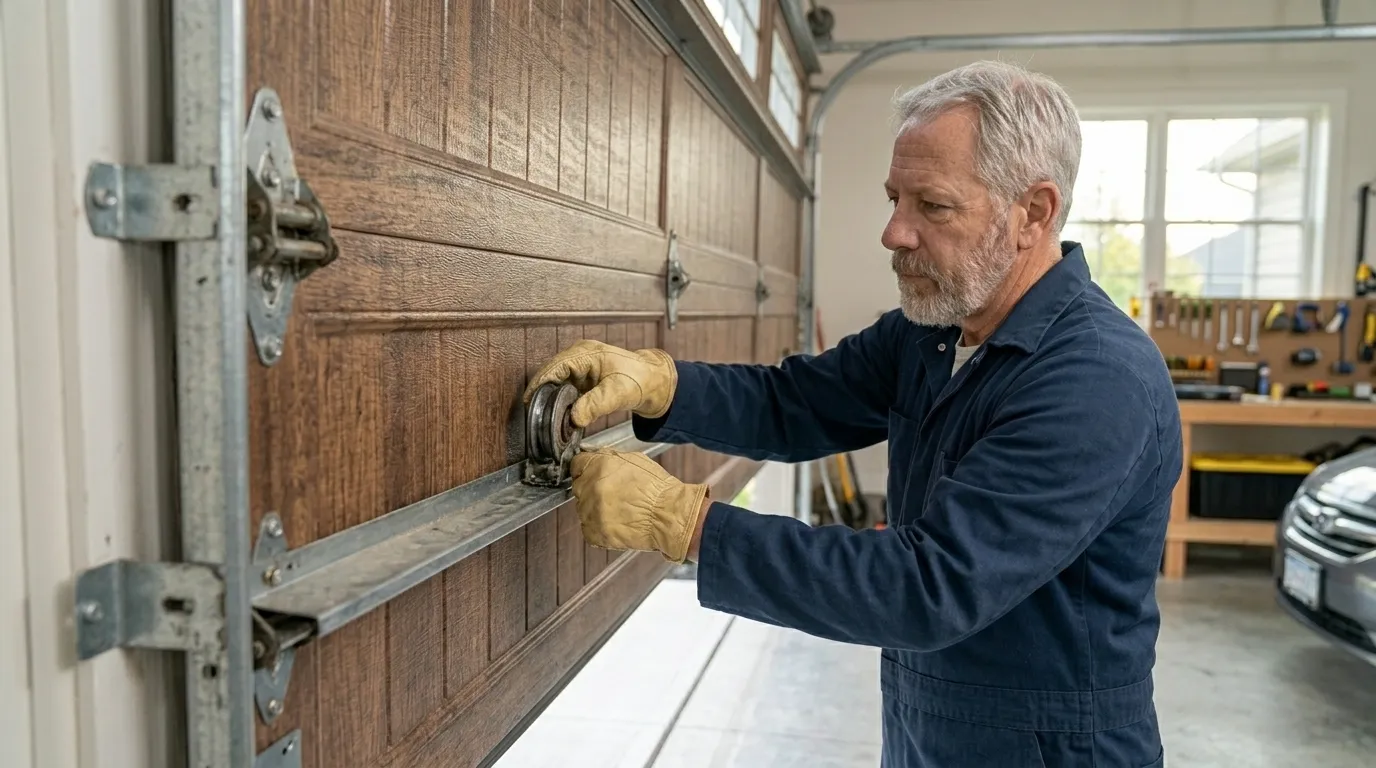
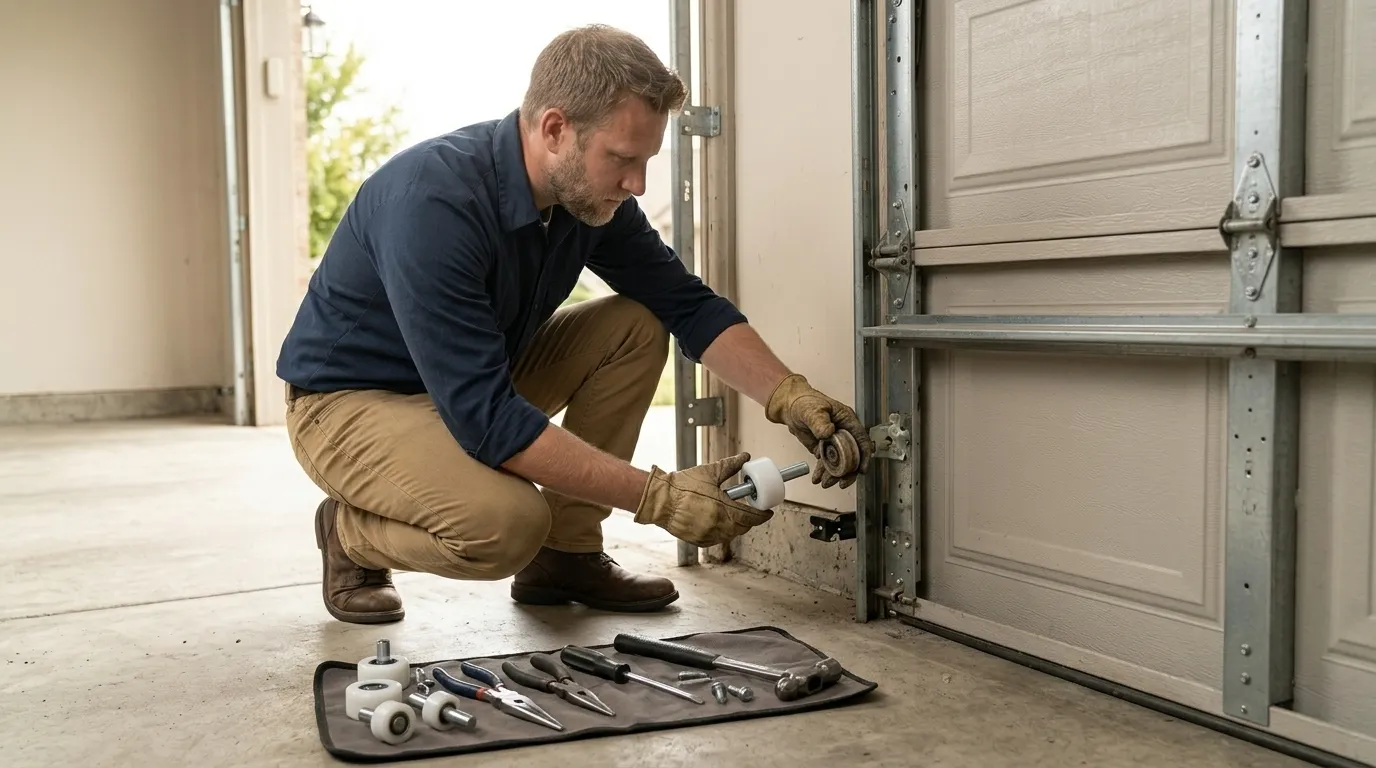
The pulleys and idler wheels on these older tracks are often the original stamped-steel or early plastic parts. Plastic idlers from that era get brittle and crack, especially after decades of summer heat - this area sits in a moderate-heat climate band, and repeated warm-season expansion and contraction is exactly what ages small plastic components faster than the door itself.
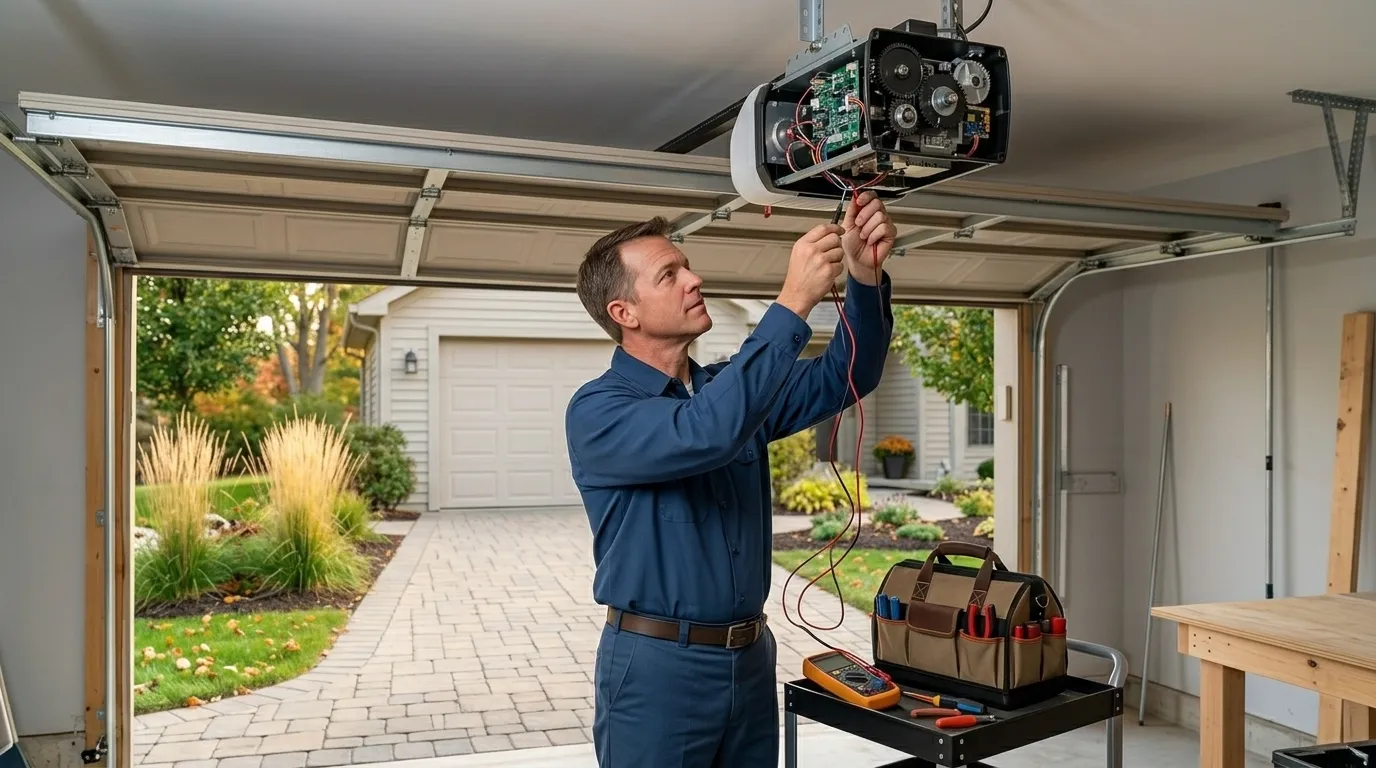
Openers are the other weak point. A house built in 1956 didn't come with an opener at all - those got added later, and a lot of the units still running in this neighborhood are older chain-drive models installed well before belt-drive became common. Worn chain sprockets and stretched chains are a routine call here.
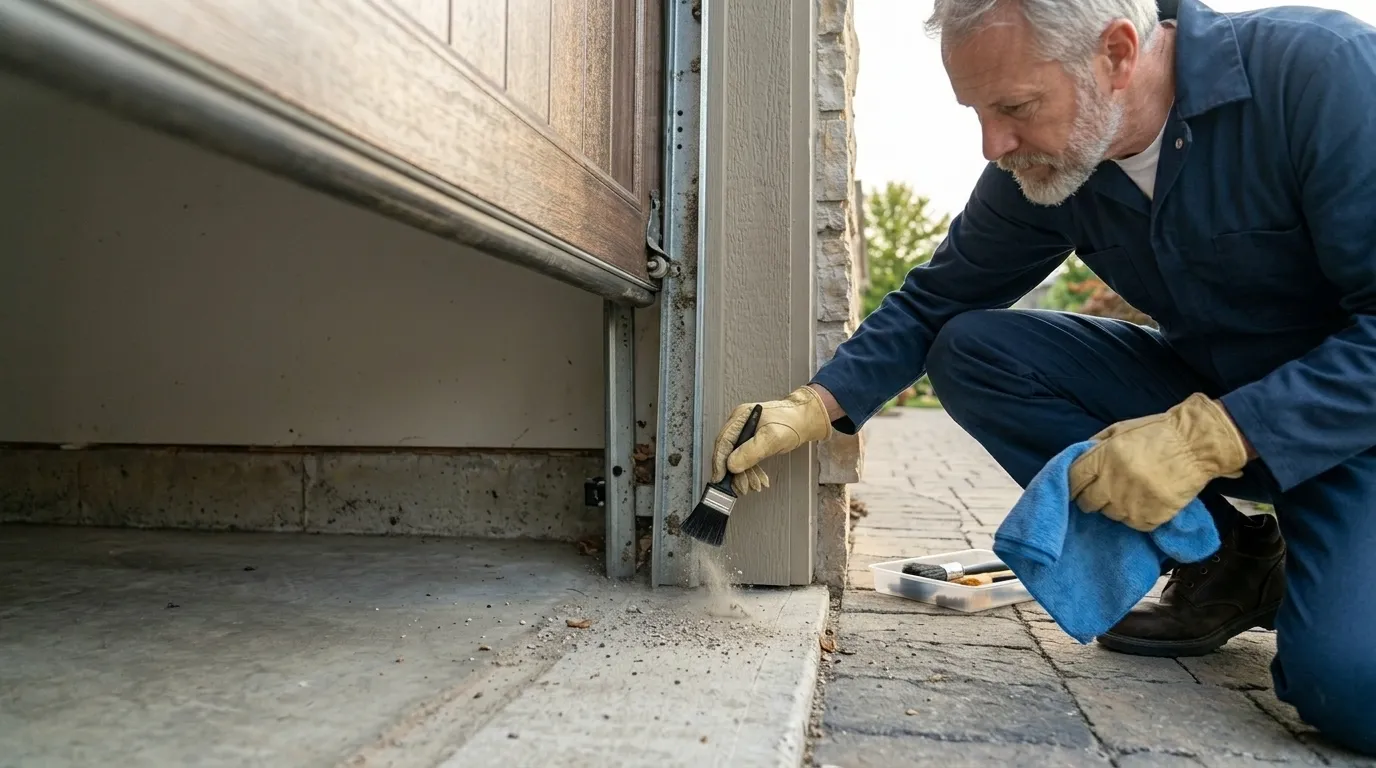
Rust is a factor on any track or hinge that's gone unpainted for decades, particularly where an extension spring's cable rubs against a bracket. None of this is dramatic. It's just what seventy-year-old steel and rubber do.
What Is on the Truck
For a neighborhood like this, the truck carries extension springs in a range of lengths and wire gauges, replacement pulleys and cable, and both chain-drive and belt-drive opener parts, since we don't know which generation of opener is on the door until we're standing in front of it. We also carry standard torsion springs and drums for the houses where a prior owner already converted.
Here's the honest limit: some of the original panel styles and hardware brackets from doors this old simply aren't made anymore. If a single panel is dented or a bracket is a discontinued profile, we can't always match it exactly, and the more practical fix is often a full panel swap or, on a door that's failing in multiple places at once, a full replacement rather than chasing parts that no longer exist. We'll tell you which situation you're in before any work starts, not after.
What It Costs
We don't have a fixed price list to quote here, and giving you a number without seeing the door and its hardware wouldn't be honest. What we can tell you is what drives the cost on a house like this: whether the door still runs on the original extension-spring setup or a later torsion conversion, whether the opener is a worn chain-drive unit or something newer, and whether any panel needs matching to hardware that isn't produced anymore.
Country Club's median household income runs lower than the wider Lodi service area's, and that's part of why we default to repairing what's fixable - new springs, a new pulley, a rebuilt opener - rather than pushing a full door replacement when the original hardware still has life in it. A straight spring or cable job on an extension-spring door is usually a smaller job than replacing an opener that's failed outright. We'll walk you through what we find on the door before we talk numbers, not after.
How it works
From “it’s stuck” to “it’s fixed”
1
Tell us what’s wrong
Describe the symptom - won’t open, loud bang, opener runs but the door won’t move.
2
On-site diagnosis
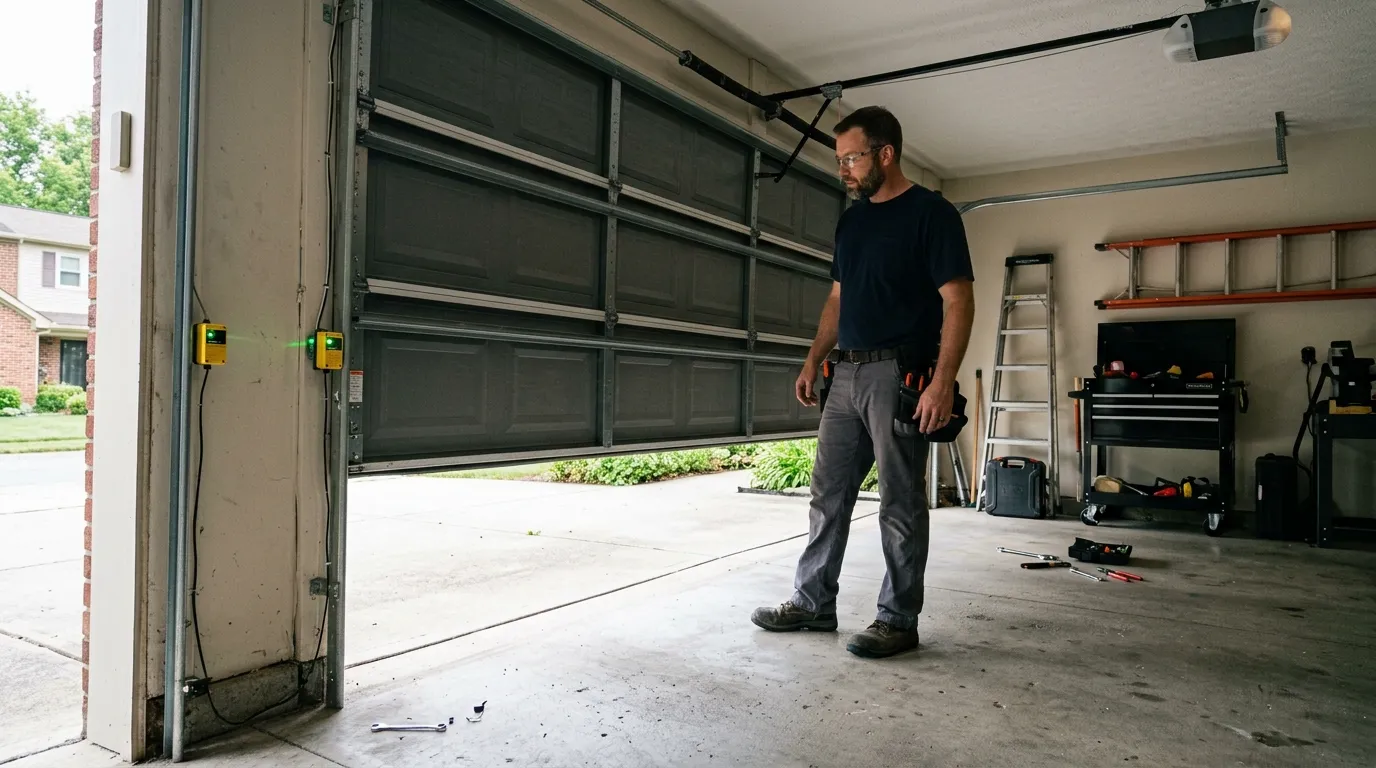
A technician tests the door under power and by hand and finds what actually failed.
3
Clear, up-front plan
You get the fix that’s needed and what drives the cost - before any work starts.
4
Repaired & tested
The repair is done, the door is set true and tested, and the work area left clean.
Next step
Serving Lodi, CA - tell us what your door’s doing and we’ll take it from there.
Does my door in Country Club still have the original springs?
It's possible. Houses here mostly date to around 1956, and original doors from that era usually ran on extension springs along the horizontal track rather than a torsion spring over the header. Plenty of these have been converted or replaced since, so we check the actual hardware on site rather than assuming based on the house's age.
Why does my opener sound like grinding metal?
On a lot of the older houses in this neighborhood, the opener isn't original to the house - it was added later, and many of the units still in service are chain-drive models. Worn sprockets and a stretched chain are common on units of that age and usually cause a grinding or rattling sound before they fail outright.
Can you match the panel on my old door exactly?
Sometimes not. Some panel styles and brackets from doors built in the 1950s and 60s are no longer manufactured. When that's the case, we'll tell you upfront and talk through whether a partial replacement or a full door swap makes more sense, rather than promising a match we can't deliver.
Do you have a branch in Country Club?
No. We're based in Lodi and run trucks out to Country Club, about 11 miles away, stocked for the hardware common in this neighborhood's housing stock.
Ready to get your garage door sorted?
Tell us what it’s doing and where you are in Lodi - we’ll take it from there.