Can You Do This Yourself
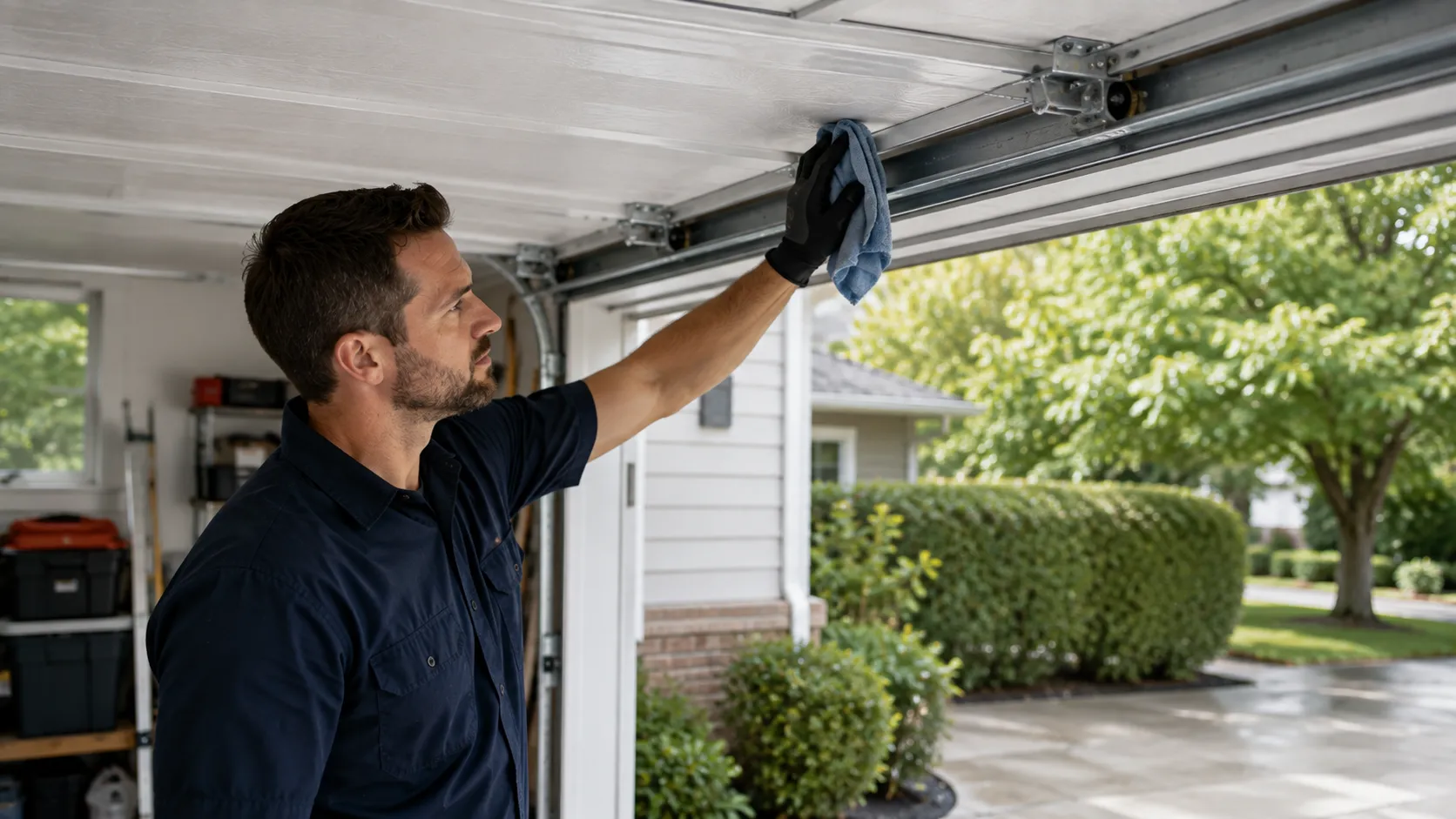
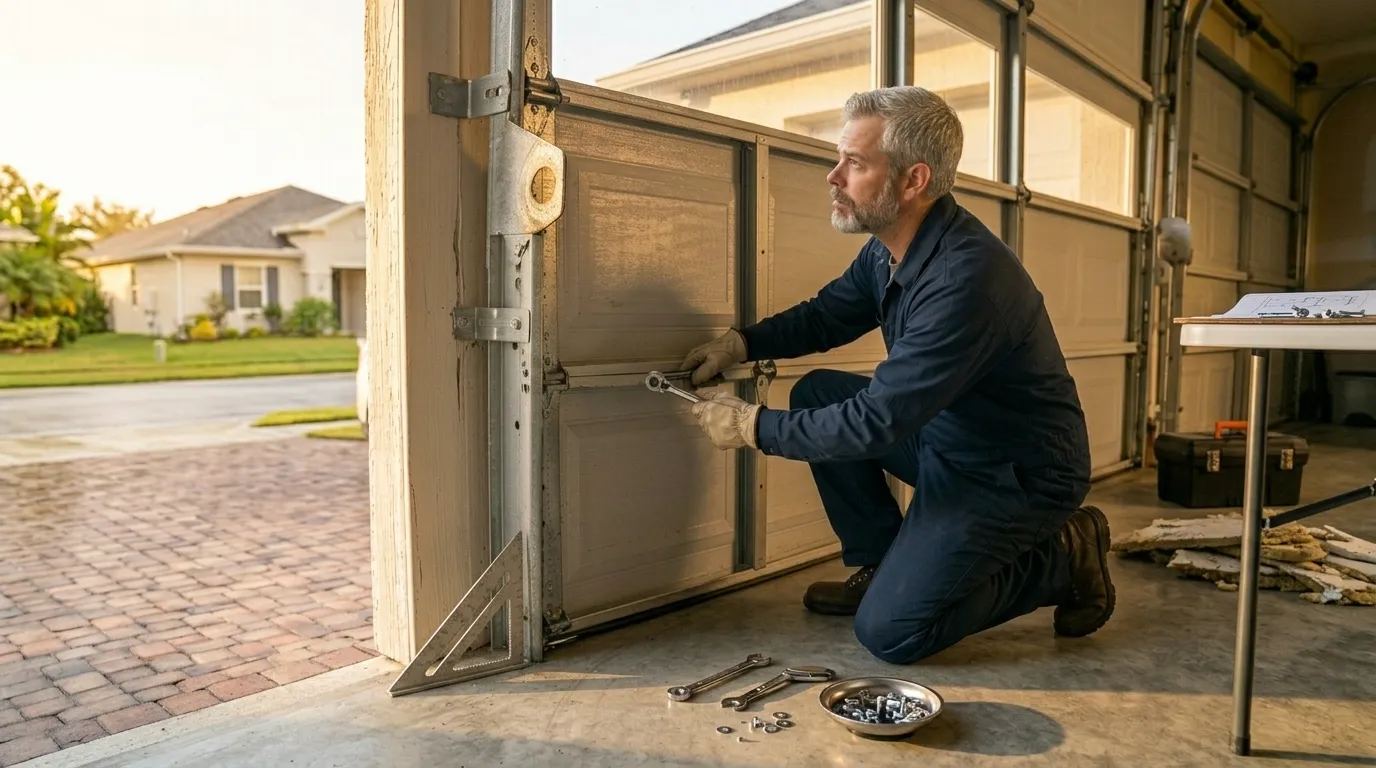
Some of this you can check before calling anyone. Pull the manual release cord and see if the door moves smoothly by hand - if it's heavy or binds, that's a spring or track problem, not the opener, and no amount of opener work will fix it. Check that the two photo-eye sensors near the floor are aligned and their lenses are clean; a knocked sensor is the single most common reason a door reverses or won't close, and it costs nothing to fix yourself. Swap the remote battery while you're at it.
Past that, we'll say it plainly: if the motor hums but doesn't turn, or the board's relay clicks without engaging the drive, that's not a safe DIY repair. Openers carry a spring-loaded assembly and, on older 1980s units, wiring that's gone brittle with age - not something to troubleshoot live. And we won't pretend every job is worth doing. If the opener is the original 1985 install and the motor's gone, replacing the whole unit is usually cheaper than hunting down an obsolete board.
What the Fix Involves
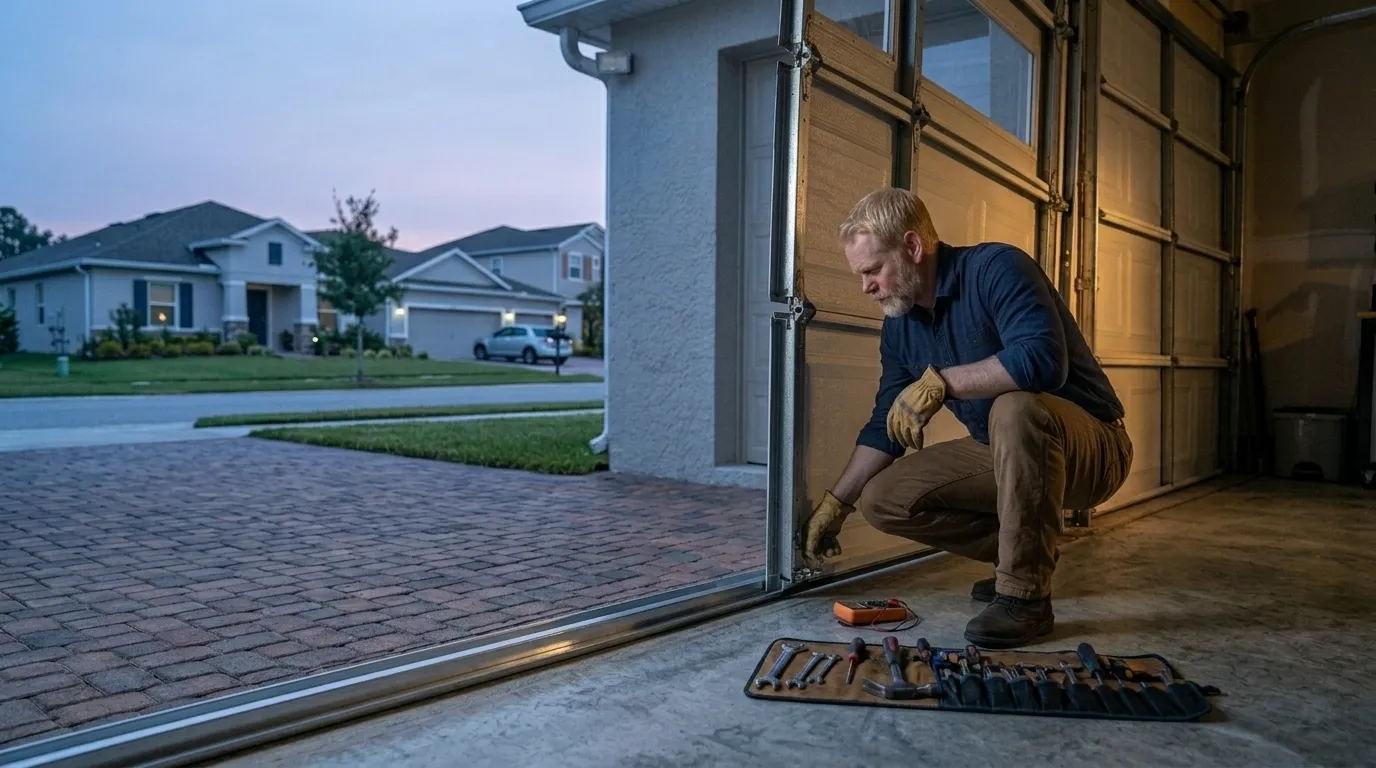
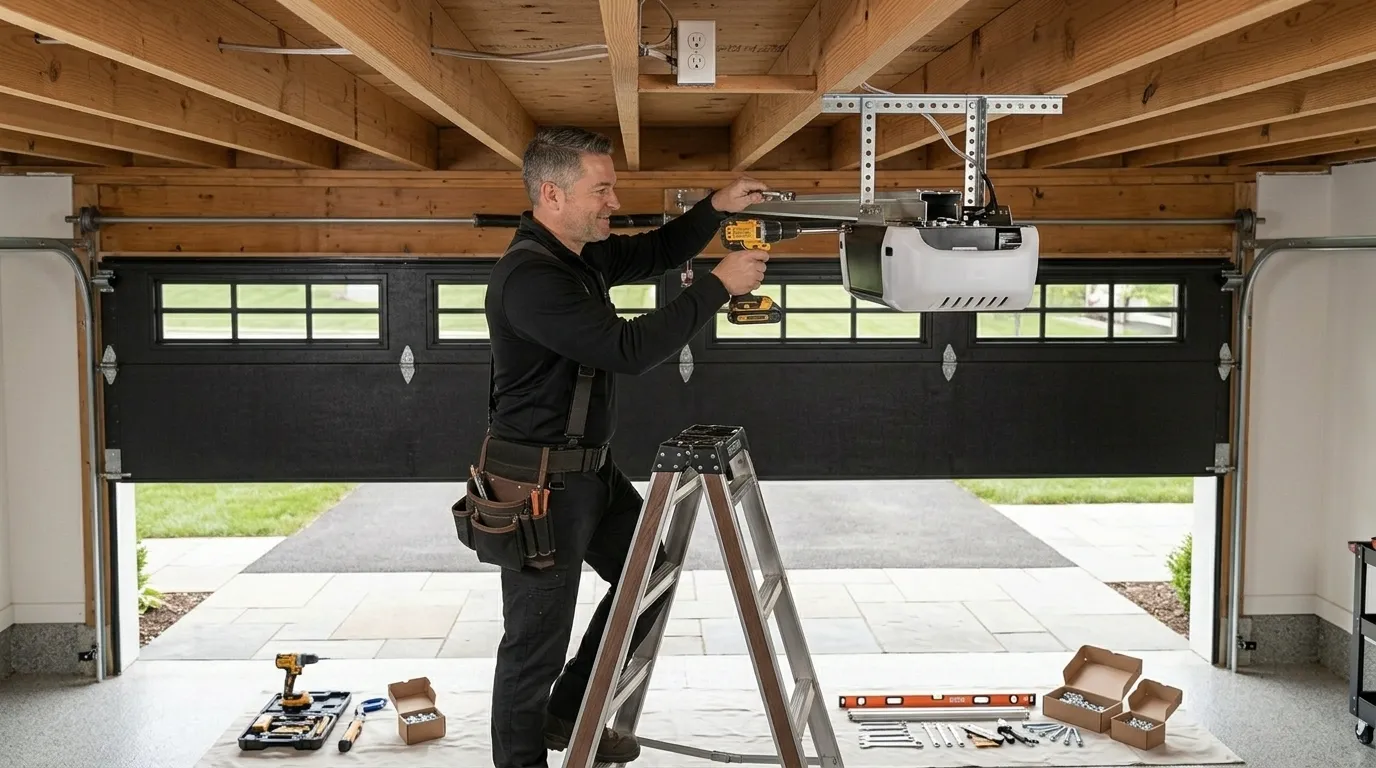
We start with the same checks you can do, then go further: pull the cover, test the capacitor and motor windings, check the drive gear for stripped teeth, and trace the wiring harness back to the wall control. On a chain-drive unit from the 1980s build era common in Woodbridge, the drive gear is almost always plastic, and it's the part that fails first under regular use.
If the logic board itself has failed, we test for a replacement board before recommending a full opener swap - board swaps run cheaper when the mounting rail and drive are still sound. For belt-drive or screw-drive units installed as later upgrades, the fix is usually simpler: sensor realignment, a travel-limit reset, or a burned-out motor capacitor. We won't sell a full replacement when a twenty-dollar part solves it, and we also won't chase a board repair on a unit where the drum, springs, or track are already worn out underneath it - at that point the opener isn't the real problem.
Booking a Visit
Woodbridge sits about 4 miles from our shop in Lodi, so getting a truck out to look at your opener isn't a long haul. Call and describe what the door's doing - whether it moves and reverses, hums and doesn't lift, or does nothing at all - and we'll bring the parts likely to match before we even see the garage.
For the full range of door work we do around Woodbridge, see garage door service in Woodbridge. If you're comparing this against opener repair closer to the Lodi side of the service area, that page is here.
What Can Go Wrong
The obvious failure - a dead motor or a stripped gear - is rarely the whole story. On the 1980s-era openers still running in a lot of Woodbridge garages, the wiring insulation gets brittle and shorts against the housing, which can trip the whole circuit and look like a dead unit when it's really a five-dollar wire nut fix.
Logic boards fail in ways that mimic remote problems - the wall button works but the remote doesn't, or the other way around - and chasing the wrong part first wastes a trip. A stripped nylon gear inside an older chain-drive box can also jam the chain hard enough to yank the emergency release loose, so you end up re-seating the release mechanism as well as fixing the opener. None of this takes long once it's diagnosed correctly, but diagnosing it correctly on a forty-year-old unit takes more than swapping the first part that looks worn.