What Is on the Truck
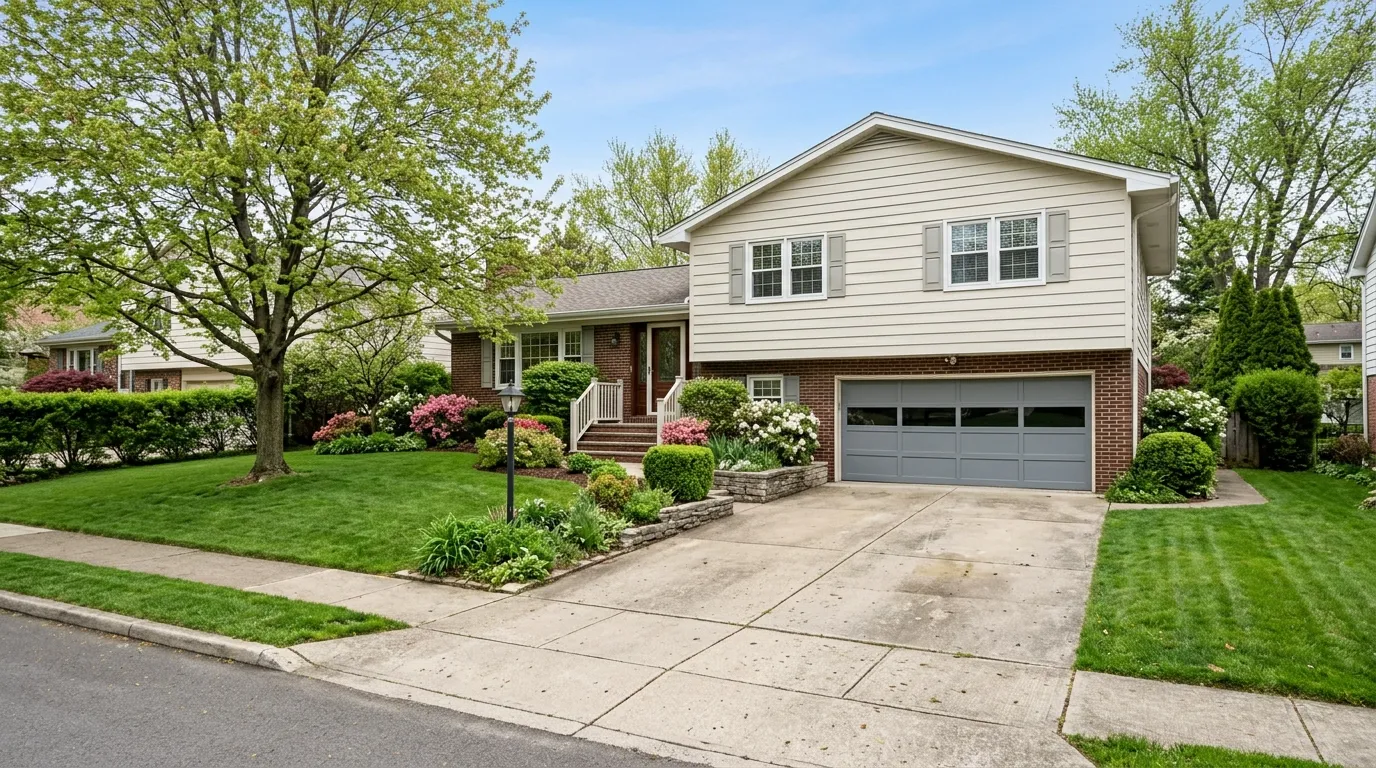
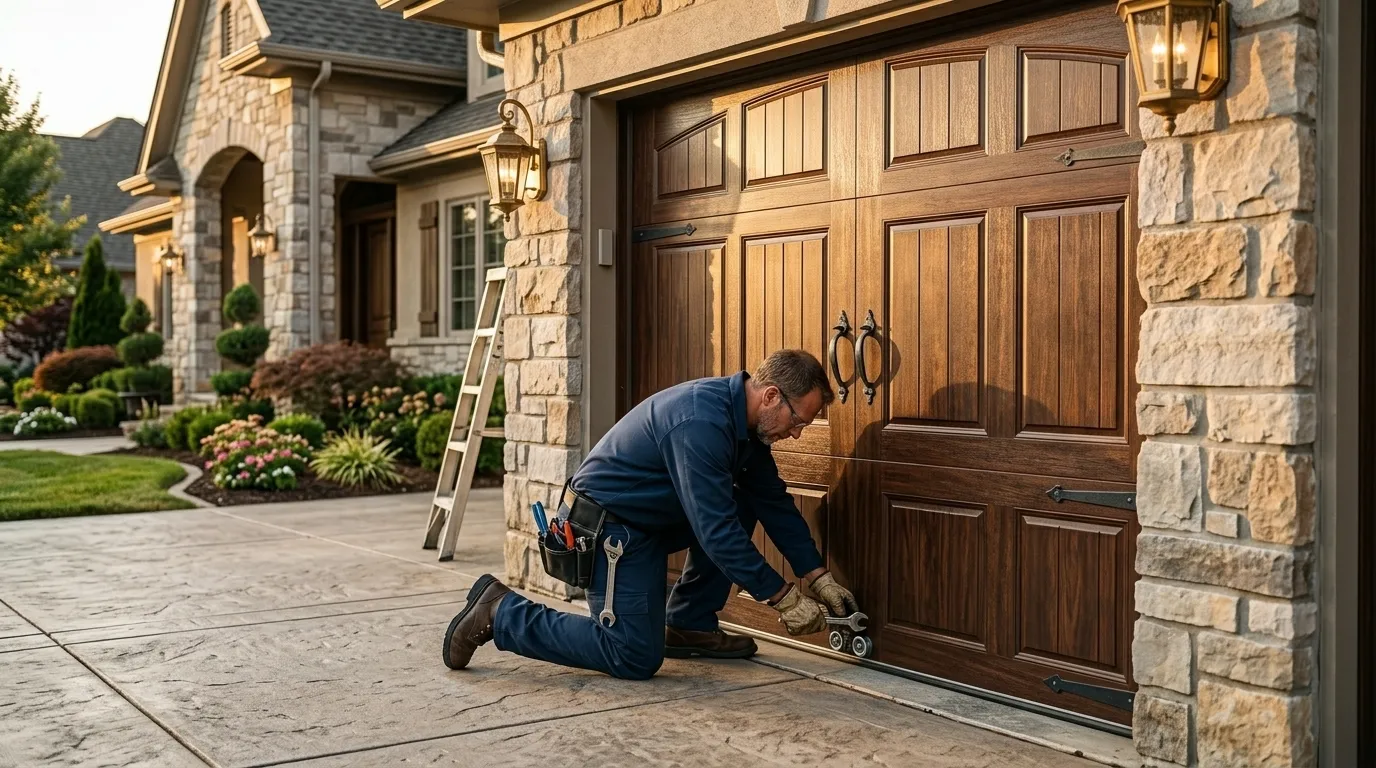
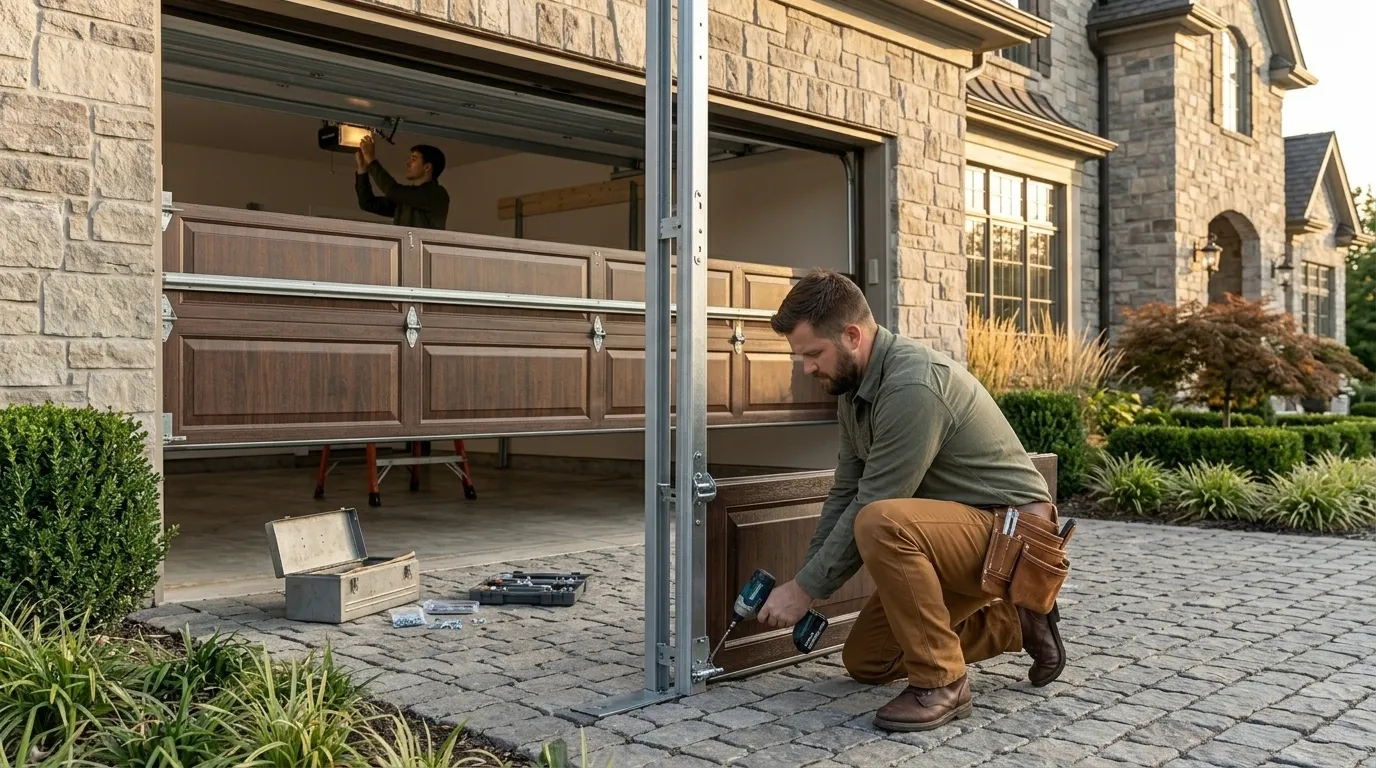
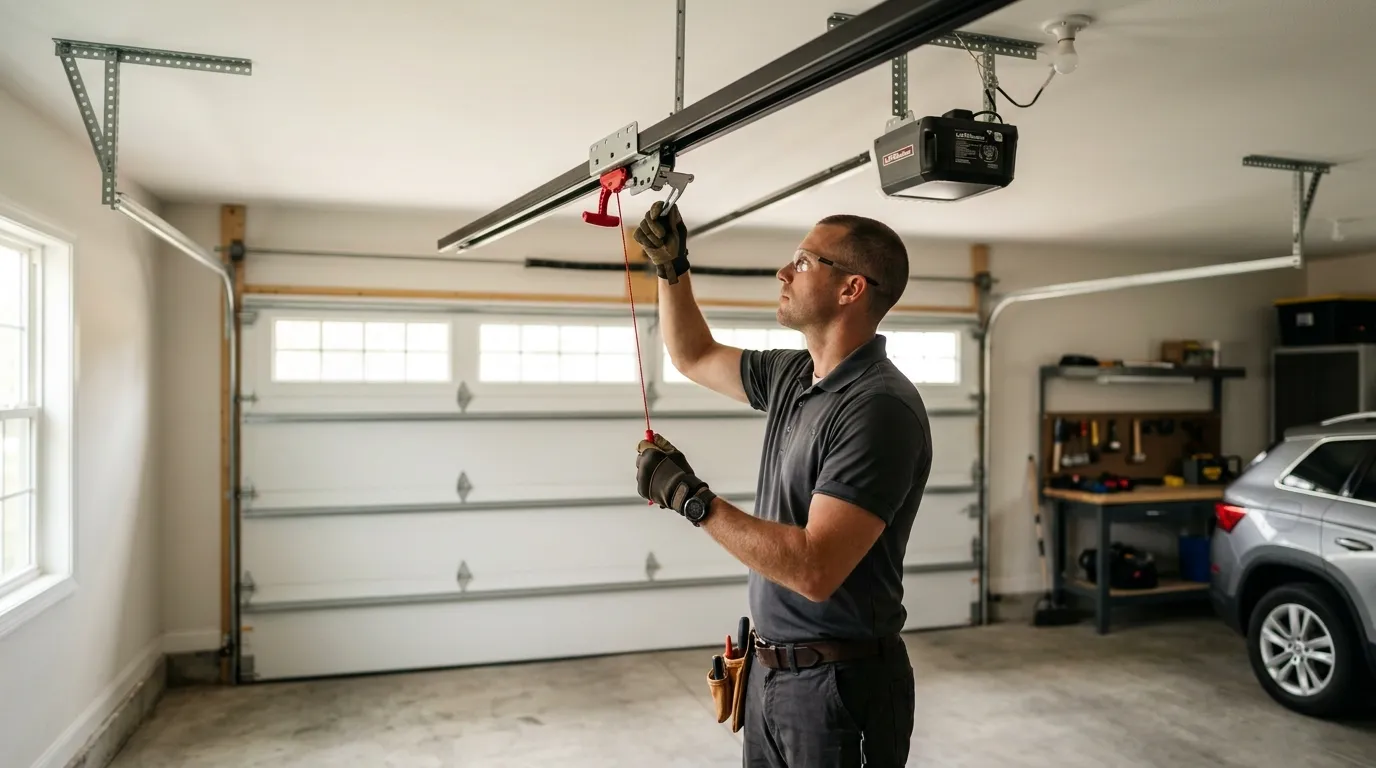
For a town where the housing stock clusters this tightly around one era, we load the truck for the failures that era actually produces, not a generic parts assortment. That means worm gear kits for the chain-drive units common on houses built in the mid-1960s, replacement drive sprockets, and a stock of photo-eye safety sensors, since those units on older openers are the first thing to fail and the easiest to replace without touching the head unit at all.
We also carry logic boards and circuit capacitors for the mid-generation openers that followed the original chain-drives - the ones installed as first replacements sometime in the 1980s or 90s. Moderate regional heat doesn't destroy these boards outright, but it shortens the life of capacitors that sit inside a hot garage all summer, and that's a common reason an opener stops responding to the remote before anything mechanical goes wrong.
What we don't carry on the truck is a match for every obsolete drive-arm bracket from the original run of 1960s installs. If your bracket is proprietary to a brand that stopped making parts decades ago, we'll tell you that on site instead of guessing.
Booking a Visit
We run this call out of Lodi, about 10 miles from Thornton, so there's no local branch to walk into - you book by phone or through the site and we drive out with the truck stocked for what we expect to find. Because Thornton is a small service area with a narrow age band of housing, we can often ask a few questions up front - approximate age of the opener, whether it's chain or belt drive, whether the light blinks when it fails - and arrive with the right parts already loaded instead of making a second trip.
We don't keep a standing schedule for Thornton specifically since call volume here is limited by the town's size, so give us a call and we'll fit the visit in around the Lodi route rather than promising a fixed same-day window.
Can You Do This Yourself
Some of this is within reach for a homeowner with basic tools. Replacing a photo-eye sensor is usually a matter of two screws and reconnecting low-voltage wire, and realigning a sensor that's gotten bumped out of position takes five minutes with no tools at all. If your opener just stopped responding to the remote, check the wall button first - a stuck button is more common than people expect and costs nothing to rule out.
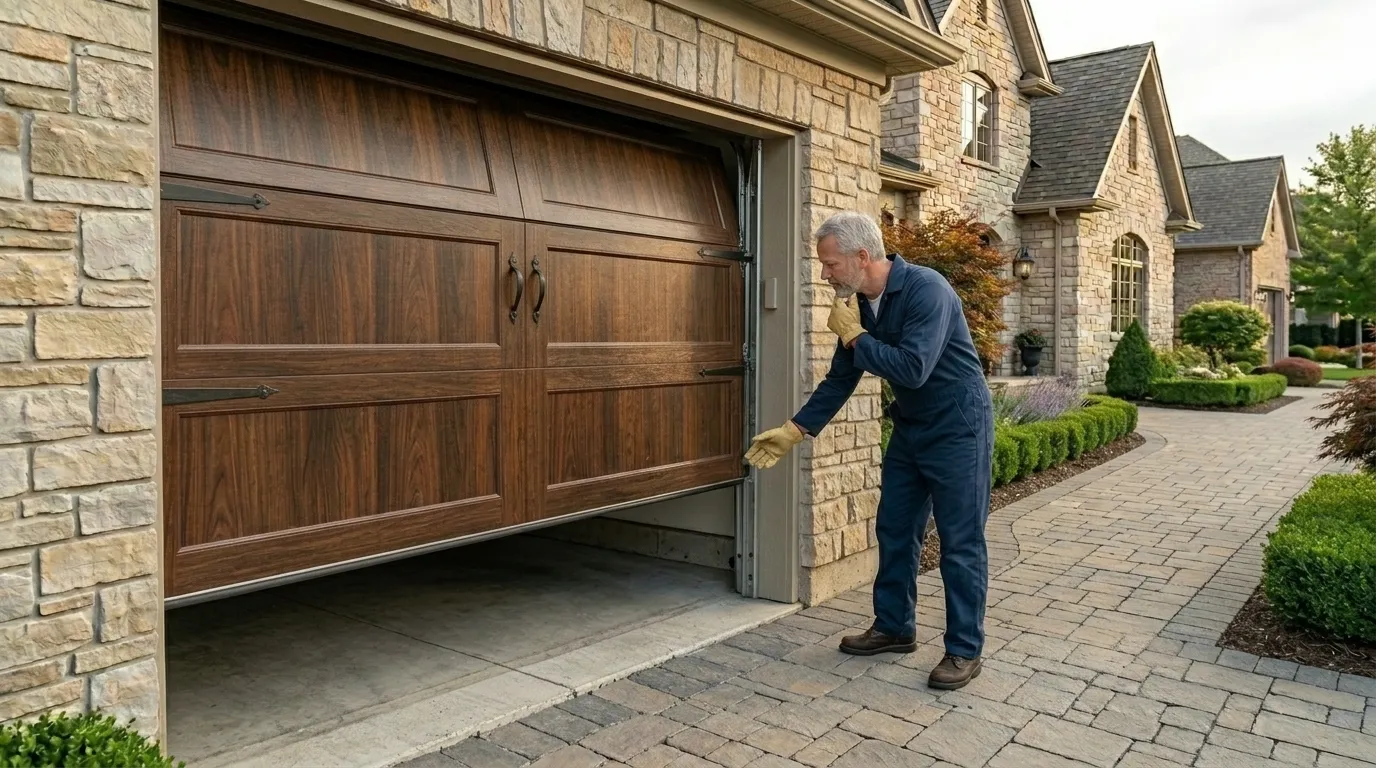
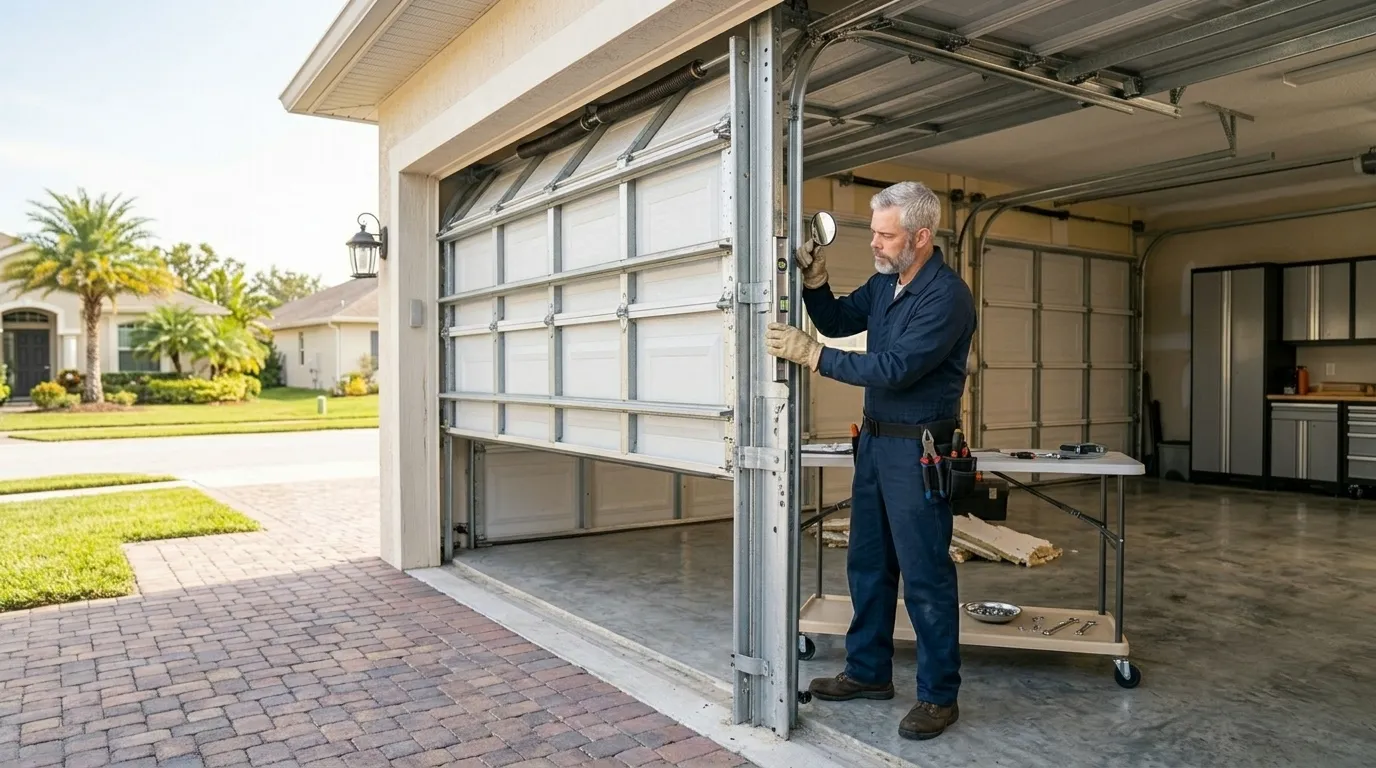
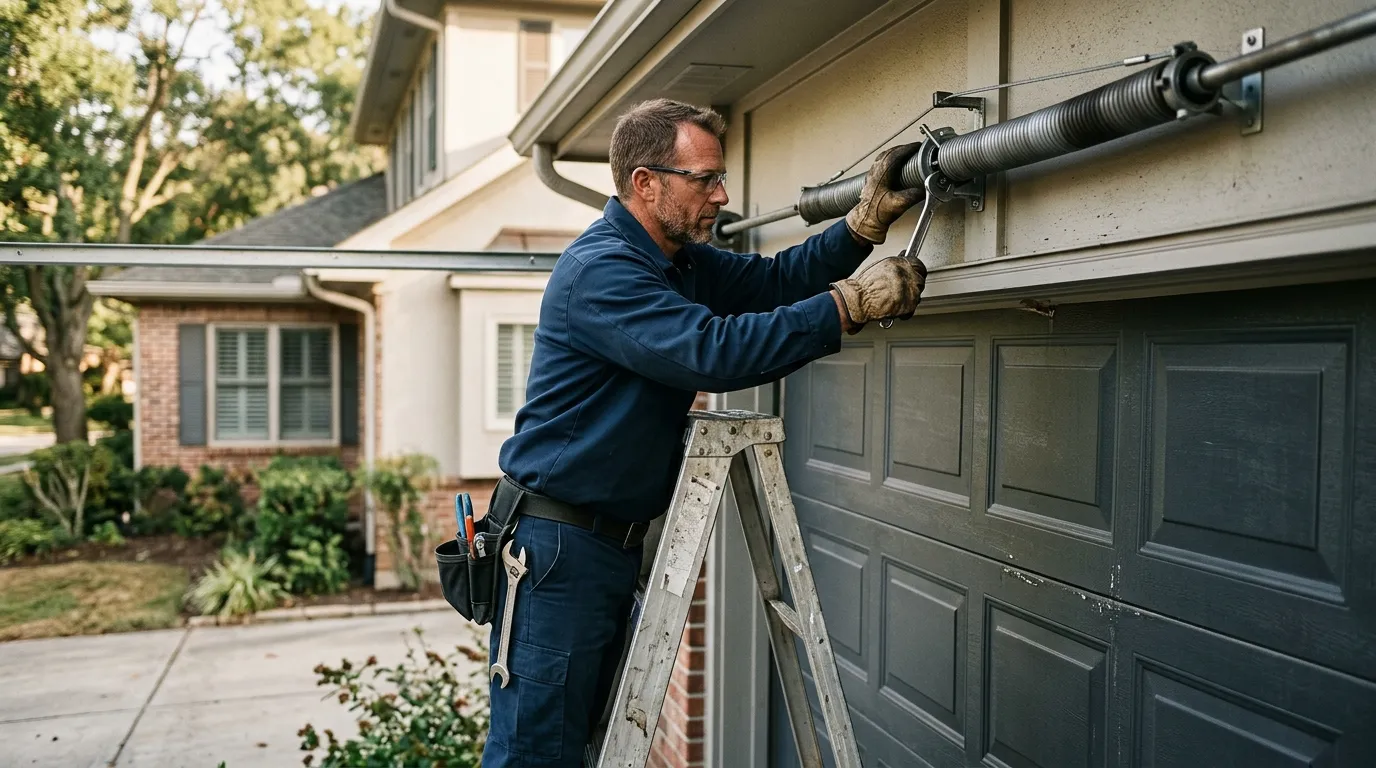
What we don't recommend touching yourself is anything involving the drive gear housing or the torsion spring system above the door - the housing on many of these older units is under spring tension internally, and opening it without knowing what you're doing is how people get hurt. If the fix is more than a sensor or a wall switch, it's worth the call rather than the gamble.