Why This Fails Locally
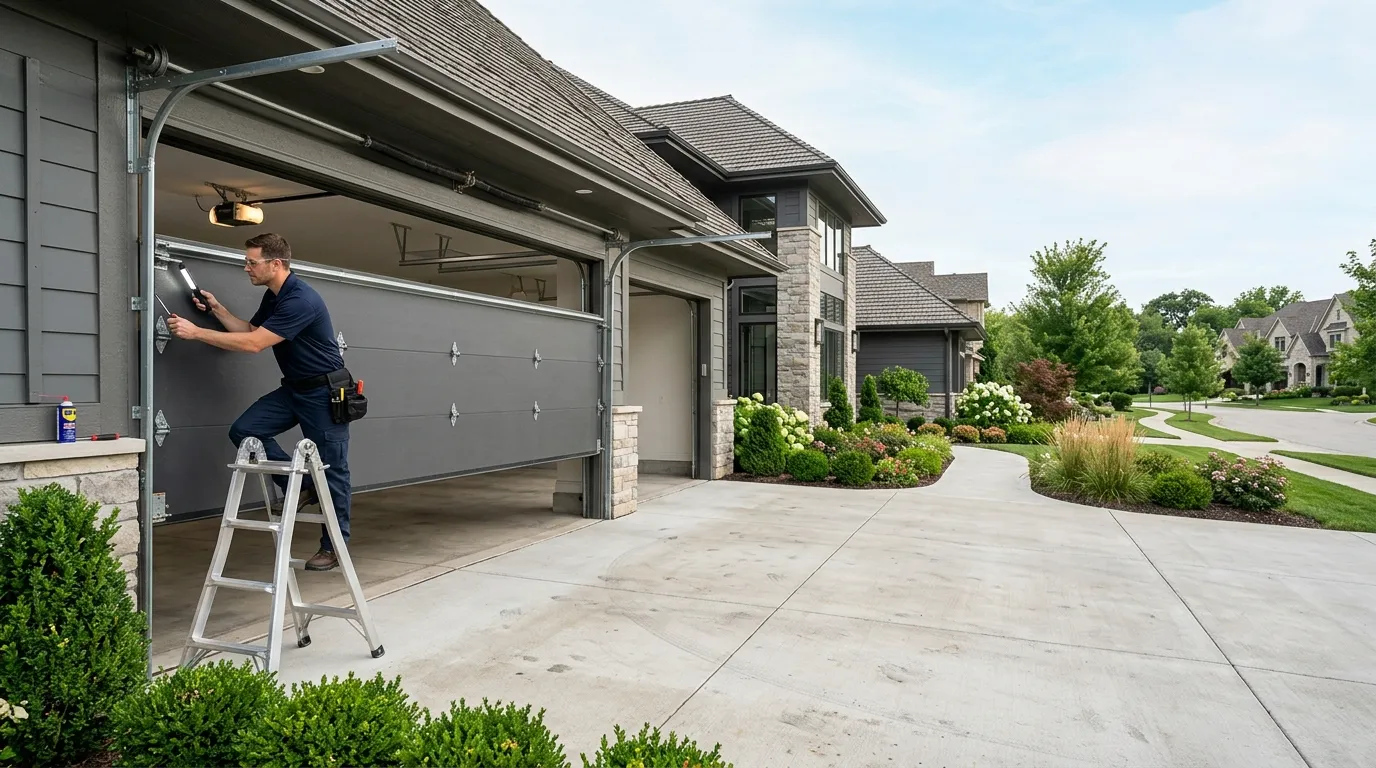
Across the wider service area, most houses date to the 1960s and 70s, with the median landing around 1974. Dogtown runs a touch newer - median build year 1977 - which sounds like a small gap until you're standing at the track. A few years either side of that line is often the difference between steel rollers on a track built for them and the nylon-roller doors that started showing up as builders moved past the mid-70s standard. Steel rollers are noisy and eat the track over decades; nylon rollers with sealed bearings are quieter but the bearing seizes instead of wearing gracefully, so the door starts shuddering instead of sliding. Either way, rollers are consumable parts on a track that was never meant to be maintenance-free, and a house built in 1977 has had roughly the same number of open-close cycles as its neighbors from the same building wave. When one roller goes, the ones next to it aren't far behind.
What Is on the Truck
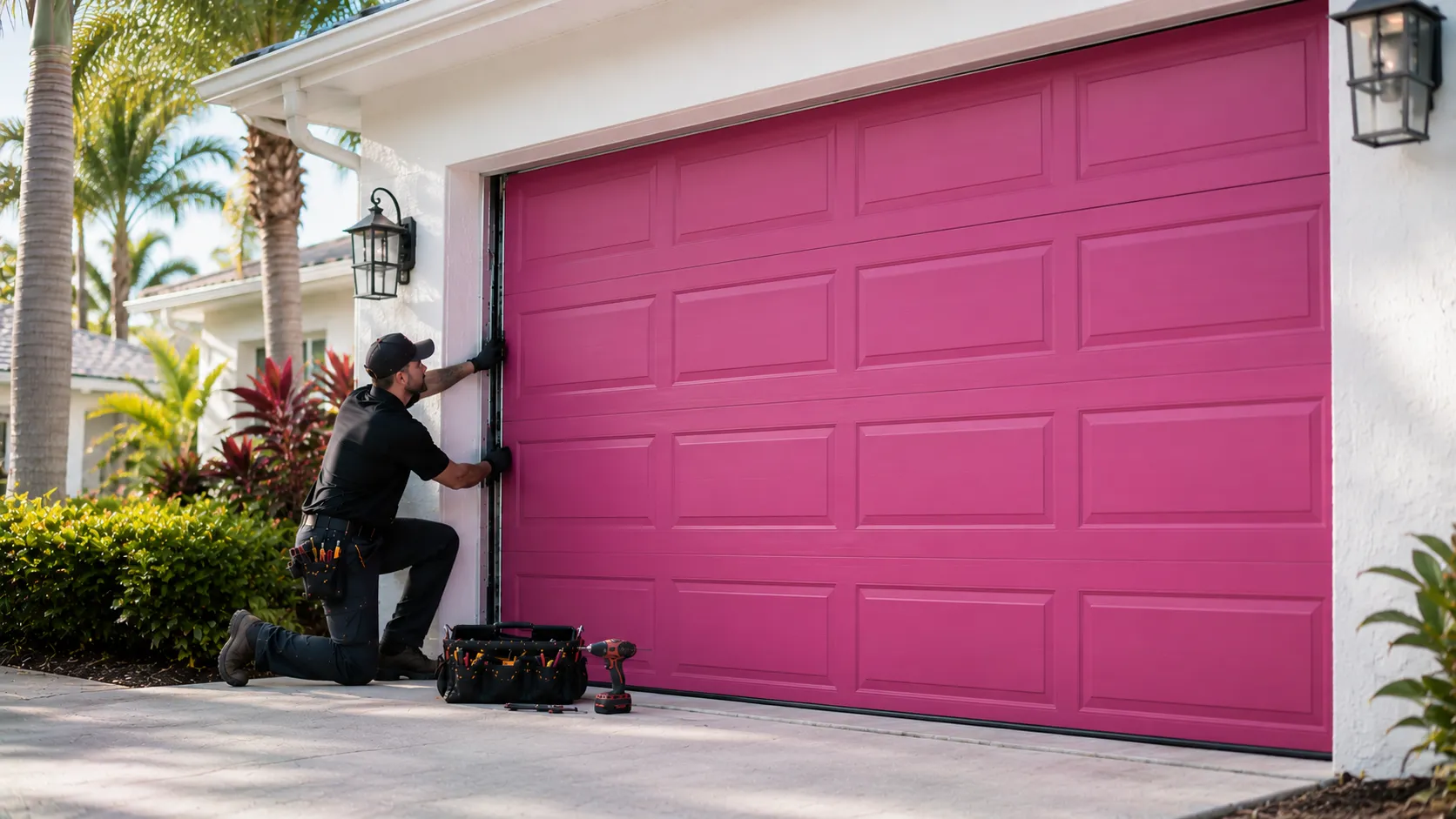
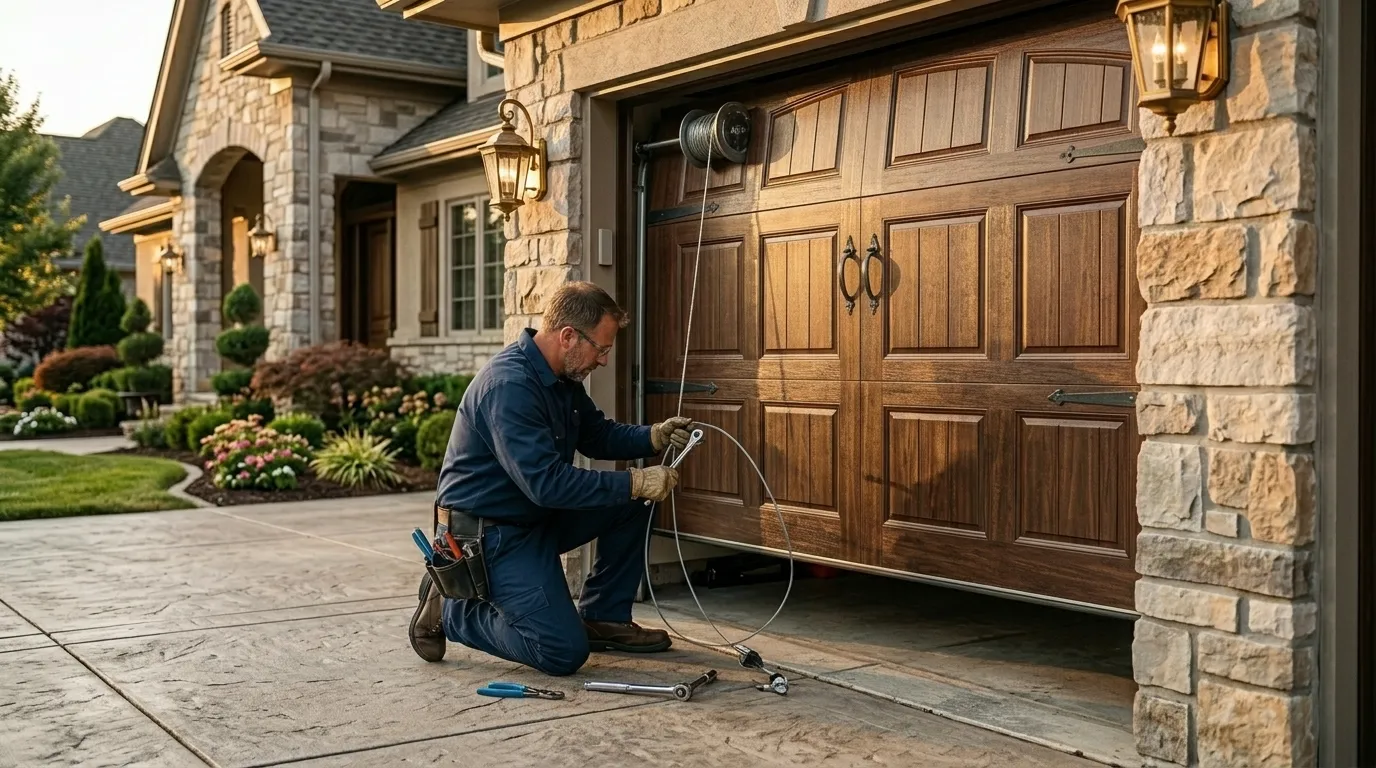
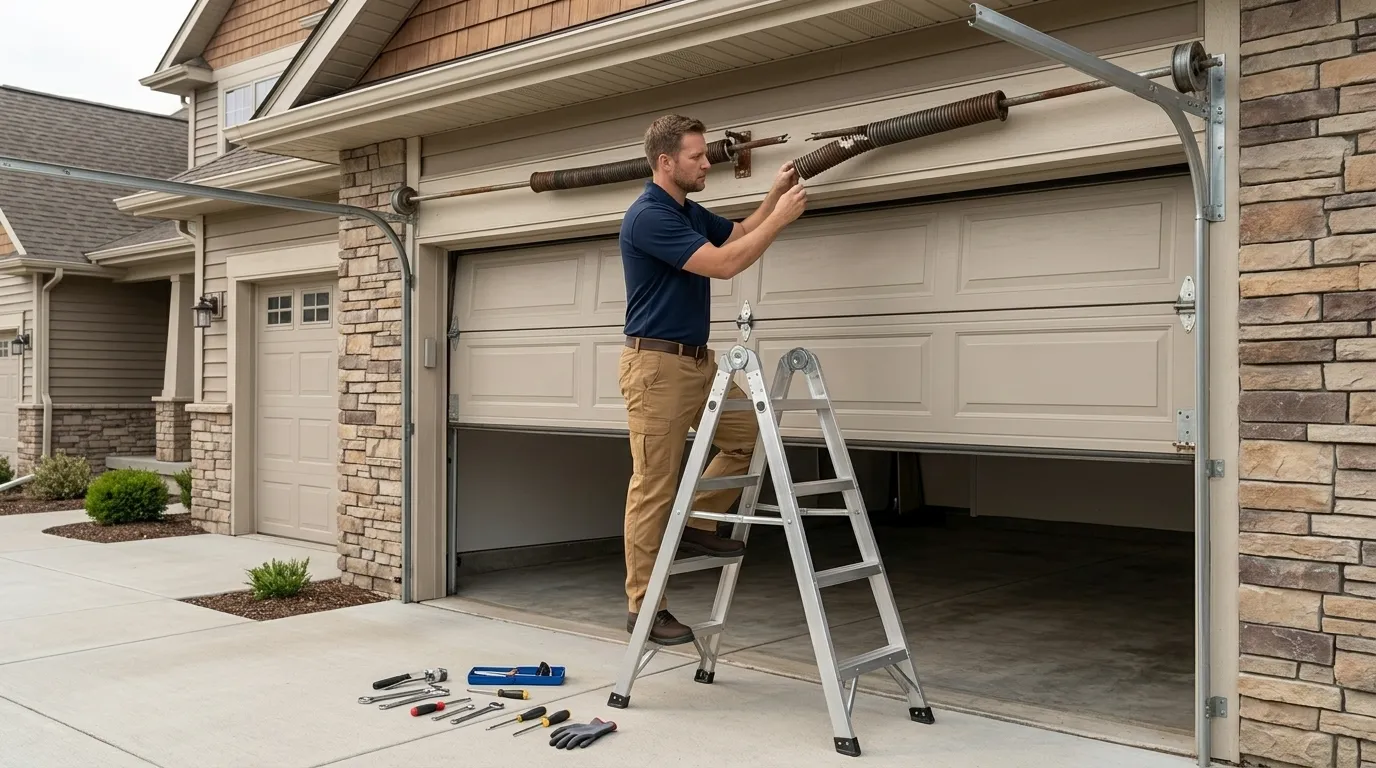
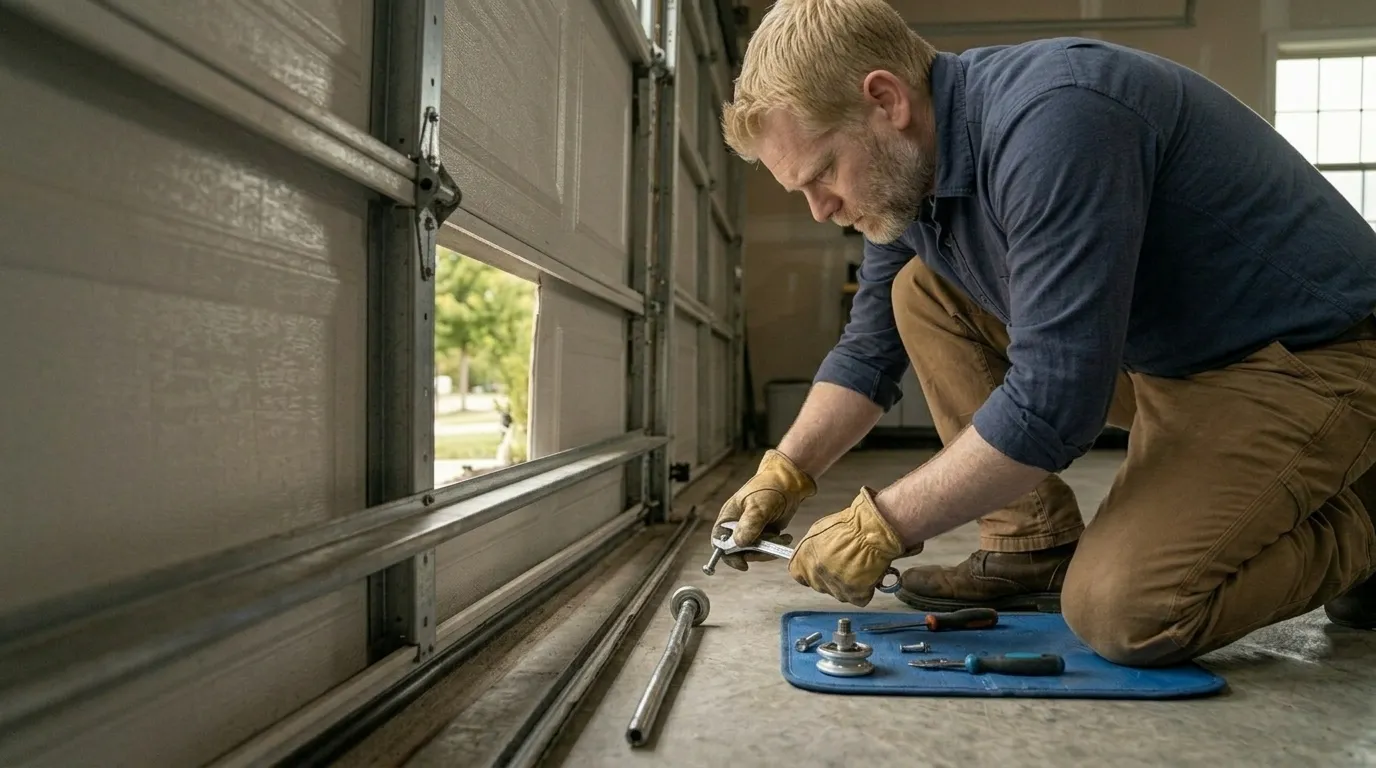
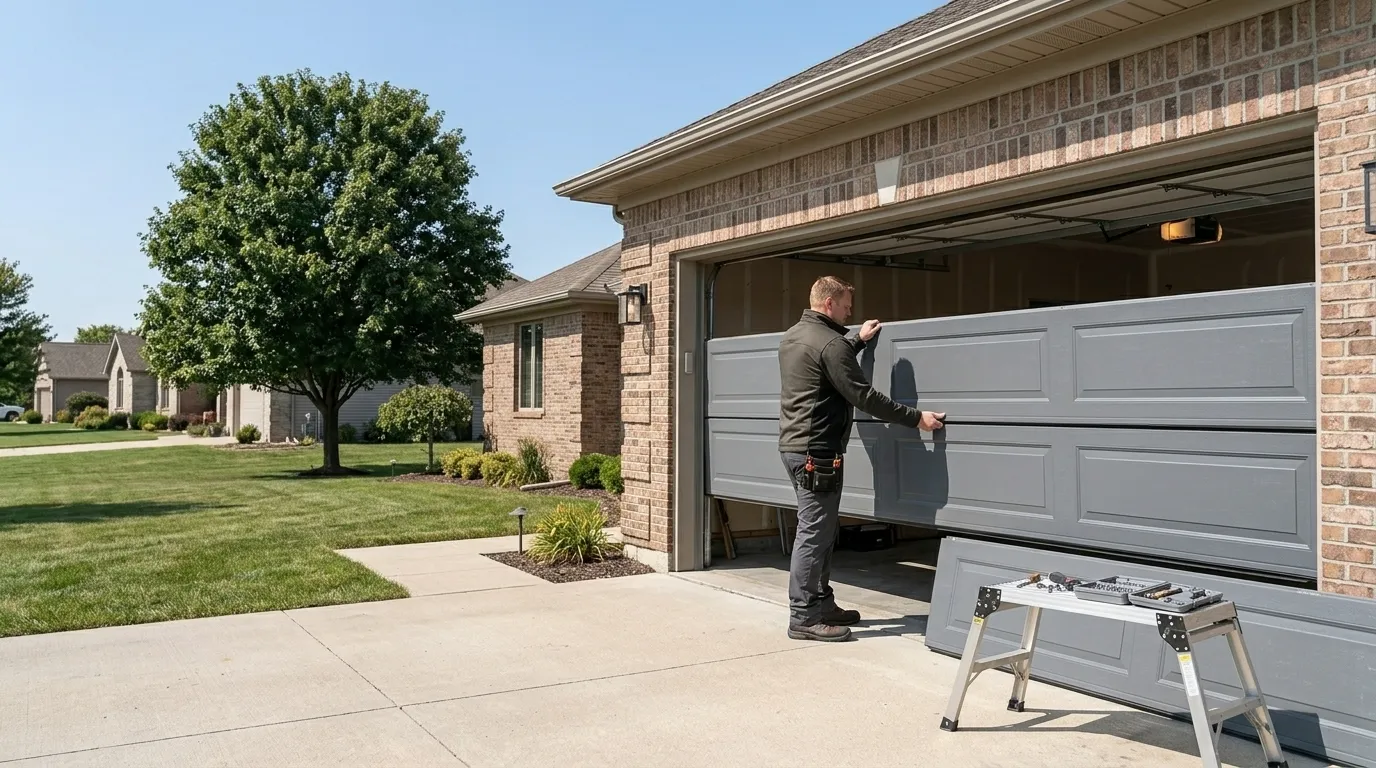
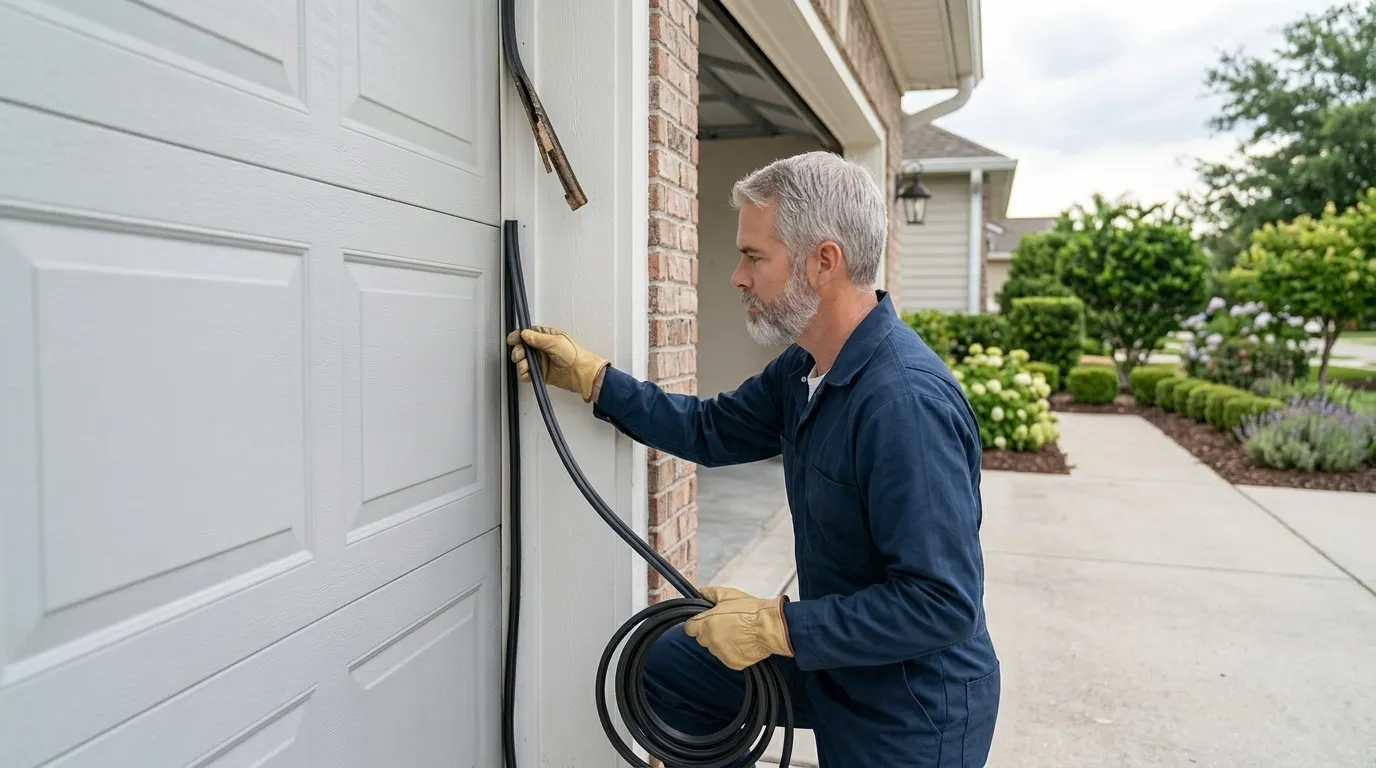
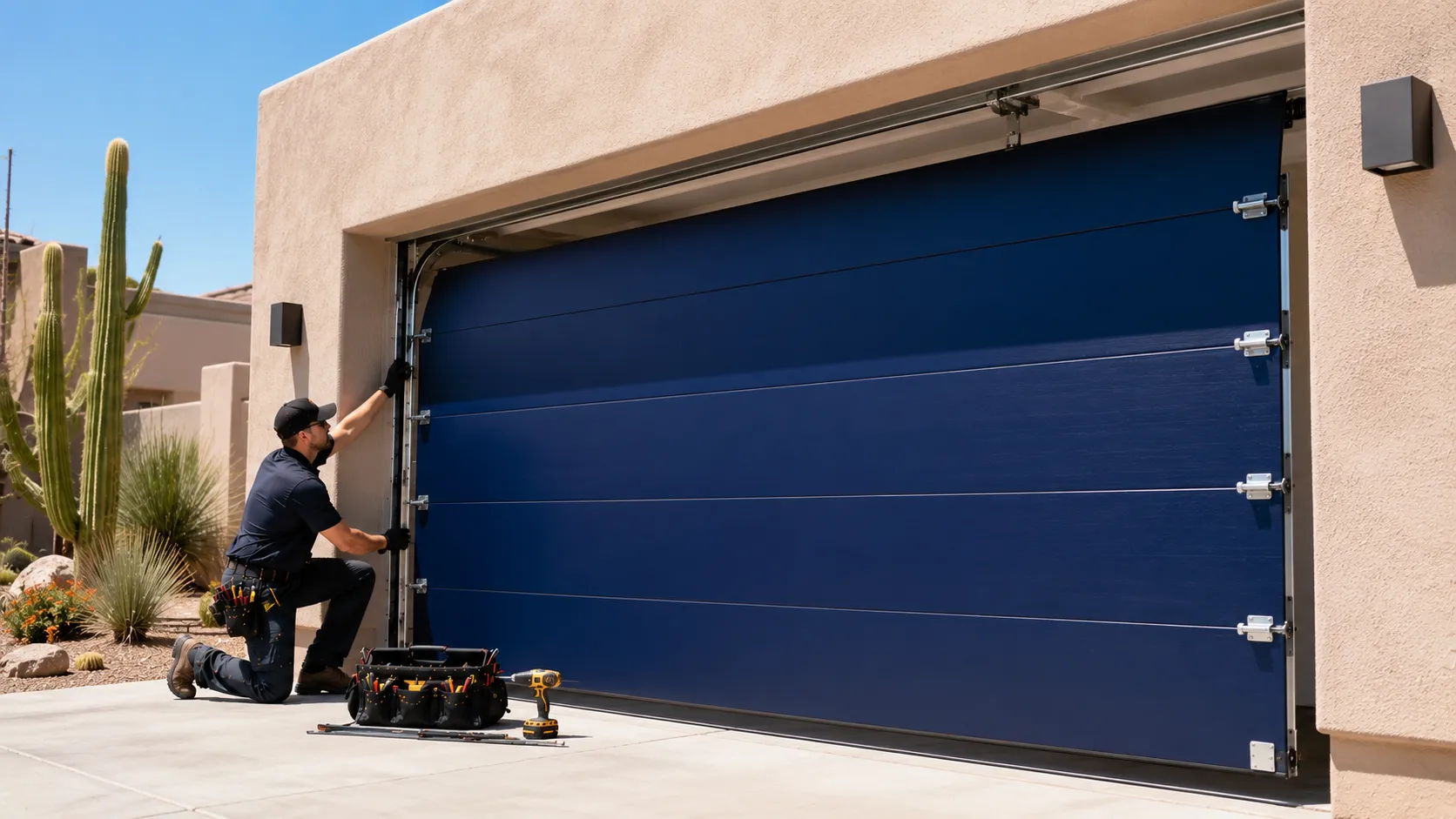
For a roller call out to Dogtown we carry both 7-ball steel rollers and nylon rollers in the common stem lengths, since we don't know which track we're pulling up to until we're standing in front of it. We also carry sealed-bearing upgrades for households that want quieter operation, and enough spare hinges and roller brackets to swap out anything that's cracked or bent alongside the roller itself - rollers rarely fail alone, and if the bracket's worn oval instead of round, a new roller in an old bracket just fails again in a season. What we don't carry on a standard roller call is full track stock; if the track itself is bent or rusted through, that's a separate repair and we'll say so rather than force a roller fix onto a track that needs replacing.
What It Costs
We don't publish a flat number for roller replacement because the range depends on how many rollers need swapping, whether brackets or hinges come with them, and whether it's steel or nylon. What we can tell you is that Dogtown's household income sits well above the wider service area's median of $91,429, and higher-income households in our experience more often choose the sealed-bearing nylon upgrade over a like-for-like steel swap, which costs more per roller but runs quieter for years. We'll quote the job on site once we've counted the bad rollers and checked the brackets, not before.