Garage Door Repair and Install for Lockeford Homes
Lockeford homes built mostly in the 1970s-80s need torsion springs and openers sized for older tracks. Lodi Garage Door Pros services doors here, 8 miles out.
Lockeford is small - about 1,491 households by the county's count - which means the work that comes up here tends to repeat far more than in the larger parts of the service area. You don't see a wide mix of door ages and styles the way you might in a bigger town; you see the same generation of hardware failing in the same handful of ways.
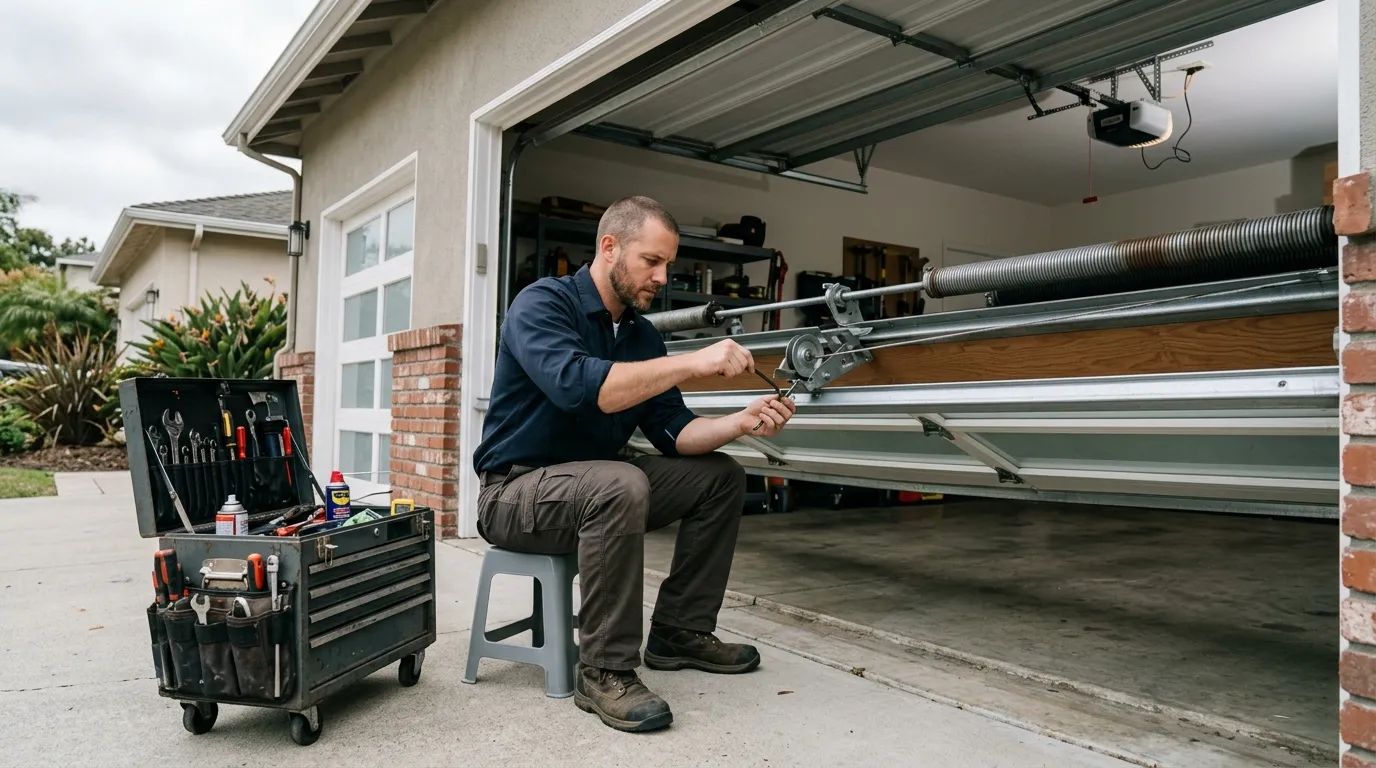
That repetition doesn't make the work safe to do yourself. A torsion spring under tension can break a wrist or worse, and the ones on doors from this era are often sized differently than what's sold off the shelf today. Swapping a panel, aligning a track, or re-tensioning a spring on an opener this old is not a weekend job with a wrench and a video.
What you can reasonably do yourself: keep the tracks clear of debris, check that the photo-eye sensors aren't knocked out of alignment, and listen for a new grinding or popping sound before it becomes a dead door. Past that, the risk-to-savings math doesn't favor doing it yourself, especially on hardware this old.
How It Shows Up
Houses here run a bit newer than the wider Lodi Garage Door Pros service area - median build year 1979 versus the area's 1974 - so you're more likely to be dealing with an early steel roll-formed door than a wood one, paired with an opener that's likely been replaced once already but on the original track and hardware.
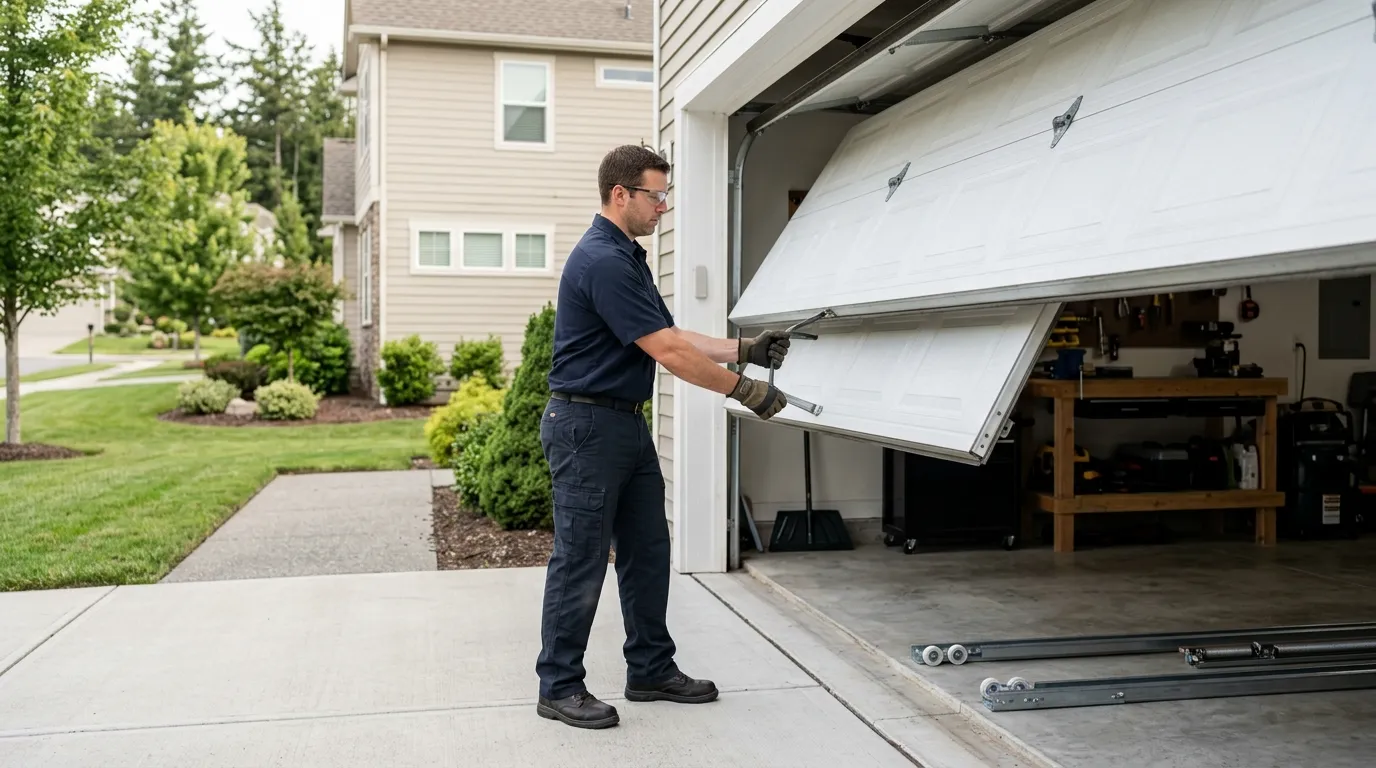
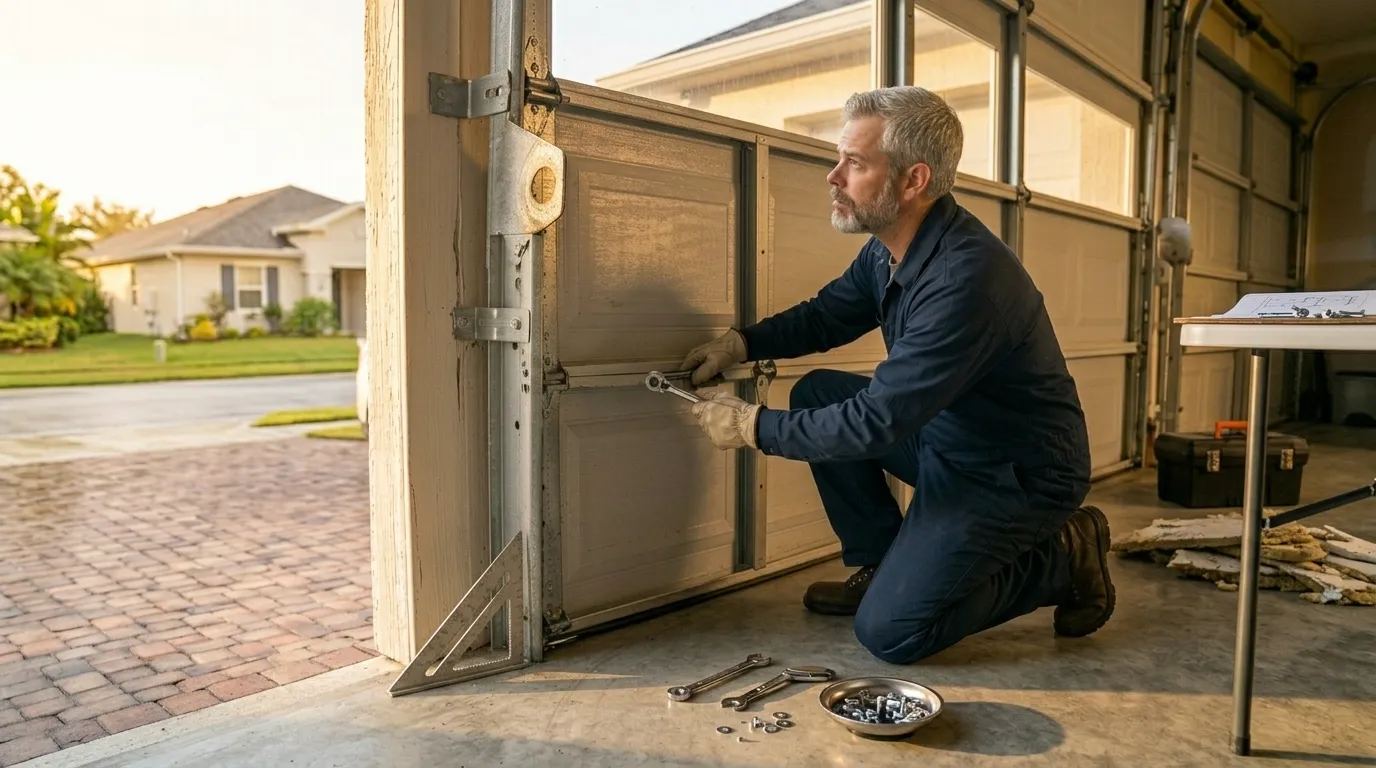
The complaint we hear most from this stretch: the door reverses on its own partway down, or it's started sagging on one side when it opens. Both point to the same root cause on doors this age - a track that's shifted slightly out of parallel over forty-plus years of the ground settling, combined with rollers that were never upgraded from the originals.
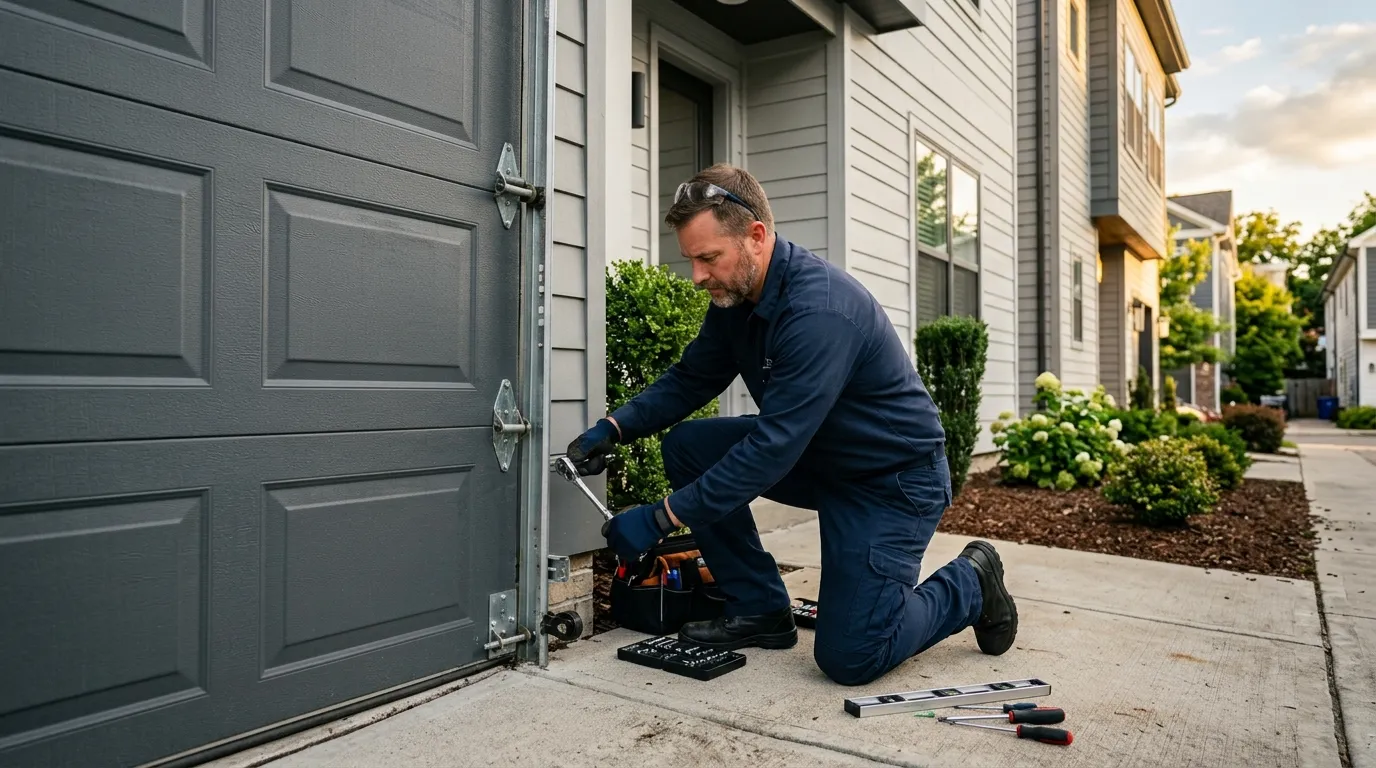
A door that's noisy but still opens and closes square is usually a lubrication and hardware-tightening job. A door that's started binding or reversing is usually the track, and on a house this age, the fix is realignment, not replacement, most of the time.
Why This Fails Locally
The area sits in a moderate-heat climate band, which is easier on garage door hardware than a harsher one, but it still means summer heat cycles the metal in tracks and springs every year, and grease that worked fine in spring turns gummy by. On original 1970s-and-80s hardware, that cycle is what finally cracks a spring that's been fine for years.
With just 1,491 households, Lockeford doesn't generate enough call volume on its own to justify a branch here - every job means a truck coming out from Lodi, about 8 miles away. That's not a same-day promise; it's a fact of geography worth knowing before you call, especially if the fix turns out to need a part that has to be sourced first.
The area's median household income of $93,438 sits a little above the wider service area's $91,429, which matters when the choice comes down to repairing a forty-year-old opener again or replacing it outright. At some point, a repair on hardware this old stops being the cheaper option.
What Can Go Wrong
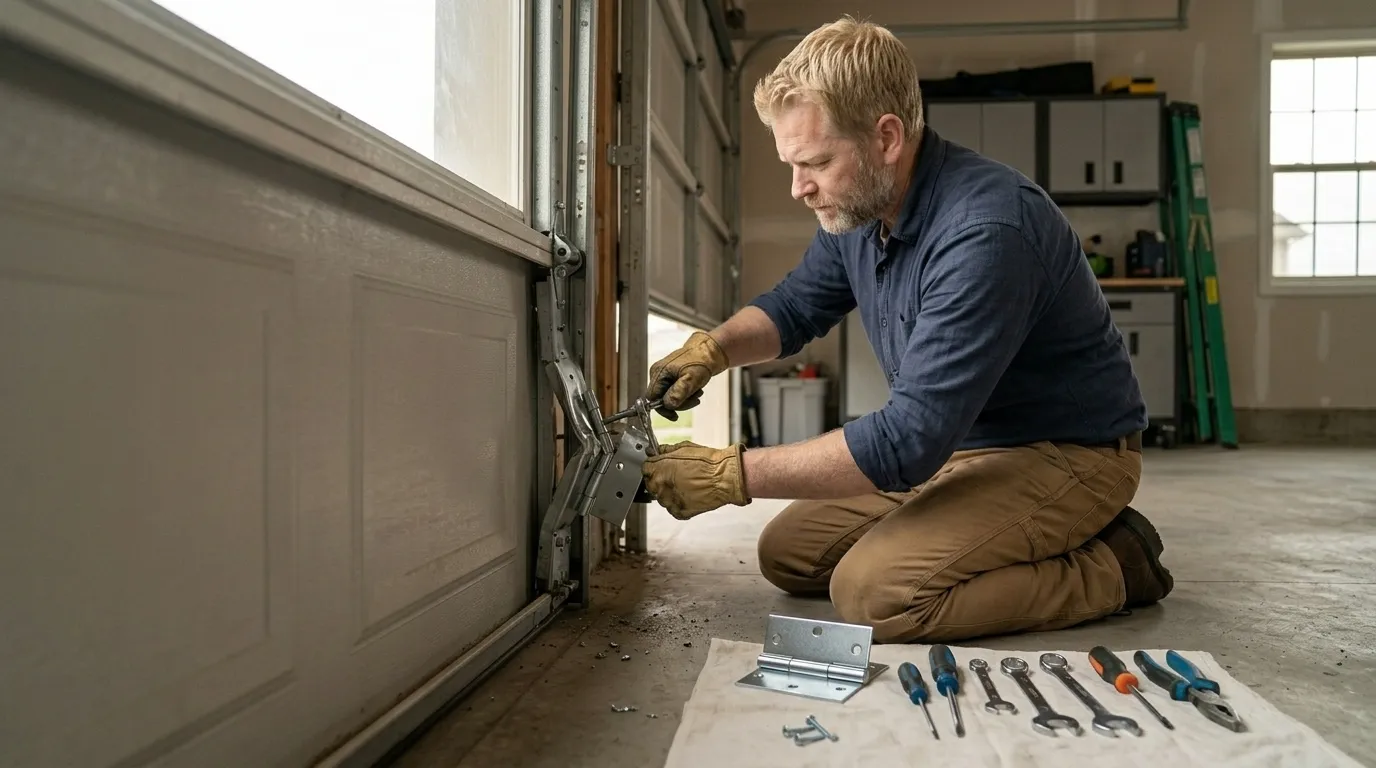
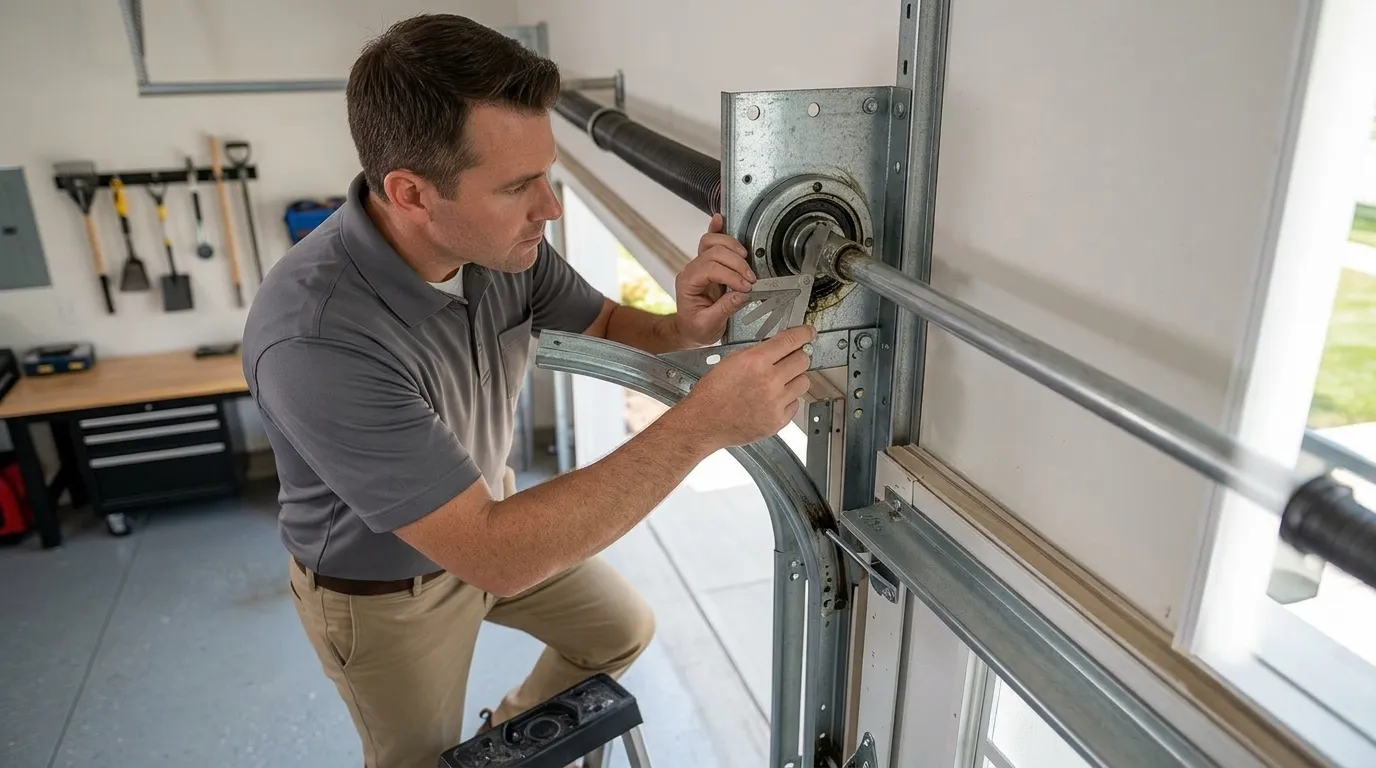
Left alone, a track that's drifted out of alignment on a 1970s or 80s door doesn't fix itself - it gets worse, and eventually the door comes off a roller entirely, usually at the worst possible time. A spring that's cycled through enough hot Central Valley summers on original hardware will eventually snap, and when it does on a door this old, the cable and drum often need attention too, not just the spring.
We won't sell you a full replacement door when the fix is a $30 roller and a track adjustment - that's not how the math works out for most of what we see on houses built in this window. But we also won't pretend a forty-five-year-old opener with worn gears is worth another repair bill instead of a new unit.
One honest limit: if a part for an original 1970s track or an obsolete opener model isn't something we stock on the truck, it may need to be ordered, and that adds time before the job's finished. On hardware this old, that's sometimes unavoidable.
How it works
From “it’s stuck” to “it’s fixed”
1
Tell us what’s wrong
Describe the symptom - won’t open, loud bang, opener runs but the door won’t move.
2
On-site diagnosis
A technician tests the door under power and by hand and finds what actually failed.
3
Clear, up-front plan
You get the fix that’s needed and what drives the cost - before any work starts.
4
Repaired & tested
The repair is done, the door is set true and tested, and the work area left clean.
Next step
Serving Lodi, CA - tell us what your door’s doing and we’ll take it from there.
No. Lodi Garage Door Pros works out of Lodi and covers Lockeford as part of the service area, about 8 miles out. Every job here means a truck coming from Lodi, so there's no local branch or drop-in counter.
Why does my garage door in Lockeford sag on one side?
On houses from this area's build era, it's usually the track shifting slightly out of parallel over decades, combined with original rollers that were never upgraded. It's a common failure on hardware this age and is almost always a realignment job, not a full door replacement.
Is it worth repairing my old opener or replacing it?
Depends on the age and what's failing. If the motor and gears are original from the 1970s or 80s and something major goes, another repair often costs close to what a new opener runs. We'll tell you honestly which side of that line your unit is on.
Ready to get your garage door sorted?
Tell us what it’s doing and where you are in Lodi - we’ll take it from there.