Roller Replacement for Lockeford's 1970s-80s Garage Doors
Most Lockeford homes went up around 1979, meaning steel rollers on steel track as standard. We travel from Lodi to swap worn rollers before they take the track with them.
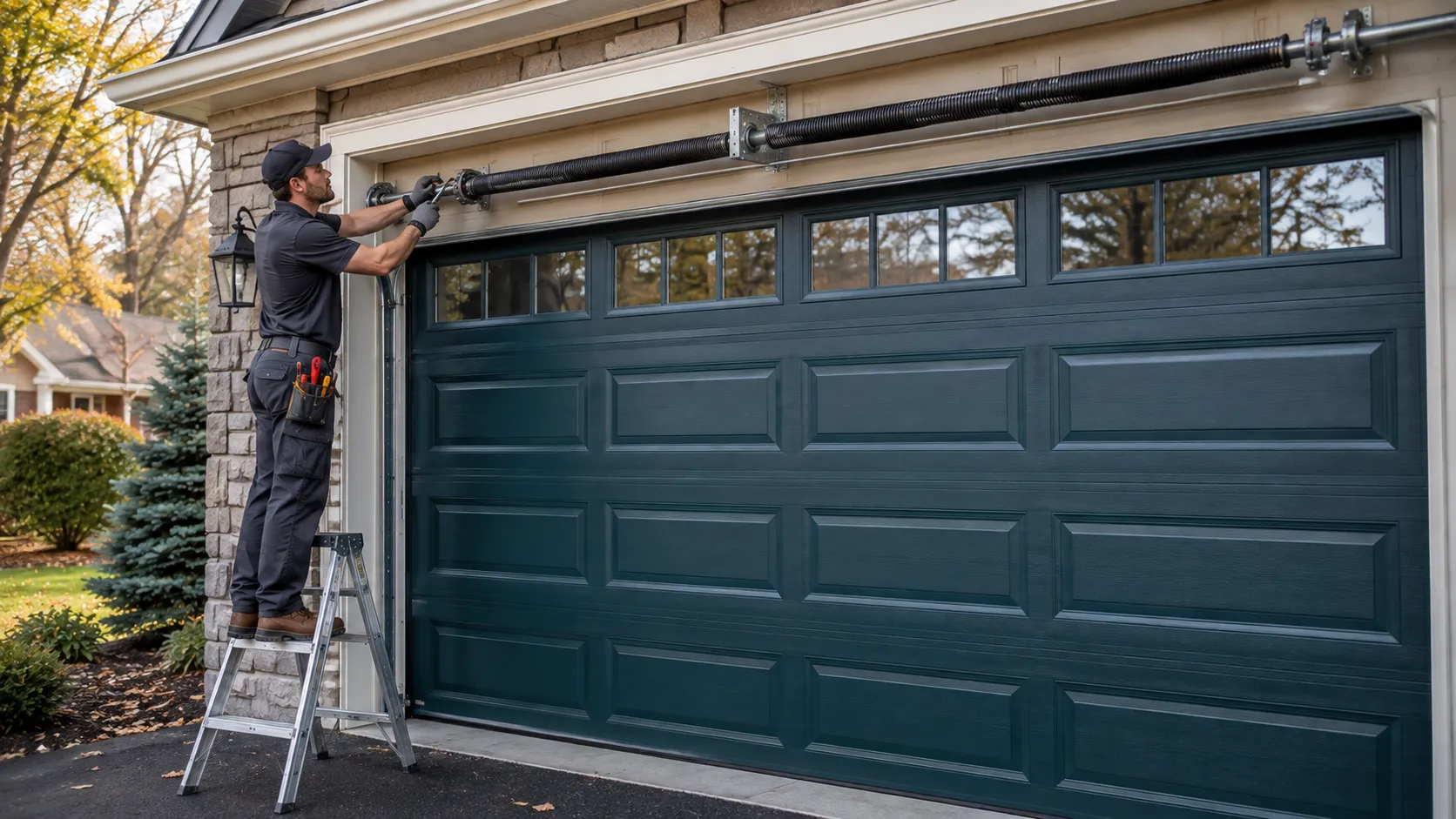
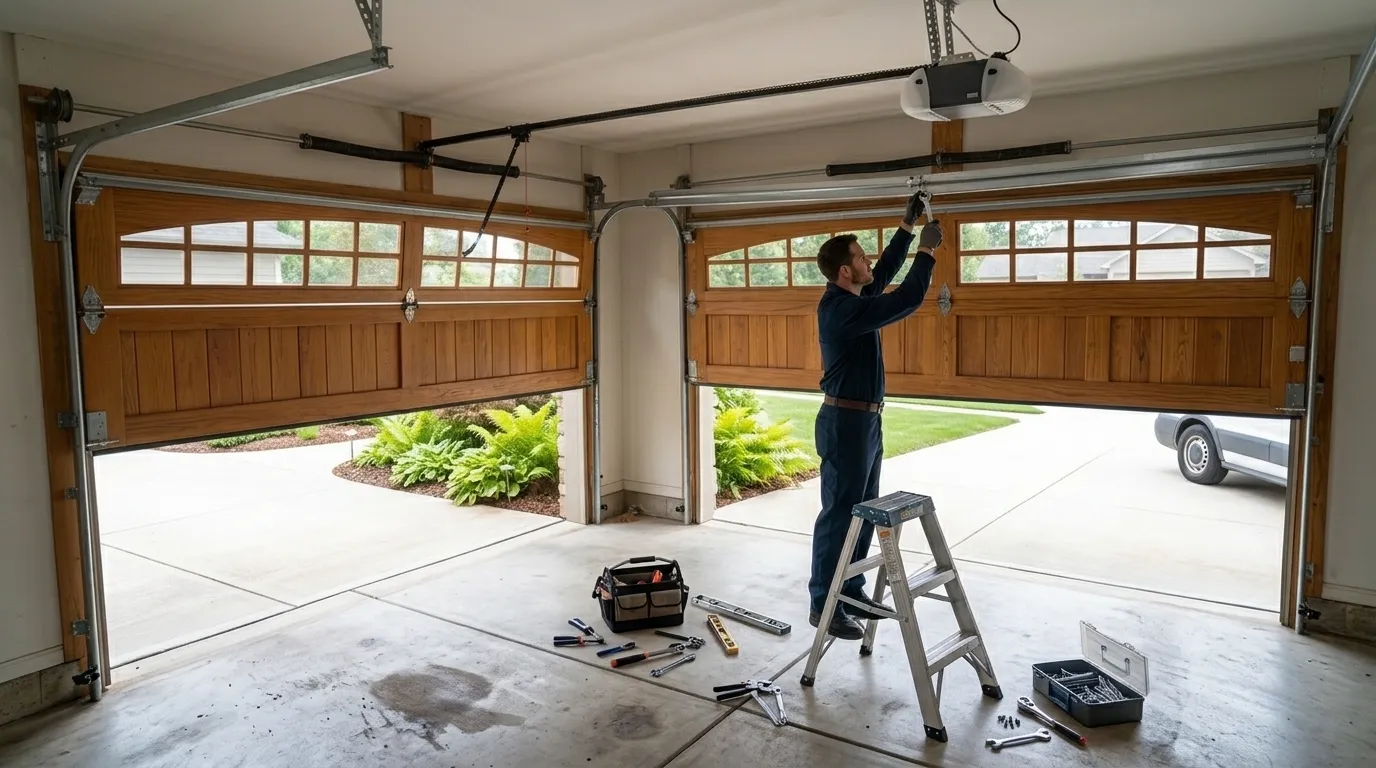
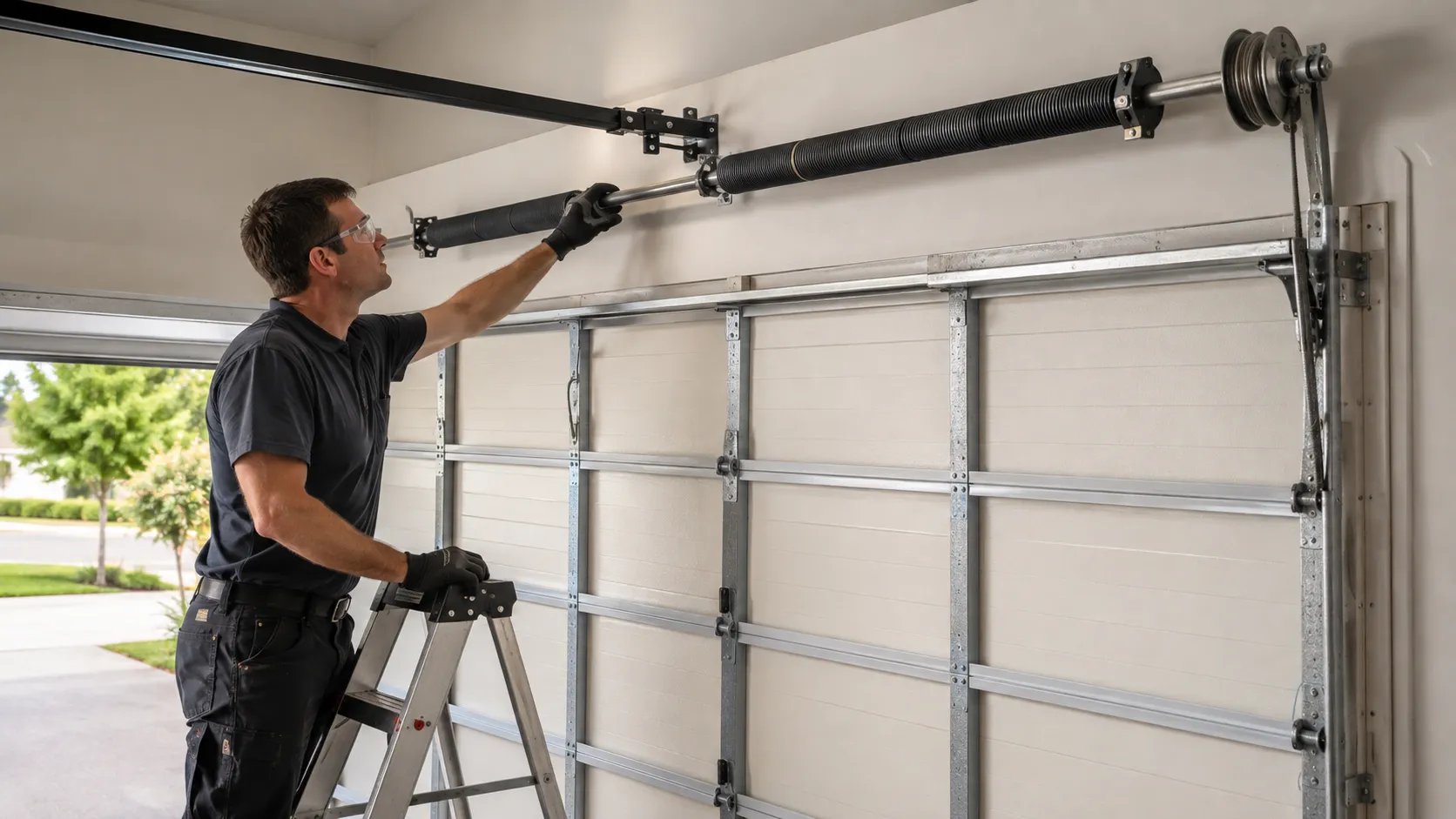
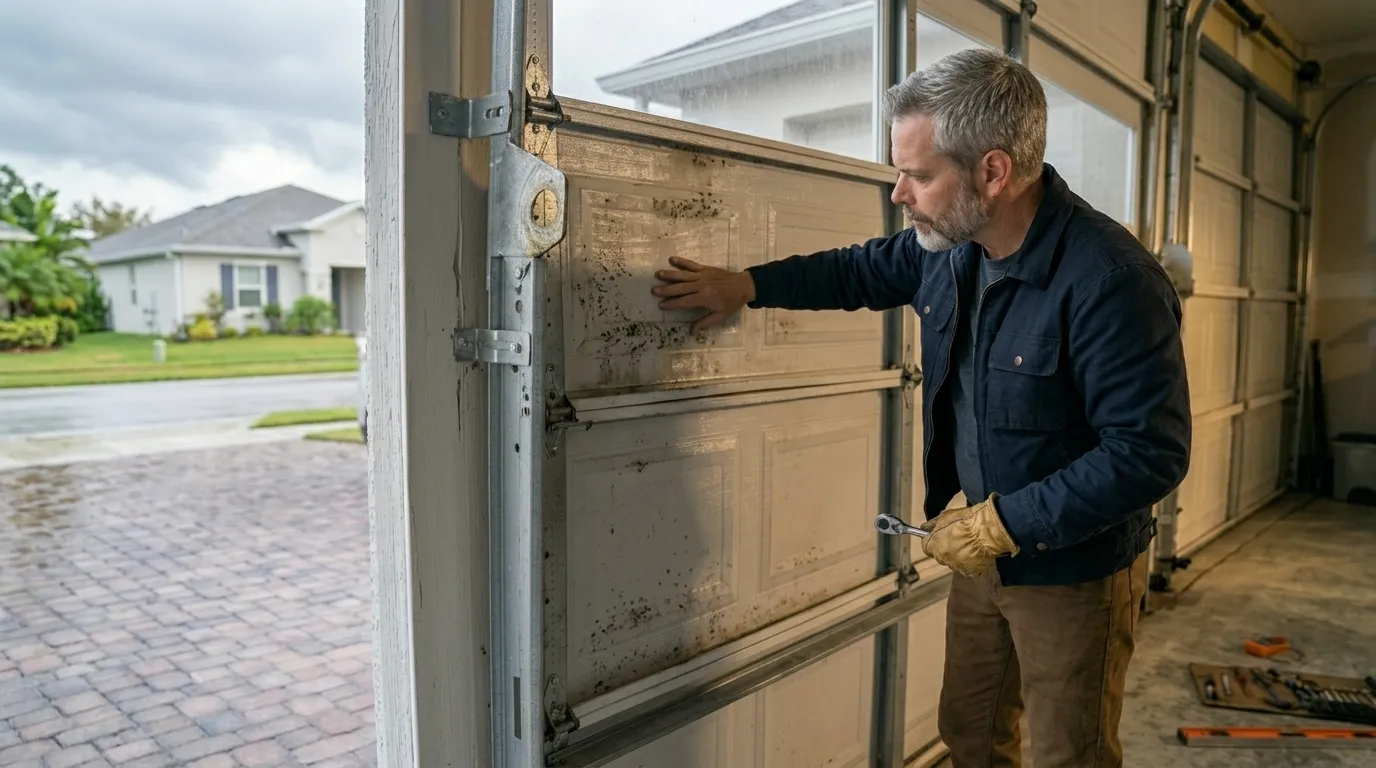
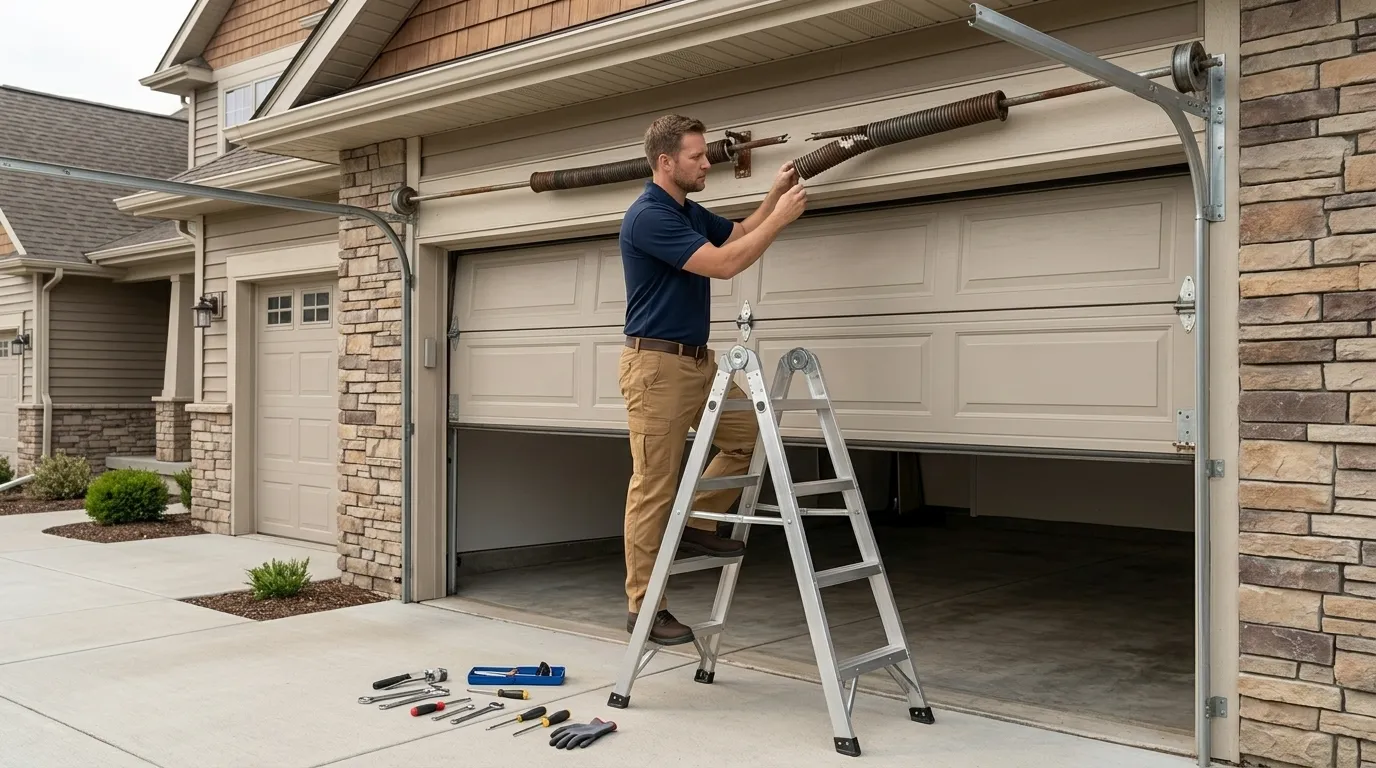
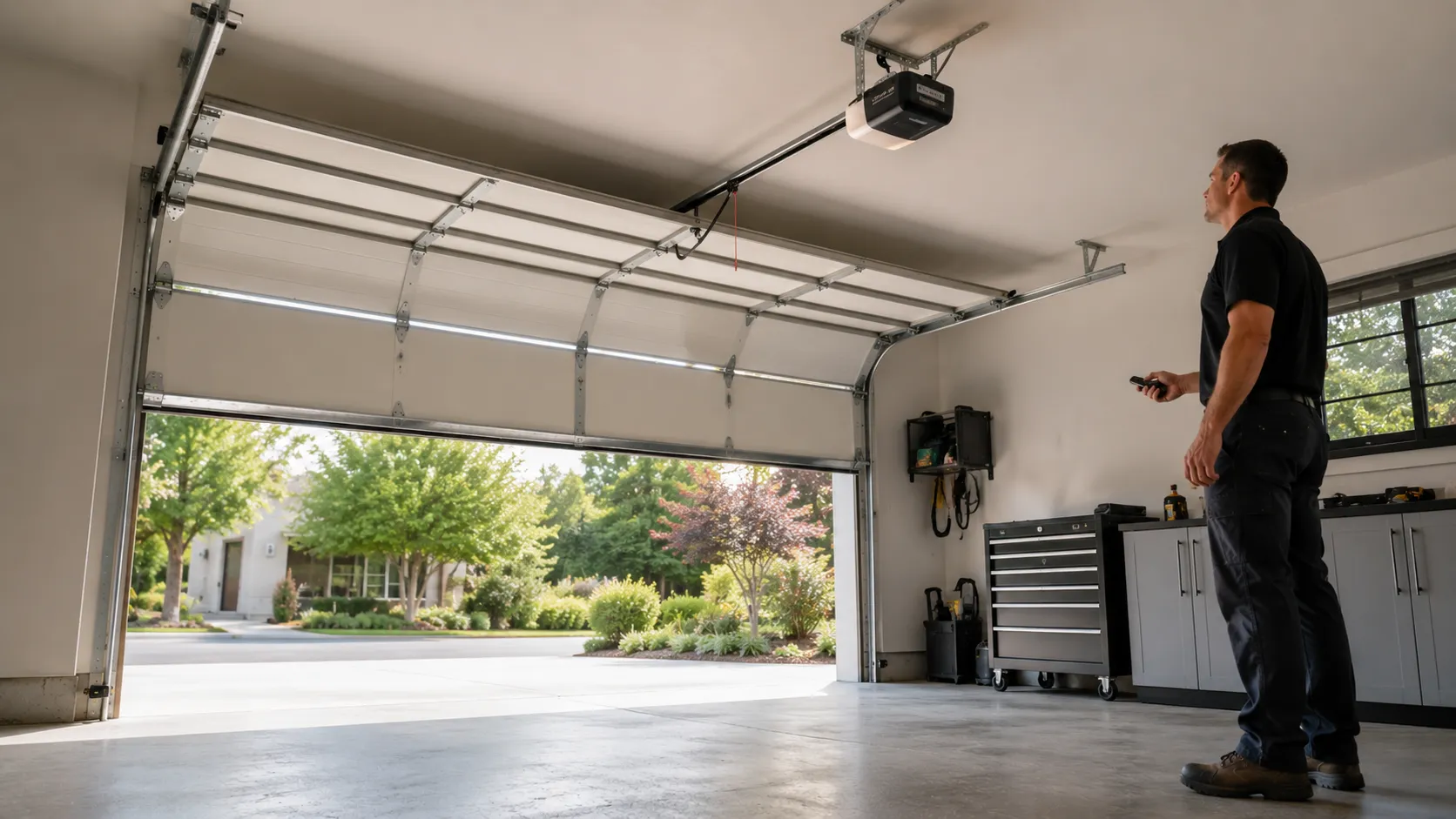
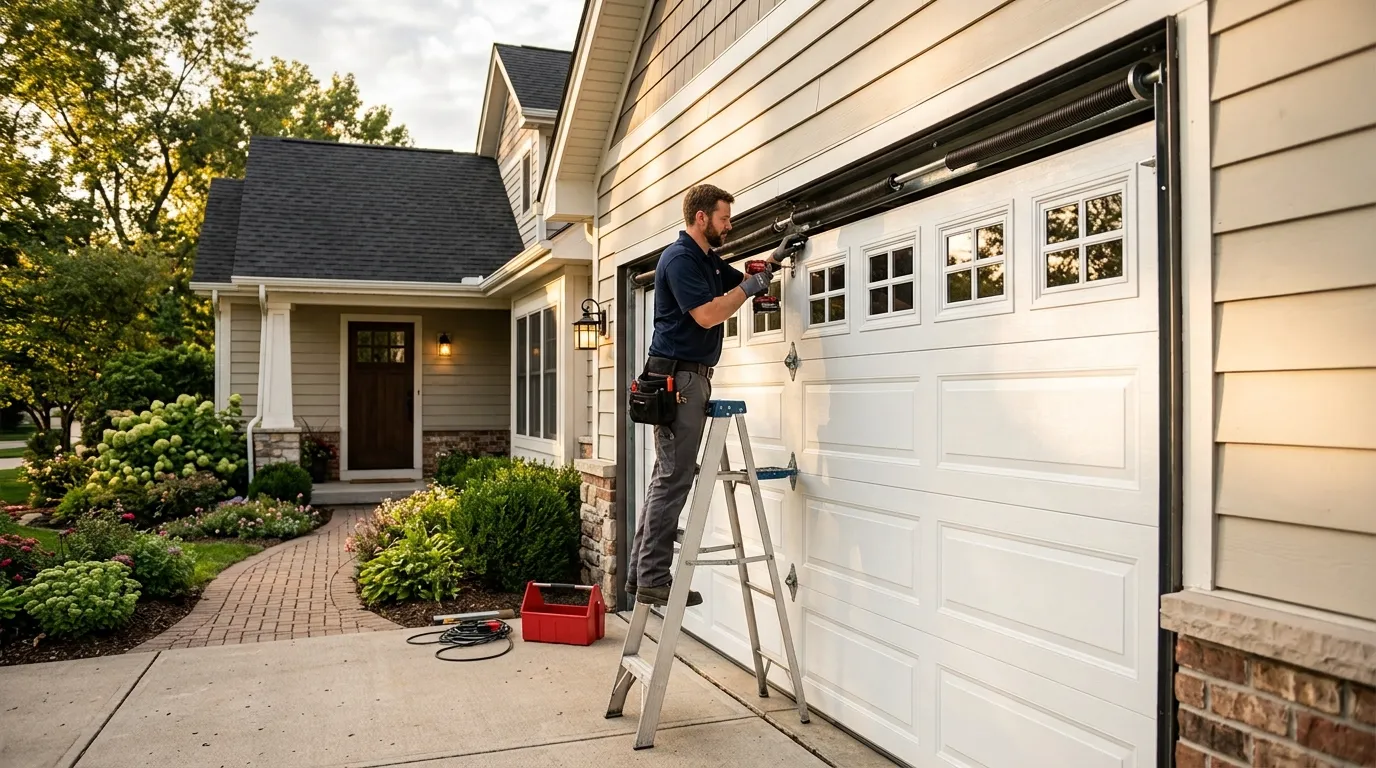
A lot of Lockeford's houses date to right around 1979, which means the garage doors on them were built with steel rollers riding in steel track - no nylon, no sealed bearings, just raw metal on metal with a shot of grease if the last owner remembered. Swapping a roller isn't hard on paper: pull the bracket, slide the roller out of the track, drop a new one in. The catch is the track itself. Forty-plus years of steel-on-steel wear leaves grooves and burrs that a fresh roller doesn't like, and if you're working near the bottom bracket on a door under spring tension, you're working next to the one part of this job that can put you in the hospital. If your door has a single torsion spring overhead and you don't already know how to safely let it down, hand this one off. If it's just a top roller on a light section door with the opener disconnected, a careful homeowner with the right tools can usually manage it.
How It Shows Up
On a house from this era, the first sign is almost always sound before it's function - a grinding or clunking every time the door passes a certain point in the track, usually near the bend where the vertical track curves into the horizontal run. That's where a worn steel roller starts to bind instead of roll. You'll also see it as a door that walks or shudders instead of gliding, or one that seems to hesitate right before the opener has to push harder to get it moving. On these original 1970s-and-80s setups, the roller wear and the track wear tend to arrive together, since neither part was ever swapped out on its own - the whole system just aged in place.
Why This Fails Locally
Lockeford sits under the same moderate-heat pattern as the rest of the service area, and repeated summer heat cycles dry out whatever grease is left in an old steel roller bearing faster than most owners expect. Once that grease is gone, it's metal grinding on metal every single cycle, and the track wears into a shape that a standard replacement roller won't sit flush in. With roughly 1,491 households here and a good share of them sitting on houses built in that same late-1970s window, this isn't a one-off problem - it's the predictable next repair for a whole run of doors that are the same age. Median income here runs a bit above $93,000, which is worth mentioning only because it means most owners we see are choosing to fix the roller and track properly rather than patch it and wait for the next failure.
What Can Go Wrong
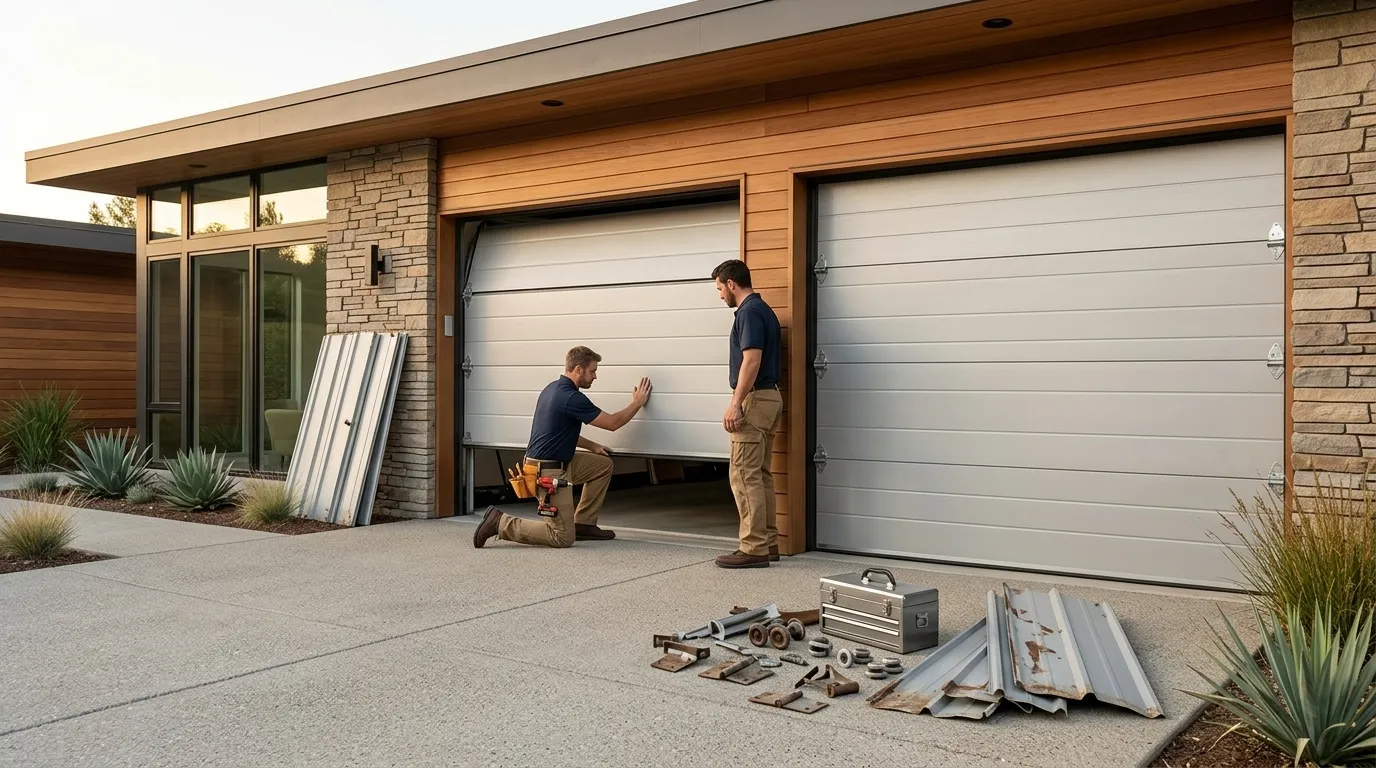
The honest limitation first: if the track is bent or the grooves are worn oval instead of round, a new roller alone won't fix the noise or the binding - the track has to come out too, and on some of these older setups that means the whole vertical section, not just a bracket. We won't sell you a roller swap on a track that needs replacing; it just fails again in a few months. Beyond that, the risks are the usual ones with aging steel hardware: a bottom roller seizing while the door is mid-cycle can pull the cable off its drum, and a cracked bracket on a door this old sometimes only shows itself once you've got weight off the spring and onto the track. We come out from Lodi, about 8 miles in, so we bring the tools and the stock rollers with us rather than guessing at what's on the door before we see it.
How it works
From “it’s stuck” to “it’s fixed”
1
Tell us what’s wrong
Describe the symptom - won’t open, loud bang, opener runs but the door won’t move.
2
On-site diagnosis
A technician tests the door under power and by hand and finds what actually failed.
3
Clear, up-front plan
You get the fix that’s needed and what drives the cost - before any work starts.
4
Repaired & tested
The repair is done, the door is set true and tested, and the work area left clean.
Next step
Serving Lodi, CA - tell us what your door’s doing and we’ll take it from there.
Are the original rollers on my Lockeford house still steel, or have they been swapped for nylon at some point?
On a house built around 1979 that's never had door work done, they're almost always still the original steel rollers. Nylon didn't become the common replacement choice until later, so unless a prior owner had the door serviced, you're likely looking at the same hardware that went in with the house.
Can you just replace the rollers without touching the track?
Often yes, if the track is still round and straight. But on doors this age the track has usually worn right alongside the rollers, and putting new rollers in a worn track just moves the noise and binding a few months down the road instead of fixing it.
Do you have a shop in Lockeford?
No, we run out of Lodi and drive out to Lockeford for the job, about 8 miles each way. We bring rollers and track stock with us so we're not making a second trip once we've seen the actual wear.
Will heat make my rollers wear out faster here?
The moderate heat pattern in this area does dry out old bearing grease over repeated summer cycles, and once that grease is gone the roller is grinding metal on metal every time the door moves. It's one of the more common reasons a 1970s-era roller finally gives out.
Ready to get your garage door sorted?
Tell us what it’s doing and where you are in Lodi - we’ll take it from there.