24/7 Emergency Service Open 7 days · 7am–8pm Serving Lodi, CA & nearby
(209) 309-1723
Lodi, CA

Garage Doors Built for a Different Era of Lodi Houses

Most Lodi garage doors date to 1946-2001, when insulation wasn't part of the build. Here's what that means for repair, heat, and replacement decisions.

Garage Doors Built for a Different Era of Lodi Houses

Where People Go Wrong

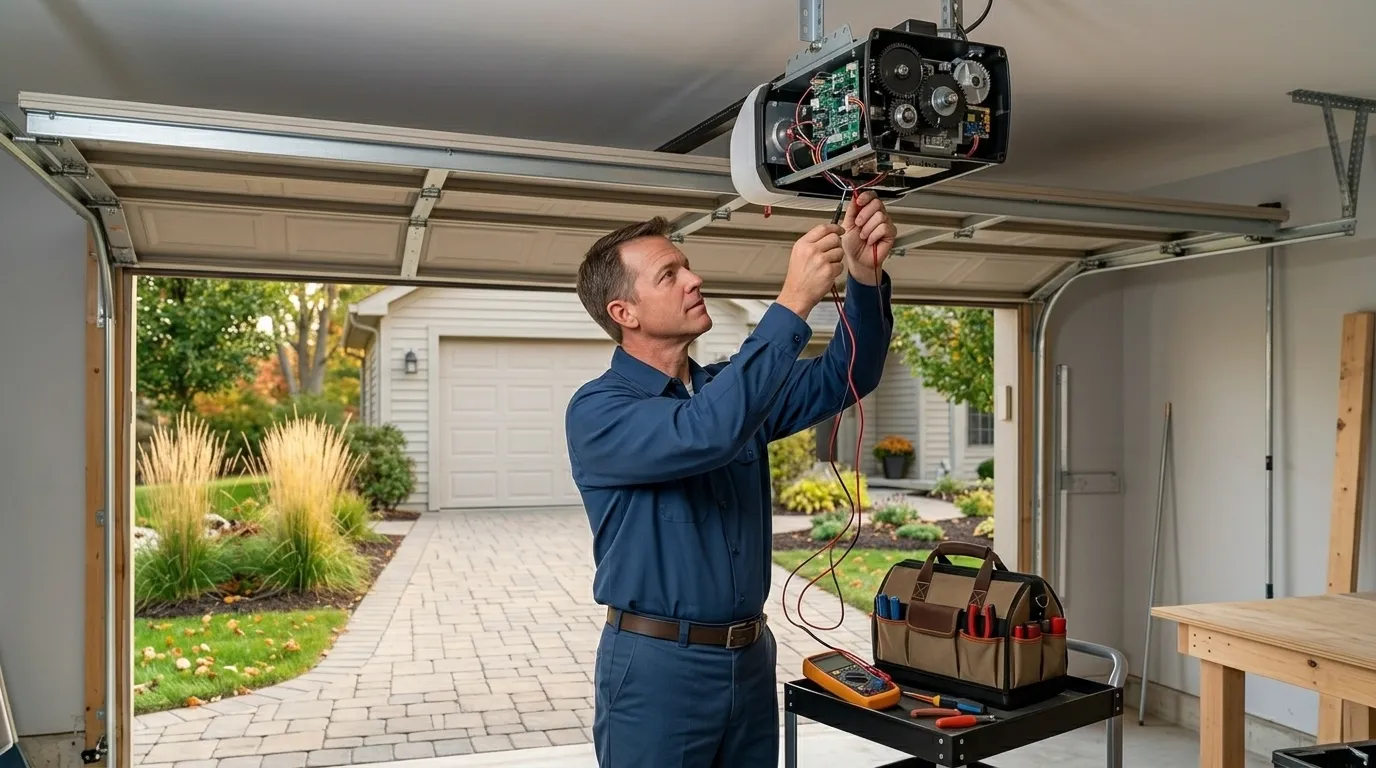
The mistake we see most is treating a stiff or noisy door as a lubrication problem when it's actually an age problem. Housing across this service area went up mostly between 1946 and 2001, with the median landing around 1974, and a door built to that era's standard was never insulated, never sealed at the bottom the way current doors are, and never engineered for the spring cycles it's now on decades past its intended service life. Owners spray the track, the noise goes away for a month, and the real issue - a torsion spring wound for a lighter door, or hinges stretched past their tolerance - keeps getting worse underneath. Across the nineteen named communities in this area, from Woodbridge and North Woodbridge just a few miles out to Galt and Thornton ten miles off, the stock is overwhelmingly 1960s and 70s construction, which means the same hardware generation is failing on the same rough timeline all at once. Fixing the symptom instead of the part means two or three calls where one would've done it. If a door is sagging on one side, that's a cable or hinge, not a lubrication job.

What the Weather Here Does to It

This area sits in a moderate-heat climate band, which doesn't sound dramatic, but it means steel panels built without any insulation layer - standard for houses from this stretch of construction - spend long summer stretches absorbing heat and expanding, then contracting again overnight. Do that for forty or fifty years and the seams where panels join start working loose, the weatherstrip along the bottom edge hardens and cracks, and the door stops sitting flush in the track the way it did when it was installed. It's not sudden failure. It's a slow drift that shows up as a door that used to close quiet and now bangs the last six inches, or one that used to seal the garage from the heat and now just doesn't. None of this is storm damage or a single bad event - it's accumulated heat cycling on a door that was never built with a thermal break to begin with. That distinction matters for what you actually need: a repair that addresses the loosened hardware, or a swap to a door built with insulation from the start, not a patch aimed at damage that didn't happen.

The Situation

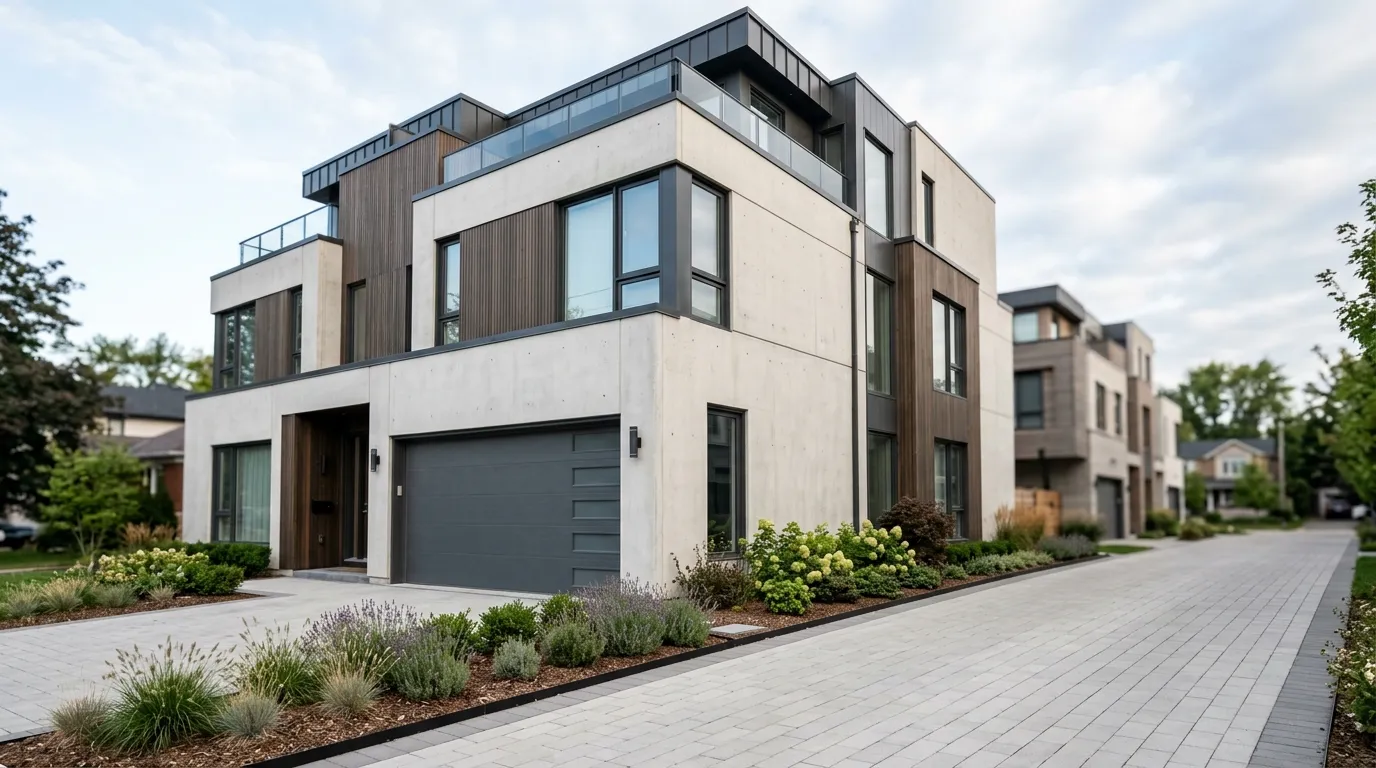
There are 17,555 owner-occupied houses across this service area, out of 26,985 households total, and most of them are sitting on doors original to a house built somewhere in that 1946-2001 window - median 1974. That's not a small pocket of old stock, it's the baseline. The median household income here runs around $91,429, which puts a full door replacement within reach for most owners, but plenty still choose to keep repairing an original door because it's still standing and replacement feels premature. Both are reasonable calls, and which one fits depends on what's actually wrong - a bent track or worn roller is worth fixing on almost any door; a warped panel or a spring sized for outdated hardware usually isn't. The service area runs out to Bethel Island at twenty miles and French Camp and Wallace at eighteen, with Woodbridge the closest named area at four miles out. Across that whole stretch, the pattern repeats: same era, same hardware, same slow failure curve.
Doing Nothing For Now

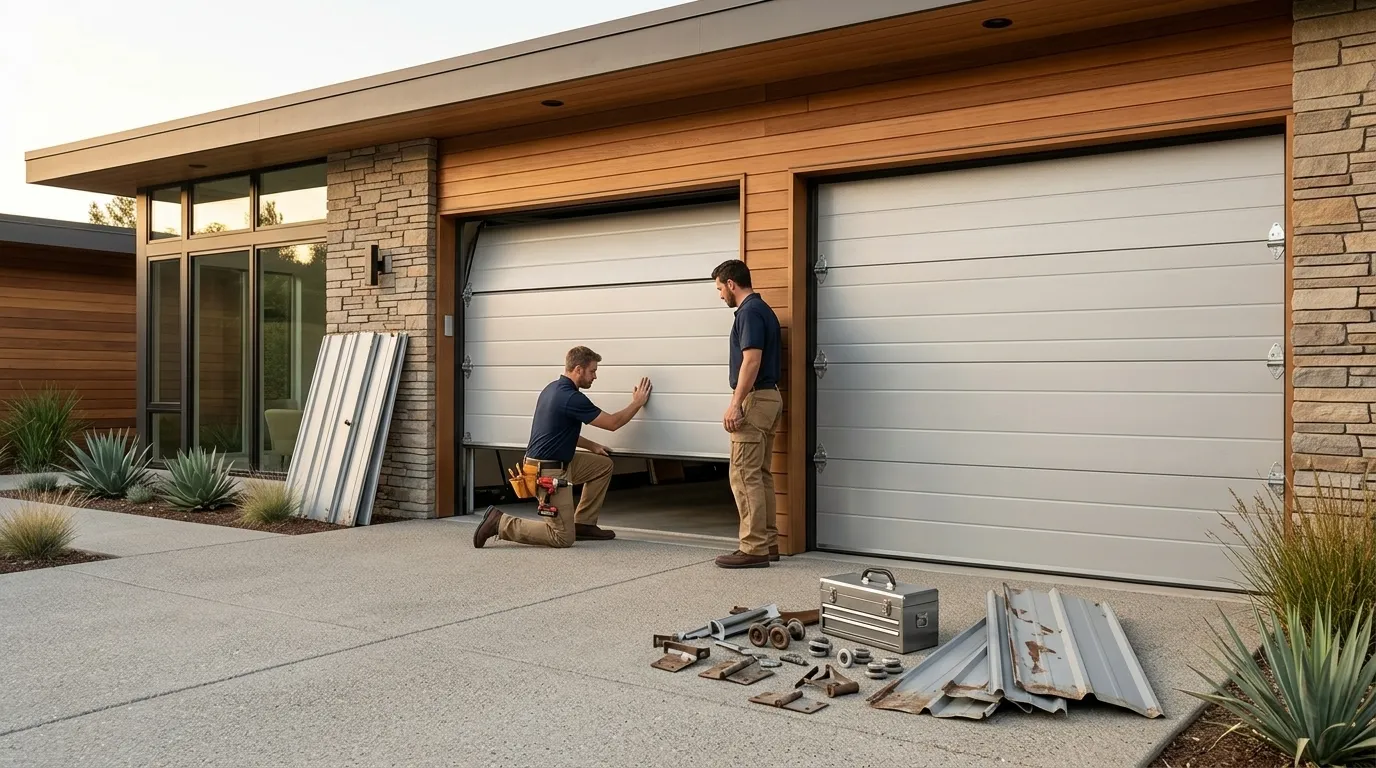
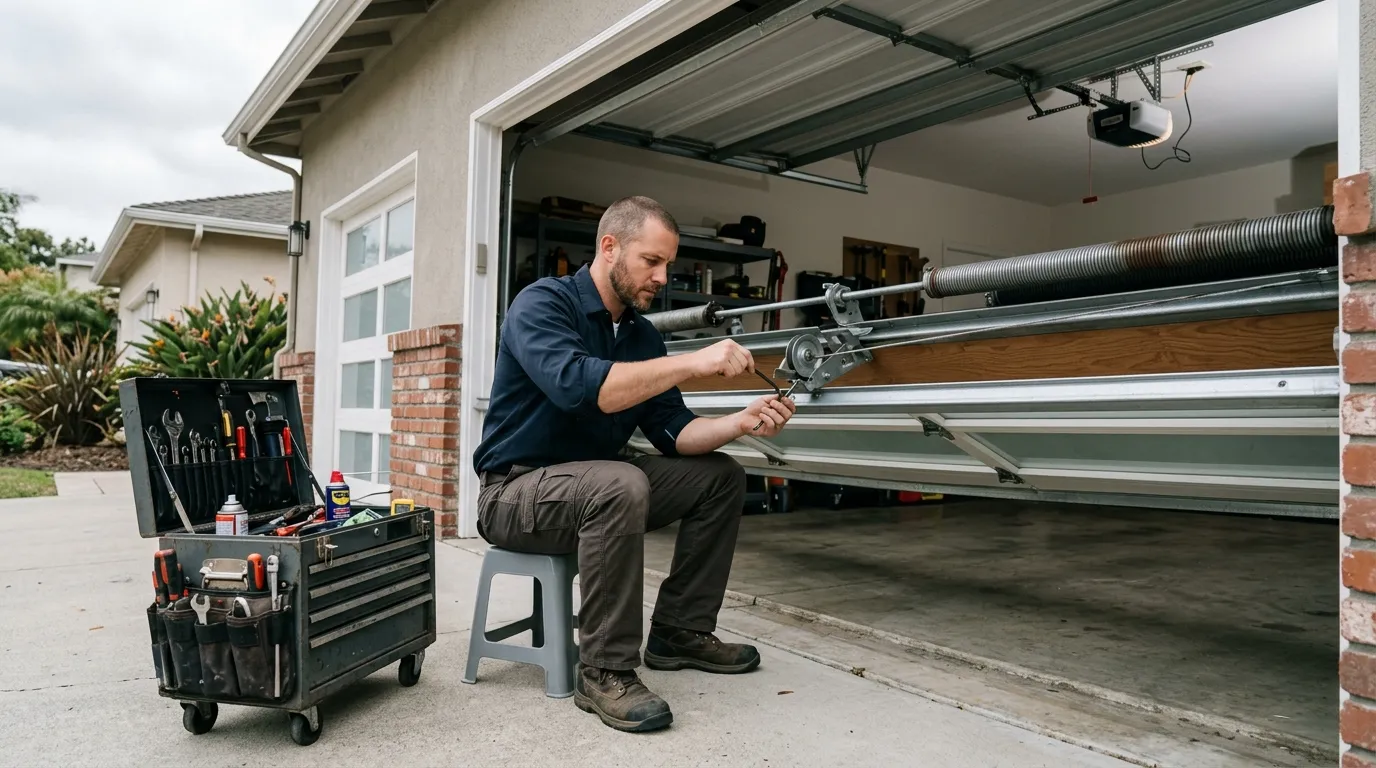
Sometimes the right call is to wait, and we'll say that plainly: a door that's a little loud, closes a bit crooked, or has one worn roller isn't an emergency, and you don't need a truck out here for it. Where waiting stops making sense is a spring that's visibly stretched or gapped, a cable fraying at the drum, or a door that's started dropping fast on one side - those get worse on their own schedule, not yours, and they can take a panel or a finger with them. One honest limitation: if a part is specific to an older door style that's no longer made, we may be waiting on it same as you, and a same-day fix isn't always possible. In that case replacing the section, or sometimes the whole door, ends up faster and cheaper than sourcing a discontinued part. We'll tell you which situation you're in before we start any work, not after.

How it works

From “it’s stuck” to “it’s fixed”

1
Tell us what’s wrong - Lodi garage door service

Tell us what’s wrong

Describe the symptom - won’t open, loud bang, opener runs but the door won’t move.

2
On-site diagnosis - Lodi garage door service

On-site diagnosis

A technician tests the door under power and by hand and finds what actually failed.

3
Clear, up-front plan - Lodi garage door service

Clear, up-front plan

You get the fix that’s needed and what drives the cost - before any work starts.

4
Repaired & tested - Lodi garage door service

Repaired & tested

The repair is done, the door is set true and tested, and the work area left clean.

Next step

Serving Lodi, CA - tell us what your door’s doing and we’ll take it from there.

How we work

What to expect

A straight, honest approach on every Lodi job.

Diagnosis first

Every visit starts by finding what actually failed - not a pre-written parts list.

The right part for the door

Springs and openers matched to the door’s weight and age, so the fix holds up.

Straight answers

When a repair makes more sense than a replacement - or the reverse - you hear it plainly.

Clean, careful work

Tension released safely, hardware set true, the door tested under power before we leave.

Questions

Frequently asked

Straight answers about garage door repair in Lodi. Still unsure? Ask us directly.

My garage door is original to the house - is it too old to repair?

Not automatically. A lot of houses in this area have doors going back to the 1960s or 70s, and plain hardware issues - rollers, hinges, a worn cable - are fixable regardless of the door's age. What usually can't be fixed is a warped or delaminated panel, or a spring sized wrong for the door's current weight. We'll look at the specific part failing before recommending replacement.

Does the heat here actually damage garage doors?

It's a moderate-heat climate here, not extreme, but decades of daily expansion and contraction on an uninsulated steel door - standard for houses built in this area's main construction era - loosens seams and hardens weatherstripping over time. It's gradual wear, not storm damage, and it shows up as a door that no longer seals or closes flush.

Is it worth replacing an old door instead of repairing it?

Depends on what's wrong. A bent track, worn roller, or single broken spring is almost always worth fixing on any door. A warped panel, or a door that needs parts no longer manufactured for its style, often costs more to chase down than to replace outright. Median income in this area puts replacement within reach for most owners, but it's not the right call every time.

Ready to get your garage door sorted?

Tell us what it’s doing and where you are in Lodi - we’ll take it from there.

Request a QuoteCall