The Calls We Get From Here
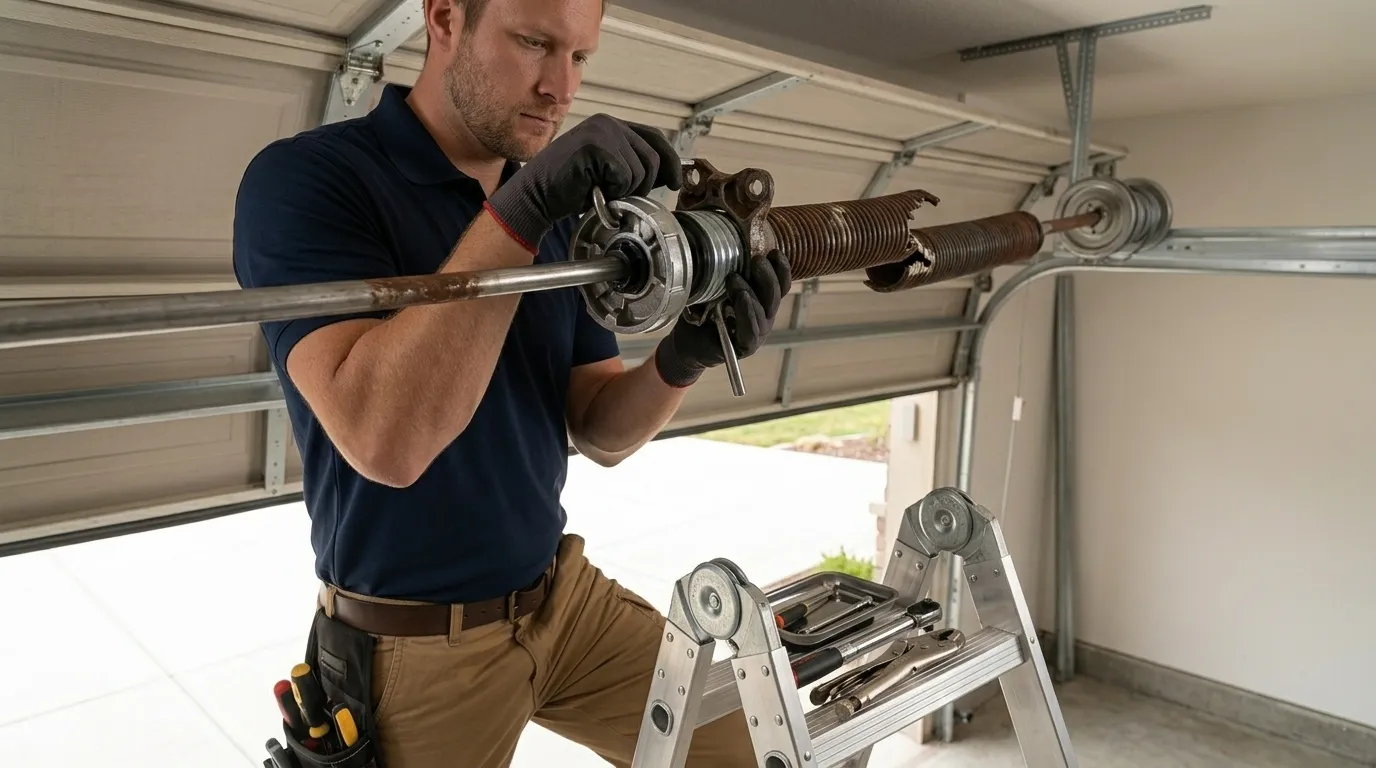
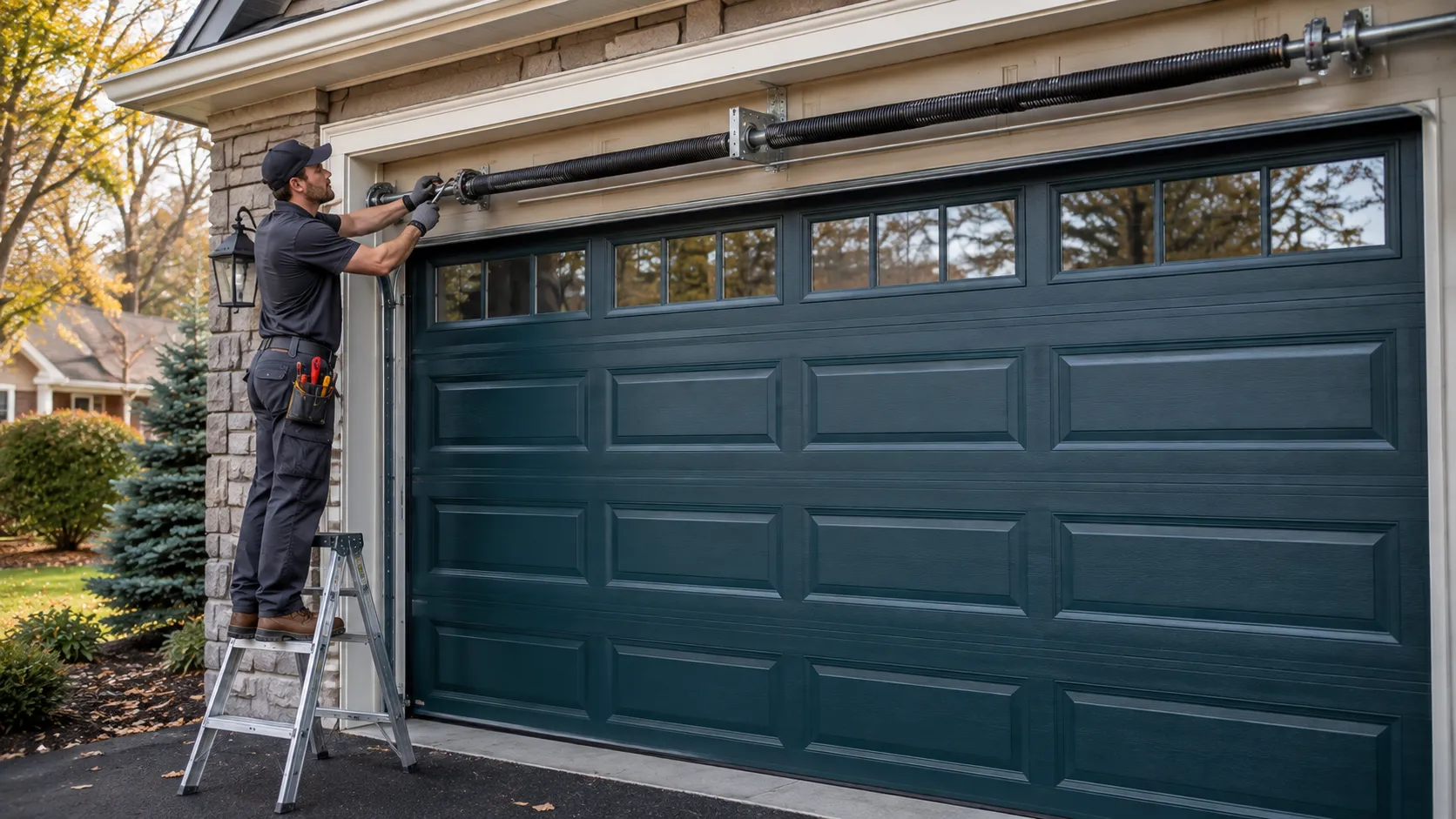
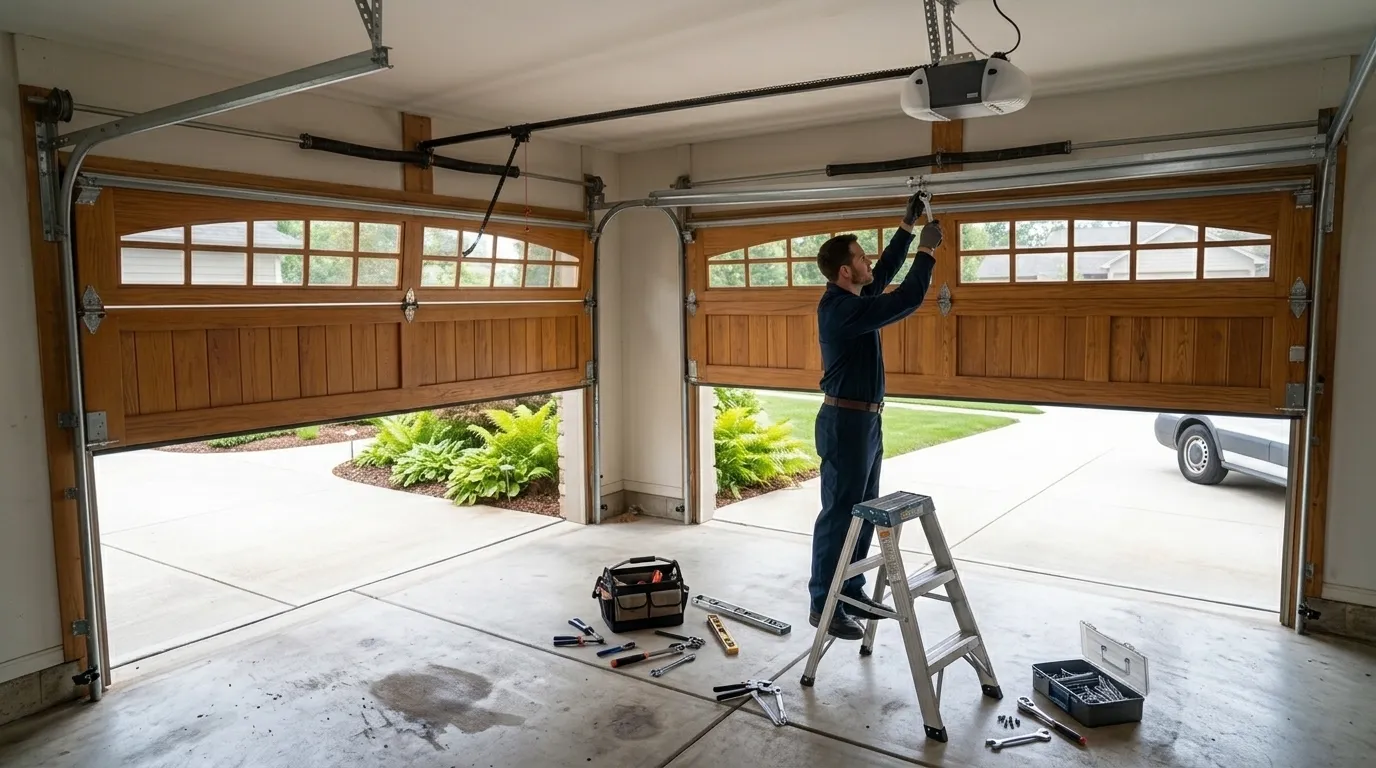
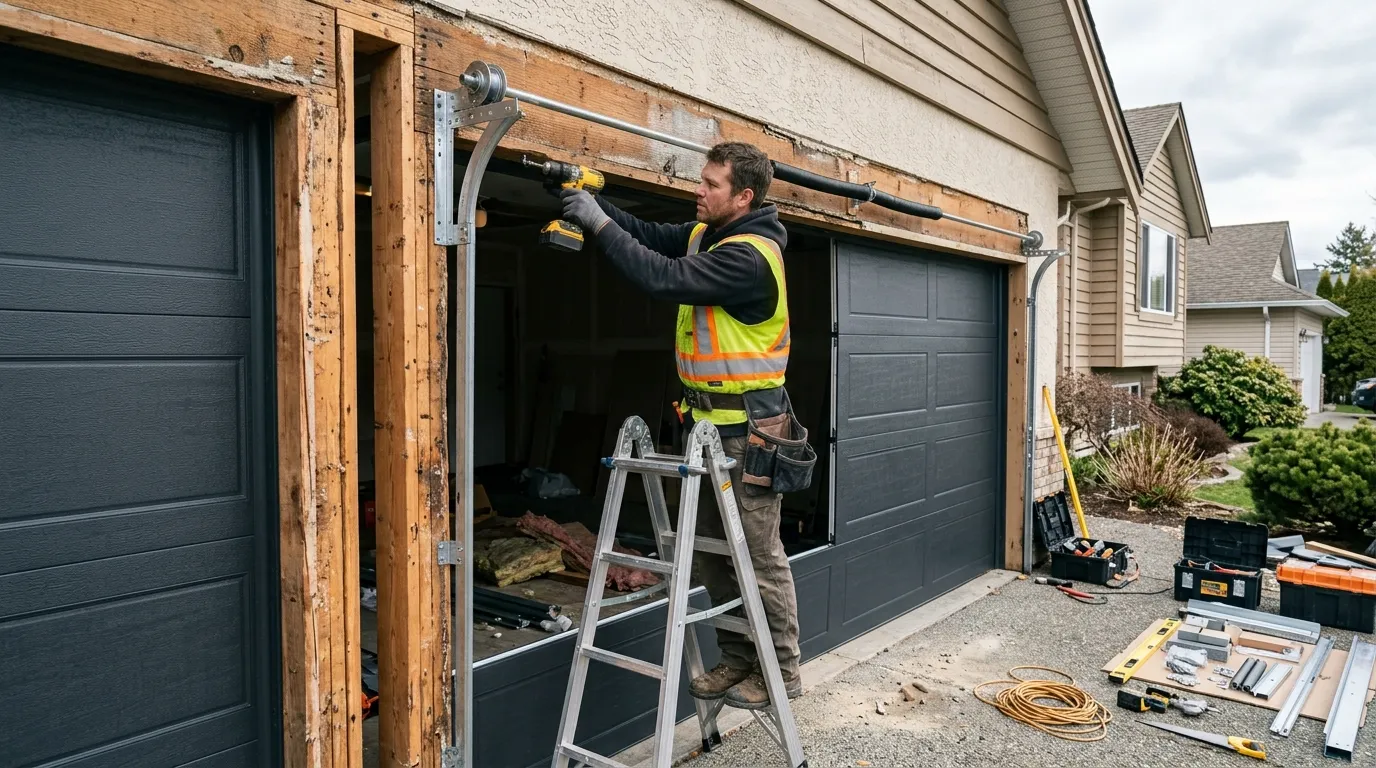
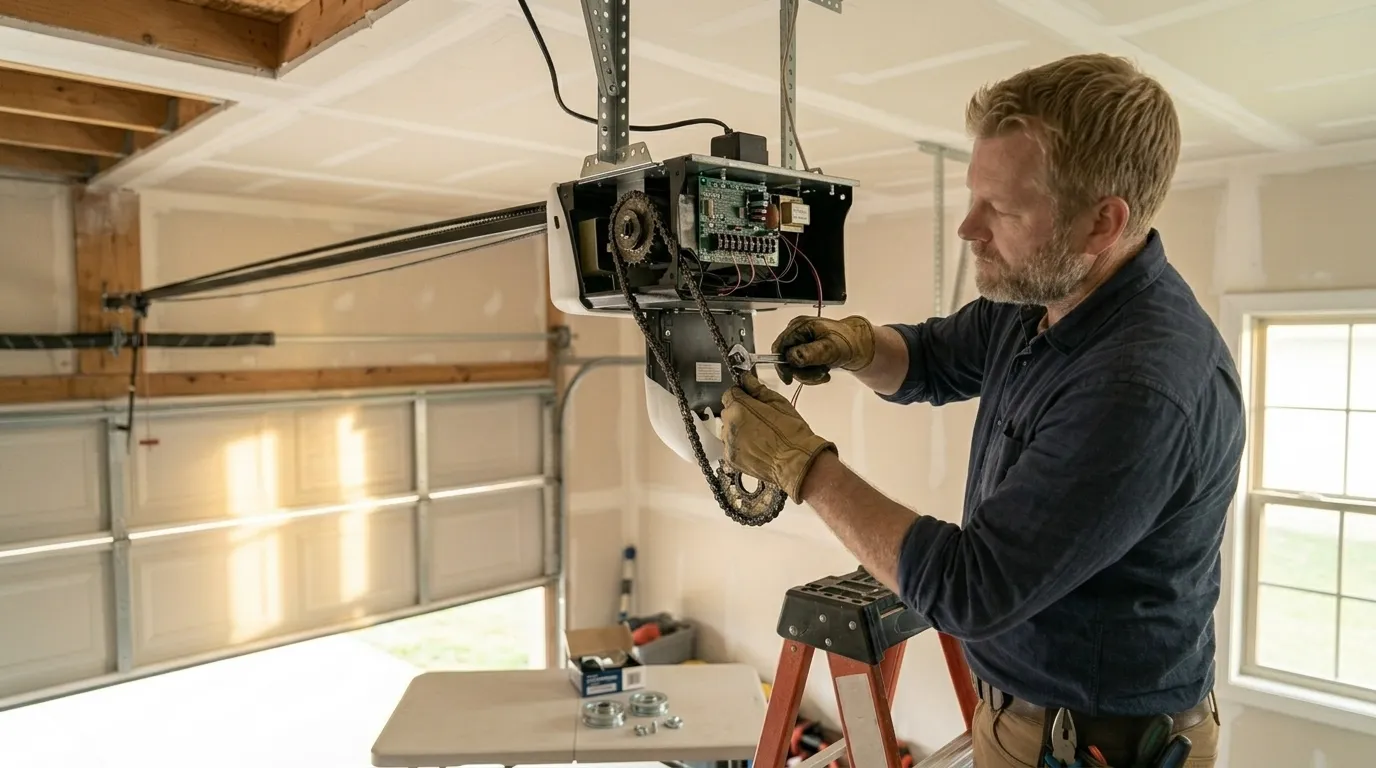
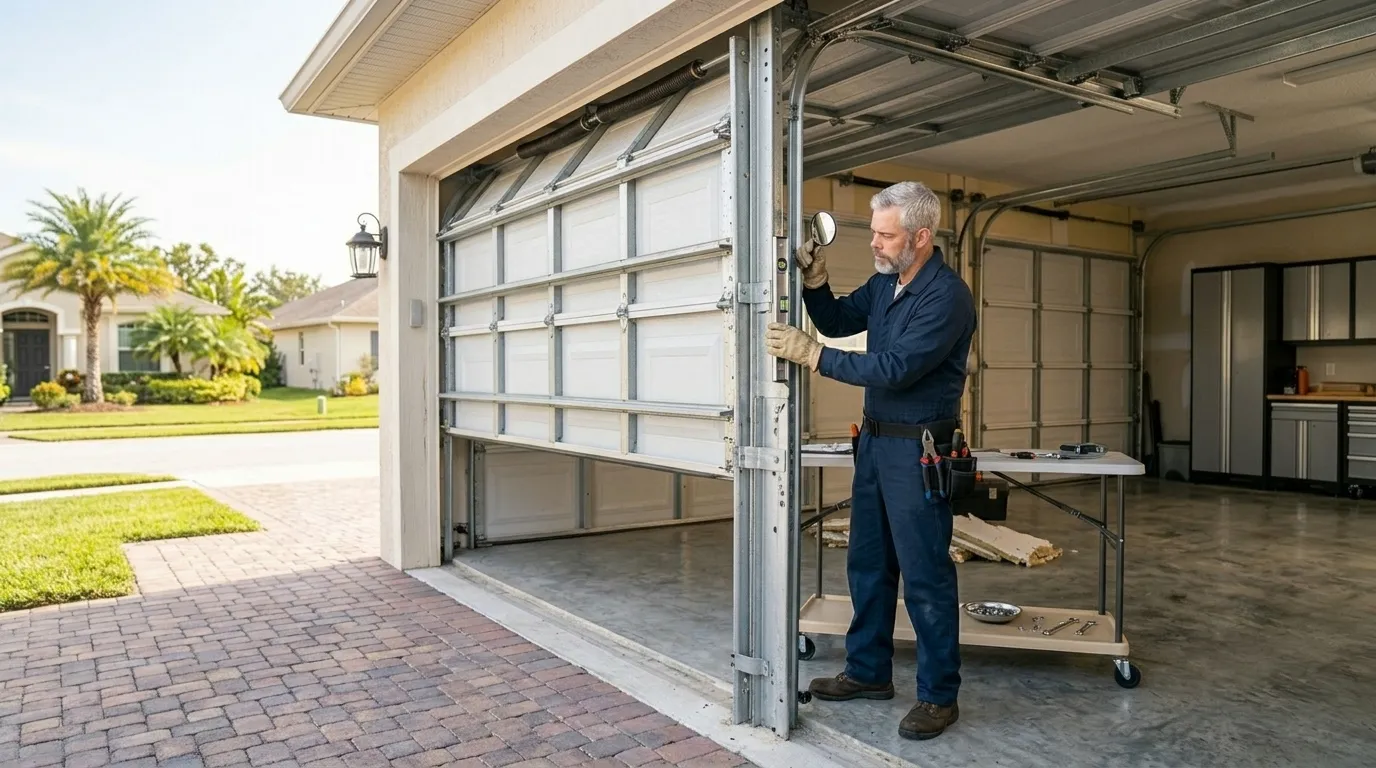
The calls from Garden Acres lean toward spring failure and drum wear more than opener electronics, which tracks with a housing stock built before garage door openers were standard equipment. Plenty of these doors got an opener bolted on years after the house was built, which means the original springs are doing more work than they were sized for, or the opener is straining against a door that's gone out of balance.
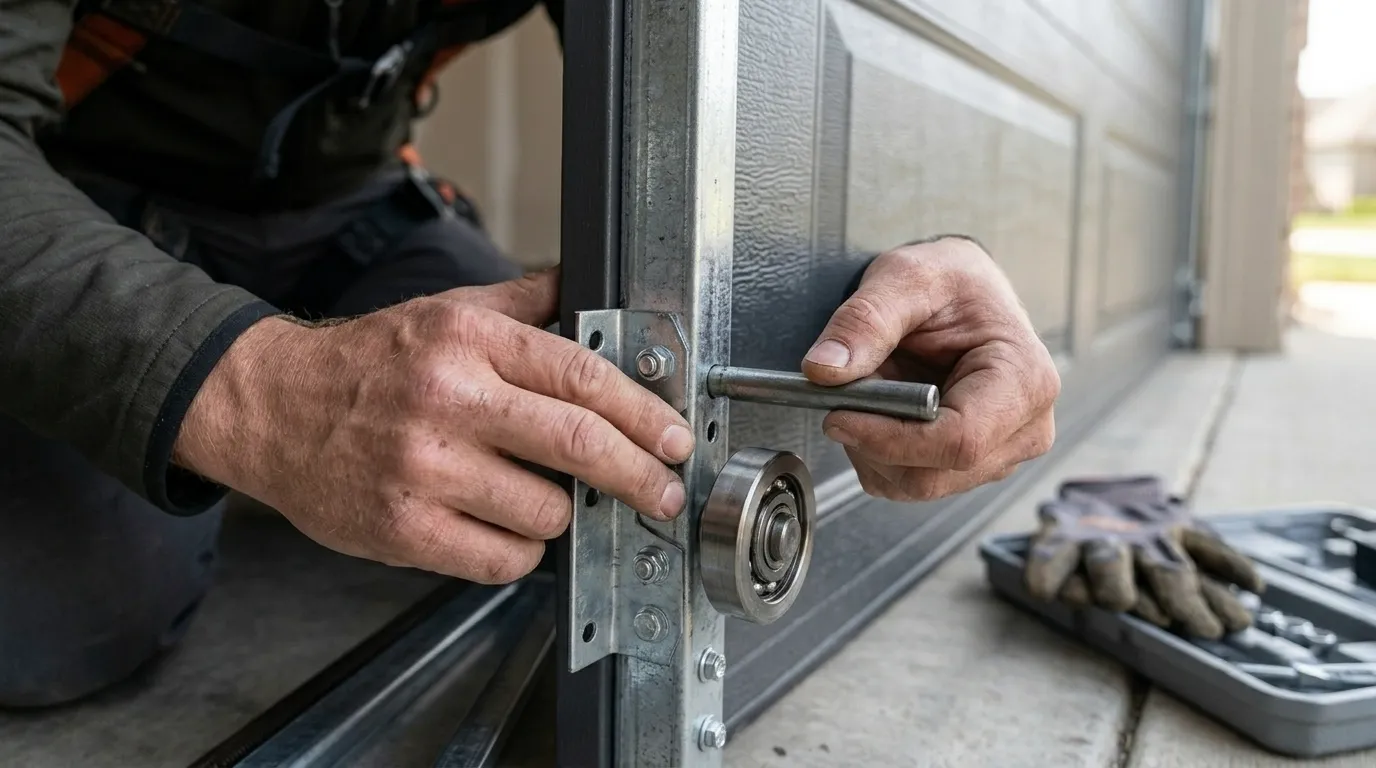
With 2,708 households in the area, we're not talking about a huge call volume, but the pattern repeats: a torsion spring that finally snaps after forty-plus years, or a track that's rusted at the bottom where it meets an old concrete slab. Median household income here runs $62,895, noticeably below the wider service area's $91,429, and that shows up in how people ask us to handle it - more requests to repair a spring and reset the balance rather than replace the whole door. We'll always tell you honestly which one makes sense for your door and your budget, even when replacement isn't the answer we'd make more money on.
This Area's Housing
Garden Acres is a smaller, older pocket relative to the rest of what we cover from Lodi. At 2,708 households, it's modest in size, and the 1958 median build year puts it solidly in the first wave of postwar construction for the region - older than the 1946-2001 range's midpoint of 1974 that describes the broader area. That means side-mounted torsion springs are more common here than the extension-spring setups that showed up in later decades, and headroom for a modern opener bracket can be tighter than in newer builds.
We're not going to tell you every house here has the same door, because they don't - some have been fully replaced with insulated steel doors and new openers, others haven't been touched since the original install. But when we're diagnosing a problem sight unseen over the phone, knowing the neighborhood's age gives us a real starting point instead of a blind guess.