24/7 Emergency Service Open 7 days · 7am–8pm Serving Lodi, CA & nearby
(209) 309-1723
Lodi, CA

Fixing vs. Replacing: The Old Garage Doors of Lodi

In Lodi, most garage doors date to the 1960s-70s building boom, and knowing that era helps you tell if yours is worth repairing or replacing outright.

Fixing vs. Replacing: The Old Garage Doors of Lodi

Where People Go Wrong

The mistake we see most in Lodi is treating every old door the same way. Housing here went up mostly between 1946 and 2001, with the heaviest run through the 1960s and 70s, and that thirty-year window covers three or four different generations of door hardware. A homeowner calls wanting a new opener bolted onto a door that's really the problem, or wants the whole unit replaced when it's one bent roller and a cable off the drum. Neither call is wrong to make, it's just often the wrong diagnosis before anyone's looked at the door.

The other common error is assuming age alone means replace. A wood-panel door from the 70s with steel torsion hardware from a later upgrade can still be sound, while a 1990s steel door with the original rollers might be the one actually failing. You have to look at the door and the hardware separately, because in this town they don't always match. Skipping that step is how people end up paying for a new door when a spring and a set of rollers would've done the job, or patching a door that's actually not worth the labor anymore.

What the Weather Here Does to It

Lodi sits in a moderate heat band, not the extreme end you'd get further inland or south. That matters because it means we don't see the aggressive panel warping or the paint-blistering that shows up on doors baked hard all summer in hotter climates. Your door isn't fighting that battle here.

What moderate heat still does, quietly, is dry out lubricant and stiffen seals faster than owners expect. A door that rolls smooth in spring can start binding by late summer because the track lube has thinned and the bottom seal has gone stiff and cracked at the corners. It's not dramatic, so people don't notice until the opener starts straining or the door doesn't seat flush anymore. That slow drift is honestly the main weather-related wear we deal with in Lodi doors, and it's cheap to head off. It's also worth saying plainly: heat alone rarely kills a door here. If yours is failing, something mechanical usually got there first and the heat just made it worse.

The Situation

Across the Lodi service area there are 26,985 households, and 17,555 of those are owner-occupied houses, not rentals. That number matters for garage doors because owner-occupied houses tend to keep the original door and hardware far longer than rental stock does, where a landlord swaps in whatever's cheapest at turnover. Combine that with a median household income of $91,429, and what you get is a lot of houses where the same family has owned the place since the door went in, and has the means to fix it properly rather than patch it twice.

The housing stock itself runs 1946 through 2001, with a median build year around 1974 and the bulk of it concentrated in that 1960s-70s stretch across the roughly nineteen named areas in and around town, including close-in spots like Woodbridge and North Woodbridge just a few miles out. That means a huge share of the doors we're called to look at share the same bones: same-era torsion or extension setups, same rough vintage of steel and wood panel, same points of failure showing up on houses built within a few years of each other.
Doing Nothing For Now

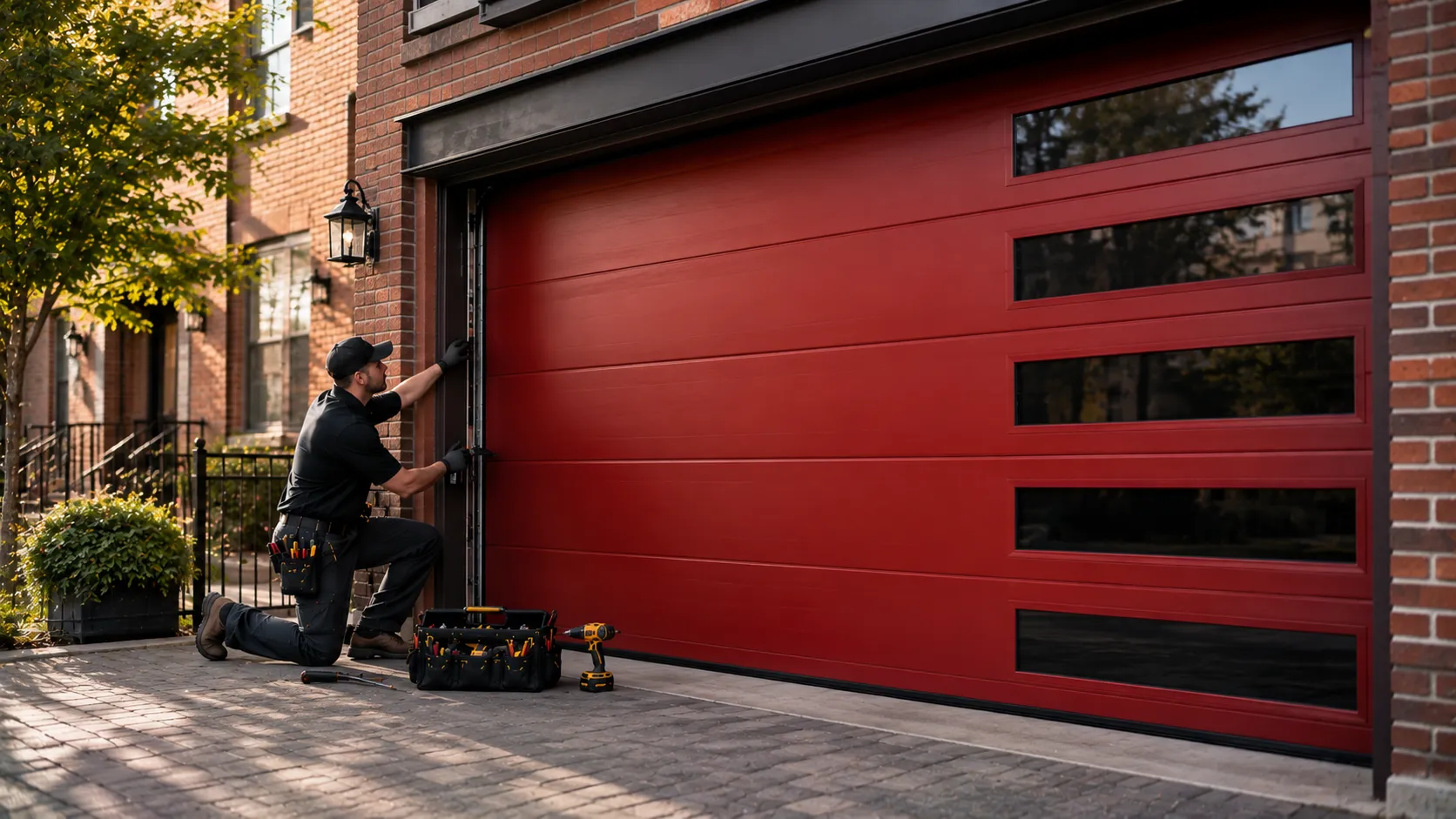
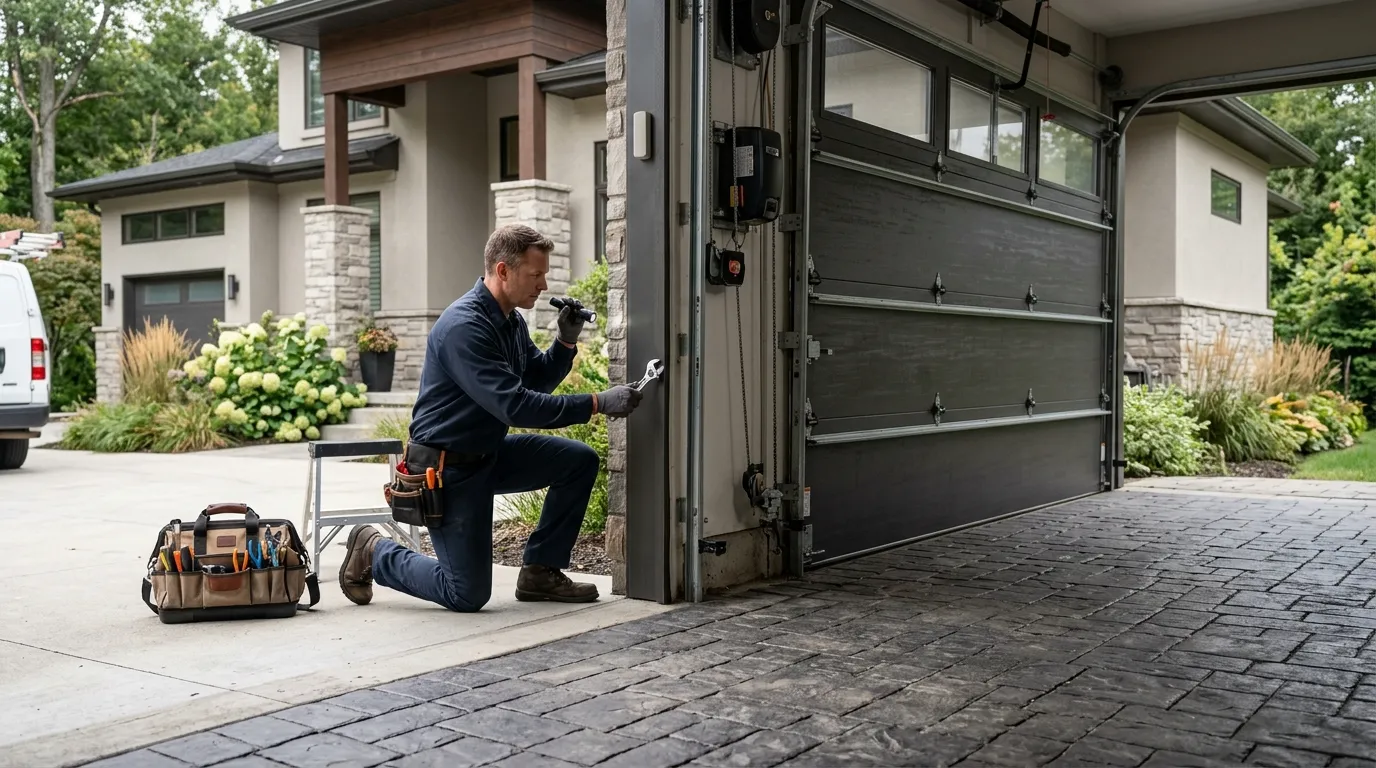
Sometimes the right call is to leave the door alone. If a door from that 1960s-70s run is opening and closing evenly, the spring isn't visibly stretched or gapped, and the only complaint is a little noise, you don't need to act on it yet. Lubricate the track and hinges, watch it for a season, and call when something actually changes.

Where we tell people to stop waiting is a cable that's frayed, a spring with a visible gap in the coil, or a door that's started reversing on its own mid-close. Those aren't cosmetic, they're the door telling you it's about to fail in a way that can hurt someone. We also won't pretend every old door is worth saving. If the panels are rusted through at the bottom or the track is bent enough that it's fighting the door on every cycle, patching it is money spent to delay a replacement you'll still need. That's the honest limit of repair work: it buys time on a sound door, it doesn't rebuild one that's structurally done.

How it works

From “it’s stuck” to “it’s fixed”

1
Tell us what’s wrong - Lodi garage door service

Tell us what’s wrong

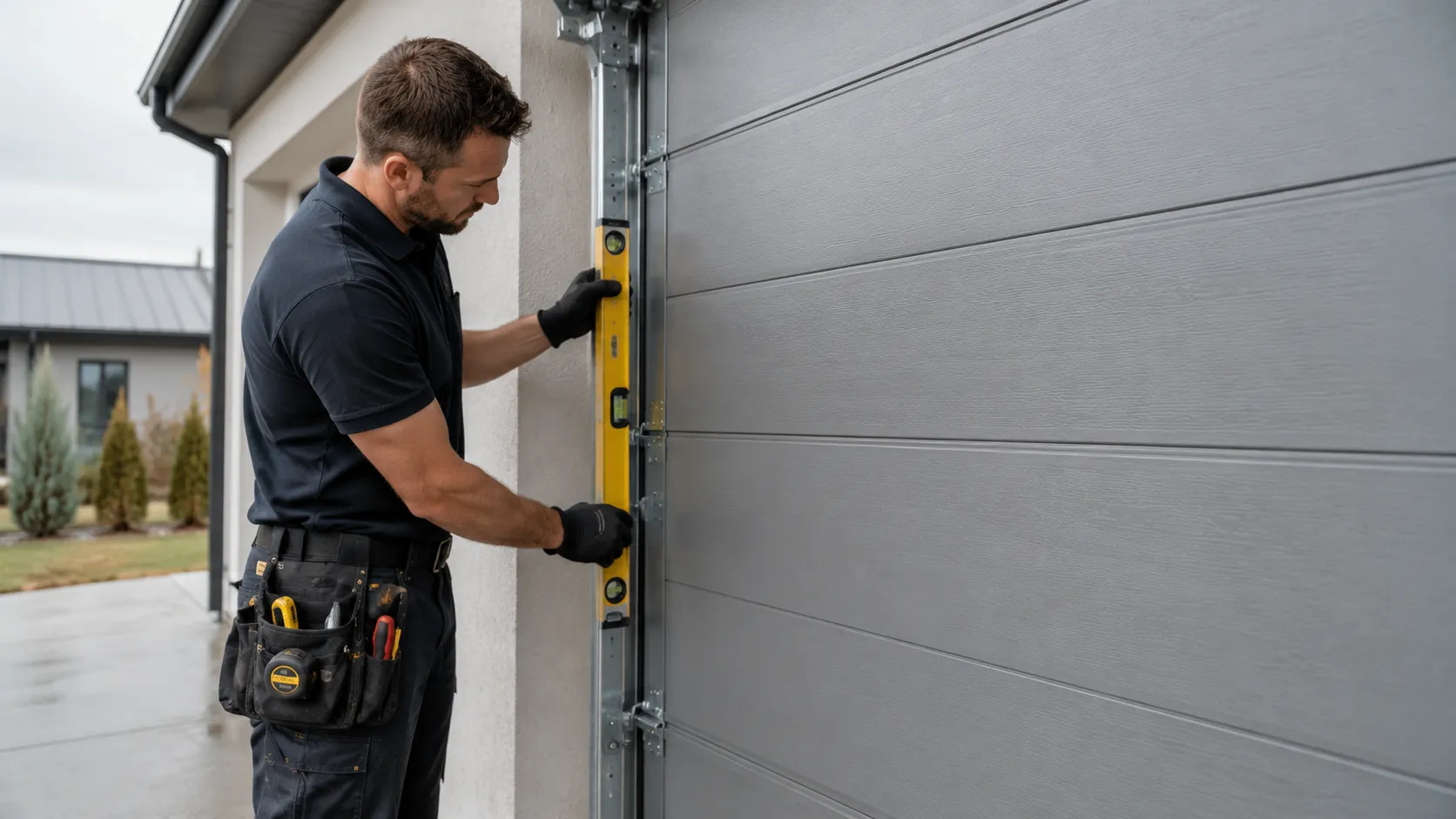
Describe the symptom - won’t open, loud bang, opener runs but the door won’t move.

2
On-site diagnosis - Lodi garage door service

On-site diagnosis

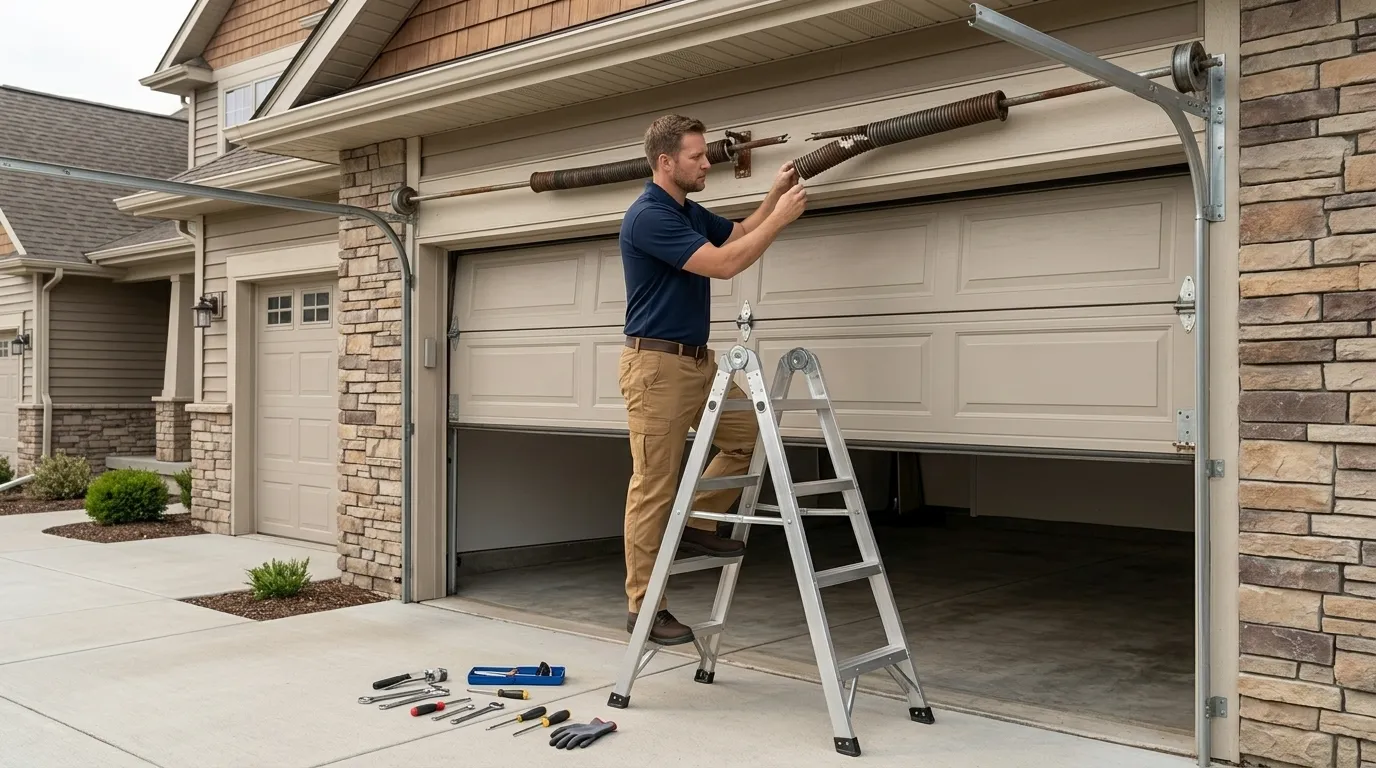
A technician tests the door under power and by hand and finds what actually failed.

3
Clear, up-front plan - Lodi garage door service

Clear, up-front plan

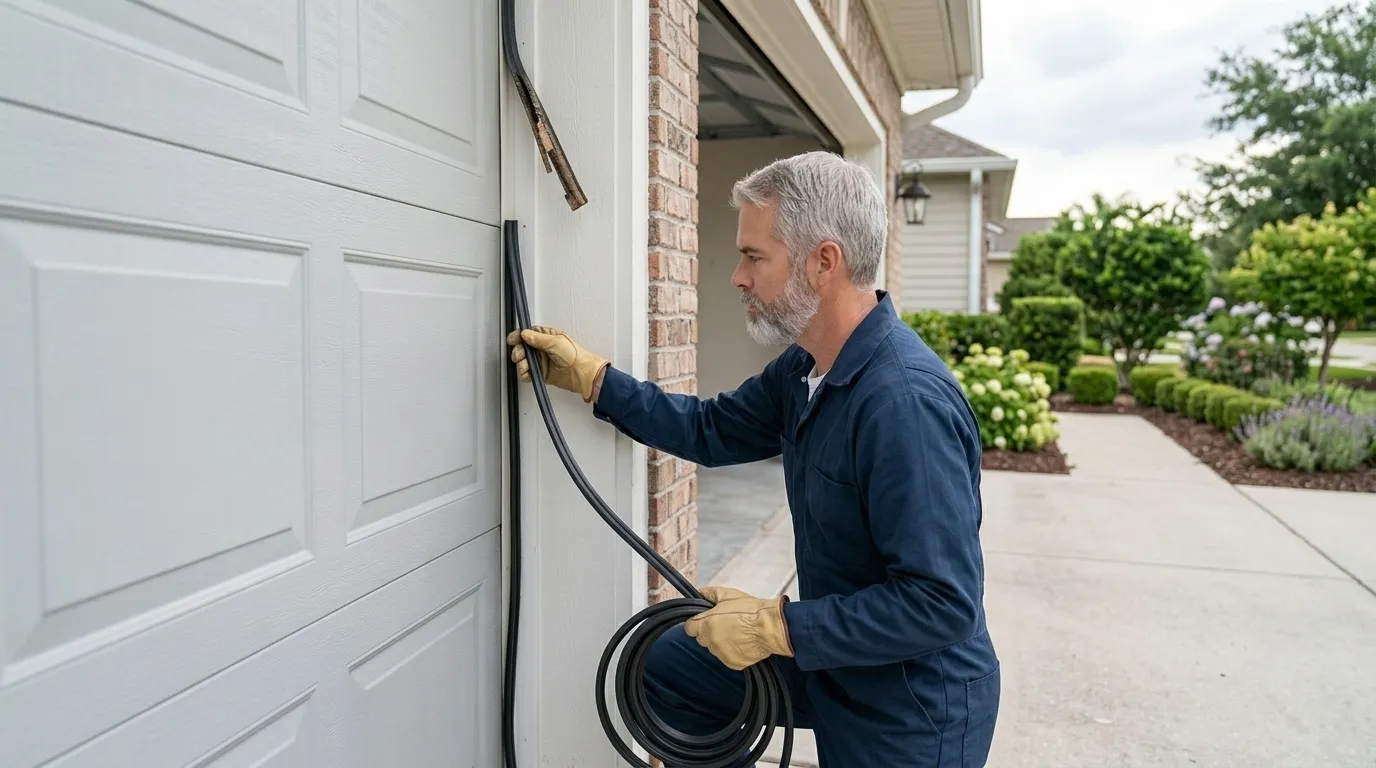
You get the fix that’s needed and what drives the cost - before any work starts.

4
Repaired & tested - Lodi garage door service

Repaired & tested

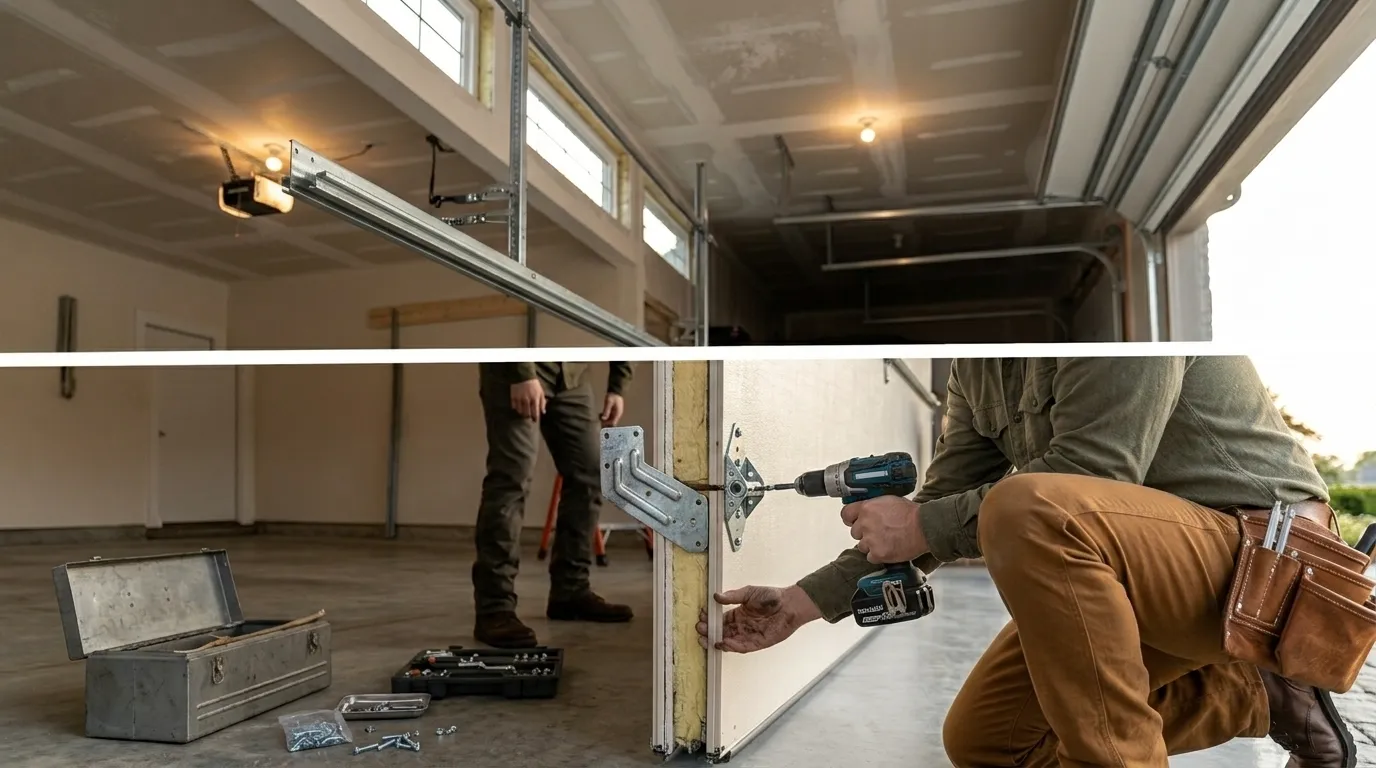
The repair is done, the door is set true and tested, and the work area left clean.

Next step

Serving Lodi, CA - tell us what your door’s doing and we’ll take it from there.

How we work

What to expect

A straight, honest approach on every Lodi job.

Diagnosis first

Every visit starts by finding what actually failed - not a pre-written parts list.

The right part for the door

Springs and openers matched to the door’s weight and age, so the fix holds up.

Straight answers

When a repair makes more sense than a replacement - or the reverse - you hear it plainly.

Clean, careful work

Tension released safely, hardware set true, the door tested under power before we leave.

Questions

Frequently asked

Straight answers about garage door repair in Lodi. Still unsure? Ask us directly.

Is my garage door too old to repair?

Not automatically. Lodi's housing stock runs 1946 to 2001, with most built in the 1960s and 70s, and a lot of those original doors are still sound mechanically even if the paint or panels look tired. Age of the door matters less than the condition of the spring, cables, and track. We look at those before we talk replacement.

Does Lodi's heat damage garage doors much?

Less than you'd think. Lodi sits in a moderate heat band, so we don't see the panel warping or blistering that shows up in hotter inland areas. The main heat-related issue here is dried-out track lubricant and stiffened bottom seals, which is minor maintenance, not structural damage.

My house was built in the 60s or 70s, does that mean special parts?

Often yes. A big share of houses in and around Lodi, including nearby Woodbridge and North Woodbridge, were built in that window, and doors from that era commonly used torsion or extension hardware that's a different size or style from what's sold today. We carry what fits most of that stock, but it's worth checking before assuming a modern part will bolt straight on.

Is it cheaper to fix or replace an old door?

Depends on what's actually wrong. A spring, cable, or roller repair on a sound door is far cheaper than replacement. But if the panels are rusted through or the track is bent from an impact, repair just delays a replacement you'll still need. We'll tell you straight which side of that line your door is on.

Ready to get your garage door sorted?

Tell us what it’s doing and where you are in Lodi - we’ll take it from there.

Request a QuoteCall