24/7 Emergency Service Open 7 days · 7am–8pm Serving Lodi, CA & nearby
(209) 309-1723
Lodi, CA

What Actually Knocks a Garage Door Off Track in Lodi

In Lodi's 1960s-70s tract homes, doors go off track from worn rollers, bent track, and stretched cable in the summer heat - here's why, and what fixes it.

What Actually Knocks a Garage Door Off Track in Lodi

Where People Go Wrong

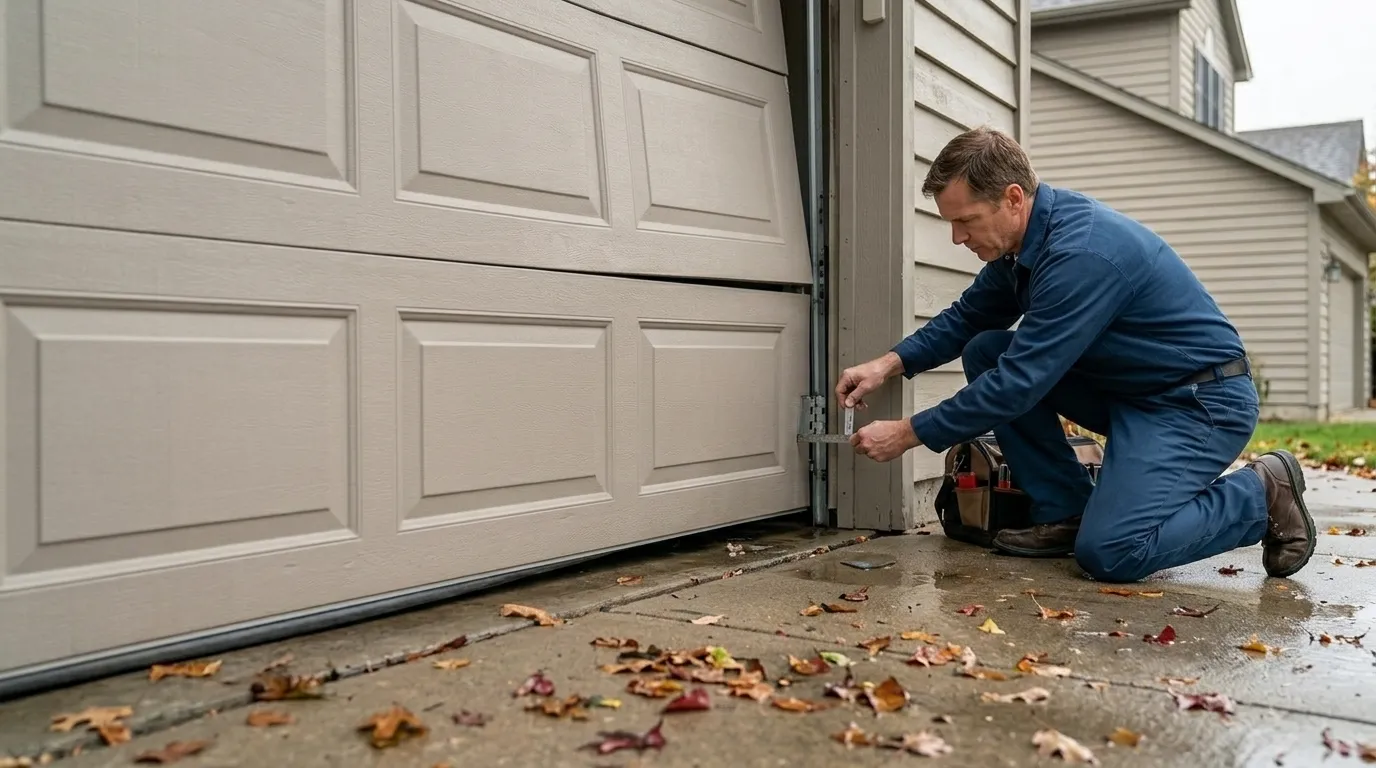
The first move most homeowners make is grabbing a pipe wrench and trying to bend the track back into line. That almost never fixes anything, and on a lot of the doors we see around Lodi it makes the next repair harder. The housing stock here mostly went up between 1946 and 2001, with the median build year landing around 1974, so a huge share of the doors still running are riding on the original steel rollers and the original track brackets - hardware that's now fifty-plus years old in a lot of cases. When a door walks off track on a house from that era, the track itself is rarely the problem. It's a roller that's worn down to a smaller diameter than it started with, riding loose in a track it no longer fills. Straightening the rail just moves the slop somewhere else. The other mistake is assuming a new opener fixes a tracking problem. It doesn't - the opener pulls the door, it doesn't guide it. Guidance is rollers, track, and the hinges holding the sections square. Fix the part that's actually worn, not the part that's easiest to reach.

What the Weather Here Does to It

Lodi sits in a moderate heat climate band, and that matters more for tracking problems than people expect. It's not freeze-thaw cracking metal the way it does in colder regions - it's the daily heat cycle. Steel track expands as the day warms up and the garage bay heats with it, then contracts again overnight. Do that every day for a summer and the mounting bolts on the track brackets work themselves looser, a little at a time. Grease on the rollers and hinges also breaks down faster in sustained heat, turning gummy and picking up dust instead of staying slick. A roller running dry doesn't roll evenly anymore - it grabs, skips, and pulls the door slightly sideways each time it passes a bracket. On an older track, already worn thin from decades of the same cycle, that's often the tipping point that lets a door jump the rail entirely. None of this happens overnight. It's slow wear from heat, repeated for years on hardware that was never rated to last this long in the first place.

The Situation

Across the service area, there are 26,985 households and 17,555 owner-occupied houses, spread through nineteen named communities from Woodbridge four miles out to Bethel Island twenty miles away. Most of that stock - Woodbridge, Morada, Collierville, Lockeford, and the rest - went up in that same 1960s-70s wave, which means a lot of these houses are running the same generation of door hardware wearing out at roughly the same time. Median household income in the area sits at $91,429, which is worth mentioning because it shapes the real choice homeowners face: replace worn rollers and hinges as a repair, or replace the whole door when the track, springs, and rollers are all failing together. Neither is automatically the right call - it depends on what's actually worn versus what's cosmetic. A door built for this housing era, running original hardware, is usually past the point where one roller swap solves it. That's the situation on a lot of these calls: not one broken part, but a full set of components that aged out together.

Doing Nothing For Now

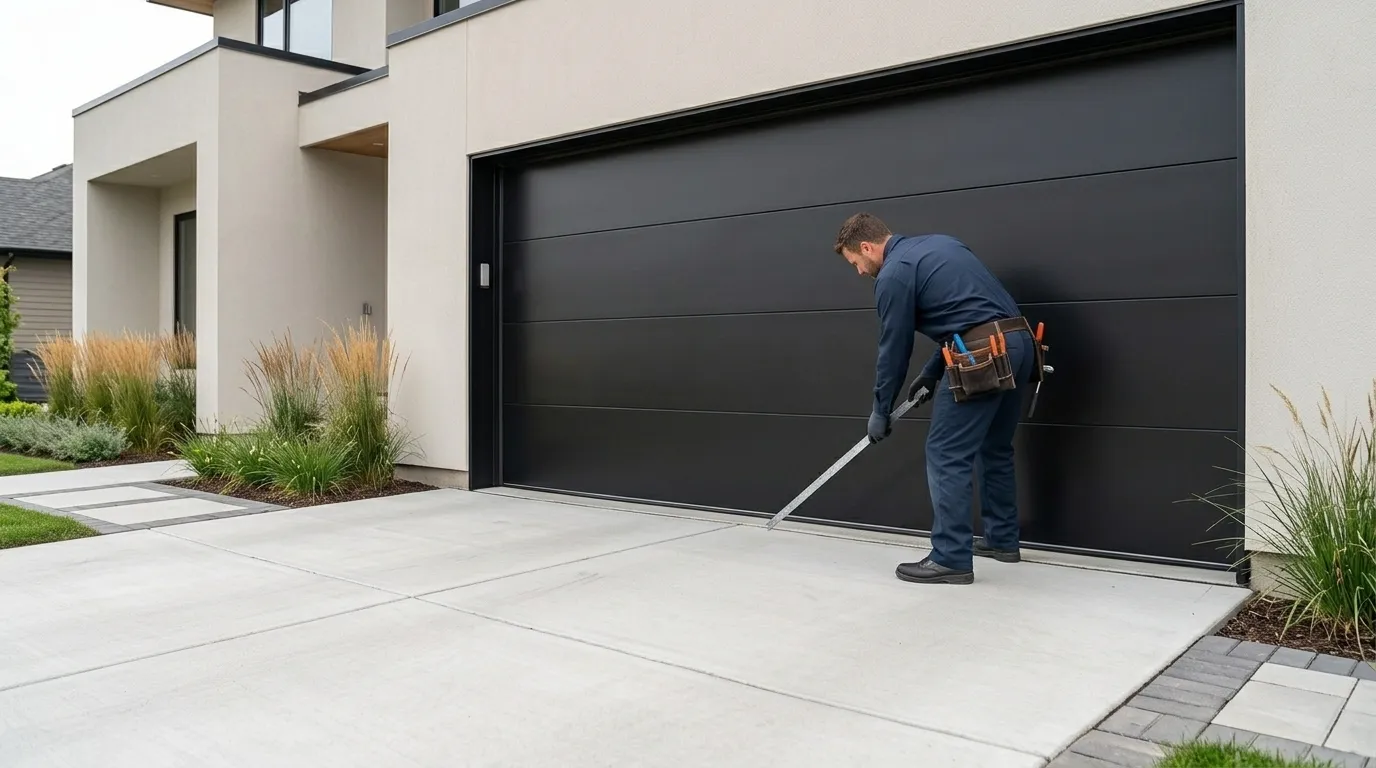
Here's the honest part. If your door is only barely off track - it still opens, just rubs or catches at one spot - you can often get another season out of it with fresh grease on the rollers and hinges and the track bolts checked for play. That's a real option, not a stall tactic. But if the door has actually jumped the track, or the rollers are visibly worn down to a narrow stub, don't keep running the opener through it. Forcing a motor to pull a door that's binding on a bent or loose track strips the opener gears or snaps a cable, and that turns a $150 roller job into a full section and spring replacement. We don't recommend hammering a track back into shape yourself - on older brackets that are already fatigued from decades of heat cycling, they can crack rather than bend, and then you're replacing the bracket anyway. If it's just cosmetic rubbing, wait. If it's grinding or has actually left the rail, that's not a wait-and-see repair.

How it works

From “it’s stuck” to “it’s fixed”

1
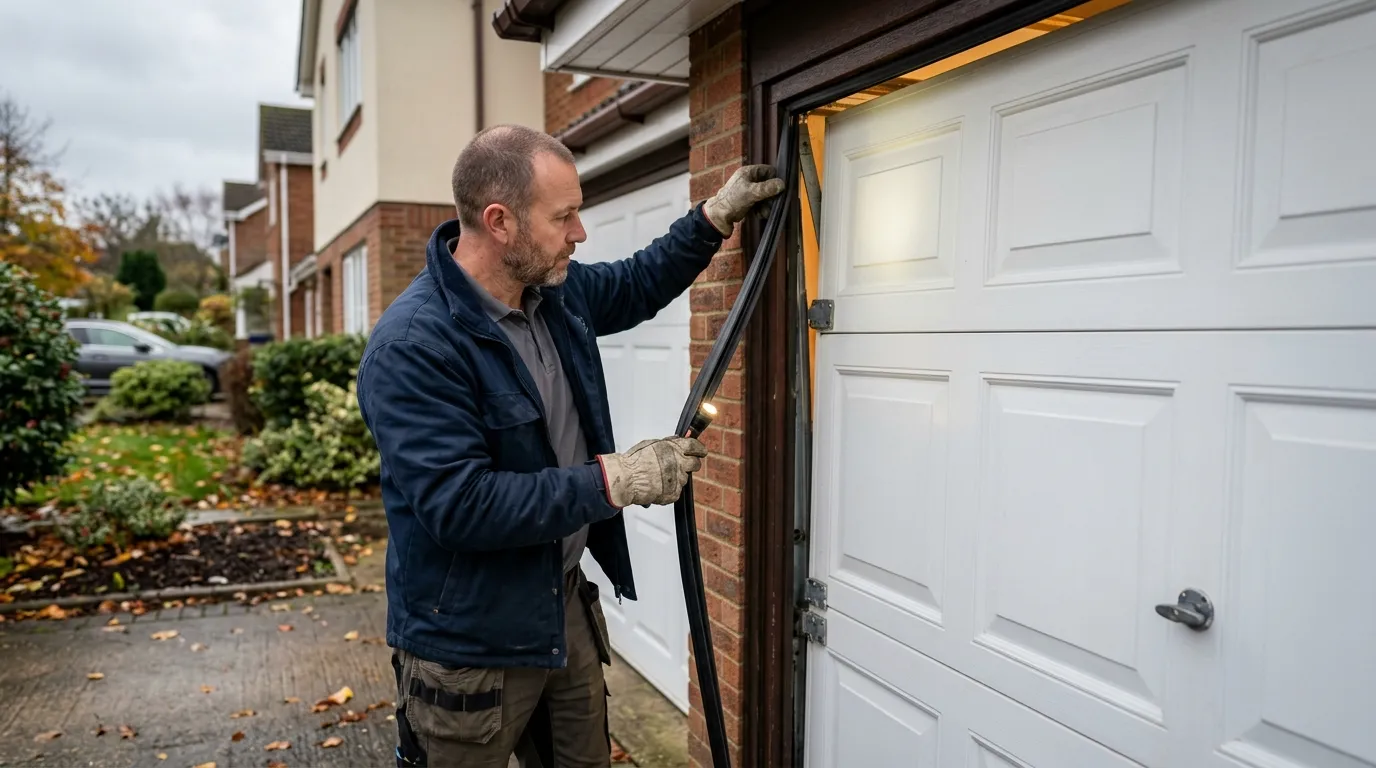
Tell us what’s wrong - Lodi garage door service

Tell us what’s wrong

Describe the symptom - won’t open, loud bang, opener runs but the door won’t move.

2
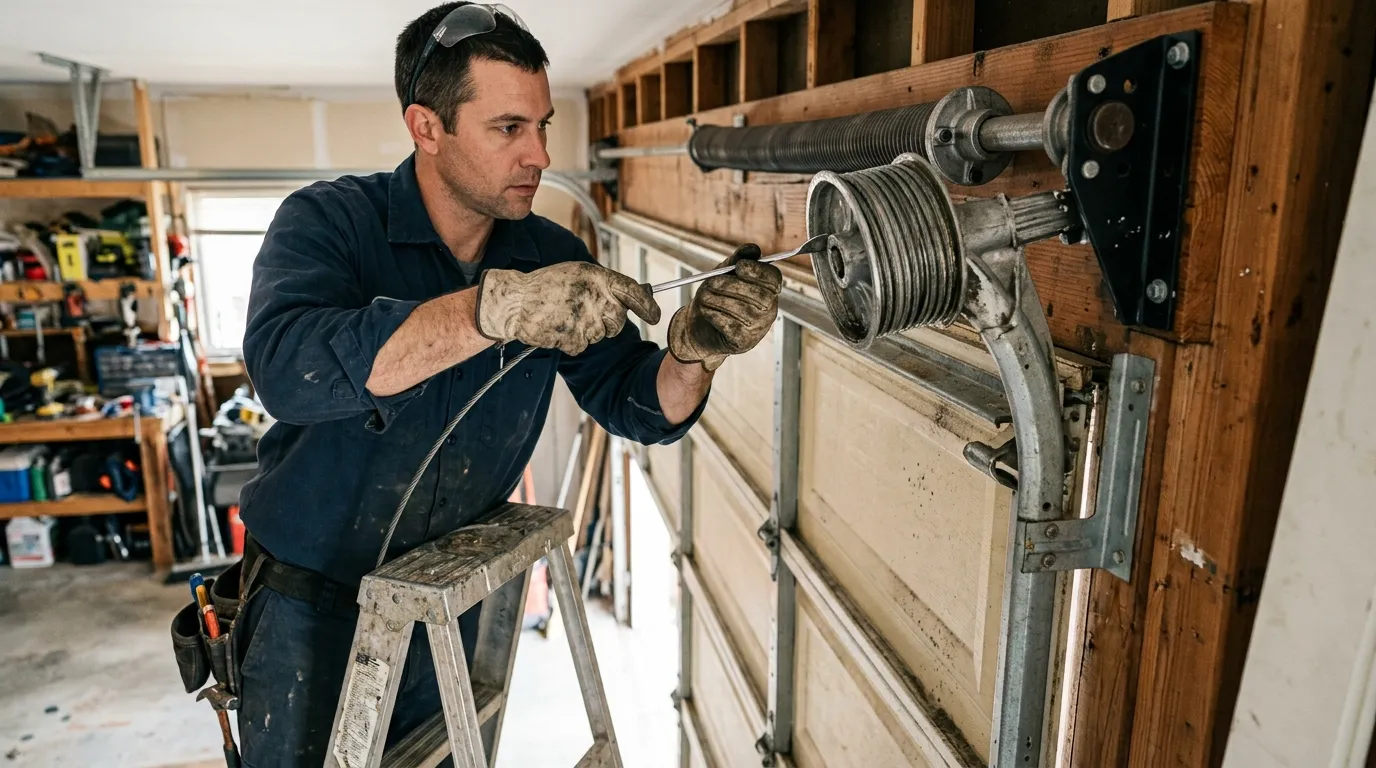
On-site diagnosis - Lodi garage door service

On-site diagnosis

A technician tests the door under power and by hand and finds what actually failed.

3
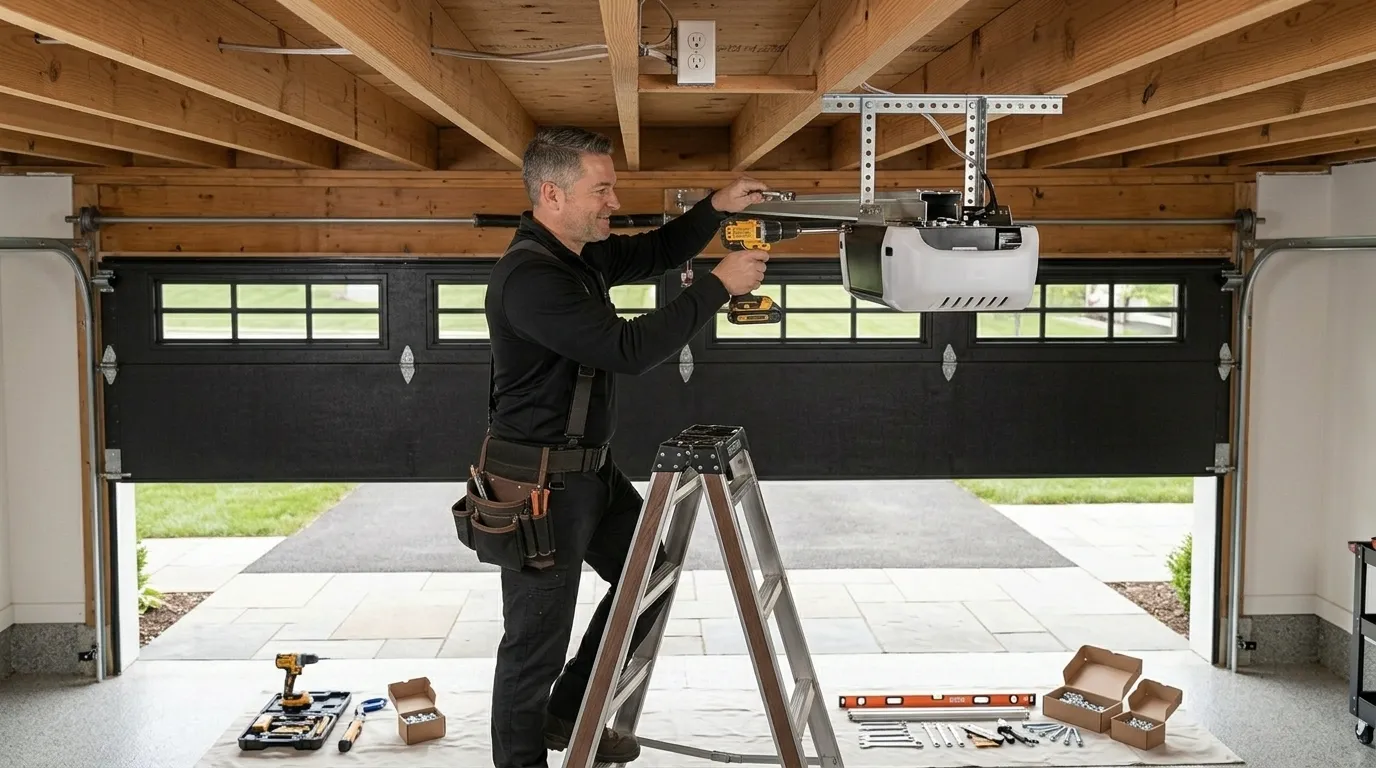
Clear, up-front plan - Lodi garage door service

Clear, up-front plan

You get the fix that’s needed and what drives the cost - before any work starts.

4
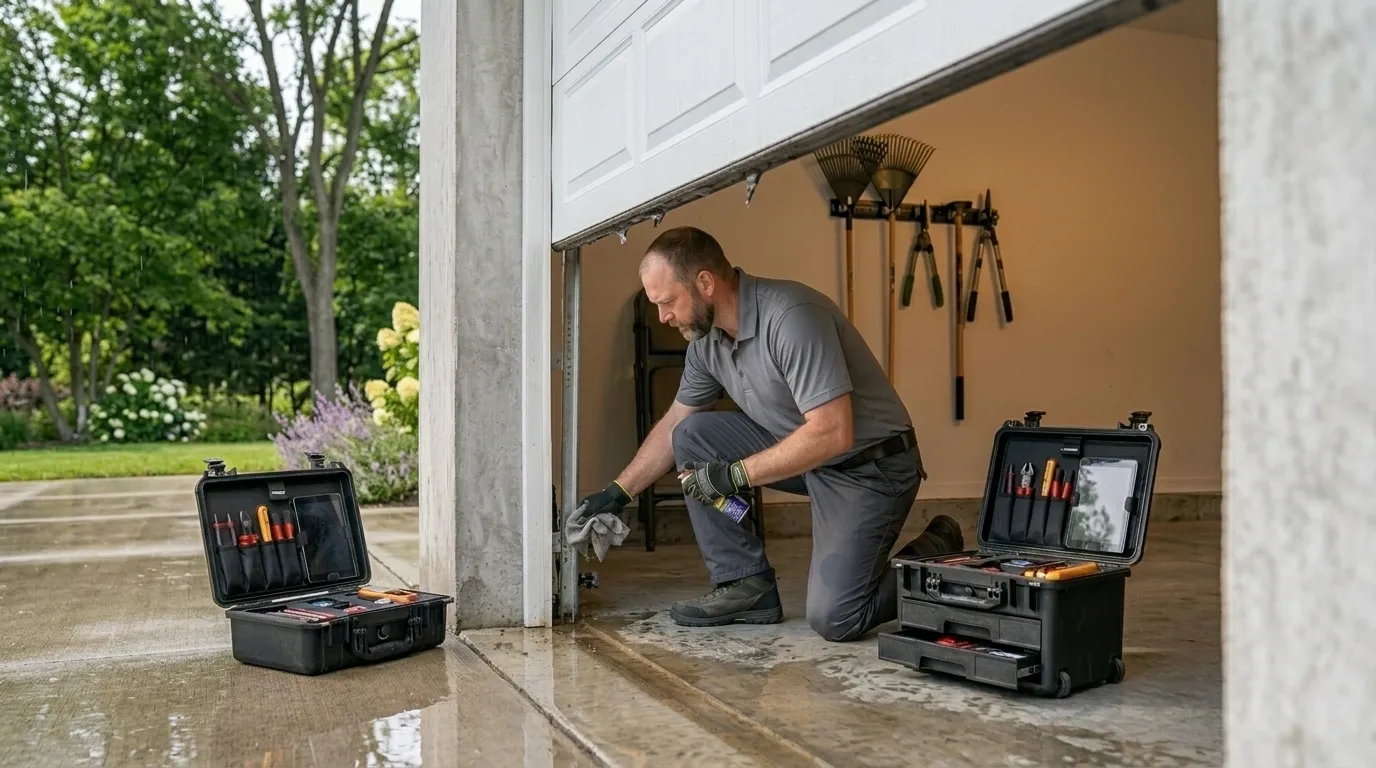
Repaired & tested - Lodi garage door service

Repaired & tested

The repair is done, the door is set true and tested, and the work area left clean.

Next step

Serving Lodi, CA - tell us what your door’s doing and we’ll take it from there.

How we work

What to expect

A straight, honest approach on every Lodi job.

Diagnosis first

Every visit starts by finding what actually failed - not a pre-written parts list.

The right part for the door

Springs and openers matched to the door’s weight and age, so the fix holds up.

Straight answers

When a repair makes more sense than a replacement - or the reverse - you hear it plainly.

Clean, careful work

Tension released safely, hardware set true, the door tested under power before we leave.

Questions

Frequently asked

Straight answers about garage door repair in Lodi. Still unsure? Ask us directly.

Why does my garage door only go off track in the summer?

Heat cycling in Lodi's climate expands and contracts the steel track daily, which slowly loosens track bracket bolts and dries out roller grease faster than in cooler months. On an older track that's already worn, that extra play is often enough to let a roller jump the rail during a hot stretch.

Is a bent track always the reason a door comes off the rail?

No. On houses built in the 1960s-70s window common around Lodi, worn rollers are usually the real cause - they shrink over decades of use and start riding loose inside a track that hasn't changed shape at all. Straightening a track that isn't actually bent doesn't fix a roller problem.

Can I just push the door back onto the track myself?

If it's only slightly off and the door still moves by hand, sometimes yes, carefully, with the opener disconnected. If it's jammed, grinding, or the cable looks loose, don't force it - that's how a spring lets go or a section gets bent, which costs a lot more than the original problem.

Ready to get your garage door sorted?

Tell us what it’s doing and where you are in Lodi - we’ll take it from there.

Request a QuoteCall