24/7 Emergency Service Open 7 days · 7am–8pm Serving Lodi, CA & nearby
(209) 309-1723
Lodi, CA

What a Service Call Actually Covers in Lodi

See what a Lodi Garage Door Pros service call actually includes, from spring checks to opener tests, tailored to homes built between 1946 and 2001 here.

What a Service Call Actually Covers in Lodi

Where People Go Wrong

Most calls we get start with someone telling us the opener is bad. It usually isn't. Housing in this part of the valley went up mostly between 1946 and 2001, with the median build year landing around 1974, so what we're actually dealing with on a lot of these doors is original or near-original hardware that's now 50 to 60 years into a job it was never built to last that long. The opener is the part people can see moving, so it gets blamed first. The spring, the rollers, and the track alignment - the stuff hidden behind the trim - don't get a look until the opener strains against them and burns out. A real service call checks the whole chain: spring tension, cable wear, track plumb, hinge wear, and only then the opener's force settings. Skipping straight to opener replacement on a door with a tired spring just means you'll be back in a year with a second failure. On a door this old, the fix that lasts starts with the parts nobody thinks to ask about.

What the Weather Here Does to It

This area sits in a moderate-heat climate band, not a freeze-thaw one, so we're not fighting ice splitting seals or cold-snapping springs the way colder regions do. What heat does instead is slower and less obvious. Grease and lubricant on rollers and hinges break down faster across repeated warm stretches, leaving metal-on-metal contact that wears tracks and rollers thin years before they'd otherwise need attention. On doors from the 1960s and 70s stock that's common across this service area, wood and early composite panels can dry out, warp slightly, and pull away from their frames after enough heat cycles, which throws off the door's balance even when the spring itself is fine. A service call in a heat-moderate area like this one spends real time on lubrication and panel fit, not just spring tension, because that's where the age of the door actually shows first. It's a different failure pattern than a cold-climate house, and it changes what we check and in what order.

The Situation

Across this service area there are roughly 26,985 households, with 17,555 of those owner-occupied houses - the group most of our calls come from. Median household income sits at $91,429, which tells us most homeowners here are maintaining a house they own outright or are well into paying off, not renting and waiting on a landlord. Combine that with a housing stock built mostly between 1946 and 2001, median 1974, and you get a specific kind of service call: an owner who wants the door fixed right rather than patched, on hardware old enough that some parts are original to the house. That's a different job than replacing a five-year-old door's frayed cable. It means checking whether the track was ever upgraded, whether the spring is the original size for the door's weight, and whether the opener was added later and never matched properly to the spring system. A service call on a house like this covers those mismatches as much as it covers wear and tear.

Doing Nothing For Now

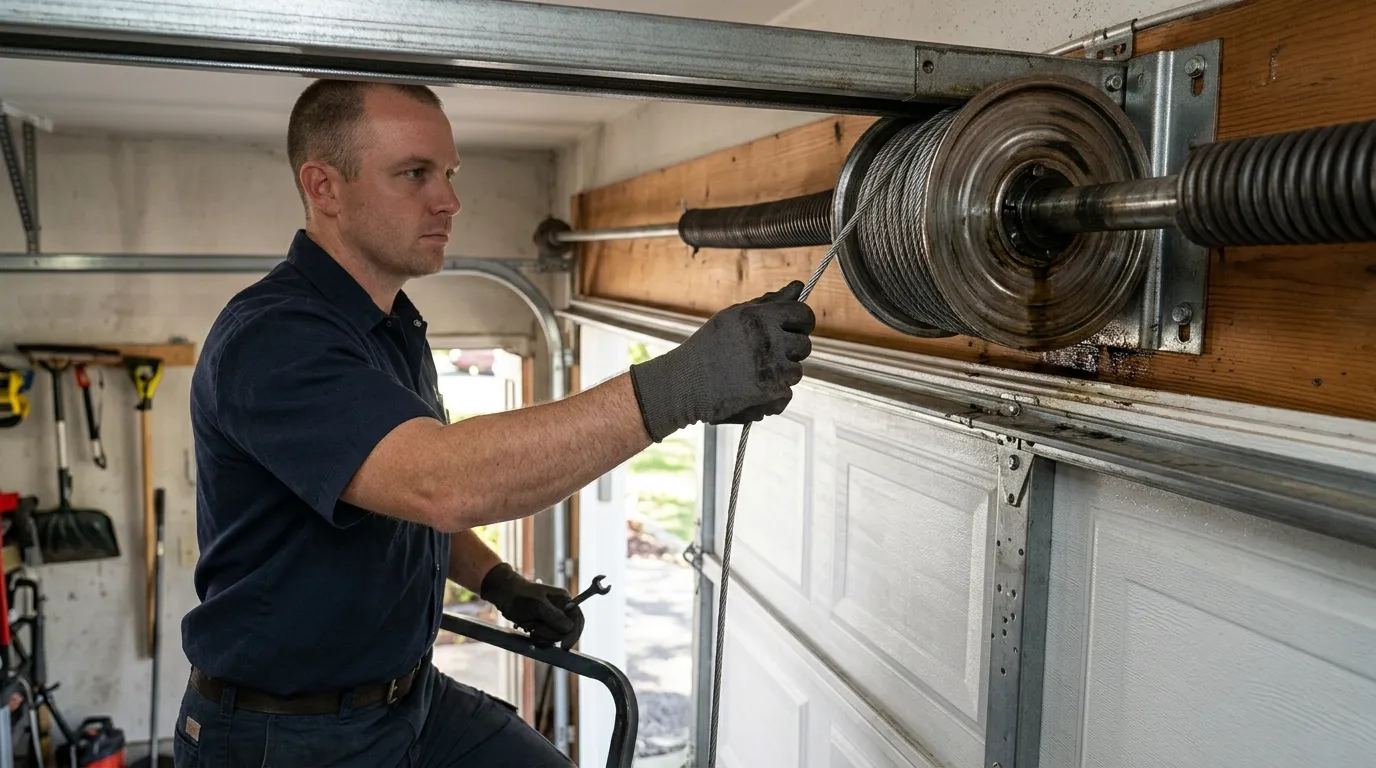
Sometimes the honest answer is to wait. If a door from that 1946-2001 stock is still balanced, the spring isn't visibly stretched or gapped, and the noise is just dry hinges, lubricating and re-checking in a few months costs you nothing and can be worth doing before paying for a full call. Where we won't tell you to wait: a spring that's already sagging unevenly, a cable fraying at the drum, or a door that drops fast when the opener disconnects - those get worse on their own schedule, not yours. One real limitation - if a door needs a part specific to an older or discontinued hardware set, we may need to order it, and that's not something we can promise same-day. We'd rather tell you that up front than have you find out mid-job.

How it works

From “it’s stuck” to “it’s fixed”

1
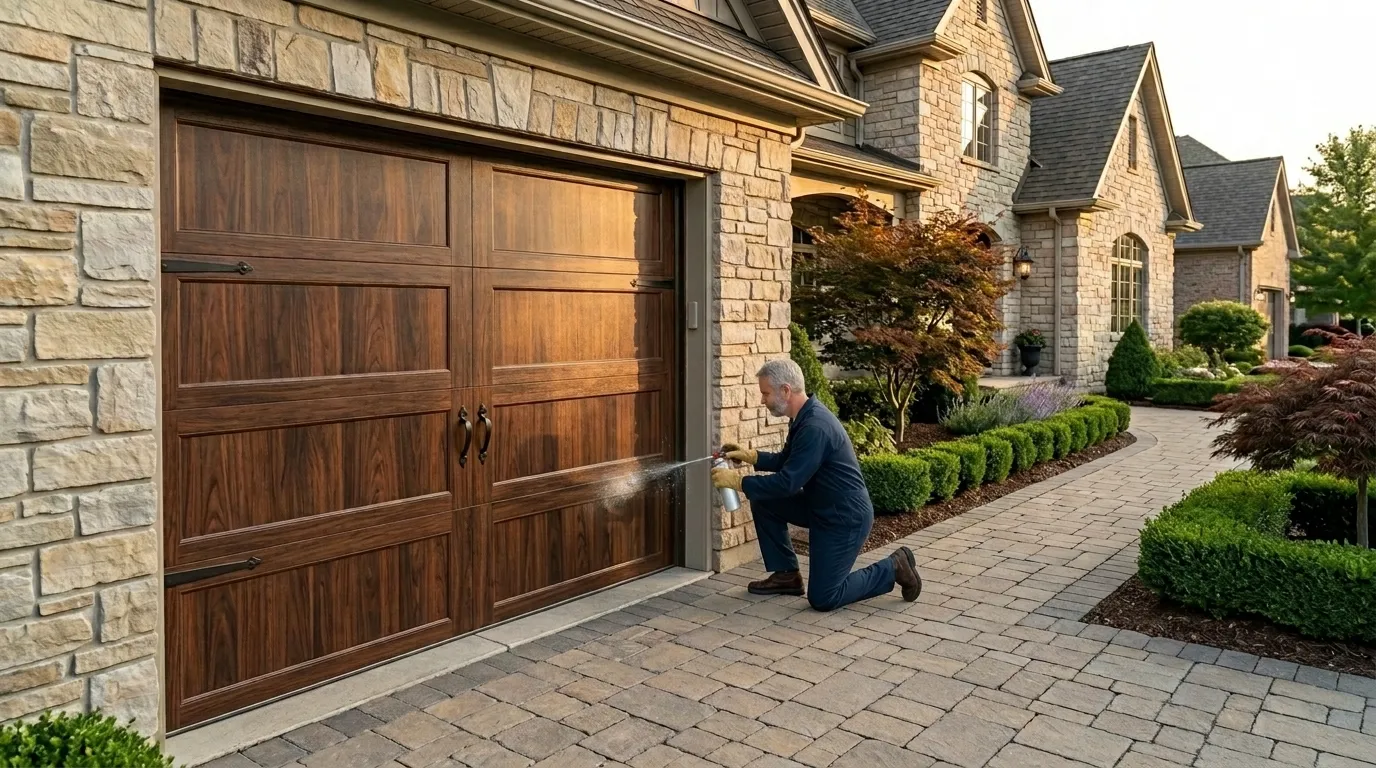
Tell us what’s wrong - Lodi garage door service

Tell us what’s wrong

Describe the symptom - won’t open, loud bang, opener runs but the door won’t move.

2
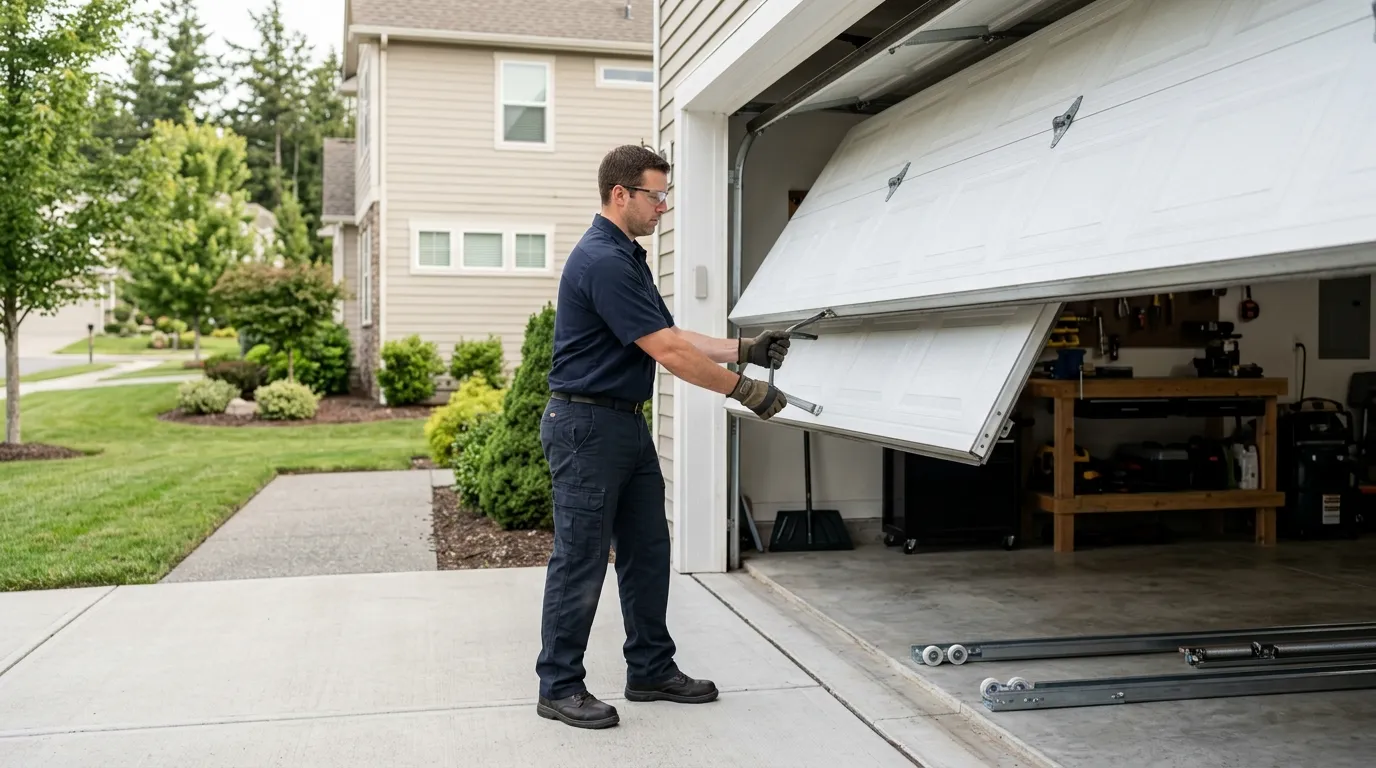
On-site diagnosis - Lodi garage door service

On-site diagnosis

A technician tests the door under power and by hand and finds what actually failed.

3
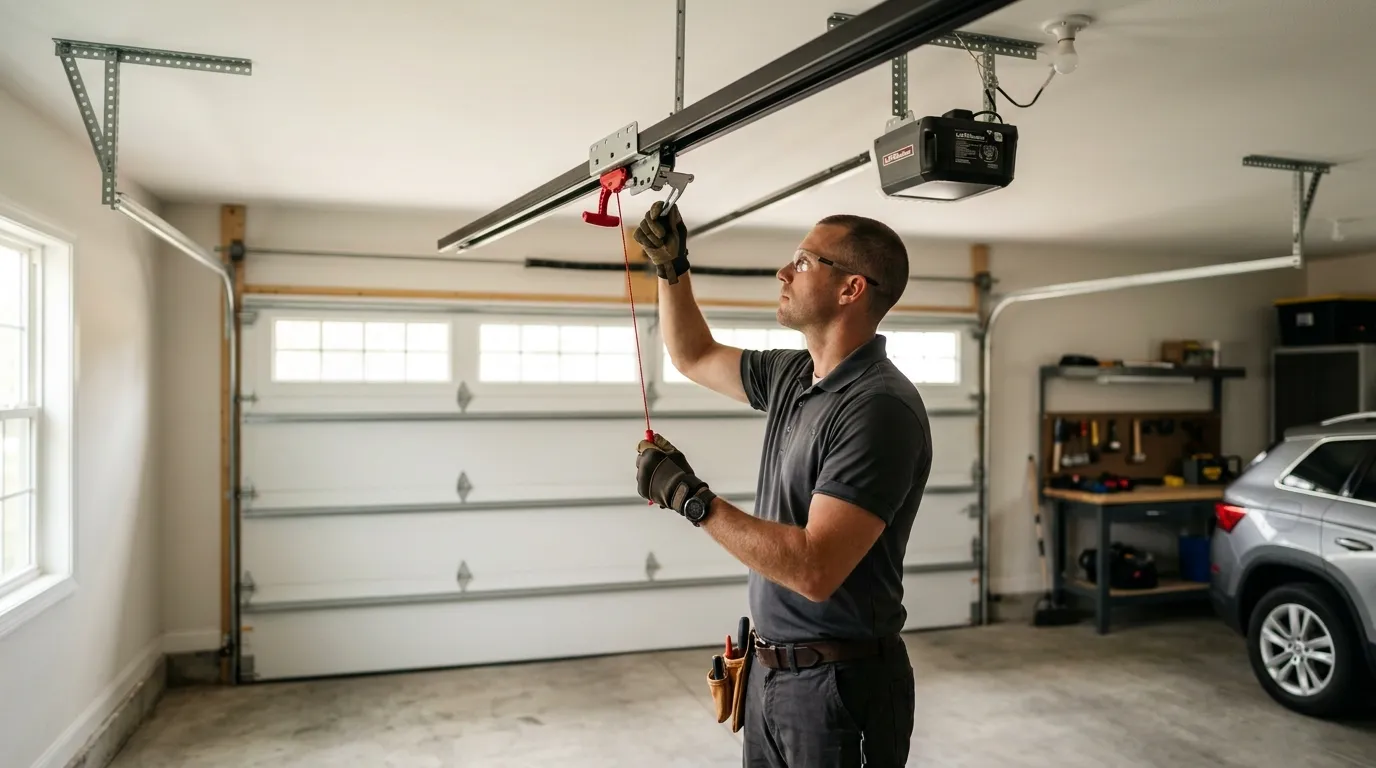
Clear, up-front plan - Lodi garage door service

Clear, up-front plan

You get the fix that’s needed and what drives the cost - before any work starts.

4
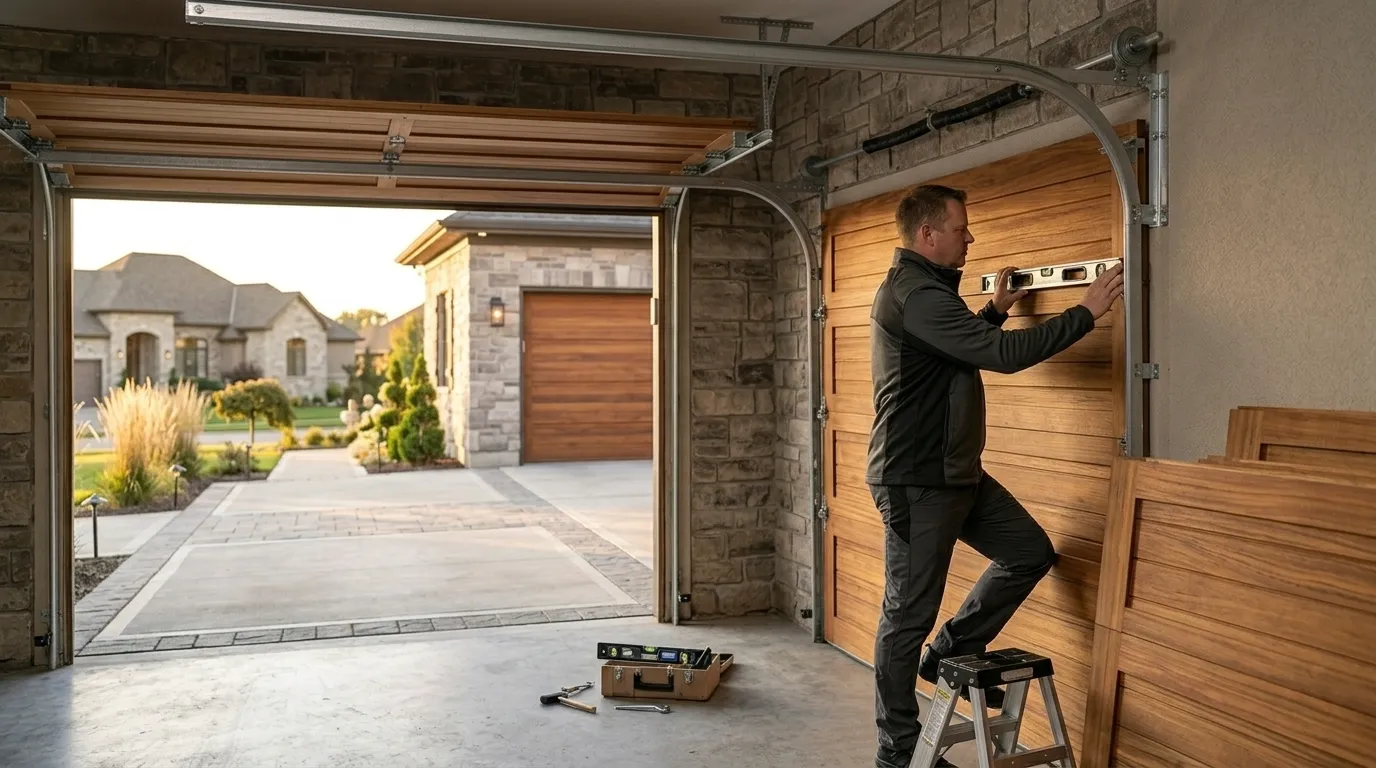
Repaired & tested - Lodi garage door service

Repaired & tested

The repair is done, the door is set true and tested, and the work area left clean.

Next step

Serving Lodi, CA - tell us what your door’s doing and we’ll take it from there.

How we work

What to expect

A straight, honest approach on every Lodi job.

Diagnosis first

Every visit starts by finding what actually failed - not a pre-written parts list.

The right part for the door

Springs and openers matched to the door’s weight and age, so the fix holds up.

Straight answers

When a repair makes more sense than a replacement - or the reverse - you hear it plainly.

Clean, careful work

Tension released safely, hardware set true, the door tested under power before we leave.

Questions

Frequently asked

Straight answers about garage door repair in Lodi. Still unsure? Ask us directly.

Why does my garage door feel unbalanced even though nothing looks broken?

On houses from this area's older stock, springs lose tension gradually over decades of heat cycling rather than failing all at once. A door can look fine and still be several pounds off balance, which shows up as an opener straining or a door that won't stay put halfway open. That's a spring-tension check, not an opener problem.

Does the heat here actually affect my garage door?

Yes, though not the way cold does elsewhere. This area sits in a moderate-heat climate band, so repeated warm stretches dry out lubricant on rollers and hinges faster and can warp older wood or composite panels slightly over time. That shows up as noise and panel misalignment before it shows up as a full failure.

How do I know if my door just needs maintenance instead of a repair?

If the door is still balanced, holds its position when disconnected from the opener, and the noise is limited to squeaking hinges or rollers, lubrication and a recheck is often enough. If it drops on its own, the spring looks stretched or uneven, or a cable is visibly frayed, that's past the maintenance stage.

My house is older - does that change what a service call covers?

It can. A lot of homes in this service area were built between 1946 and 2001, and older ones may still have original hardware sized for a door and opener combination that's since been swapped or upgraded. A service call on a house like that includes checking whether the spring size still matches the door's actual weight.

Ready to get your garage door sorted?

Tell us what it’s doing and where you are in Lodi - we’ll take it from there.

Request a QuoteCall