
What Is on the Truck
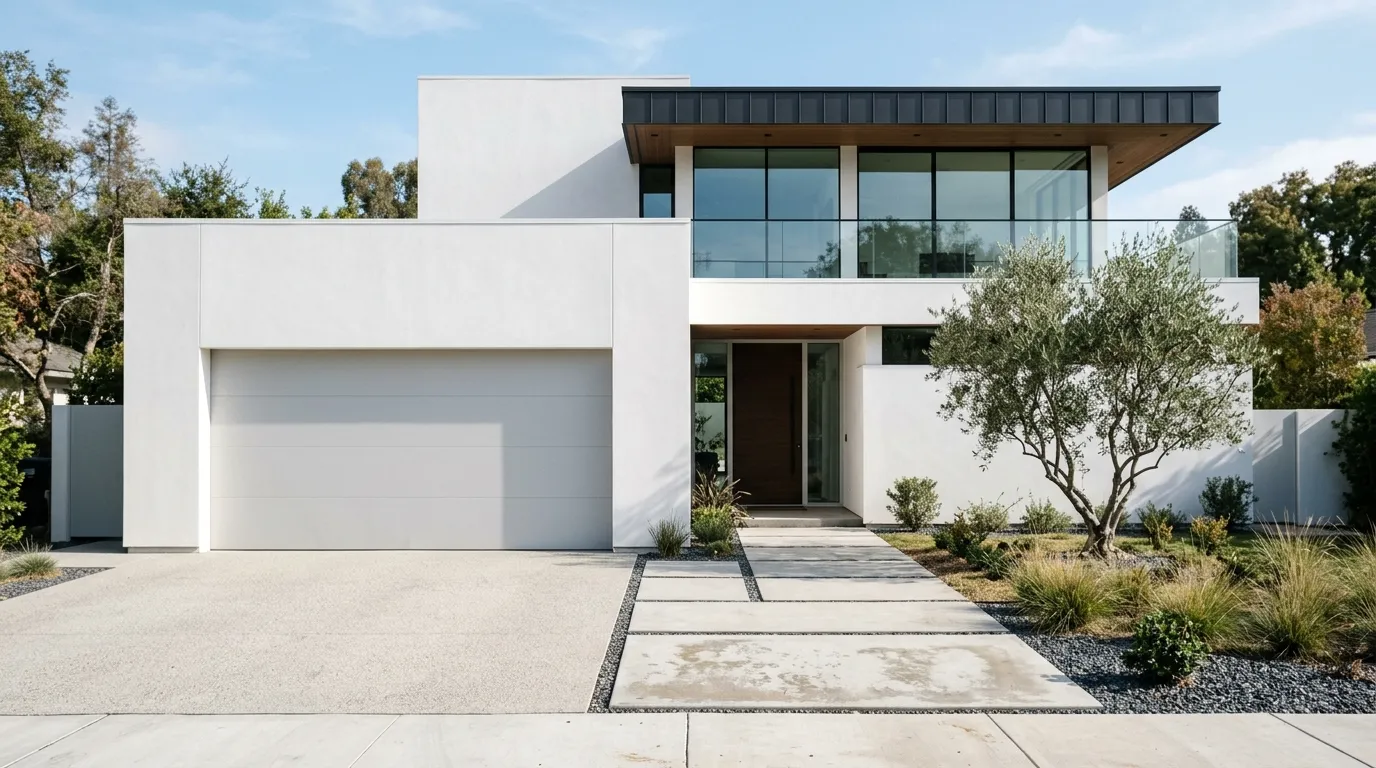
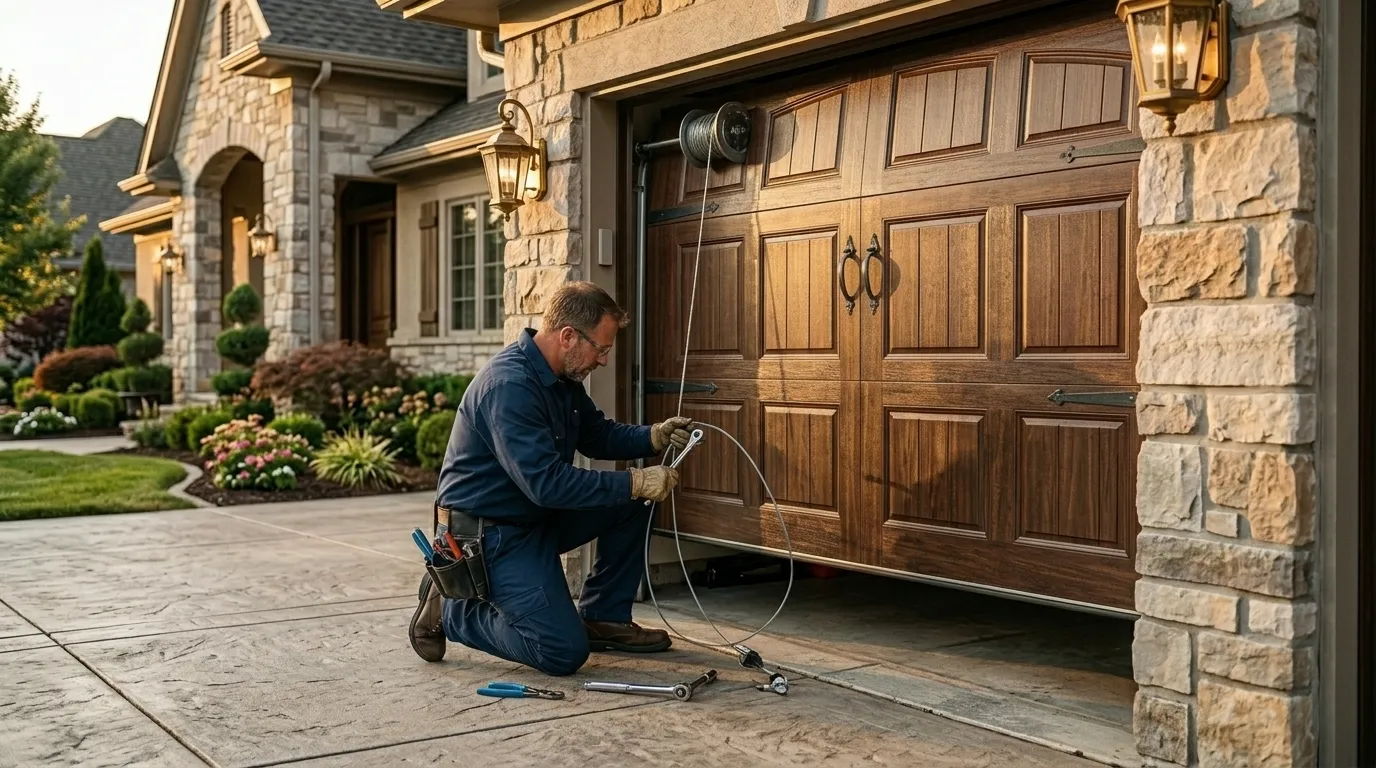
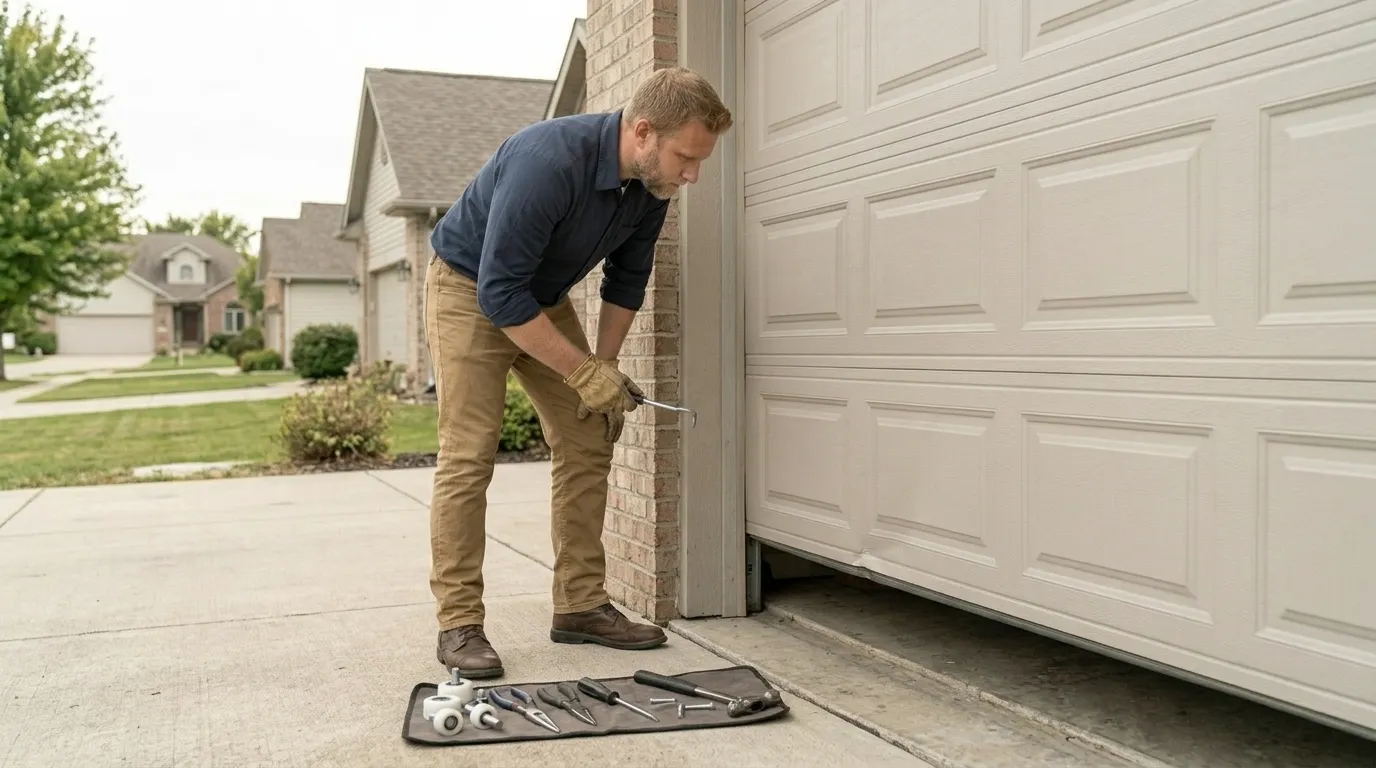
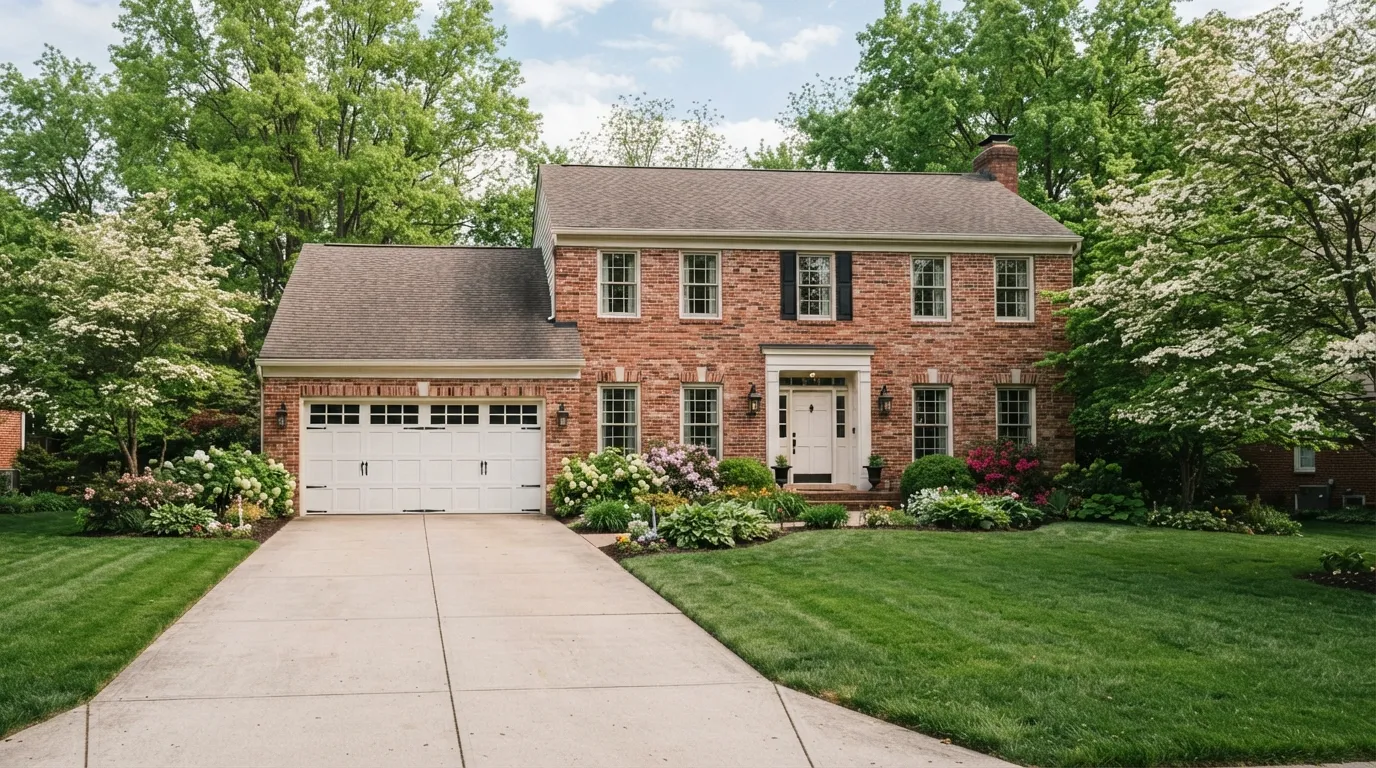
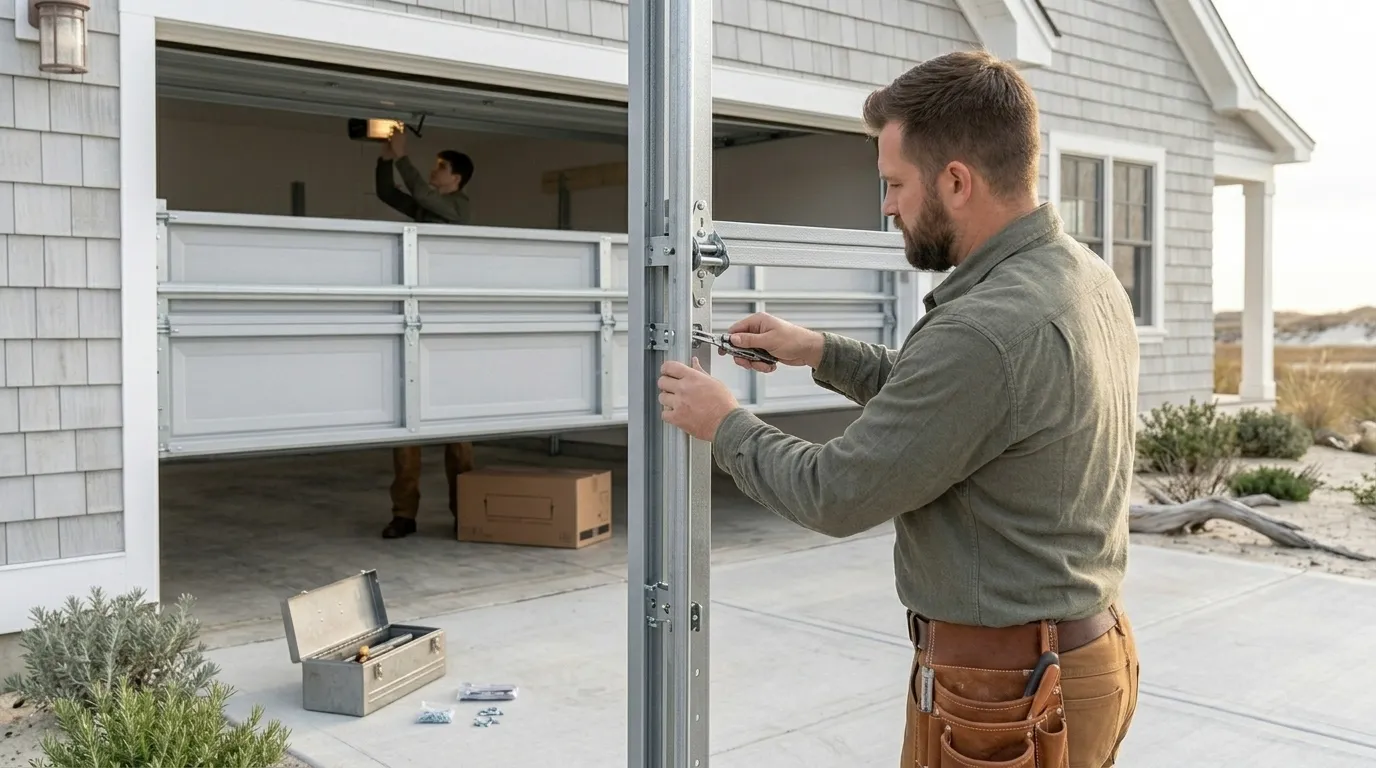
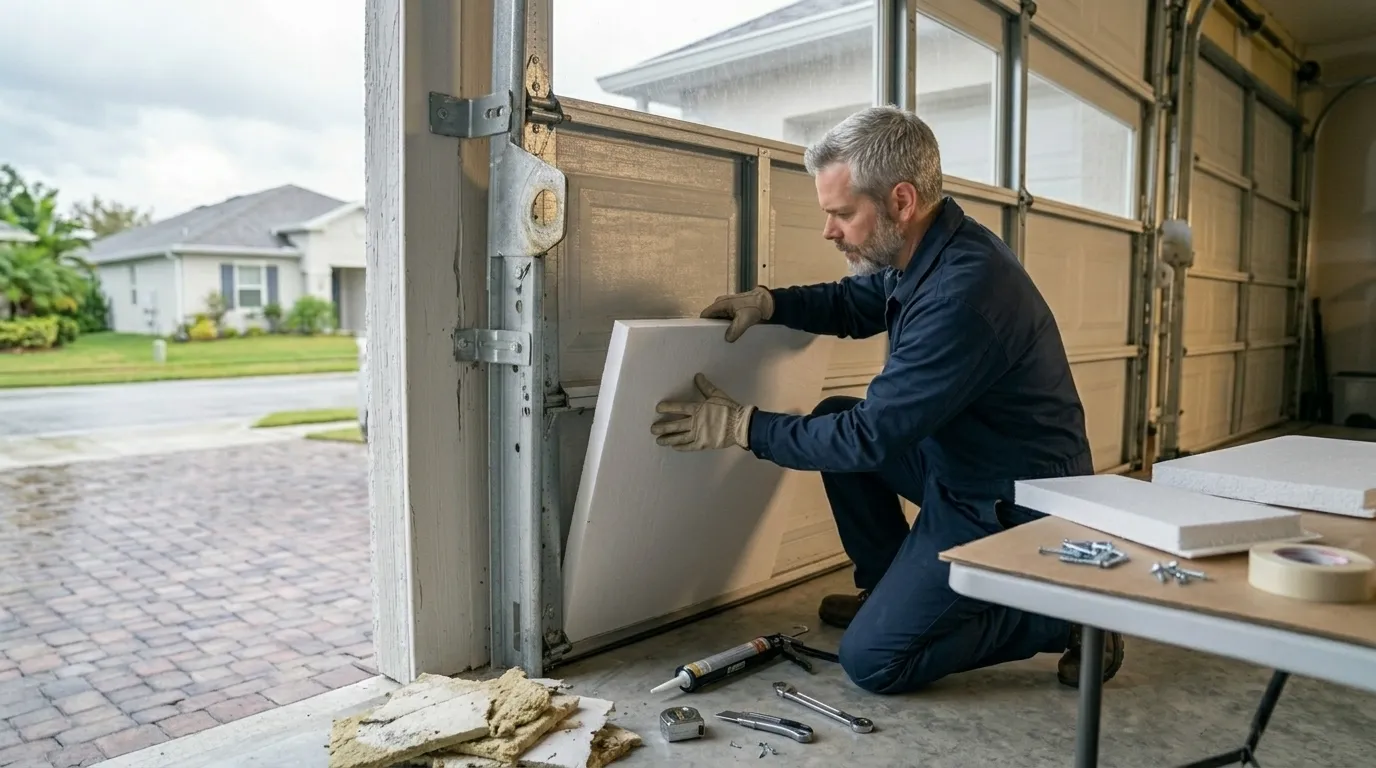
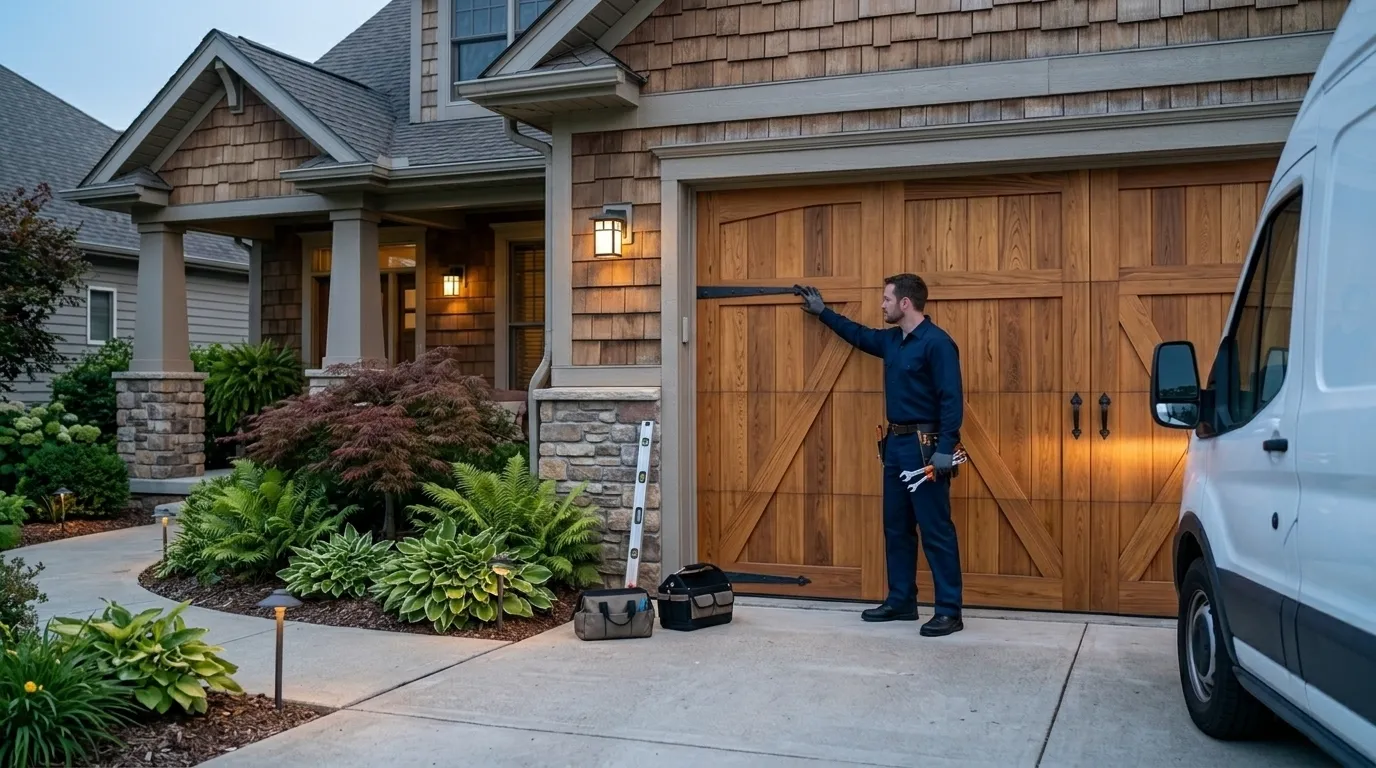
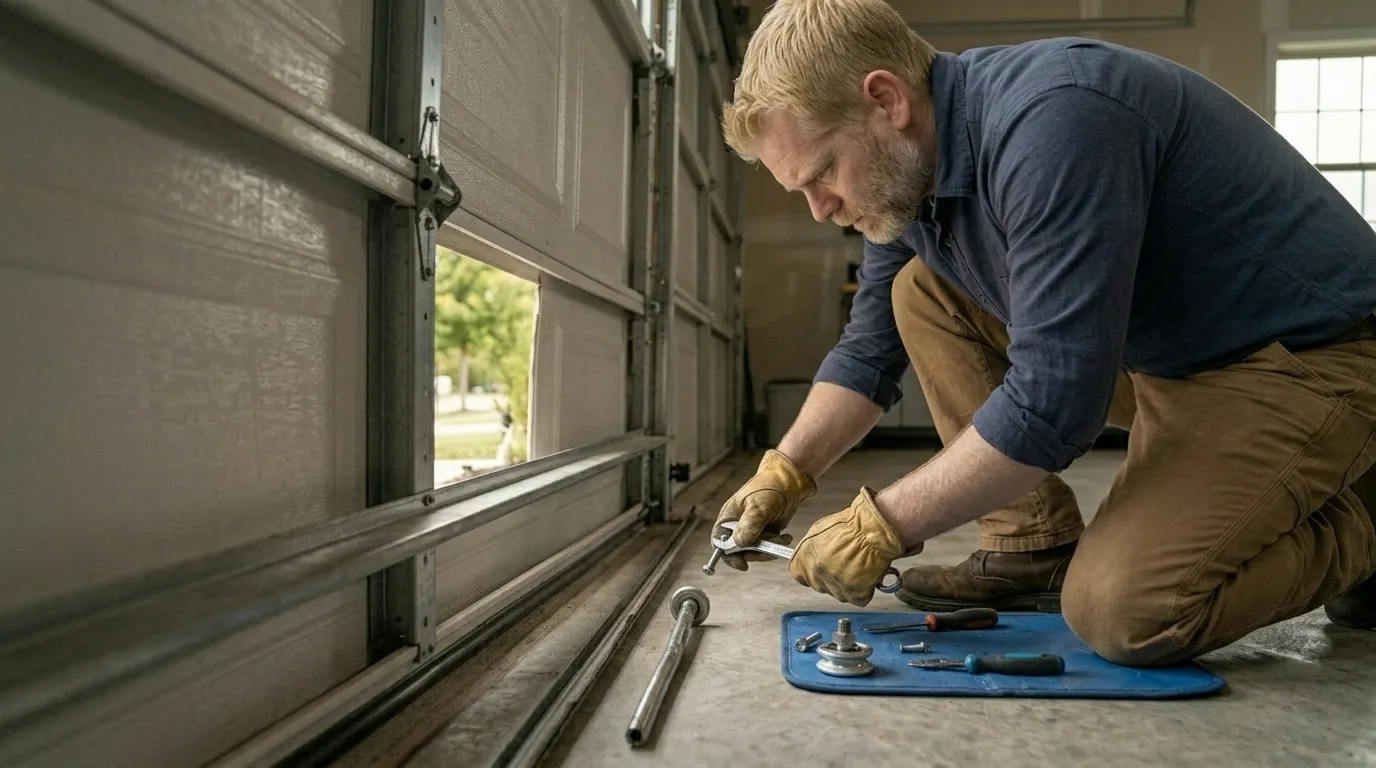
For an install job in this area we bring a working range of door widths and heights because the openings themselves aren't uniform - a garage framed in 1955 doesn't match one framed in 1985, even two streets apart. That means multiple track profiles, jamb brackets in more than one size, and torsion springs rated for a spread of door weights rather than one standard. We also carry insulated panel options, since a lot of the interest we get is specifically about cutting down heat gain in a Central Valley garage, not just replacing a door that looks old. What we don't carry on the truck is every custom width - some older openings run narrower or wider than standard stock, and those need to be ordered rather than pulled off the shelf, which adds time to the job. We tell owners that upfront rather than promise a same-day swap on a size we don't carry. Beyond the door itself, the truck holds new rollers, cable, bottom seal, and the fasteners and header reinforcement that a 60-plus-year-old opening frequently needs before a new door will hang square.
What the Fix Involves
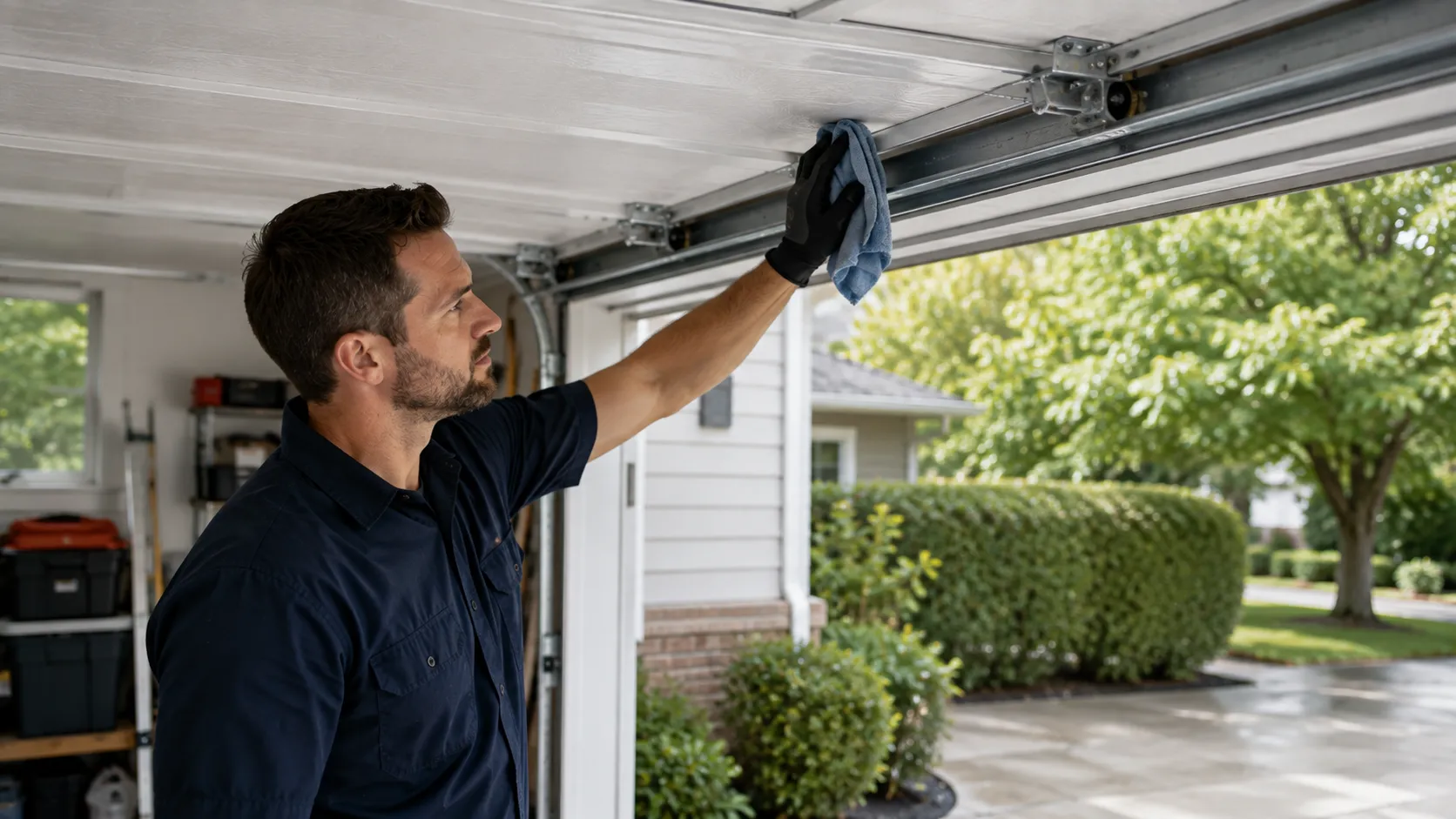
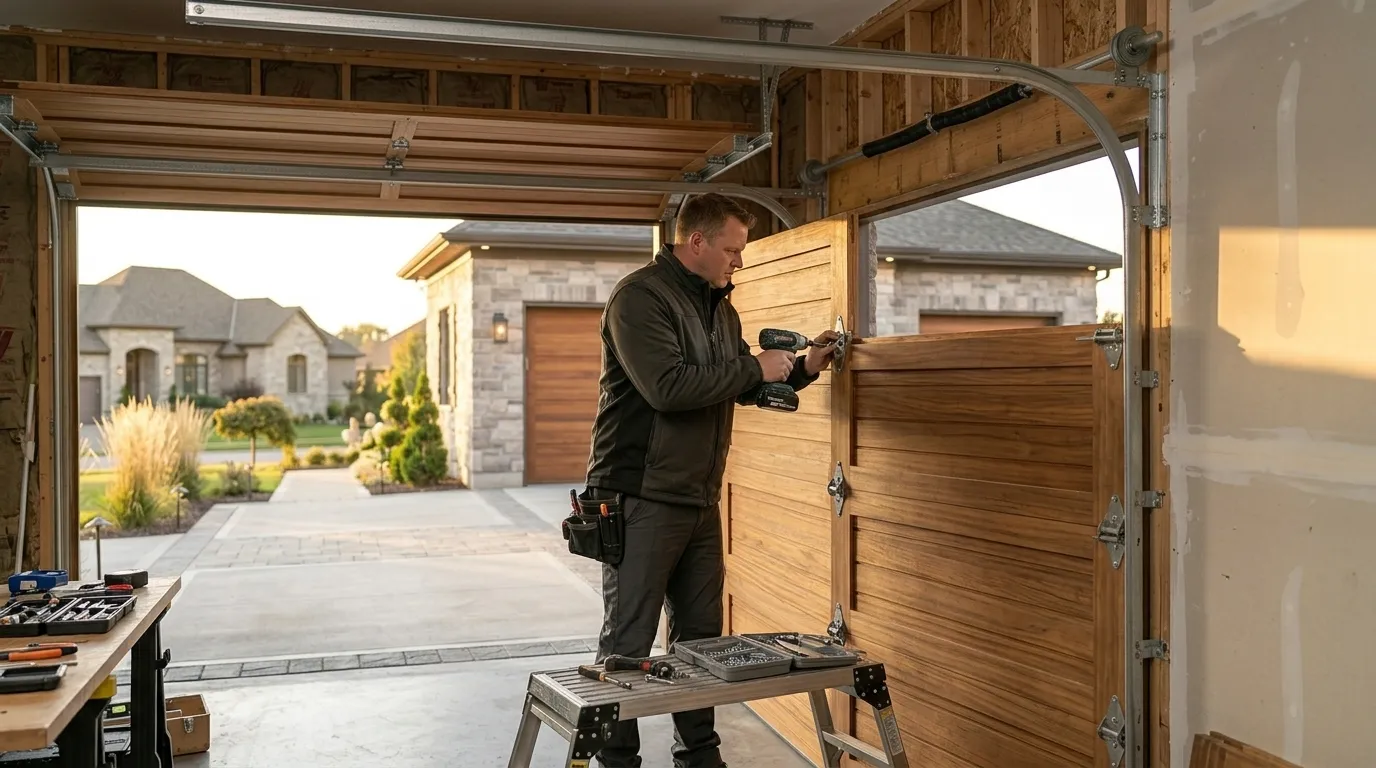
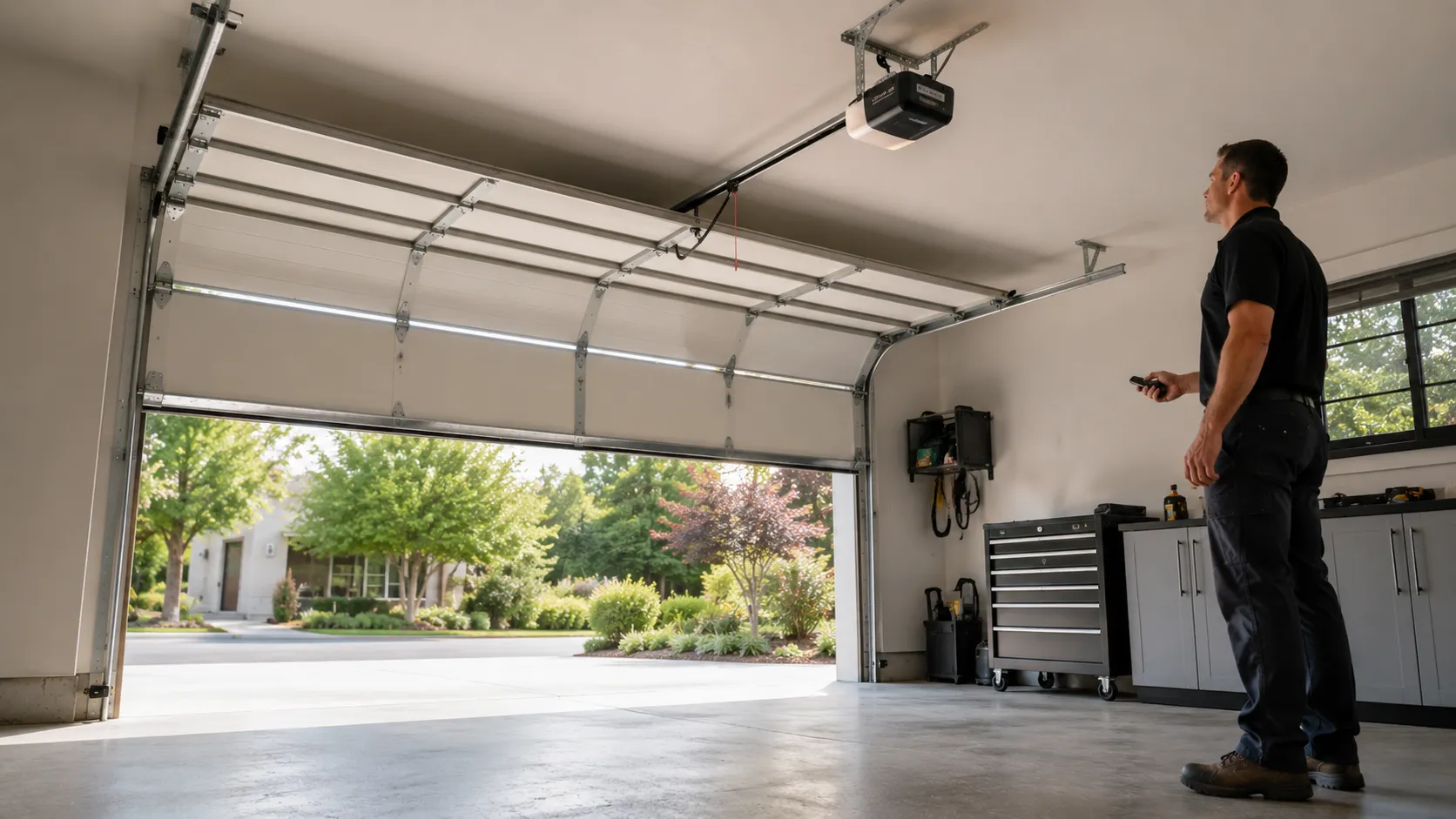
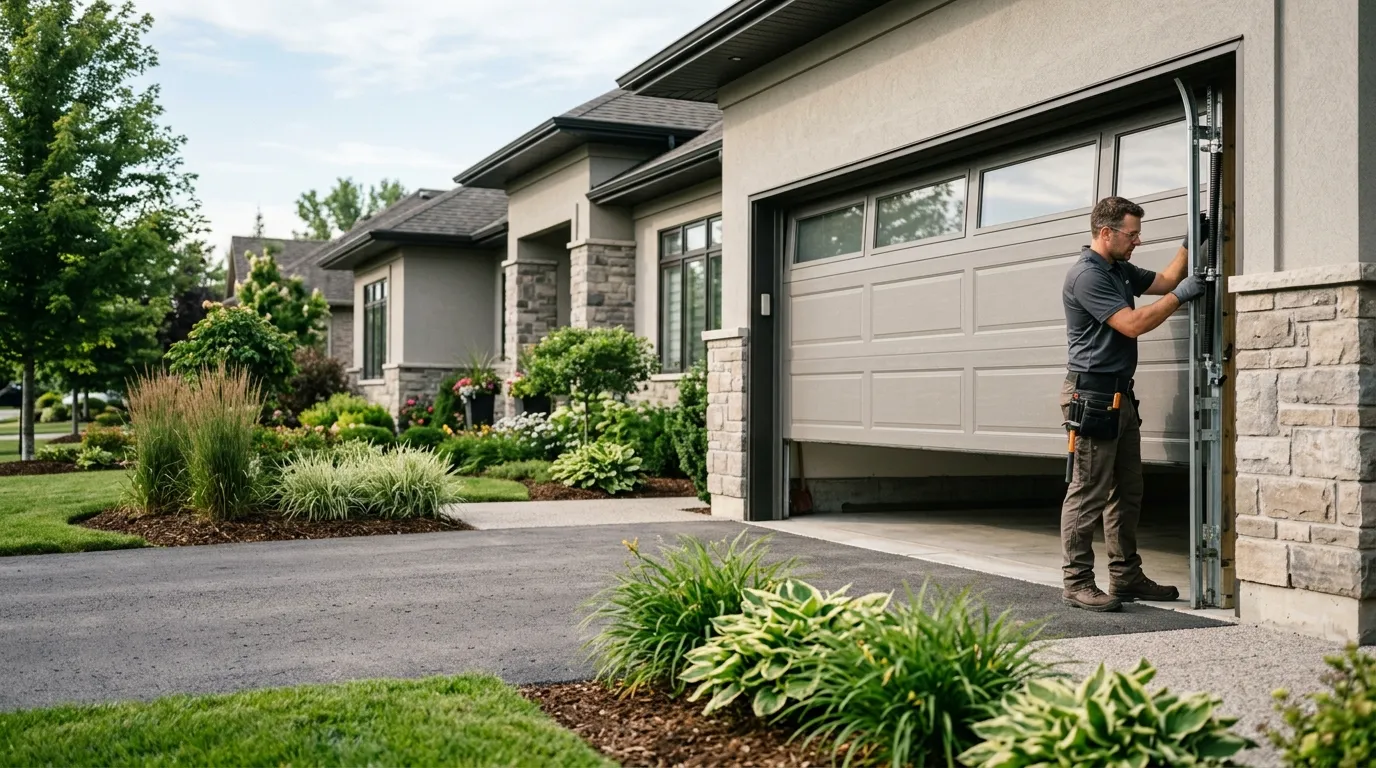
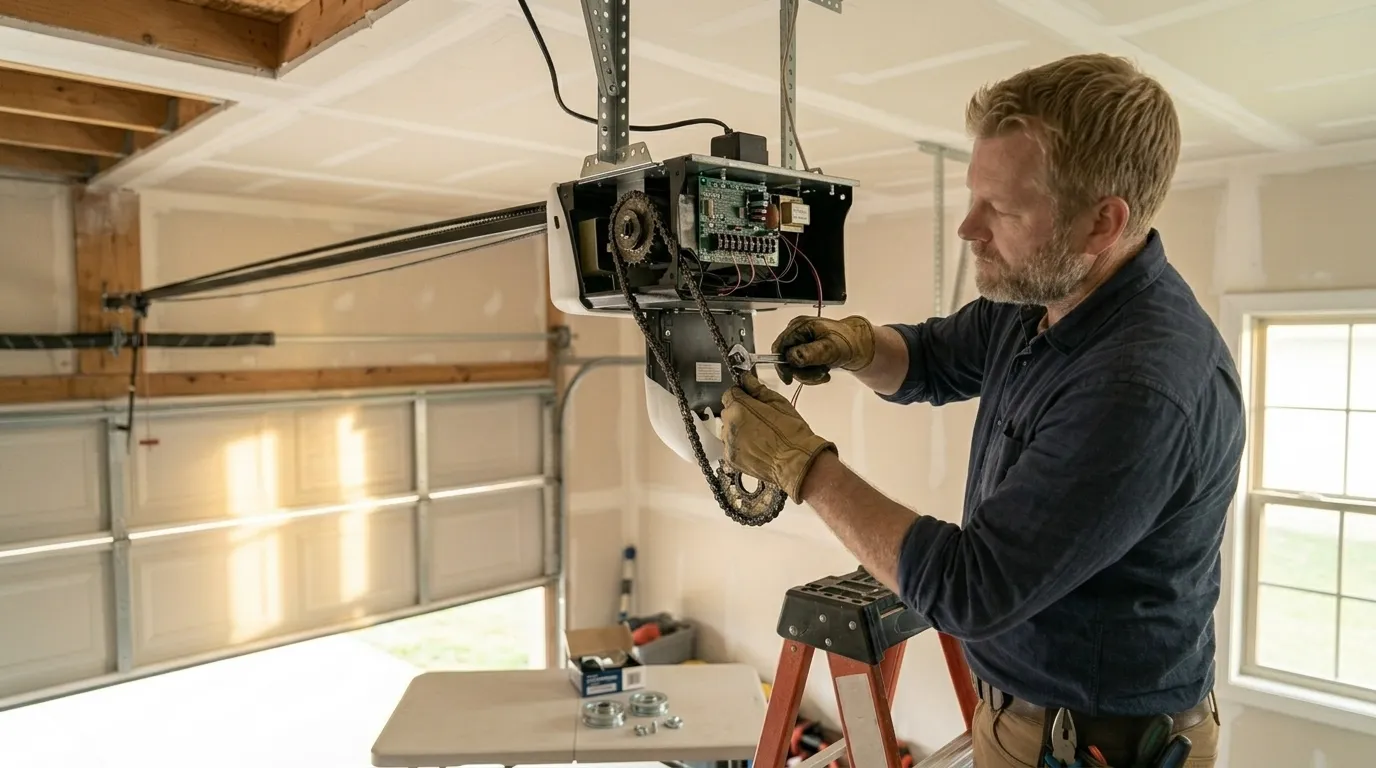
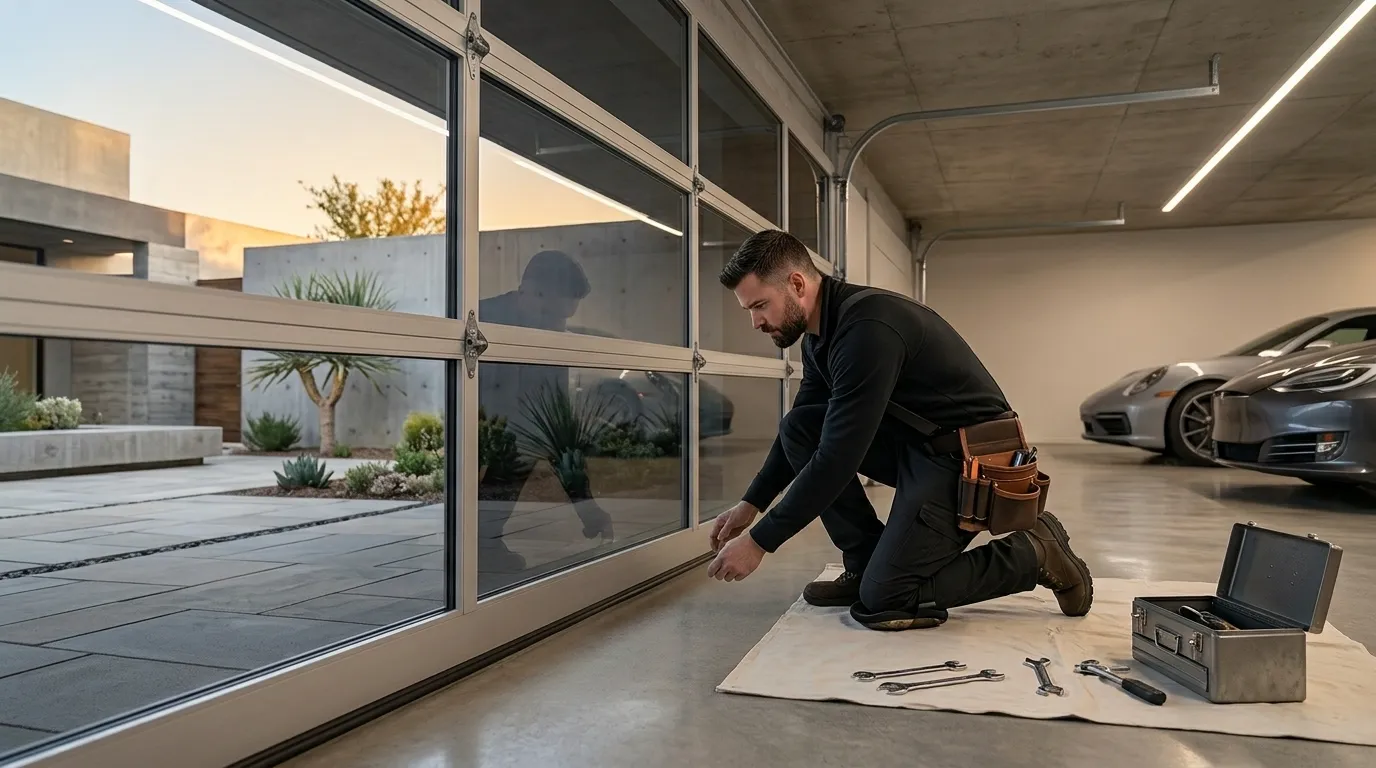
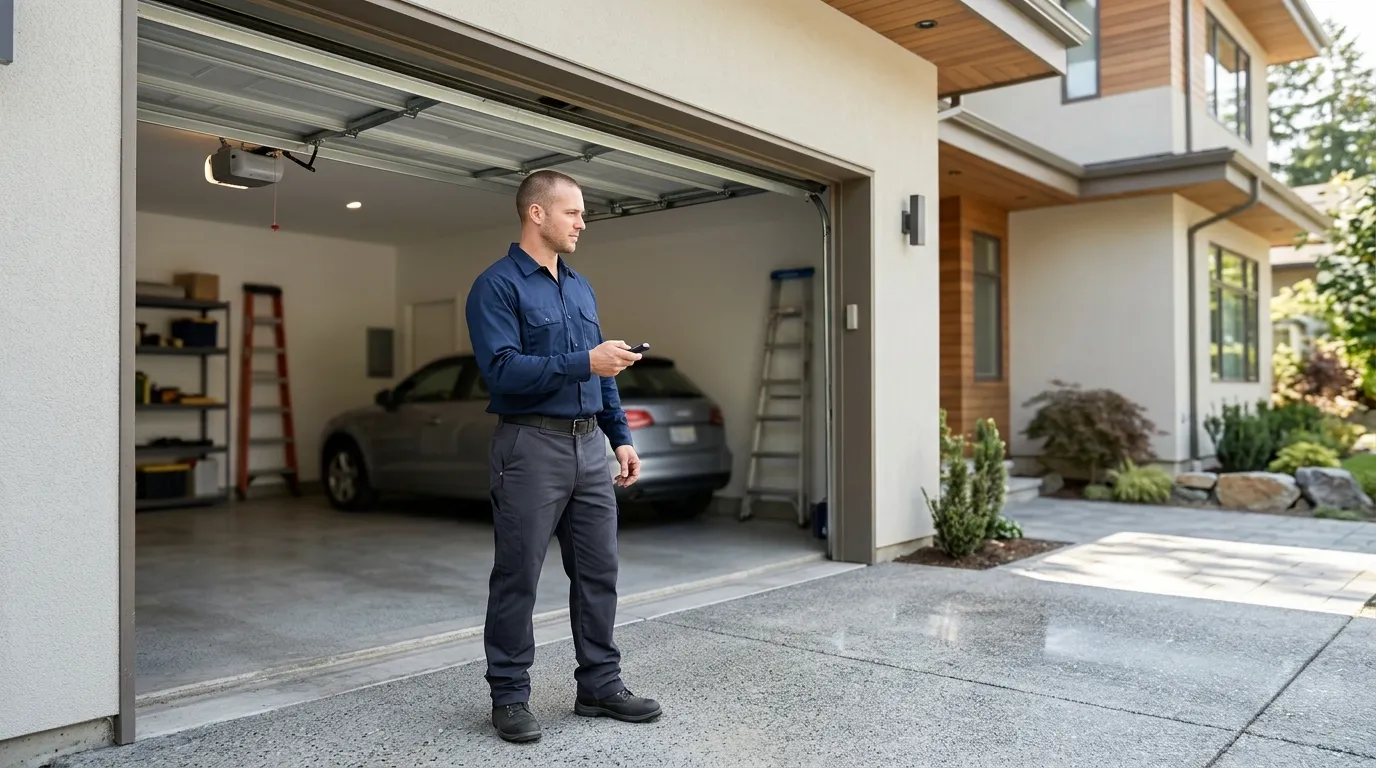
Installation starts with measuring the actual opening, not trusting what the old door's dimensions suggest, because older framing in Lodi has often shifted or been patched over the decades. We check header clearance and side room, since a lot of these houses were built before today's standard opener and spring placement became common, and that changes what will physically fit. From there it's removing the old door and track, checking the jambs for rot or movement, and setting new track and springs matched to the new door's weight - not the old one's. If the owner's chosen an insulated panel for heat control, we go over U-value differences at that point, since it matters more here than in a mild climate. Final steps are balancing the door on the new springs, setting opener force and travel limits if a new opener's part of the job, and running it through a full cycle to check for drag or misalignment. A straightforward swap on a standard-size opening is a different job than one needing header work or custom sizing, and we scope those separately rather than quoting them the same.