The Calls We Get From Here
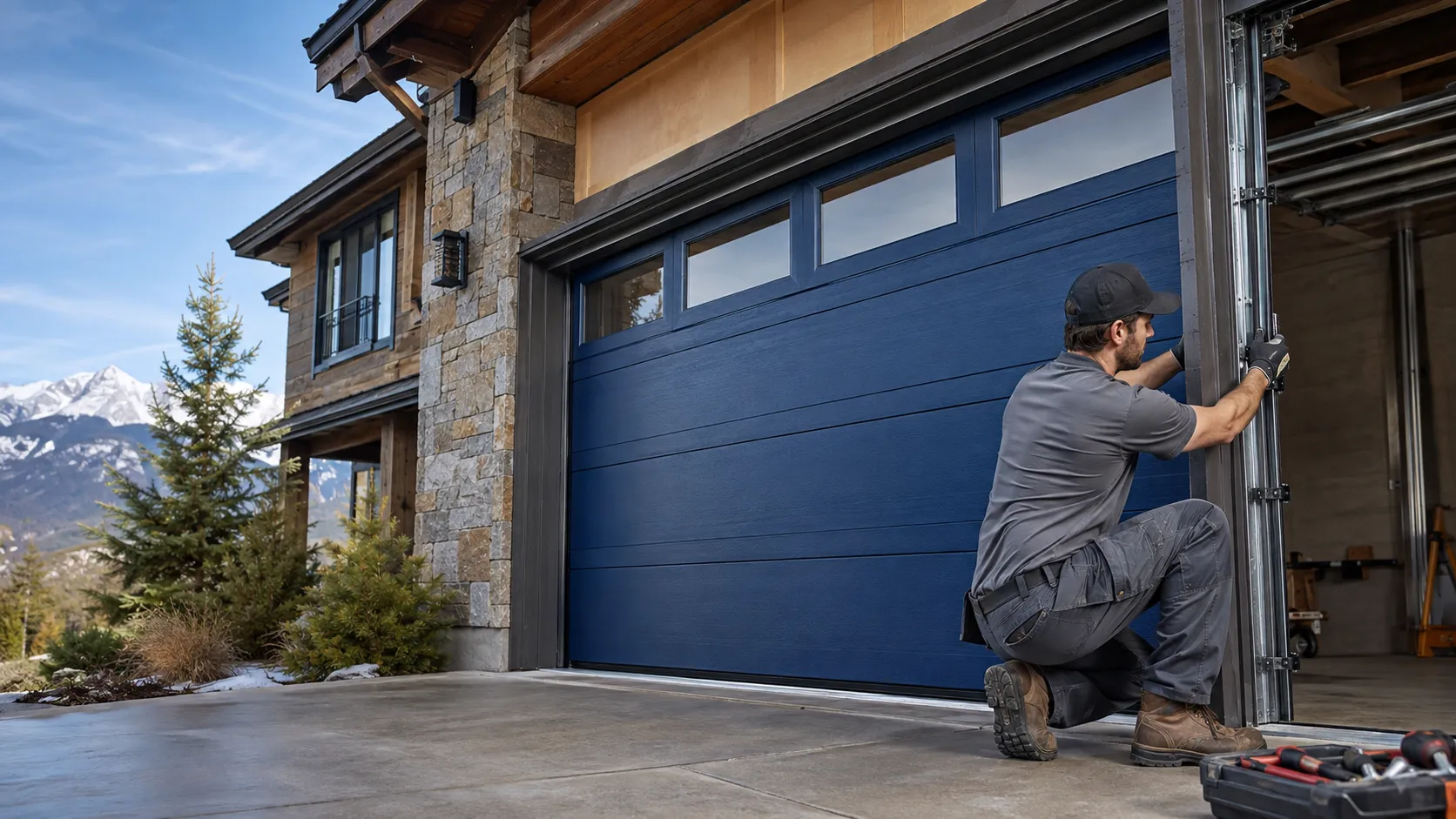
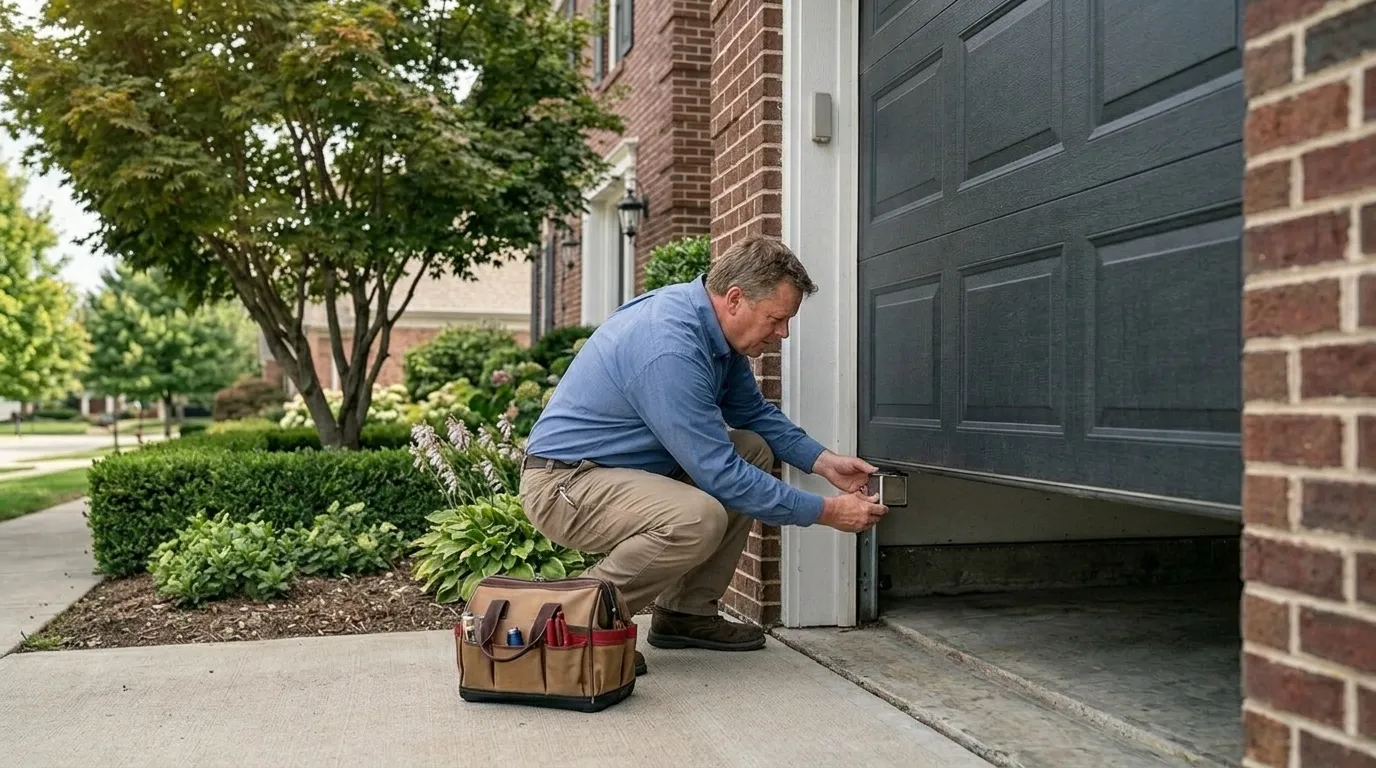
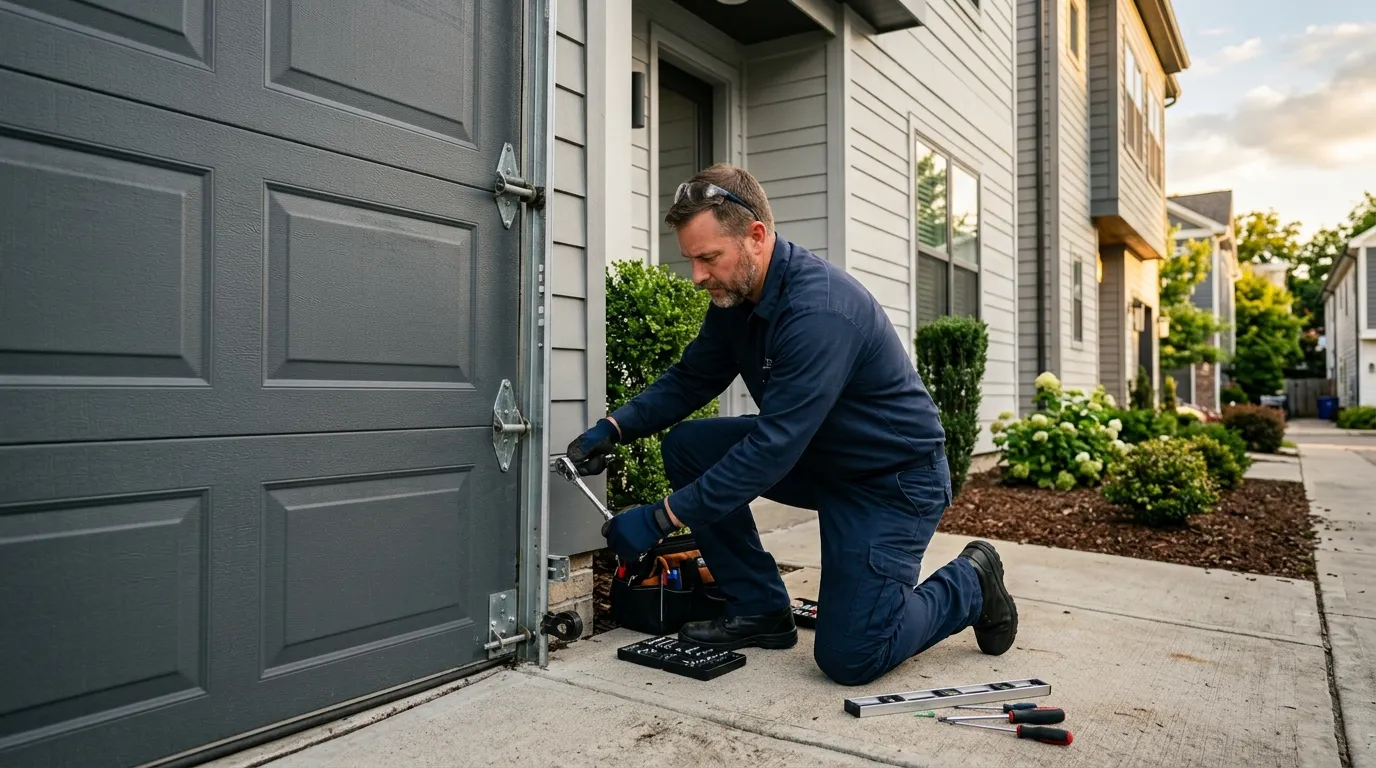
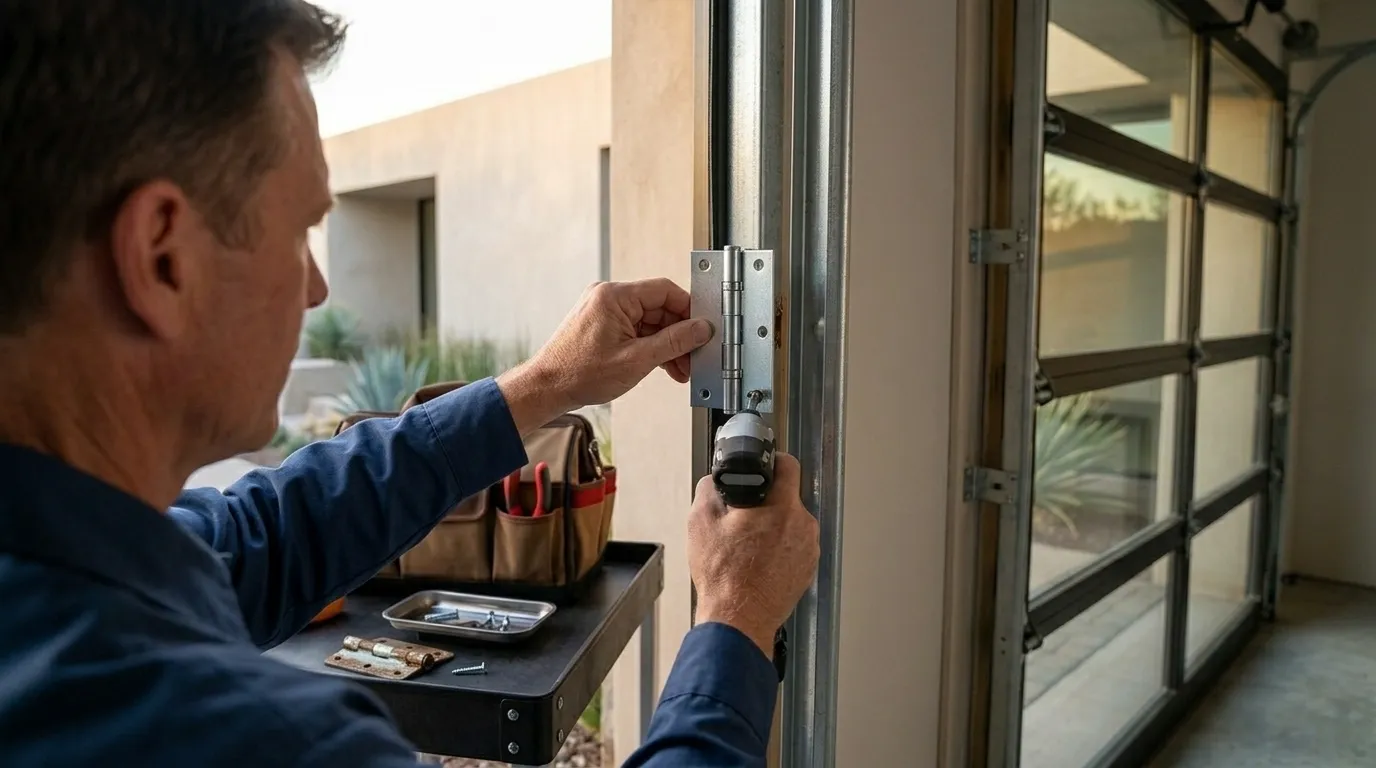
Because Wallace's housing stock is newer, the calls out here tend to skew toward opener electronics rather than raw hardware failure. A safety sensor knocked out of alignment by a bump from a car or a garden hose, a logic board that's stopped talking to the remote, a belt-drive opener that's started running loud after years of use - these show up more in a 2000-era house than a spring that's simply worn out from age.
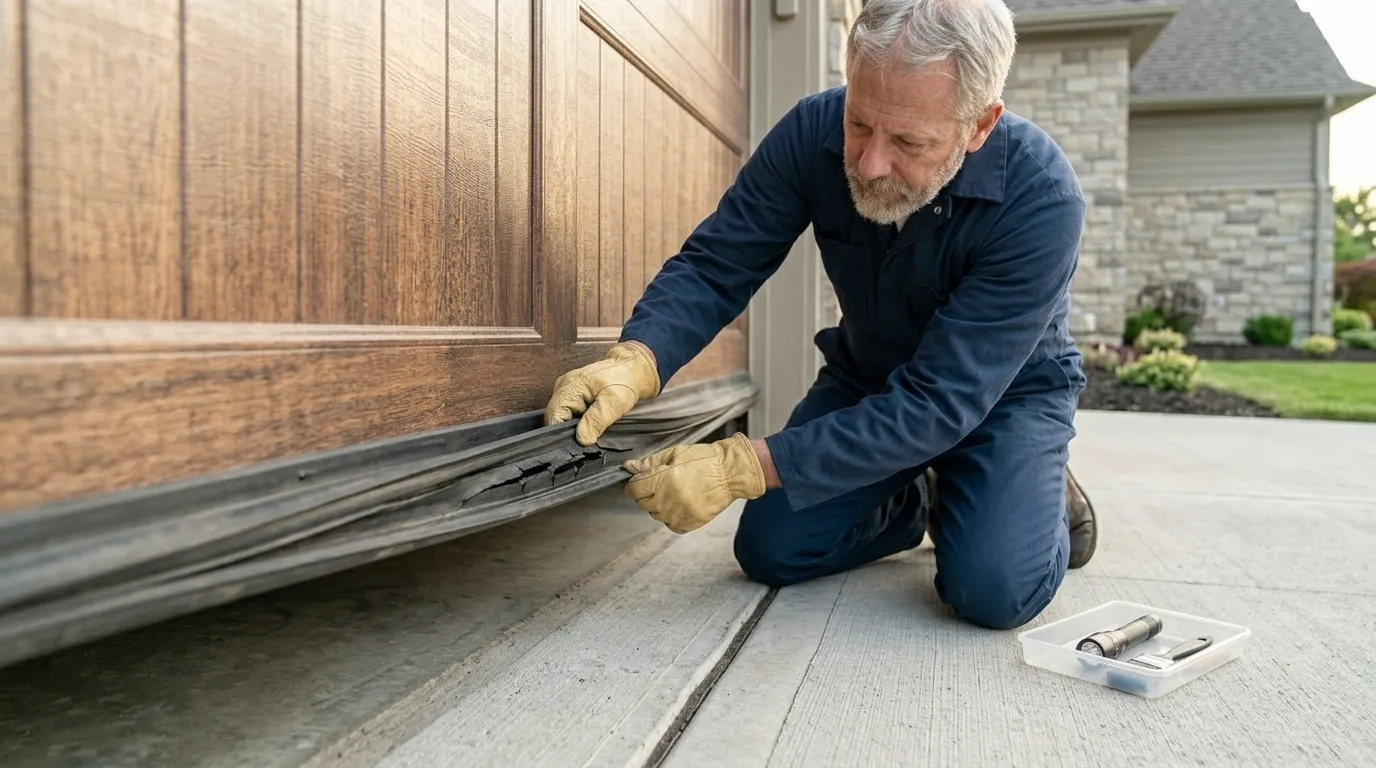
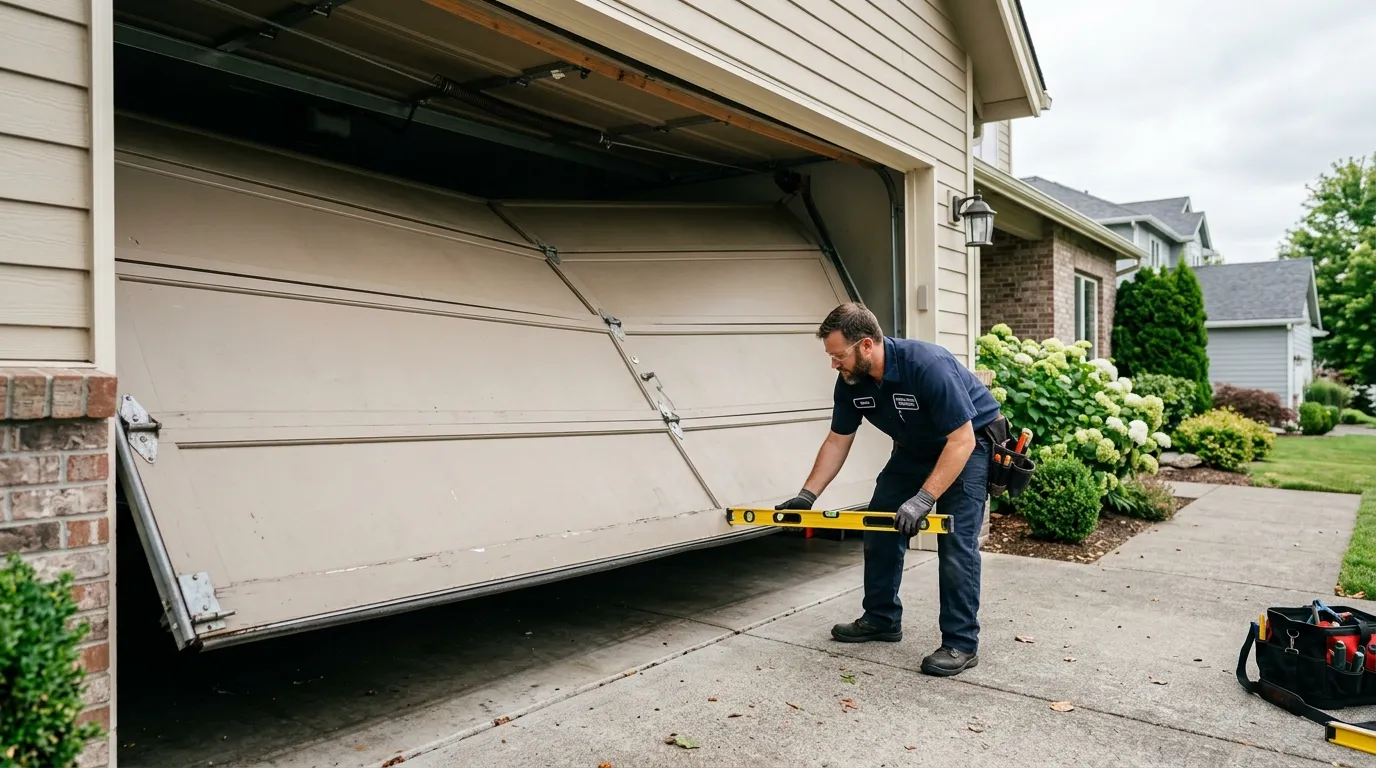
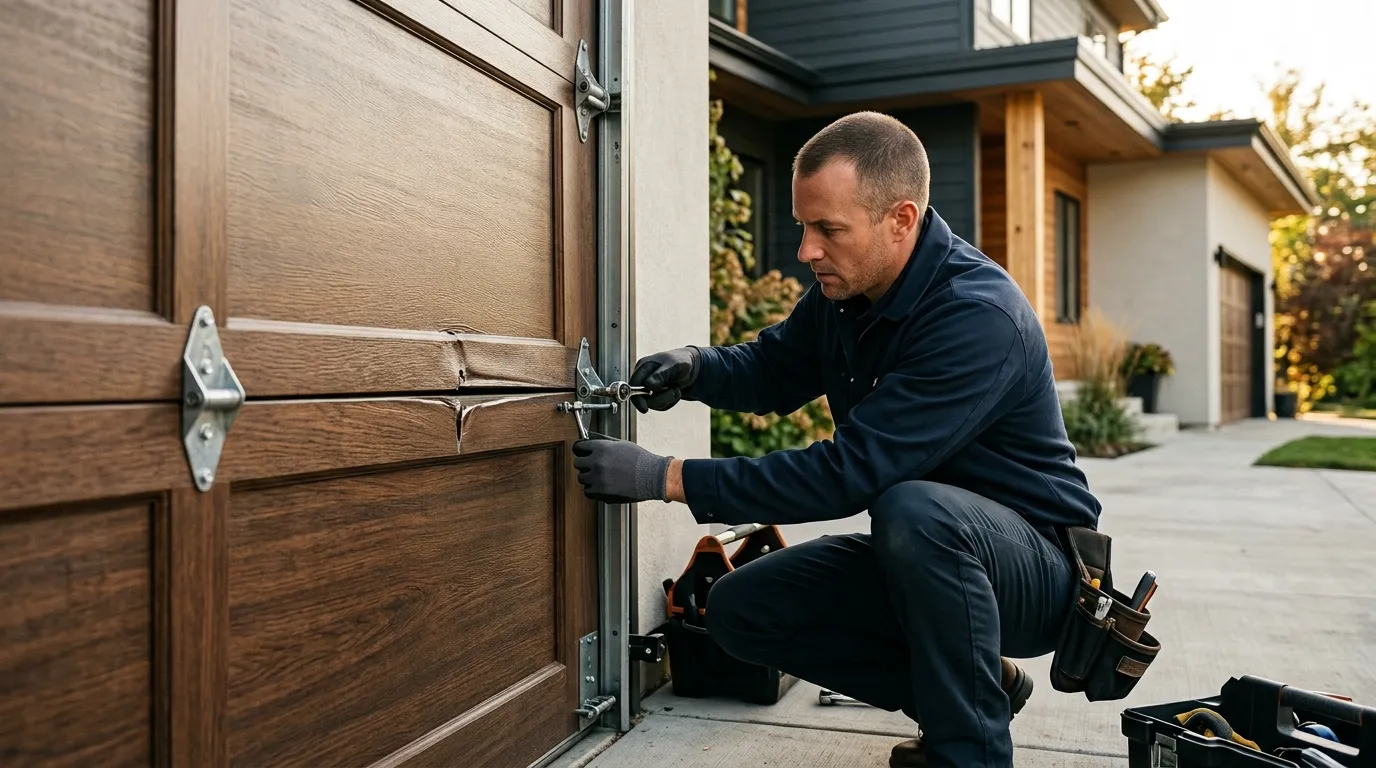
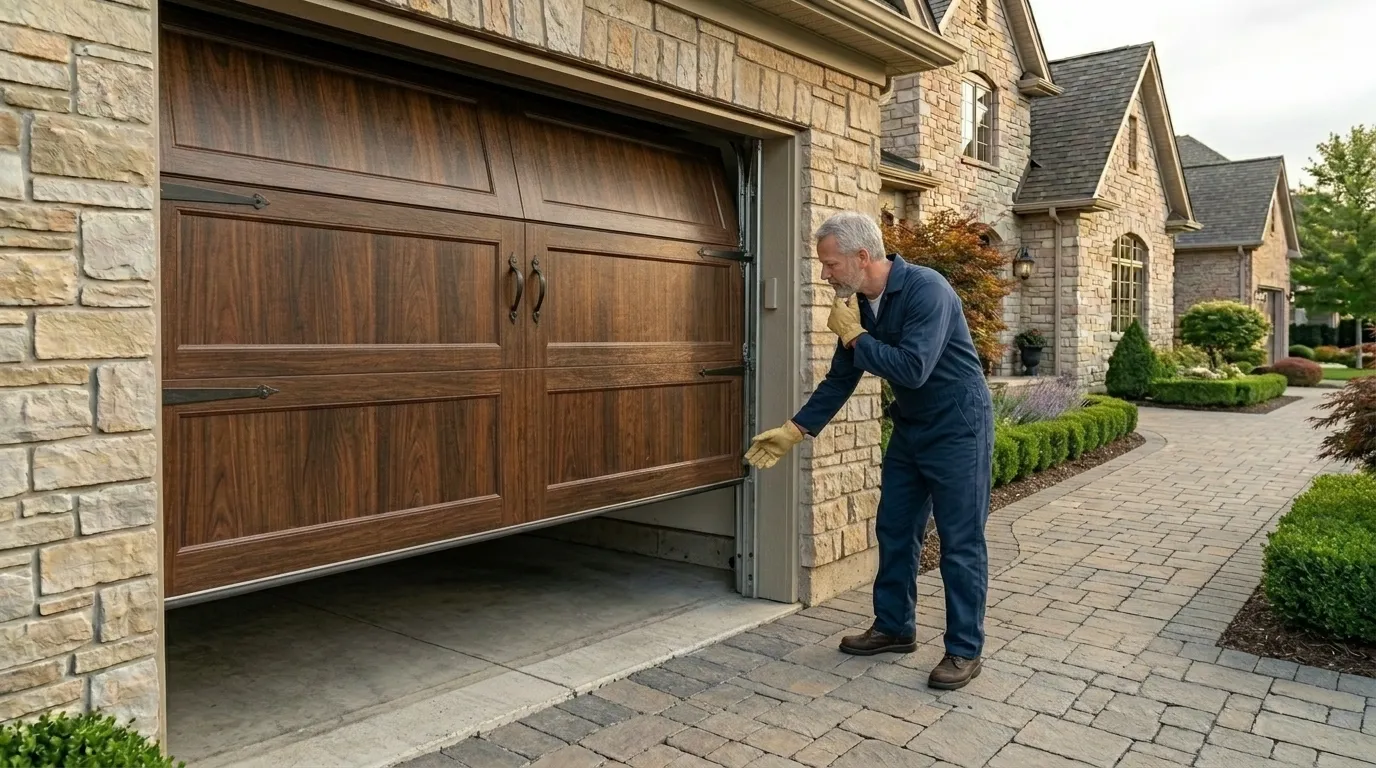
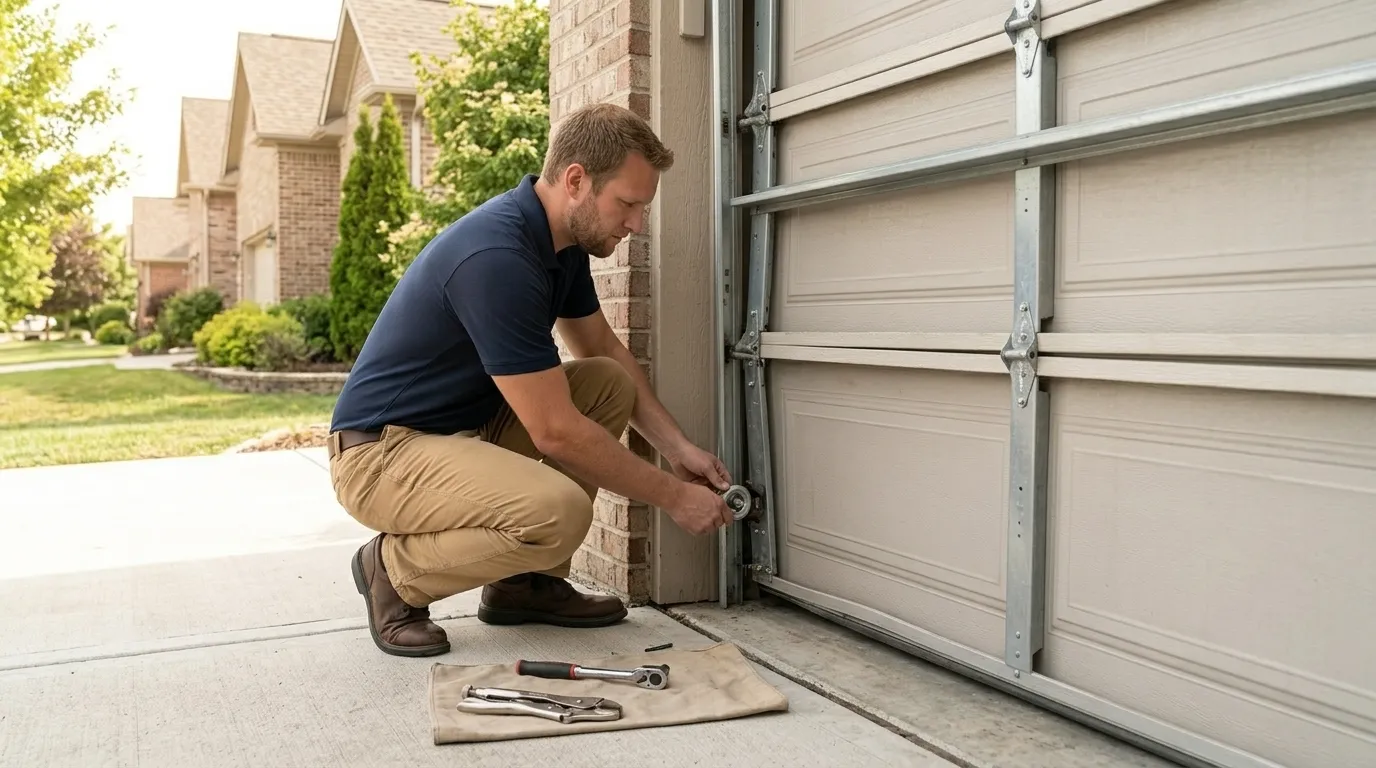
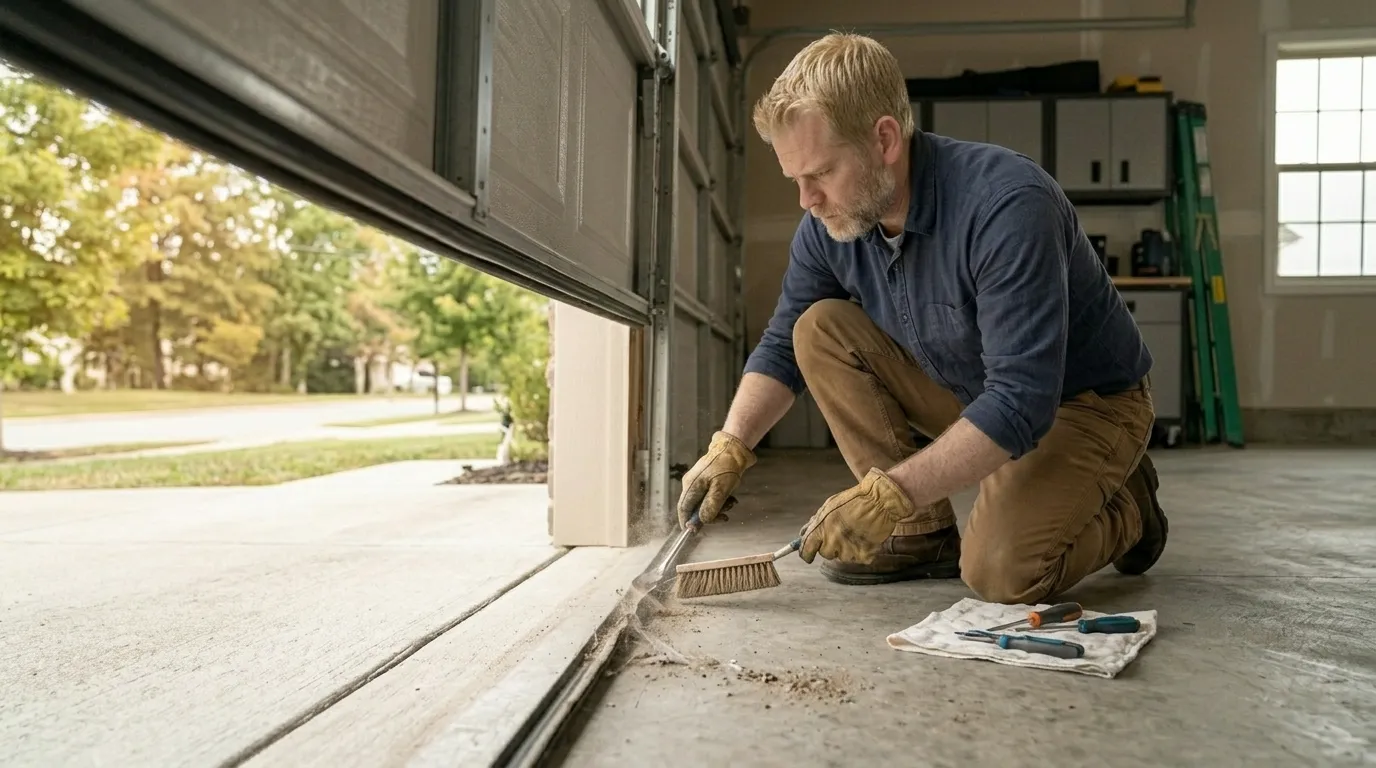
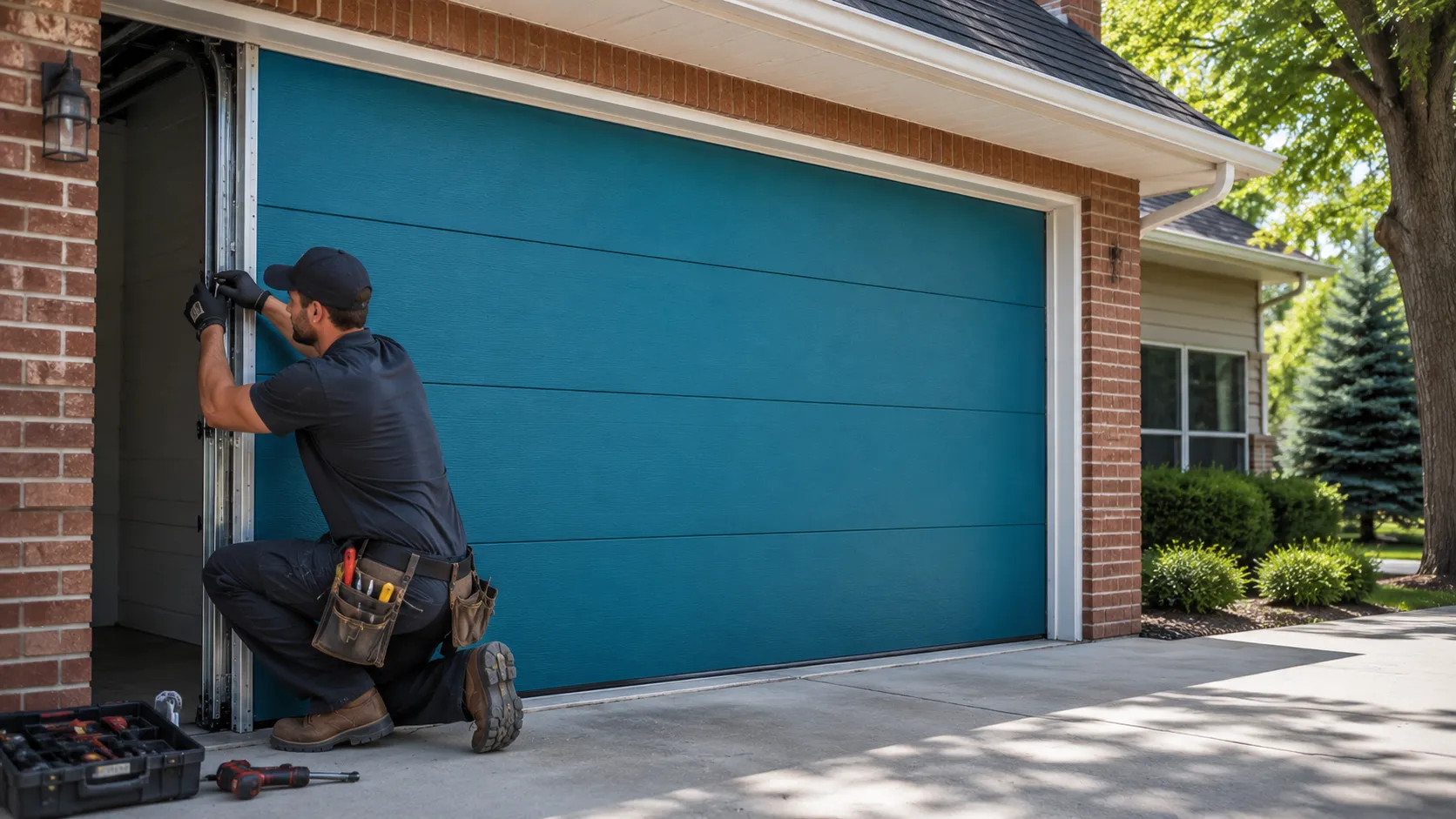
Springs still fail here, they just fail on a different schedule than they do on 1970s stock, since the hardware itself is younger and typically factory-matched to the door weight rather than swapped out piecemeal over decades. We also get calls about steel panel dents and weatherstripping that's dried out - normal wear for a door pushing two decades old, not a defect.
One honest note: we don't stock every proprietary opener board on the truck. If your unit needs a specific circuit board rather than a universal part, that can mean a short wait on the order rather than a same-visit fix. We'll tell you straight if that's the case instead of guessing at a fix.
This Area's Housing
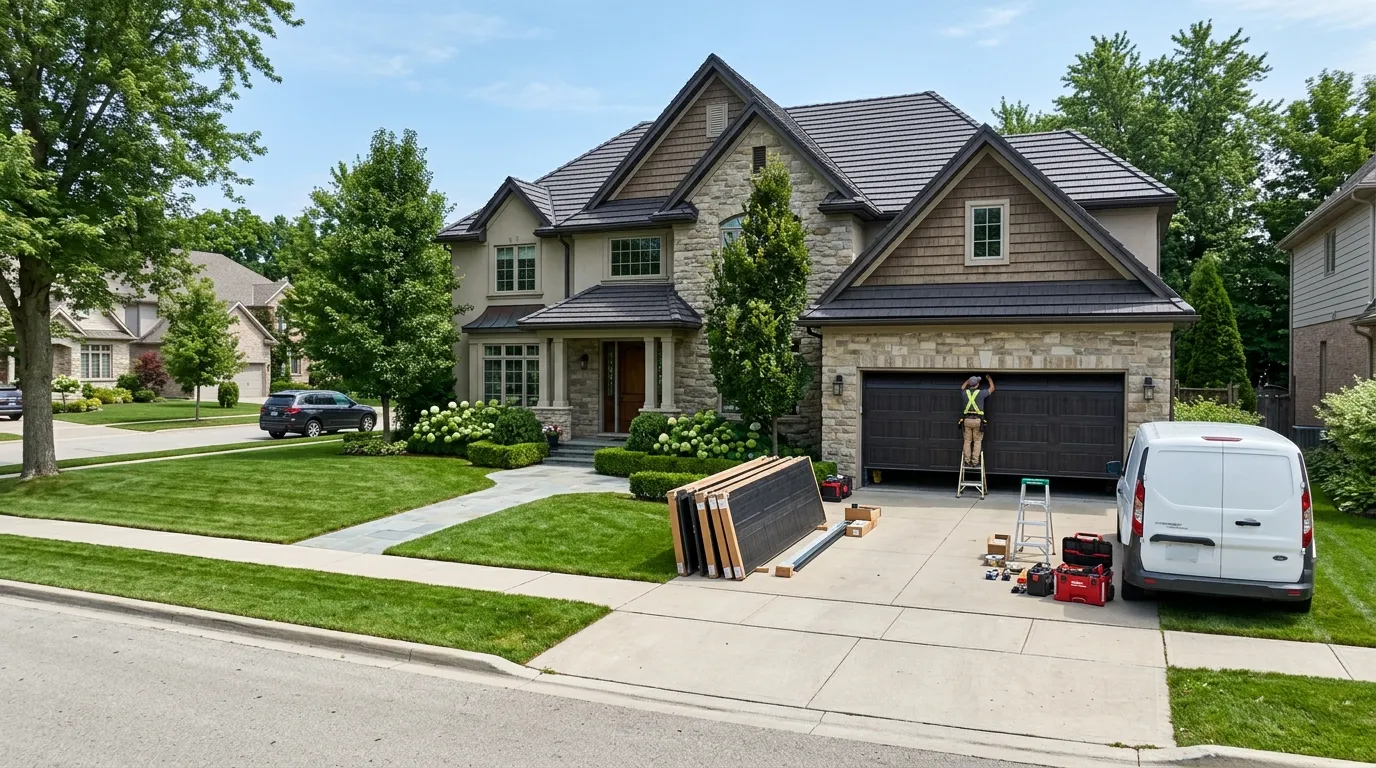
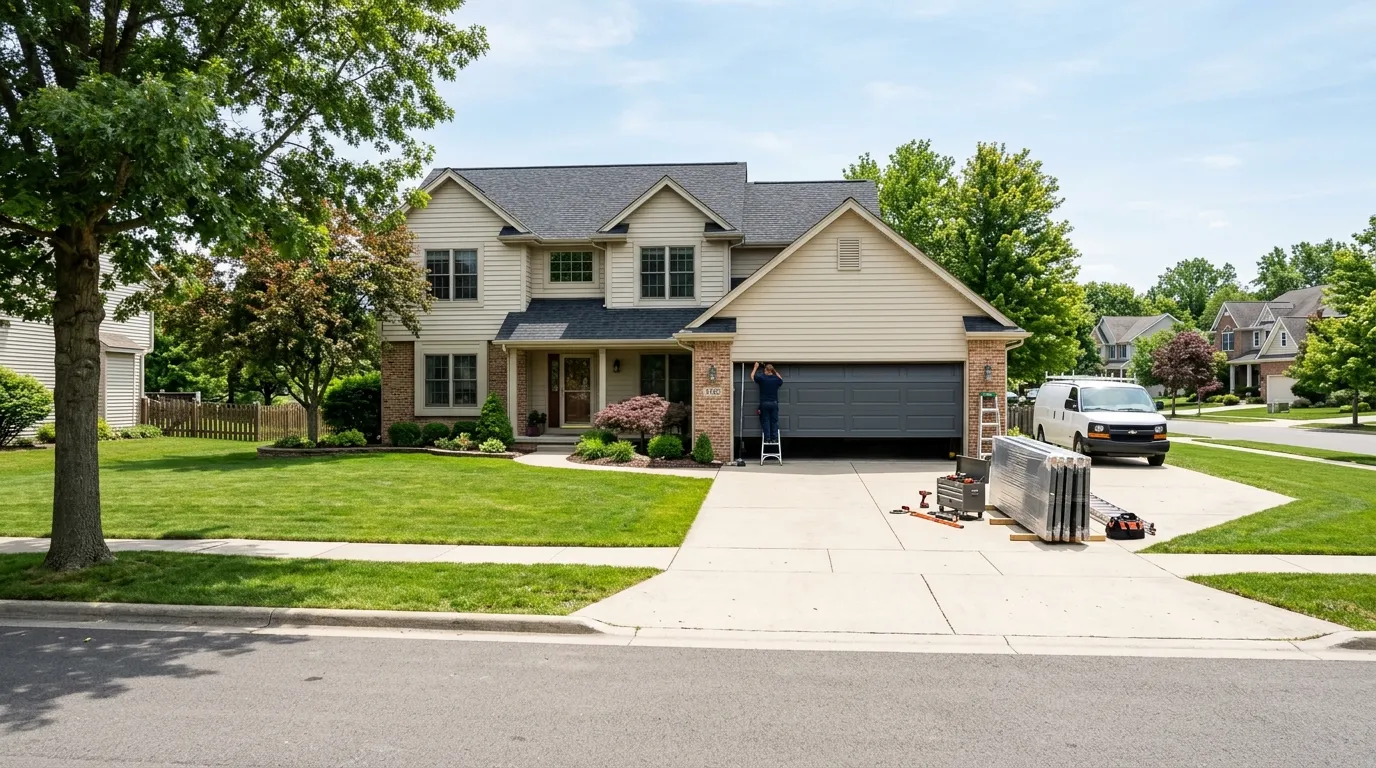
Wallace is a small pocket - around 238 households by our count, with a median income near $113,462, noticeably higher than the roughly $91,429 median across the broader service area we cover from Lodi. That income gap tends to track with what we see on the ground: more upgraded openers, more doors replaced rather than patched, fewer duct-taped fixes.
The climate here runs the same moderate-heat band as the rest of the territory, which is easier on rubber seals and opener electronics than a harsher climate would be, but summer heat still dries out weatherstripping and can make steel panels expand enough to bind briefly in a track that's slightly out of square. With a build era around 2000, most of these doors and openers are old enough now to be hitting their first or second real service need - springs approaching the end of a normal cycle count, openers old enough that the board or motor is the likely point of failure rather than the hardware.