What the Fix Involves
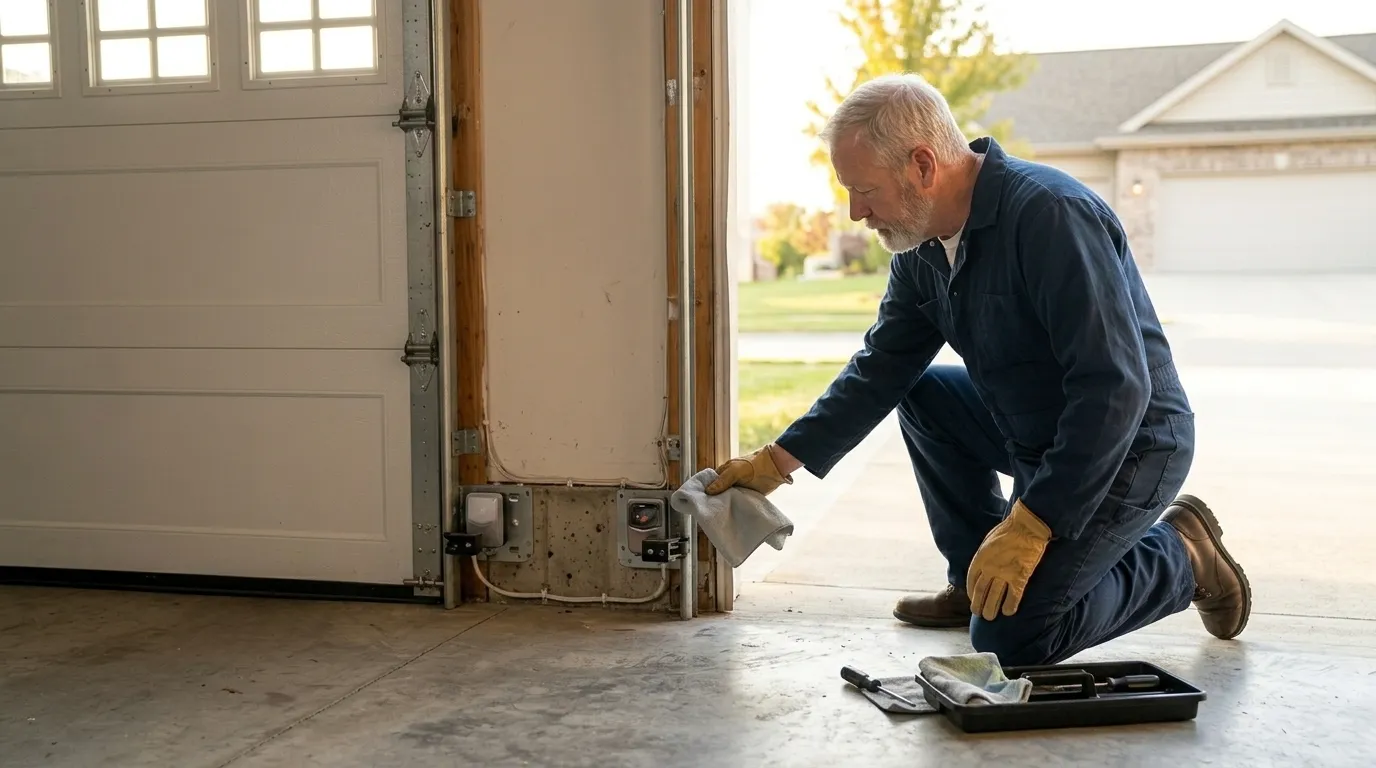
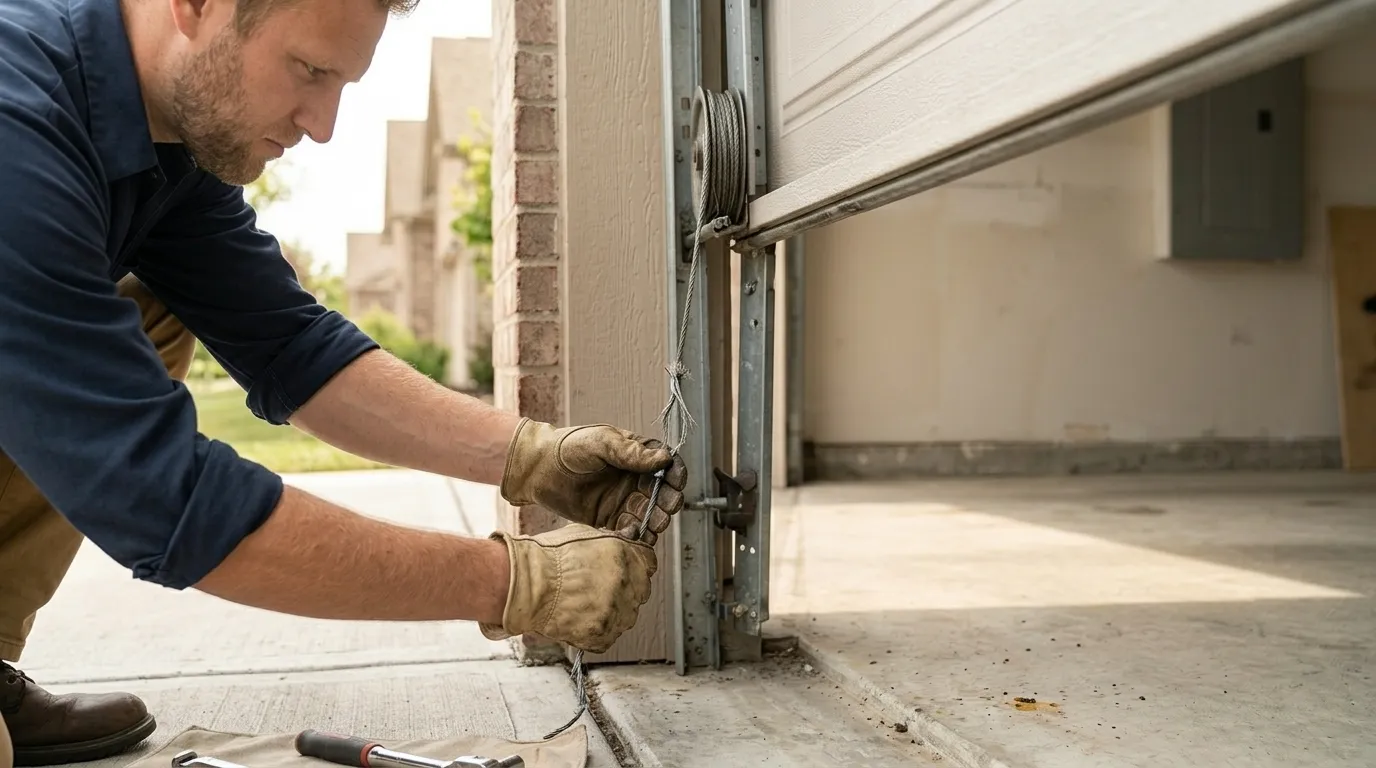
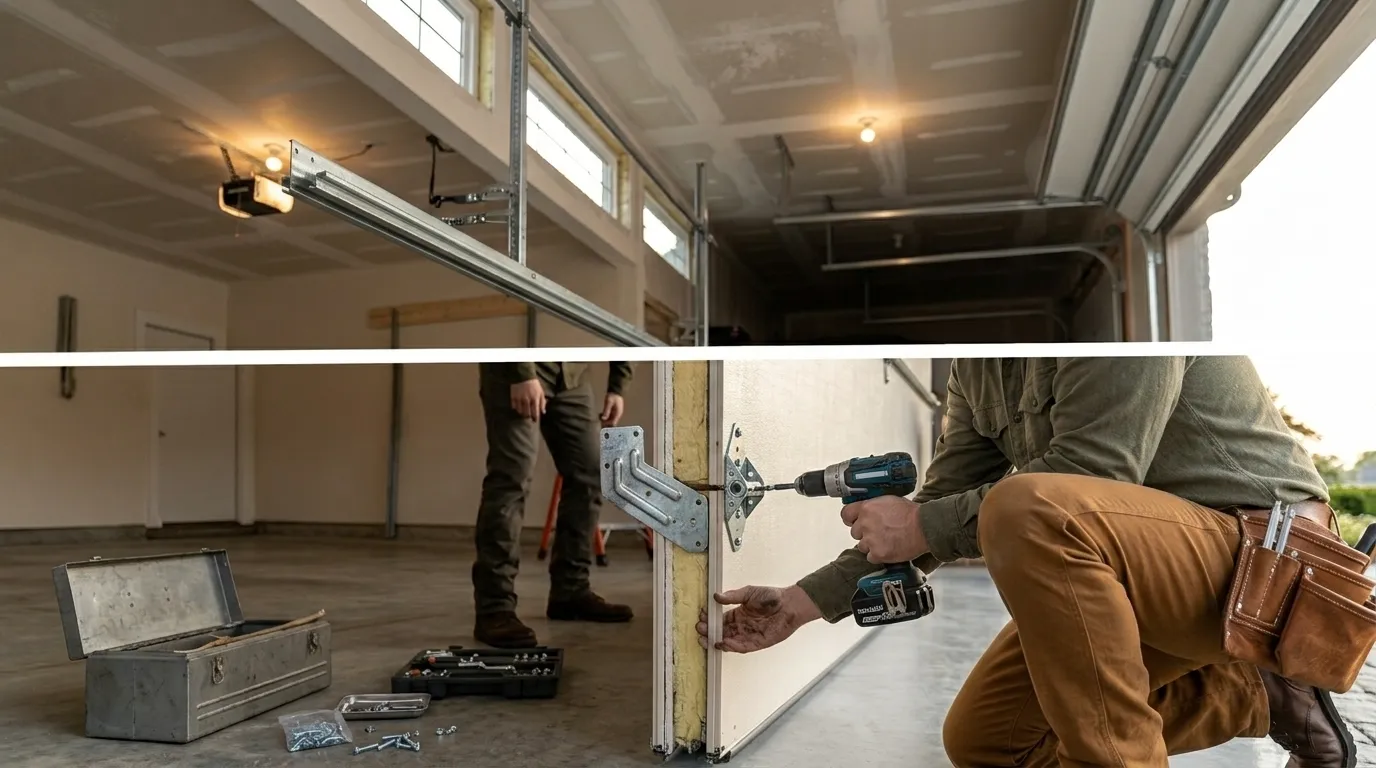
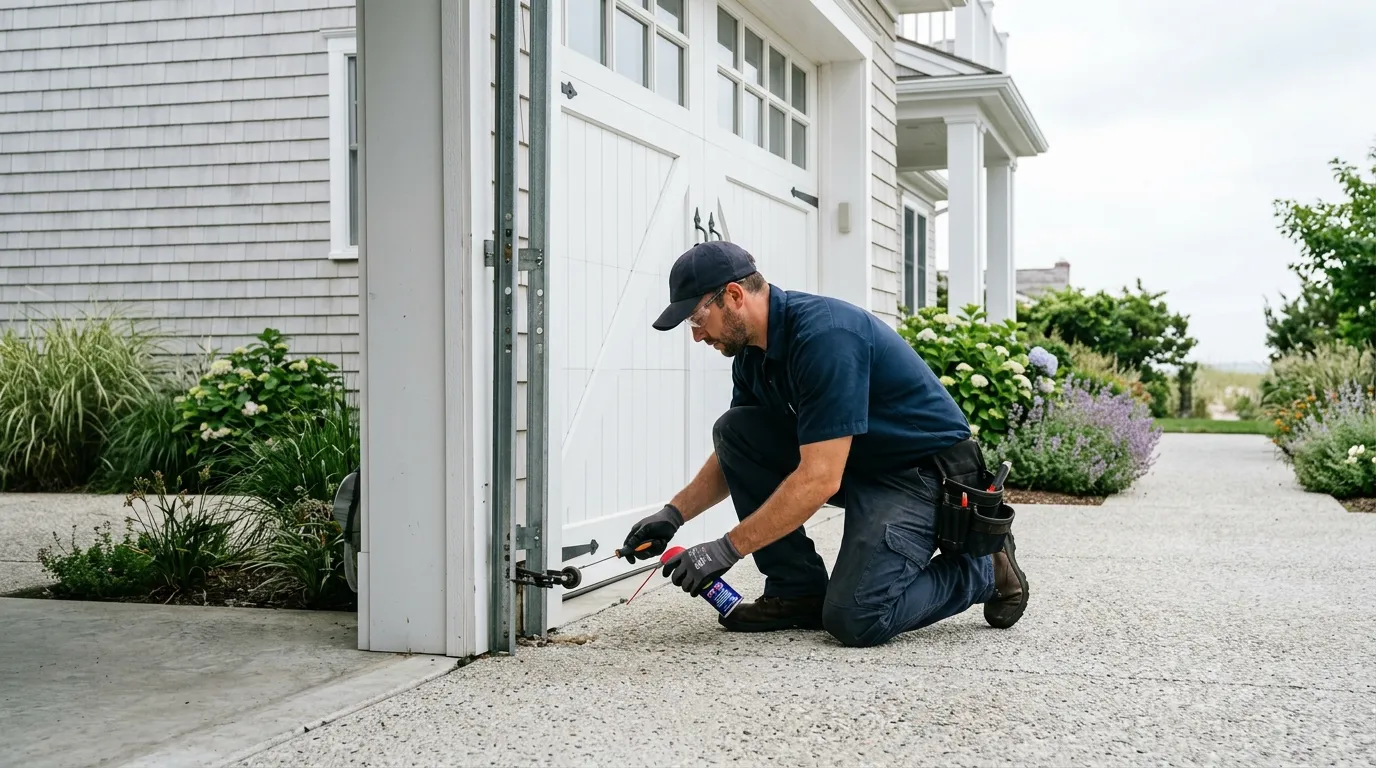
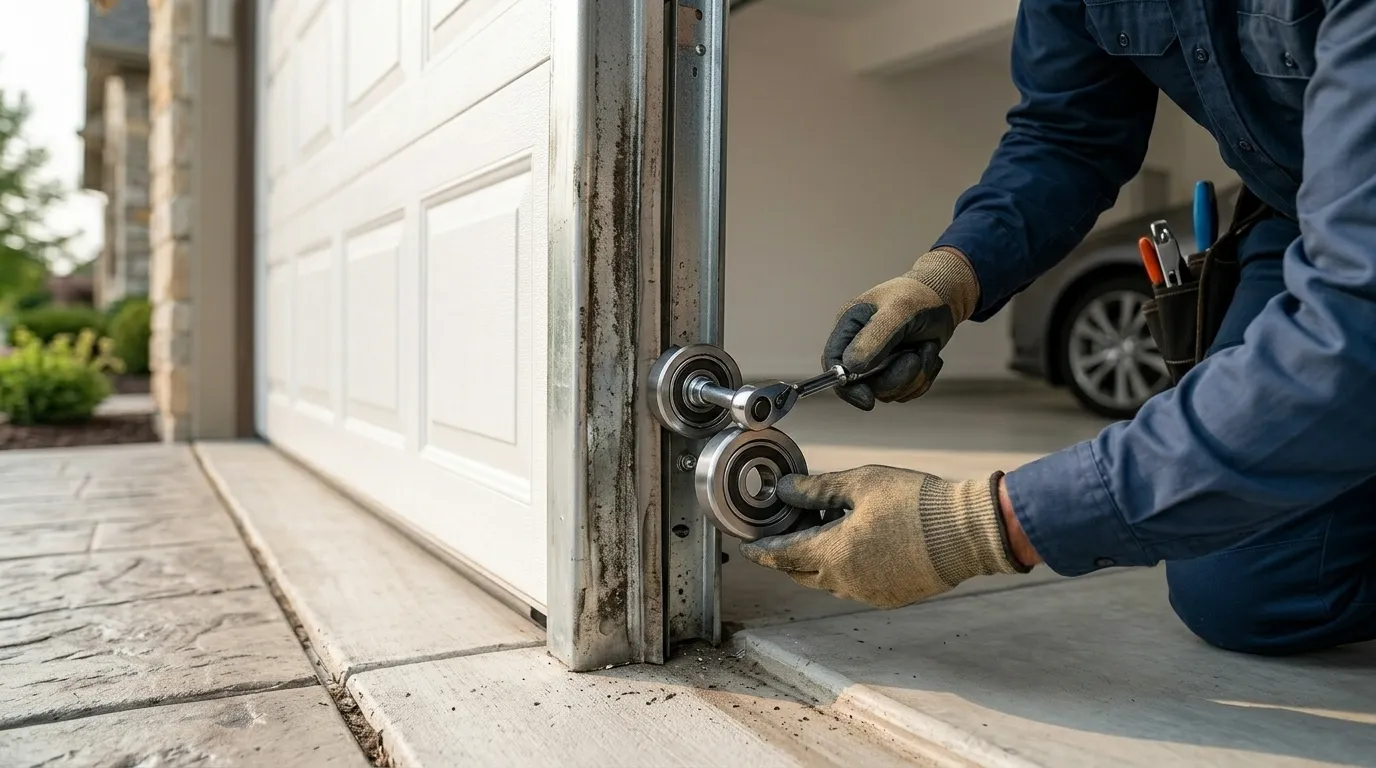
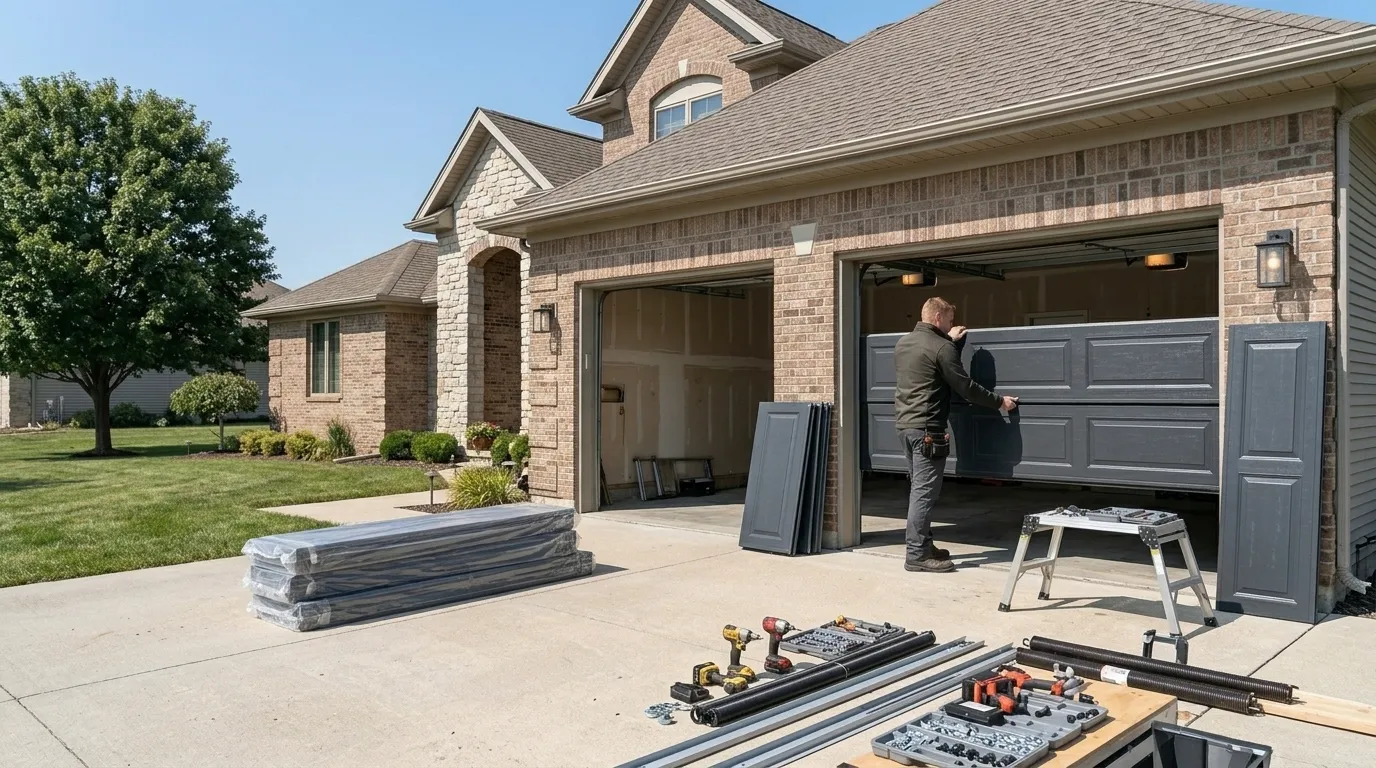
For a torsion spring failure on a door this age, the job is measuring the shaft, matching wire size and wind to the door's weight, and replacing both springs even if only one broke - they wear at the same rate and the second one is close behind. We check the cable drums and the shaft bearings while the spring is off, since a shaft that's been running unbalanced for even a few days can score the bearing plates. On a 671-household area like Collierville, most of the openers paired with these doors are older chain or belt-drive units from the same build era, so we also check the opener's force settings once the door is rebalanced - a spring swap without that step can leave an opener straining against the wrong weight. What we won't do is sell a full door replacement on an emergency call unless the panels themselves are damaged. If the springs and hardware are the only problem, fixing the springs is the honest answer, even though it's a smaller ticket.
Why This Fails Locally
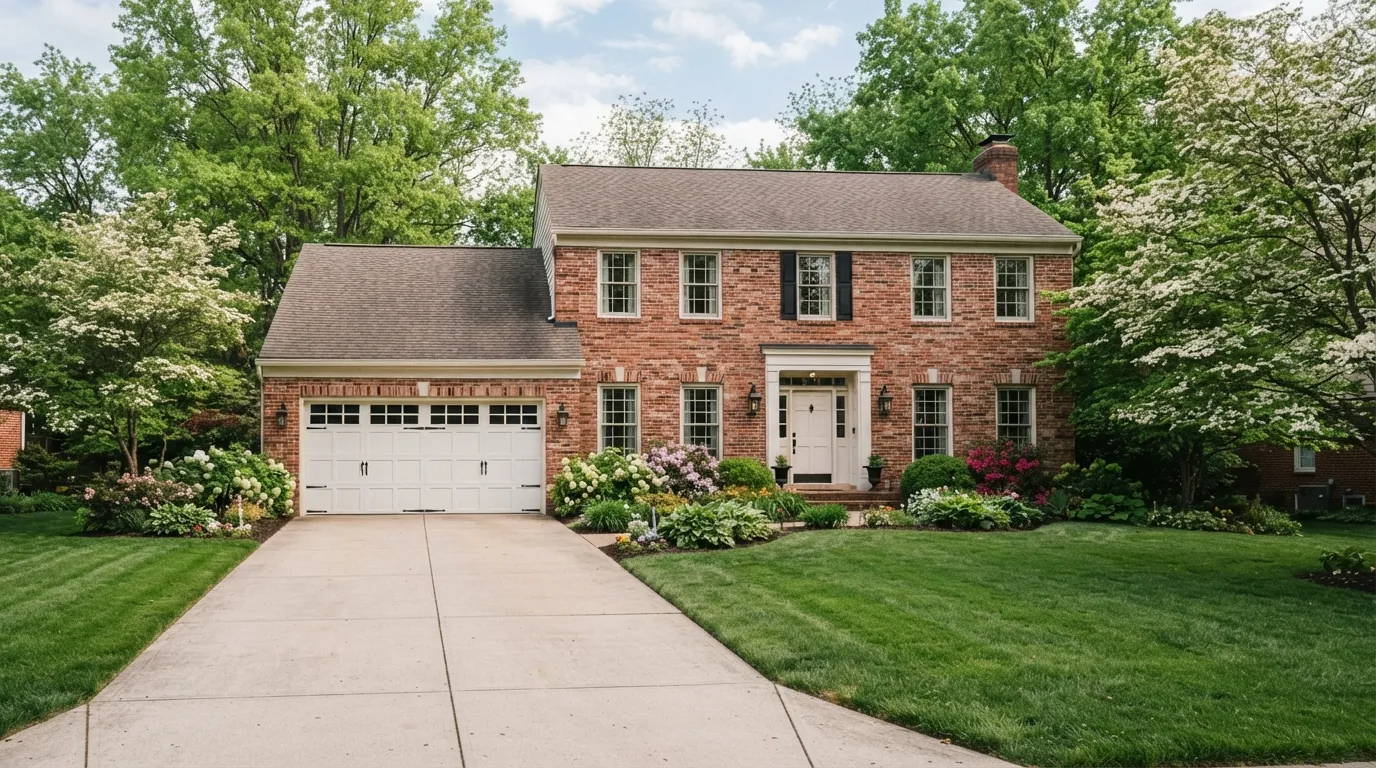
The moderate heat band this area sits in doesn't crack torsion springs the way a harsher climate might, but three decades of daily cycling wears the coil regardless of weather - and Collierville's housing, built with a median year of 1992, is now old enough that original springs are reaching the end of their rated cycle count across the whole street, not just one house. That's different from the older 1946-2001 stock spread across the wider 19-area service region, where doors and hardware are a mix of eras and failures show up more randomly. In a neighborhood built in a tighter window, failures cluster: if one torsion spring on a 1992-built door lets go, the identical door two houses down is running on the same clock. Income here runs higher than the broader service area median, which doesn't change the physics of a spring but does mean more of these calls end in a full hardware upgrade rather than a patch, once the cost of doing it right is on the table.