What the Fix Involves
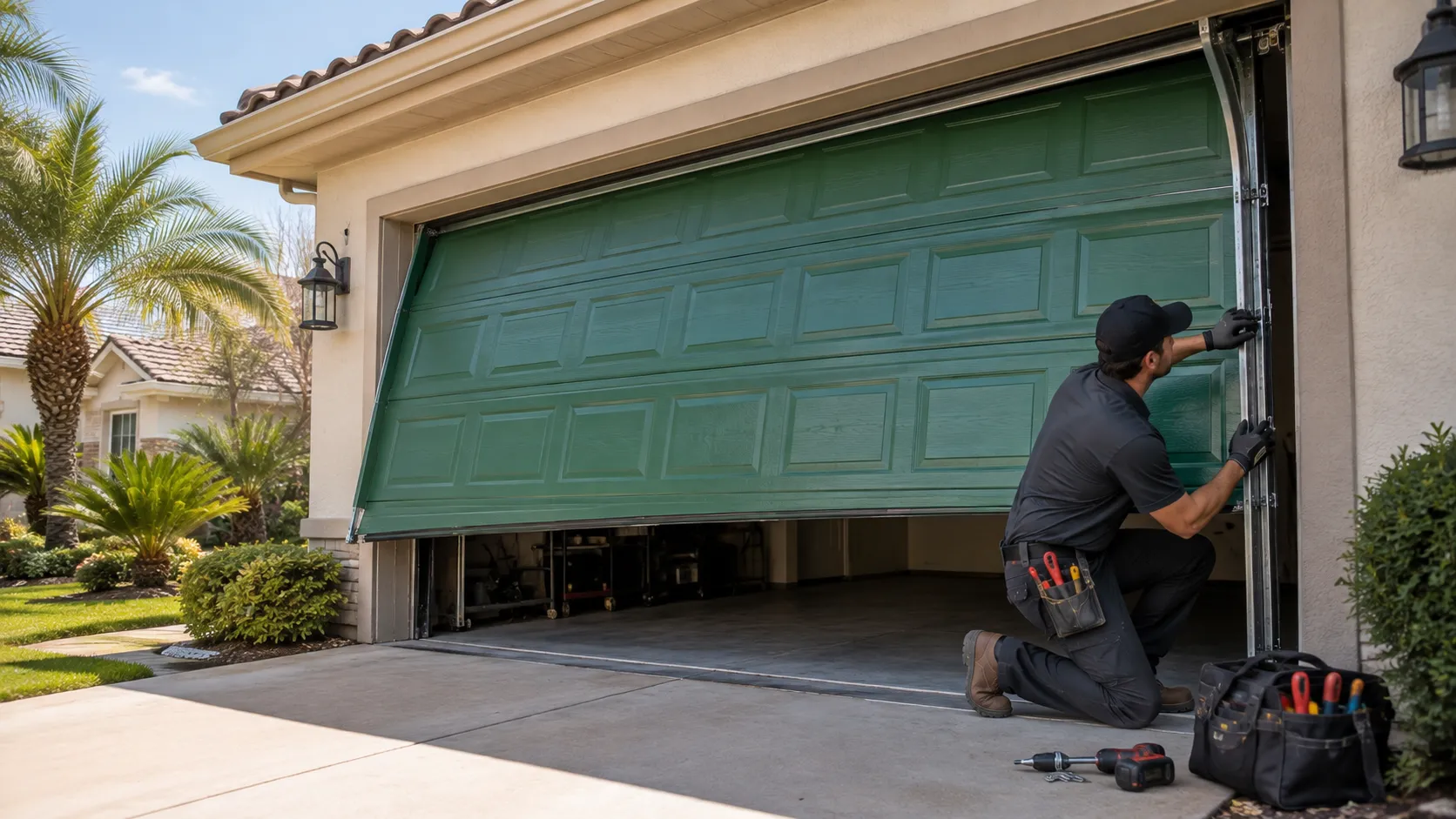
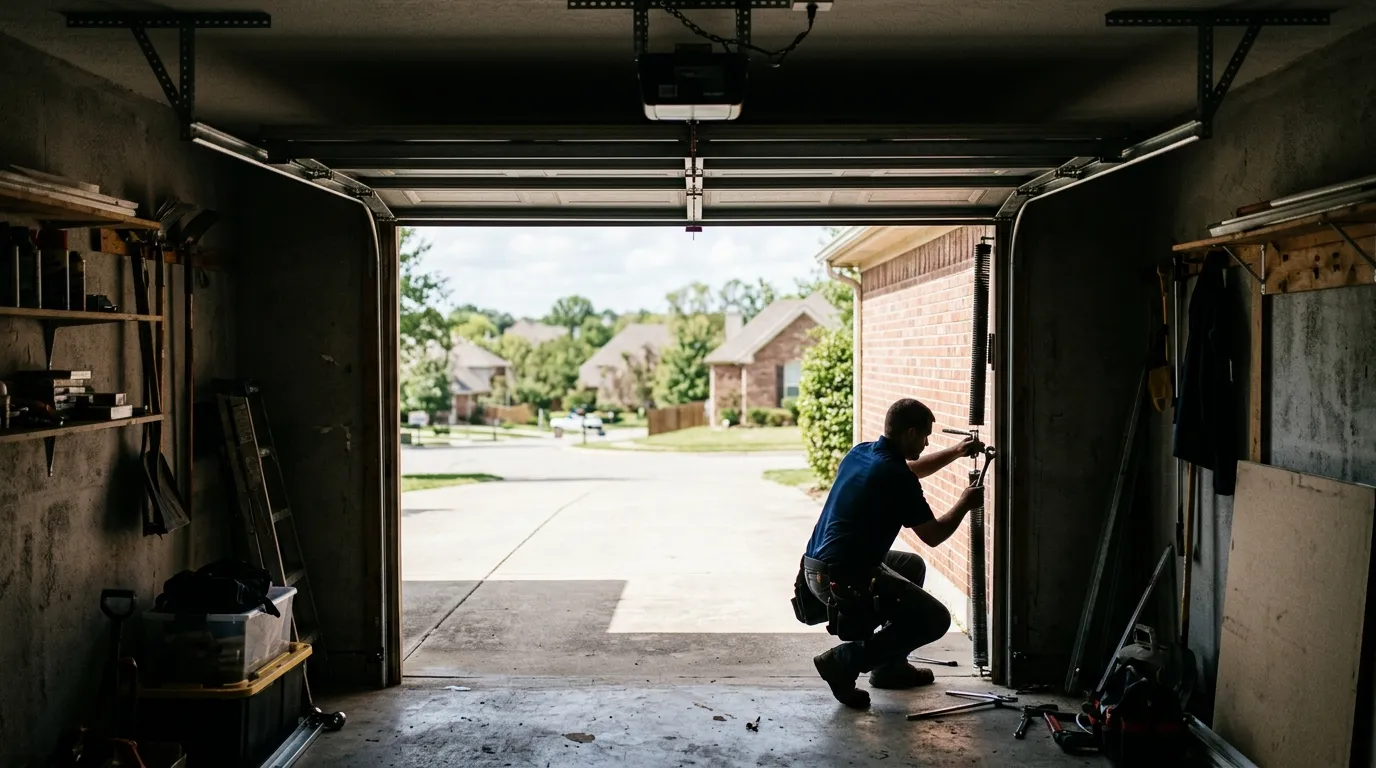
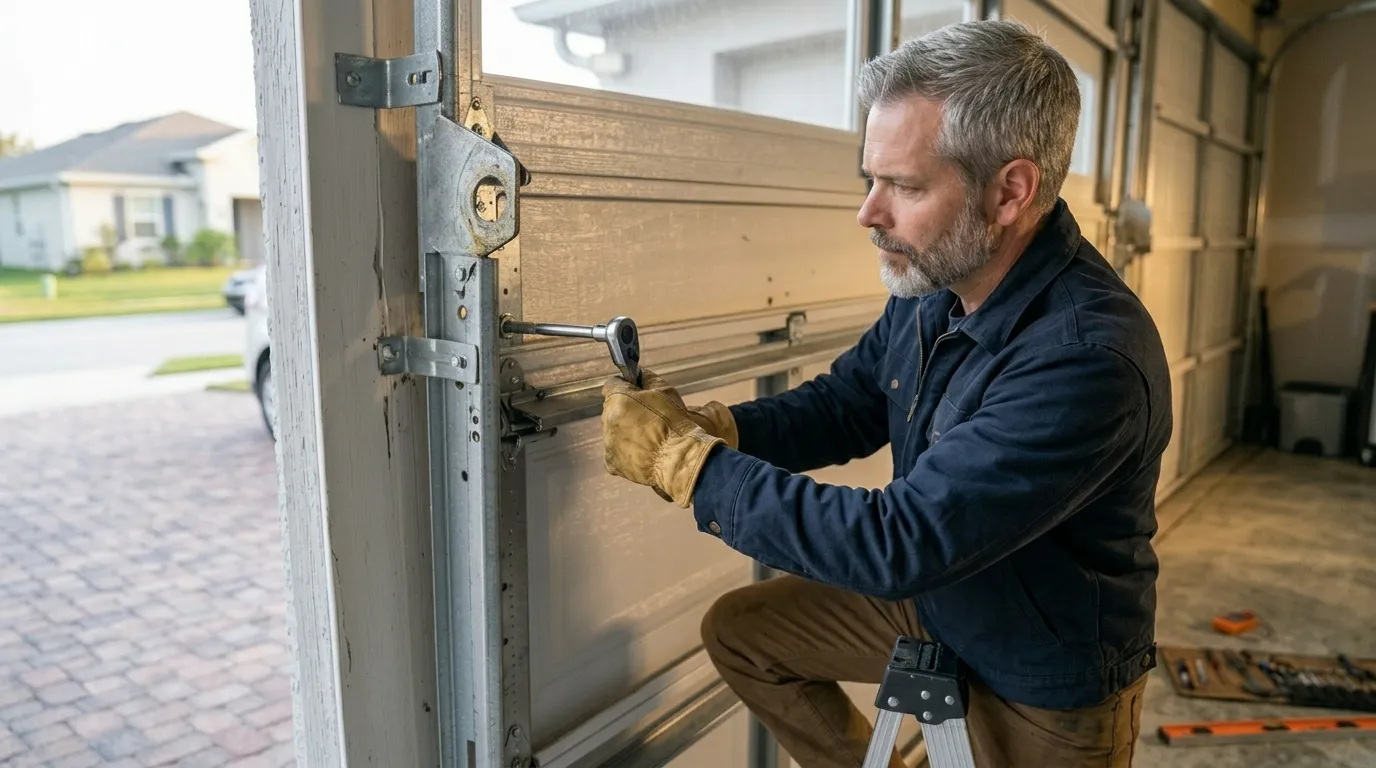
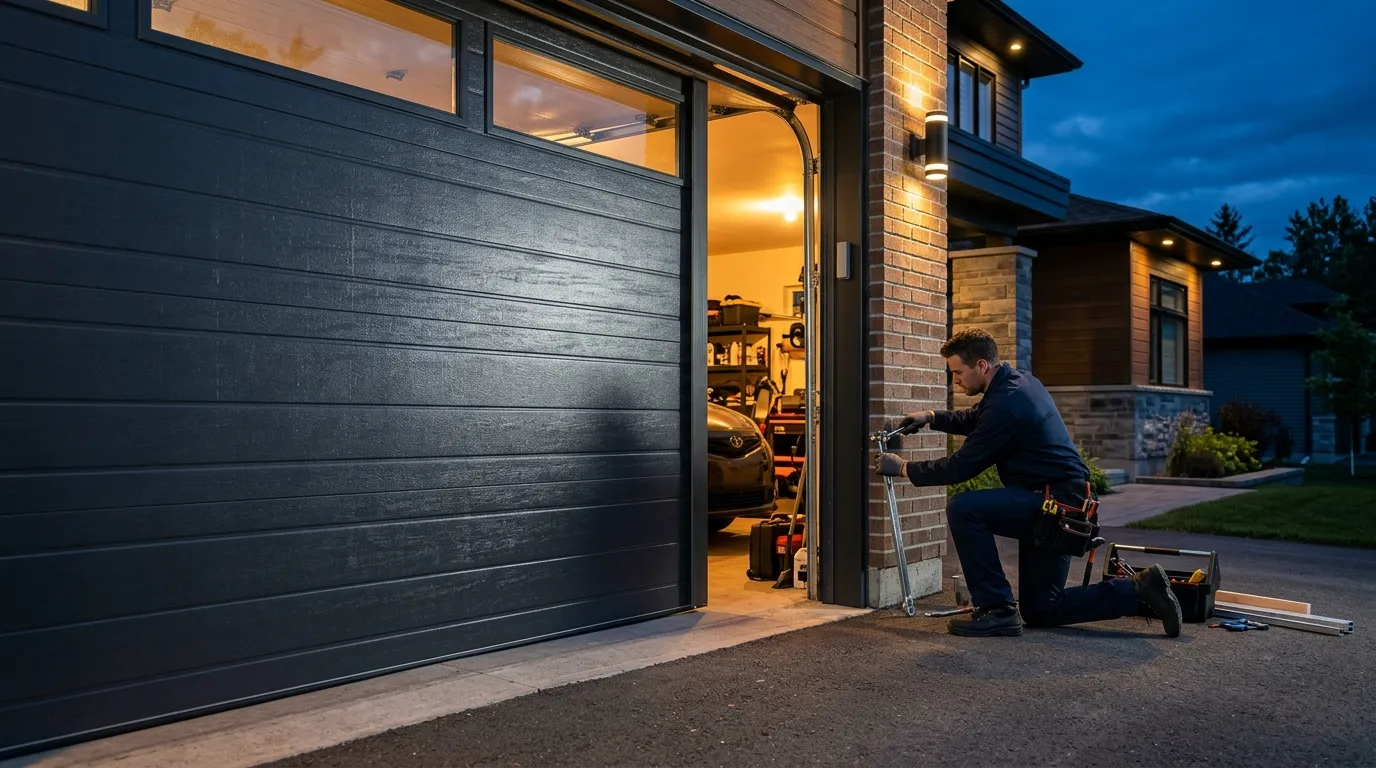
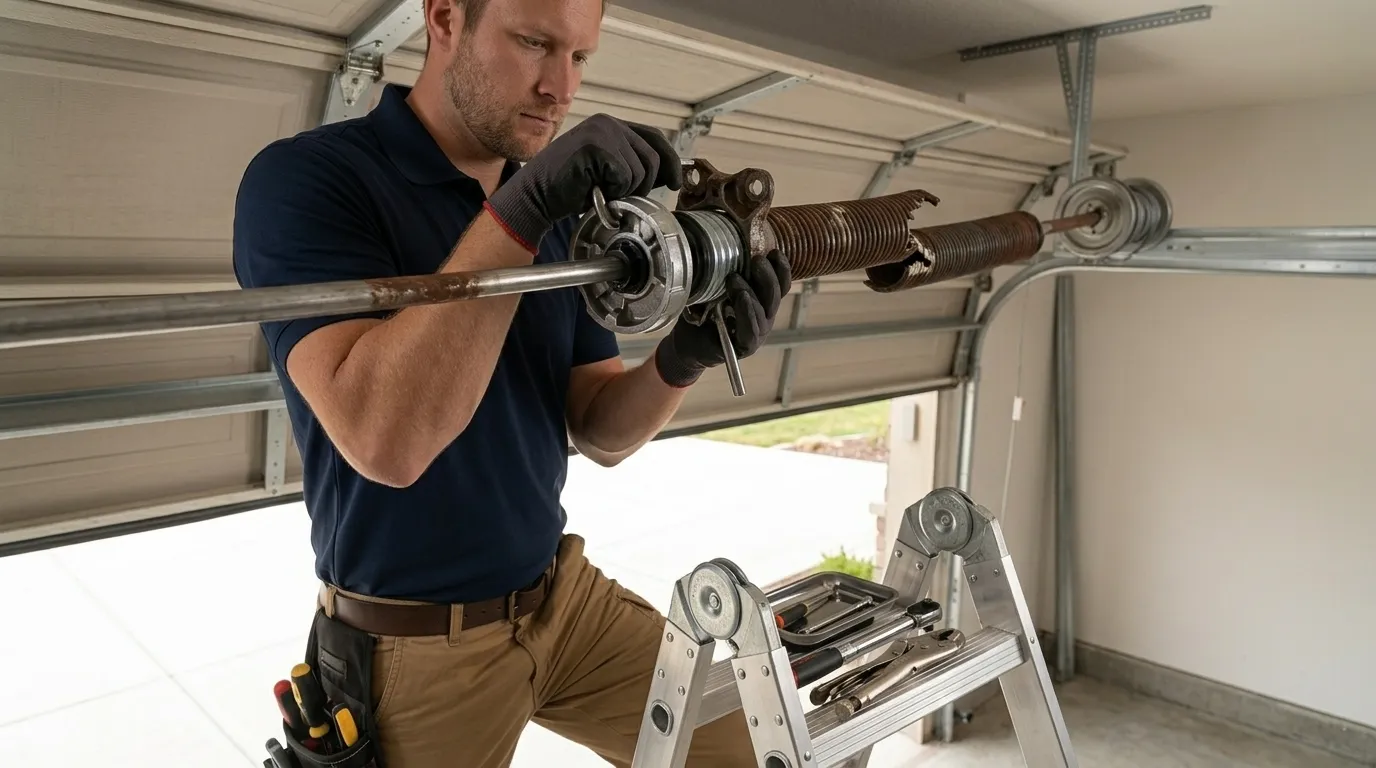
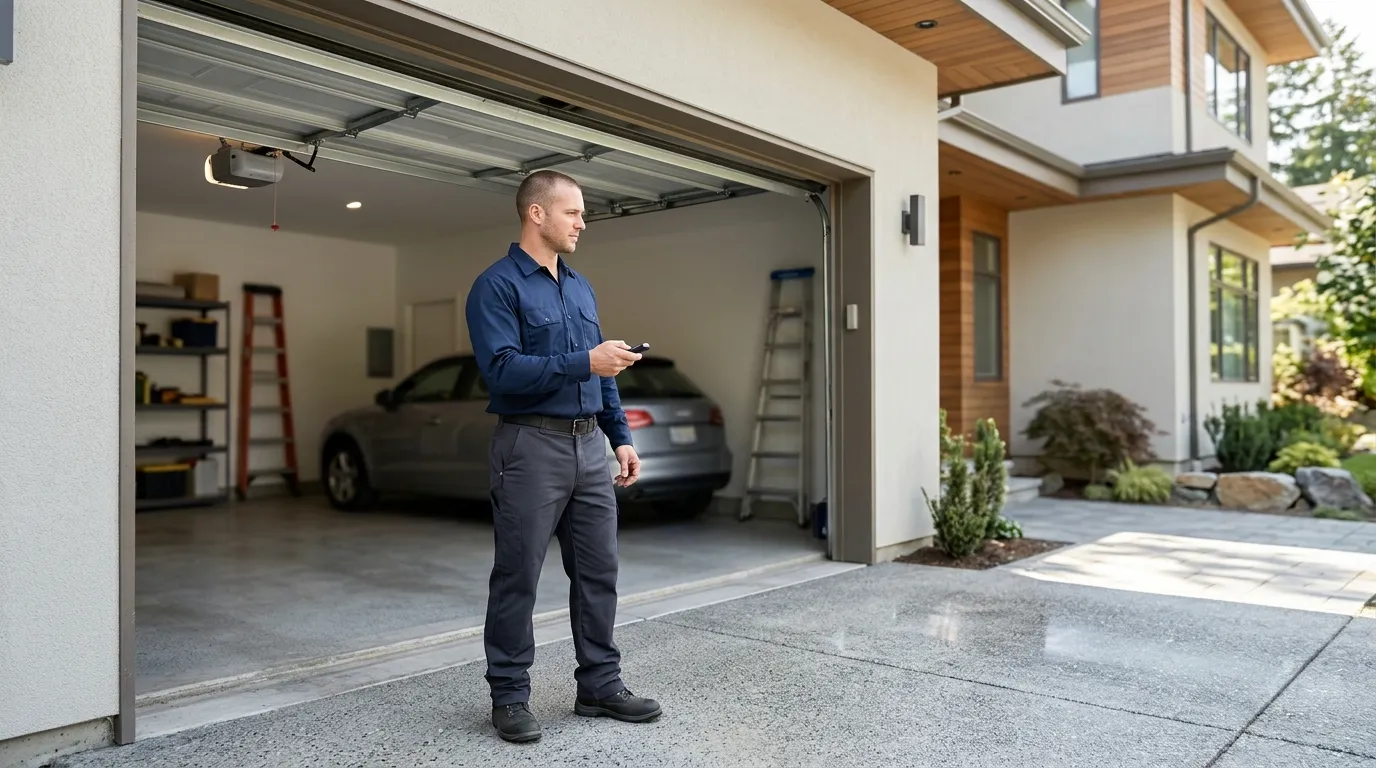
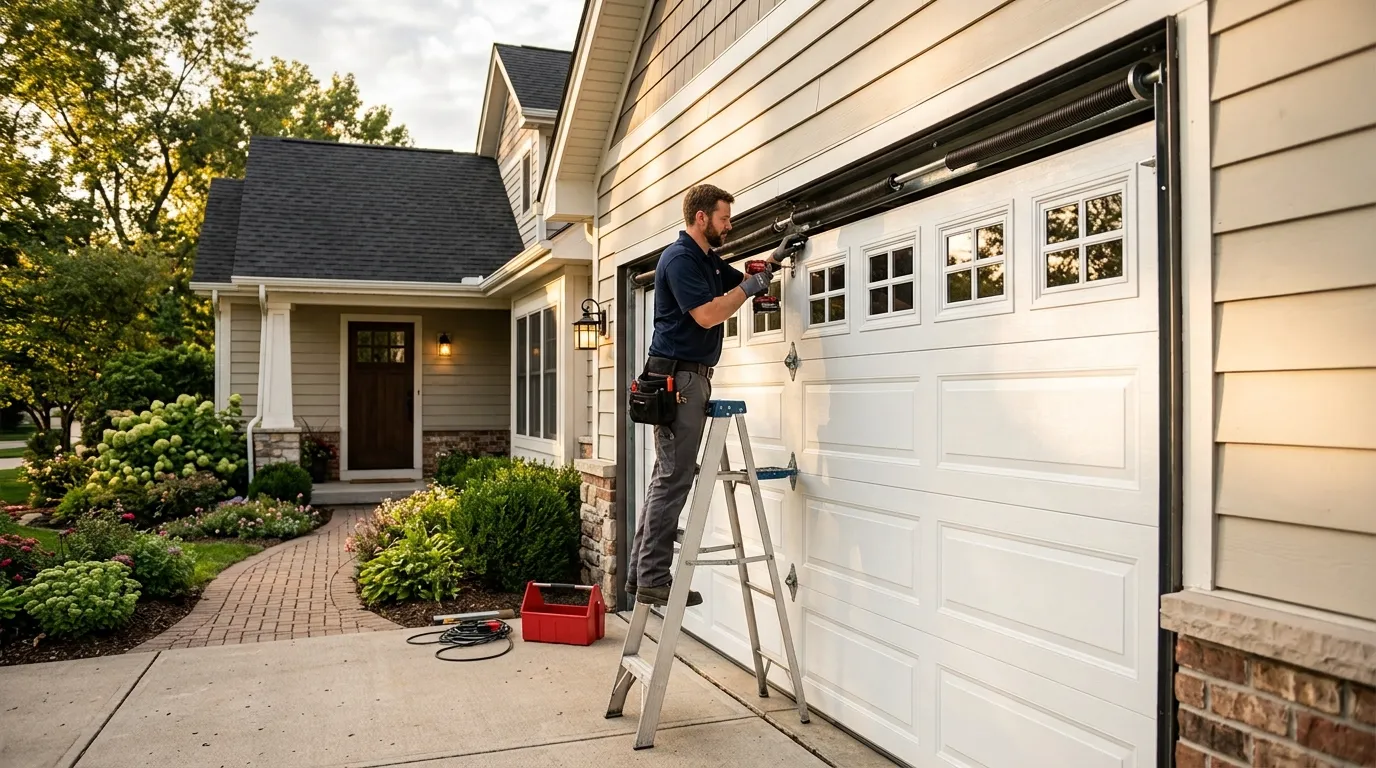
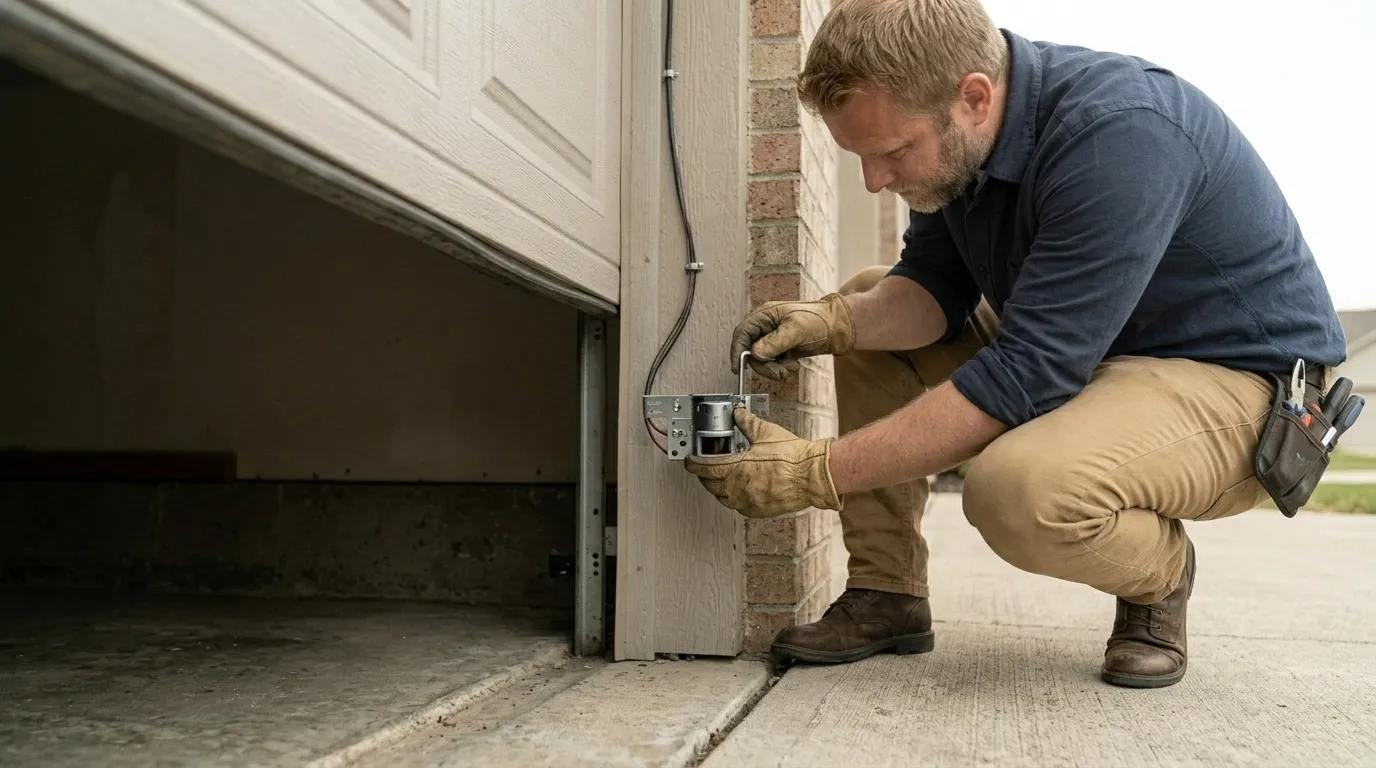
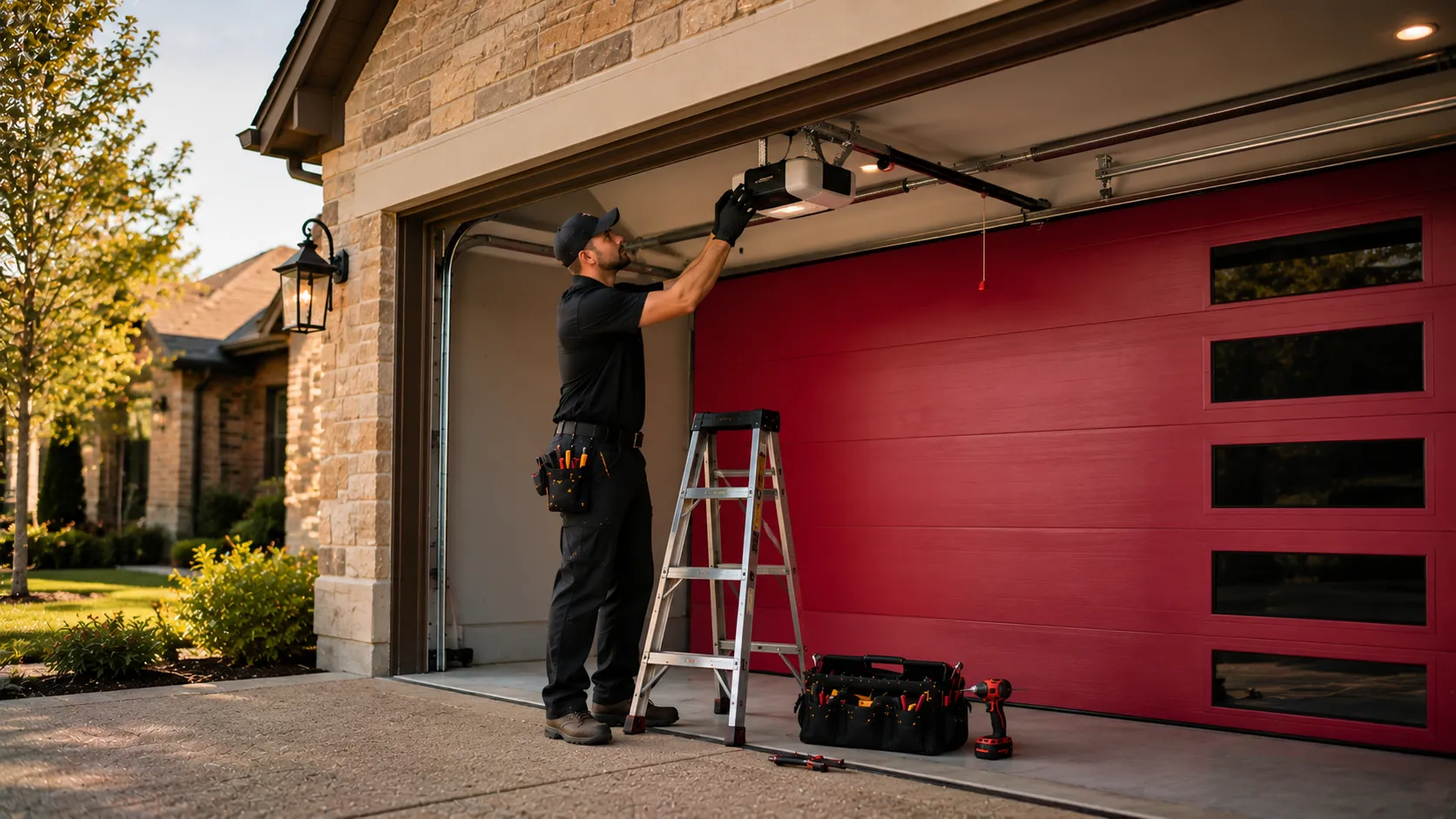
On a house built in 1992, the original door is now over thirty years old, and it's usually the door, not the opener, that's the actual problem. These doors were built with a single layer of steel and no insulation core - fine for the era, but they've had thirty-plus years of expansion and contraction, and the seams and hinges show it. Swapping it out means pulling the old panels, checking the track and jamb for square (rare to find warped wood at this build age, but the springs are almost always original and undersized for a heavier replacement door), and setting new springs matched to the new door's actual weight. If the opener is original to the house, we'll flag it - a 1992 opener predates the current photo-eye safety standard, and running a new door off old opener logic isn't something we do. That's the honest limitation: we won't install a new door and leave a decades-old opener wired in like nothing changed. It either gets updated or it doesn't ship out of the truck that day.
Why This Fails Locally
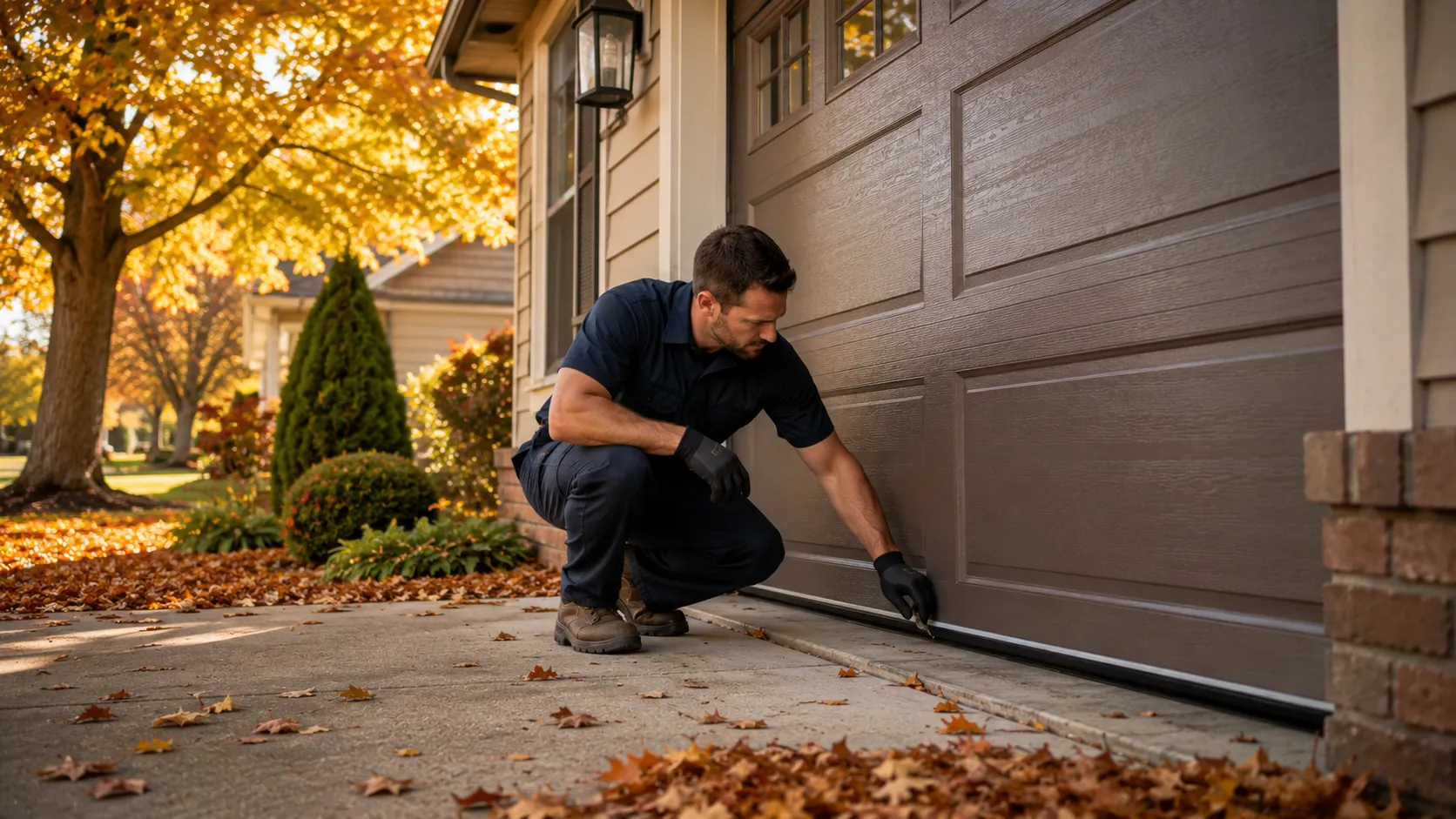
Collierville sits about 6 miles from Lodi, close enough that a same-day job is realistic, but the housing age here is what actually drives the failure pattern, not the distance. Median income in this suburb runs close to $99,792, noticeably above the wider service area's median of $91,429 - which shows up less in what breaks and more in what gets replaced instead of patched. A homeowner here is more likely to swap a tired door for an insulated one outright rather than keep re-springing the original. The climate band across this whole service area is moderate heat, not desert extreme, so we're not seeing the kind of daily thermal cycling that cracks panels in hotter climates - the failures here are age and wear, plain and simple, not heat damage. With only 671 households in Collierville itself, this isn't a suburb with a dense cluster of identical tract failures hitting all at once; it's scattered, one door at a time, as each house crosses that thirty-year mark.