Serving Lodi, CA & nearby
(209) 309-1723
Lodi, CA

Garage Door Service for Collierville Homes

Collierville's homes date mostly to the early 1990s, newer than most of the Lodi service area. That gap changes which springs, cables, and openers fail first.

Garage Door Service for Collierville Homes
Lodi, CA
8 services
7 service areas
Diagnosis first, then the fix

What Is on the Truck

Most of the houses we work on across the Lodi service area went up between 1946 and 2001, with a median around 1974 - a lot of original one-piece doors on side-mounted torsion hardware that nobody stocks new parts for anymore. Collierville sits apart from that pattern. The typical home here dates closer to 1992, almost two decades newer than the area median, which means sectional steel doors, extension or torsion springs sized for lighter panels, and openers with circuit boards rather than the older chain-drive-only units. When we head out the 6 miles from Lodi to a Collierville call, we're loading parts for that later build era first: standard-drop torsion springs in common residential sizes, nylon rollers instead of the steel ones older doors use, and universal remotes that pair with mid-90s logic boards. We still carry the older hardware in case a house got a used door installed later, but it's not what we grab first for this stop. That's the practical difference a 15-20 year build gap makes before the truck even leaves the yard.

What the Fix Involves

A 1992-era door in Collierville is usually still on its first or second spring set, since torsion springs on a door that age are only now hitting the end of a normal cycle count. The job tends to be a straight spring swap or roller replacement rather than a full hardware rebuild - the track, drums, and end bearings on a door this age are usually still square and worth keeping. Where the area's newer housing stock helps: panels and openers from this era are common enough that we're not waiting on a special-order part. Where it doesn't help: newer builder-grade doors sometimes shipped with lighter-gauge springs than the door actually needs, so a spring that looks original can be undersized for the panel weight - worth checking, not assuming. One limitation worth saying plainly: if the opener logic board itself has failed rather than a switch or sensor, we don't stock every 1990s board on the truck, and that part sometimes has to be ordered rather than swapped same-visit.

Why This Fails Locally

Collierville's household income runs close to $99,792, noticeably above the broader service area's median of $91,429, and that shows up in the doors themselves - more insulated steel sections, more openers with battery backup, fewer bare single-layer panels than we see on older housing stock closer to 1974-era construction. With around 671 households in Collierville, it's a small enough pocket that the housing here reads as a distinct cohort rather than a mix of eras. The heat band across the service area is moderate rather than extreme, so we're not chasing the kind of thermal cycling that cracks panels in harsher climates - the failures here are mechanical wear, not weather damage. What does apply everywhere, Collierville included, is torsion spring fatigue: springs are rated by cycle count, not by calendar years, and a door used daily reaches the end of that count on the same schedule whether the house was built in 1974 or 1992. The difference is which spring size and door weight we're matching against.
How It Shows Up

On a house from this era, the first sign is usually the opener straining or reversing partway up rather than a door that won't budge at all - a symptom of a spring losing tension gradually rather than snapping outright, which is more common on later torsion setups than on the older extension-spring doors elsewhere in the area. A door that drifts open a few inches on its own, or that feels heavier to lift by hand than it used to, points to the same wear. Cables fraying near the bottom bracket shows up less often on doors this age since the original cable is usually still the factory one. If a call comes in from Collierville with a door that's gone dead quiet - no response from the wall switch or remote - we check the logic board and the safety sensors before assuming a motor failure, since that's the more common fault on an opener from the 1990s than on the strictly mechanical units common on older area homes.

How it works

From “it’s stuck” to “it’s fixed”

1
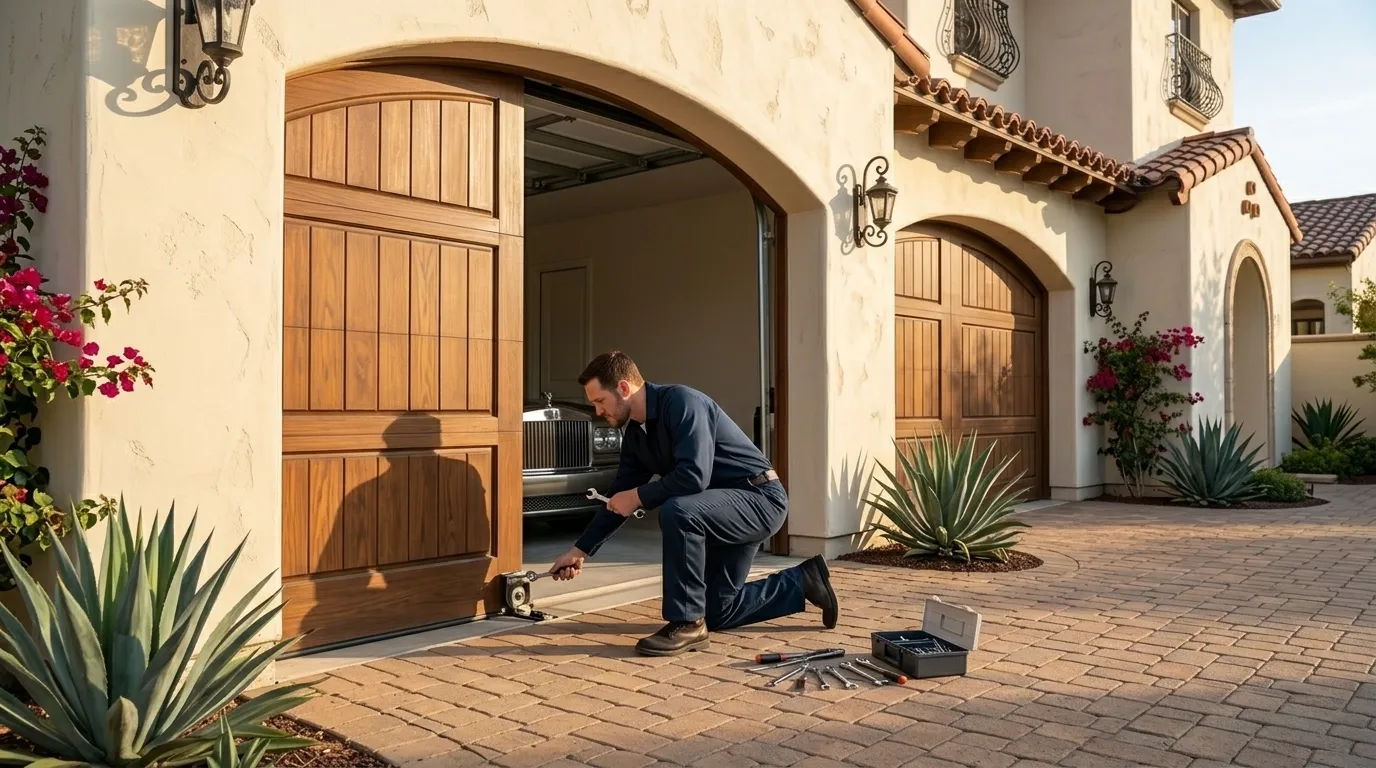
Tell us what’s wrong - Lodi garage door service

Tell us what’s wrong

Describe the symptom - won’t open, loud bang, opener runs but the door won’t move.

2
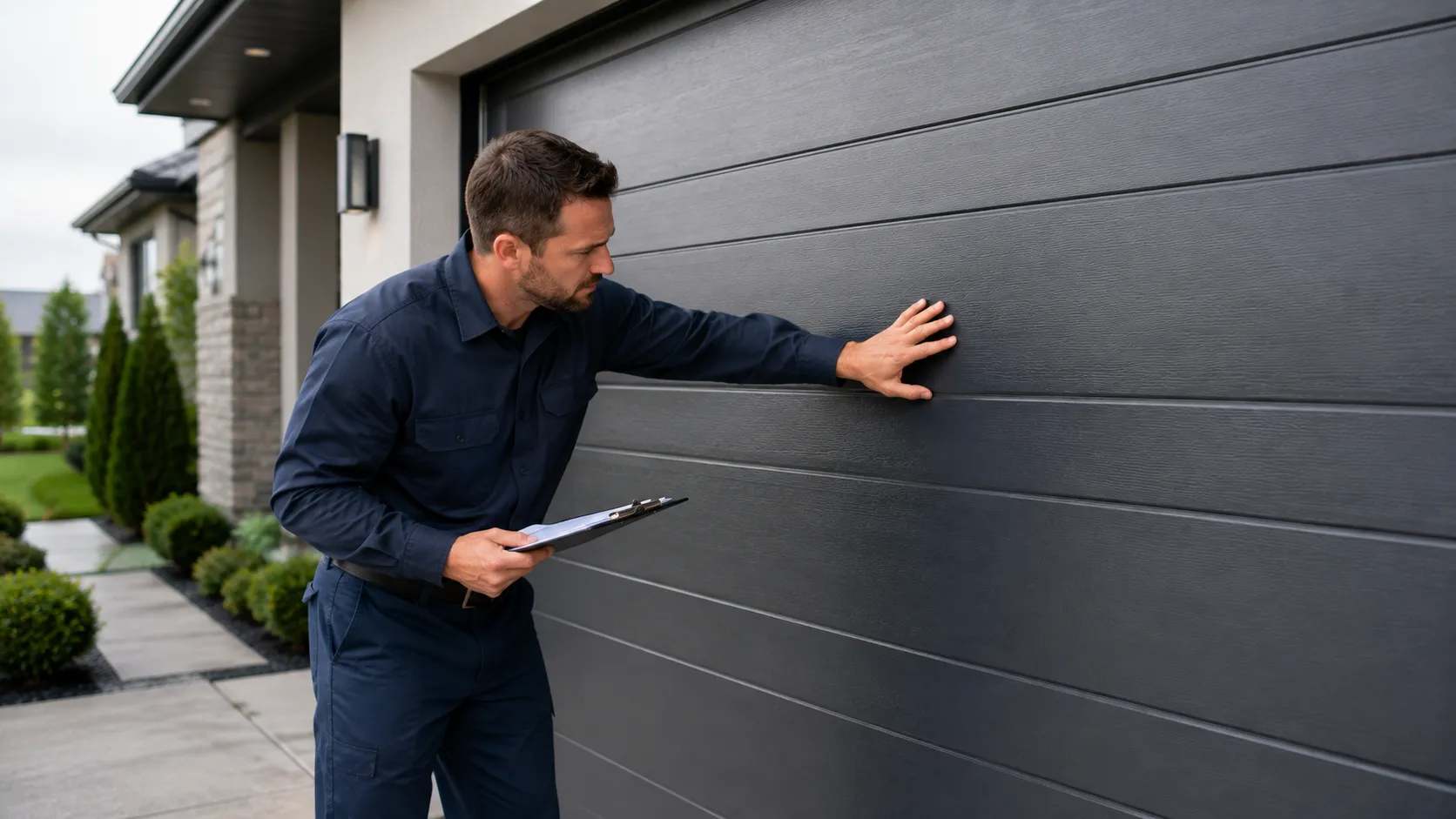
On-site diagnosis - Lodi garage door service

On-site diagnosis

A technician tests the door under power and by hand and finds what actually failed.

3
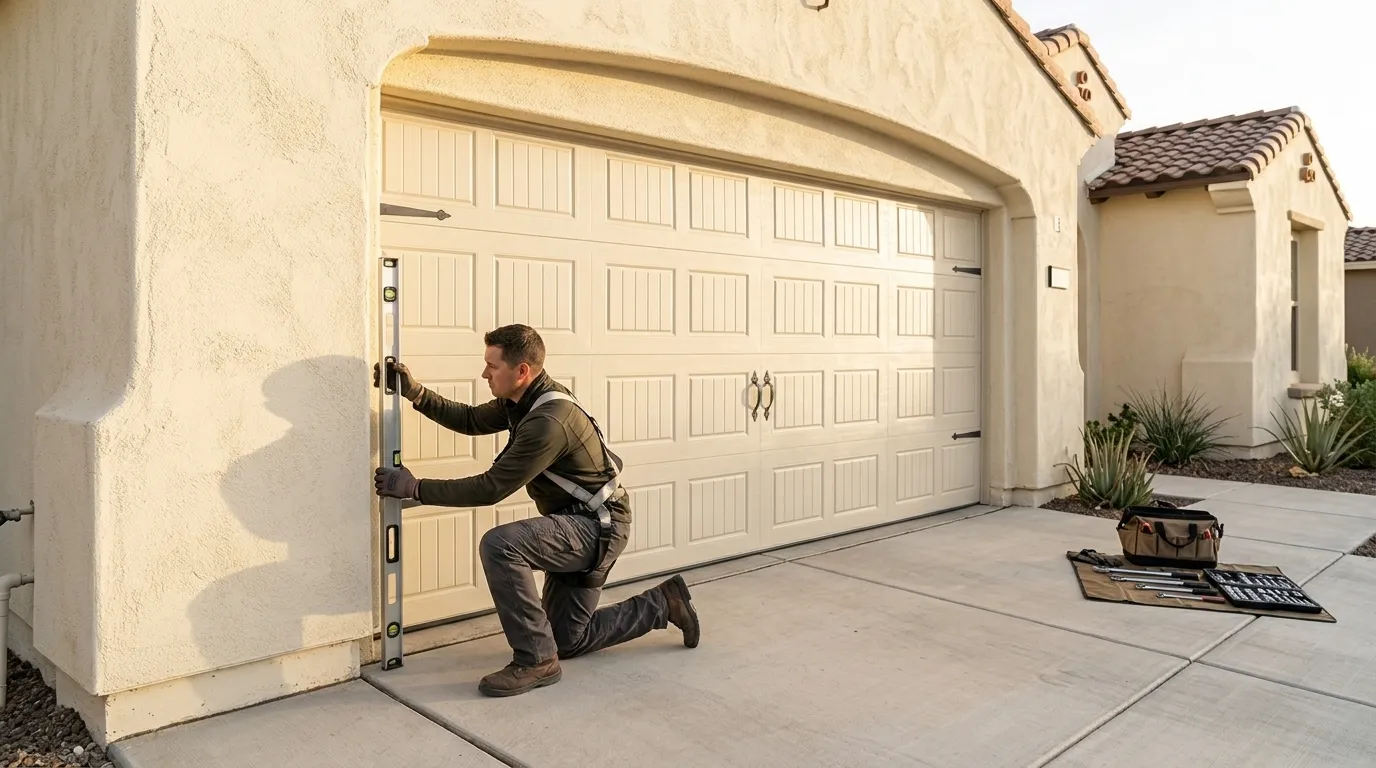
Clear, up-front plan - Lodi garage door service

Clear, up-front plan

You get the fix that’s needed and what drives the cost - before any work starts.

4
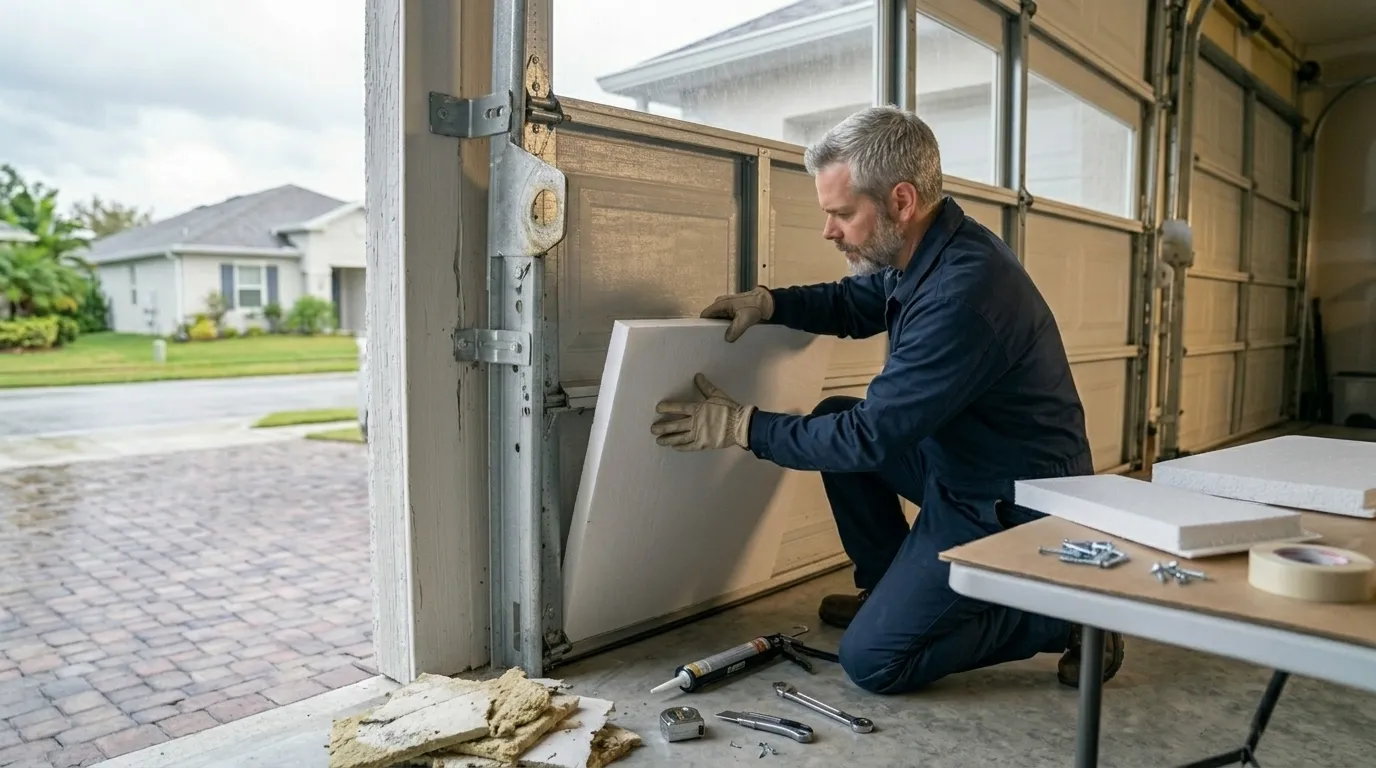
Repaired & tested - Lodi garage door service

Repaired & tested

The repair is done, the door is set true and tested, and the work area left clean.

Next step

Serving Lodi, CA - tell us what your door’s doing and we’ll take it from there.

How we work

What to expect

A straight, honest approach on every Lodi job.

Diagnosis first

Every visit starts by finding what actually failed - not a pre-written parts list.

The right part for the door

Springs and openers matched to the door’s weight and age, so the fix holds up.

Straight answers

When a repair makes more sense than a replacement - or the reverse - you hear it plainly.

Clean, careful work

Tension released safely, hardware set true, the door tested under power before we leave.

64,596Residents in Lodi
8Garage door services
7Neighborhoods & suburbs
CAServing Lodi, CA
Questions

Frequently asked

Straight answers about garage door repair in Lodi. Still unsure? Ask us directly.

Is Collierville too far for a same-visit repair?

It's about 6 miles from Lodi, close enough that most spring, roller, and cable jobs are a single visit. Parts we don't carry on the truck, like an older or discontinued opener logic board, may need to be ordered first.

Do Collierville garage doors need different parts than older Lodi-area homes?

Often yes. Collierville's typical home dates to around 1992, later than the area's 1974 median, so doors tend to be sectional steel on torsion springs sized for lighter panels rather than the older one-piece doors common on 1960s and 70s stock nearby.

Why does my opener stop responding instead of the door just sticking?

On doors from this era the opener has a circuit board and safety sensors rather than a purely mechanical chain drive. A dead response usually points to the board or sensors, not the spring or track, which is a different fix than on an older mechanical unit.

Ready to get your garage door sorted?

Tell us what it’s doing and where you are in Lodi - we’ll take it from there.

Request a QuoteCall