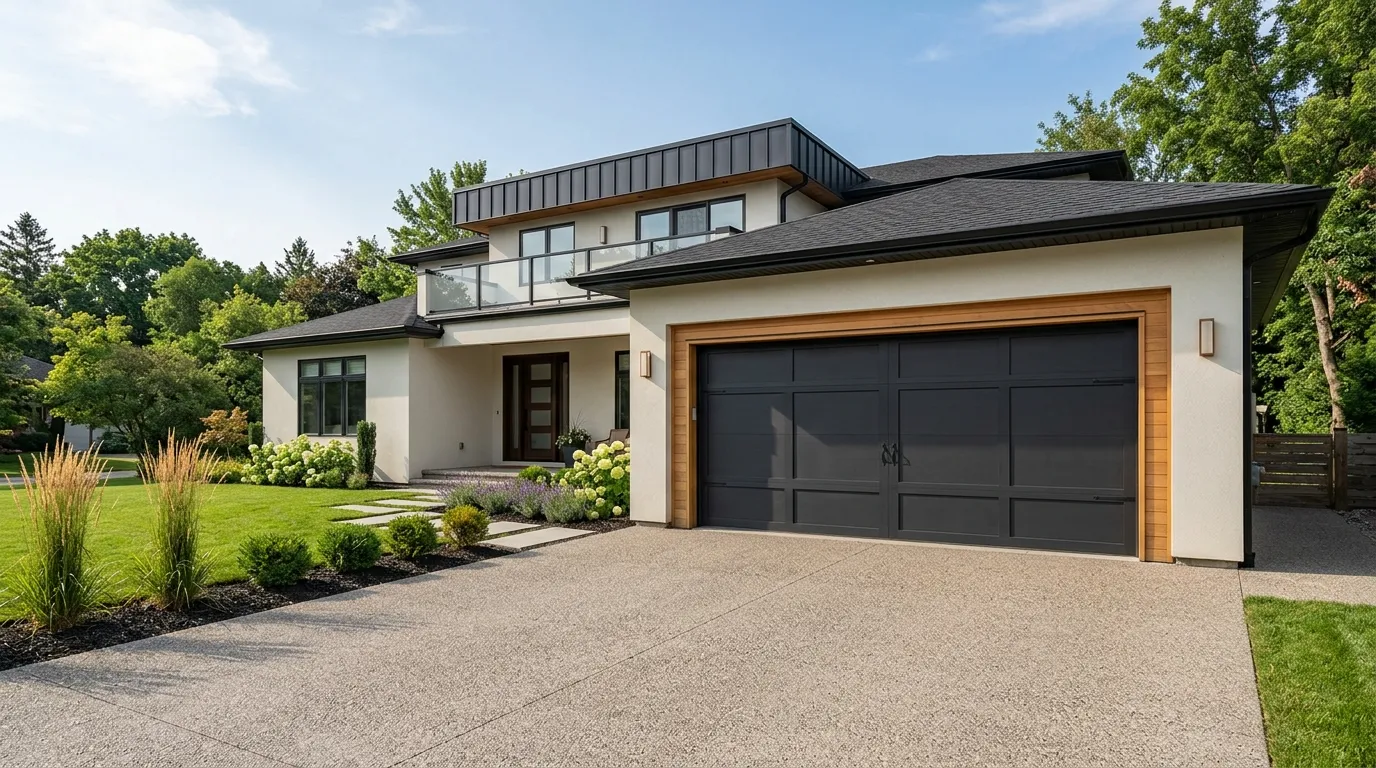
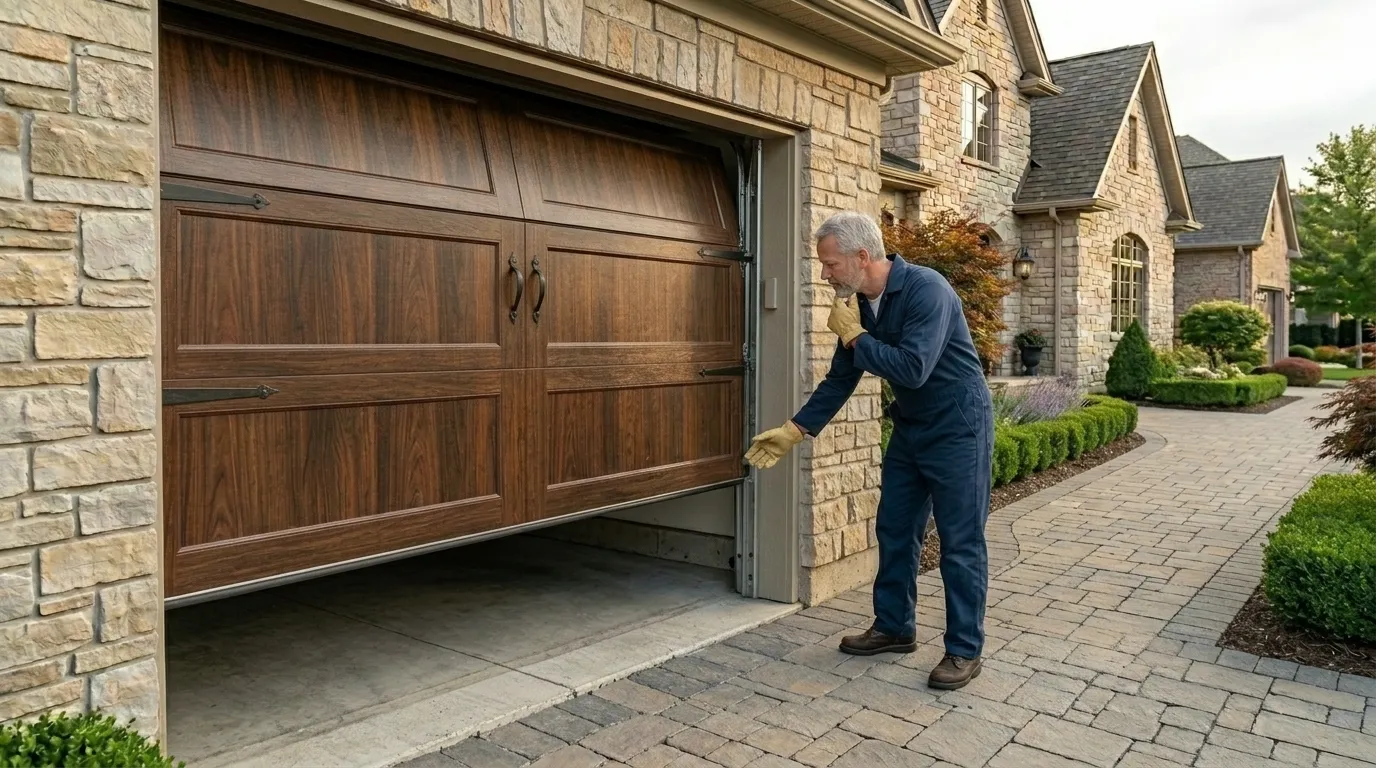
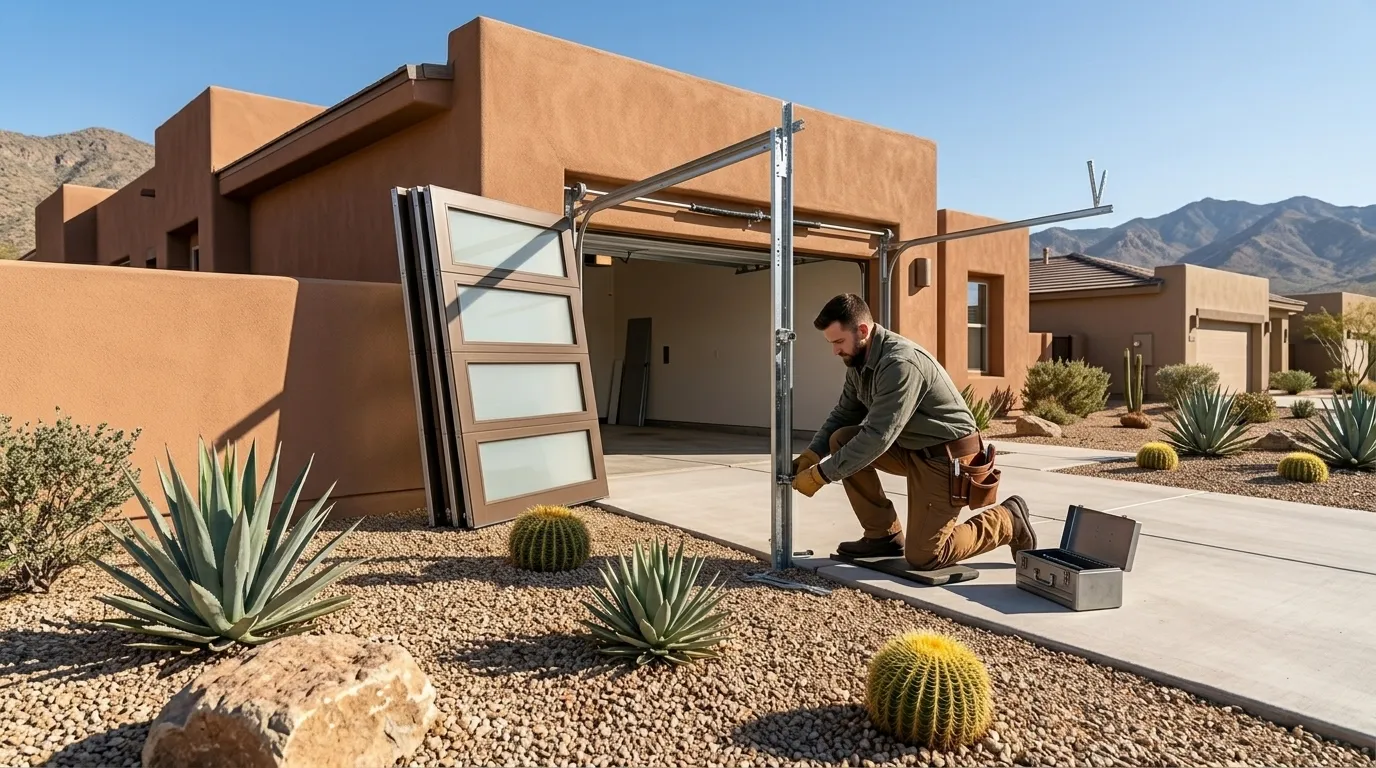
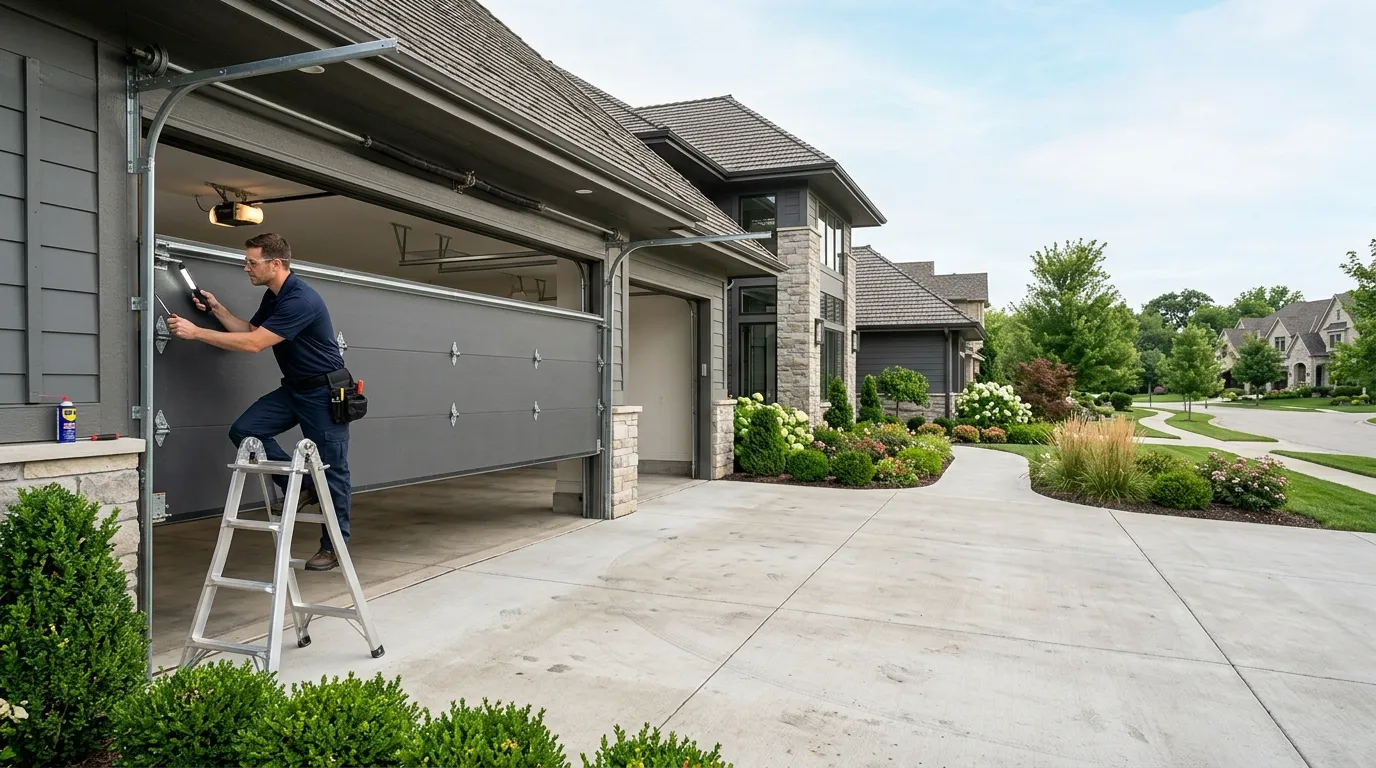
Collierville, CA sits six miles from Lodi. Homes here were mostly built around 1992, giving openers newer circuit boards, sensors, and belt-drive gears to service.
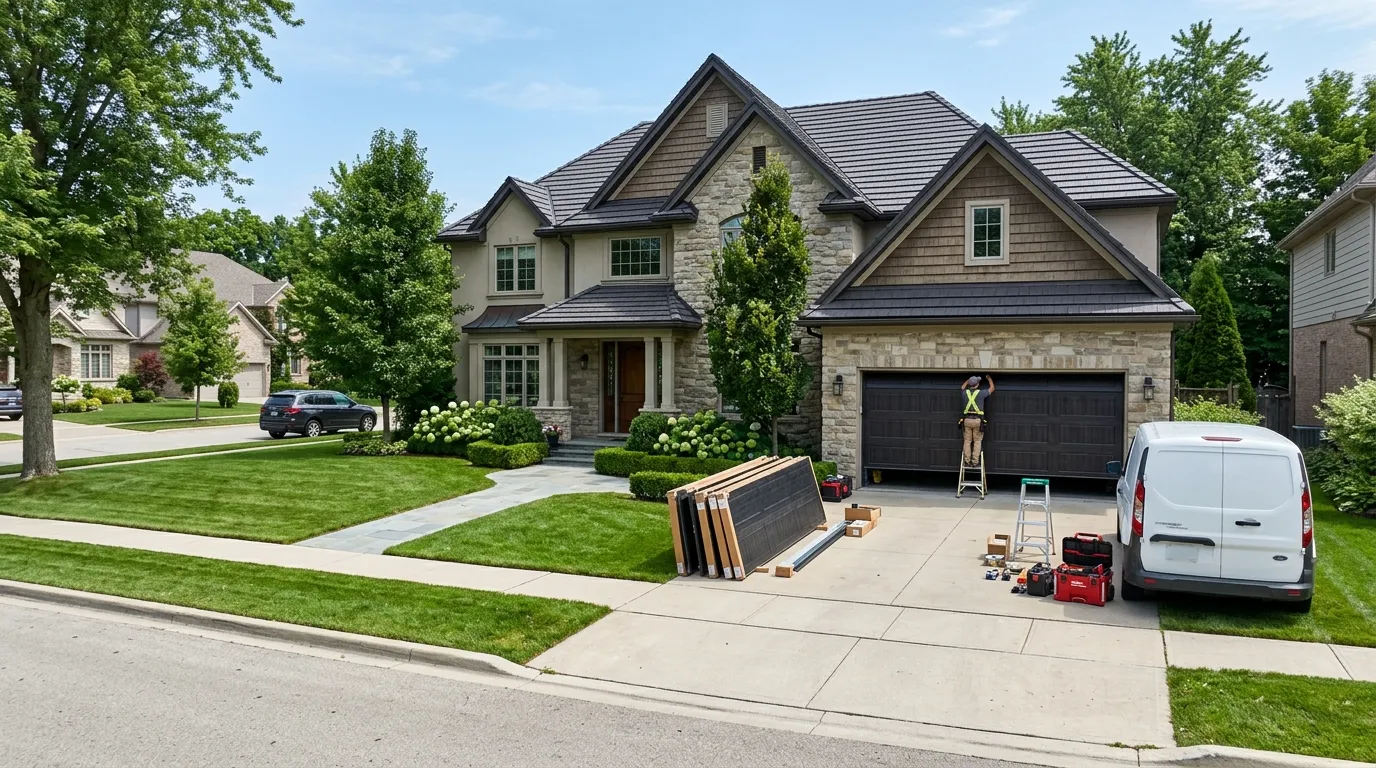
The drive from Lodi to Collierville is six miles, short enough that we're not guessing about drive time, but that's also why the truck gets loaded before we know exactly which opener we'll find. Collierville's houses were mostly built around 1992 - call it two decades newer than the median home across the rest of the service area, which sits at 1974. That gap matters more than it sounds like it should. A house from 1992 almost never has the older chain-and-relay opener you'd find on a 1960s or 70s house elsewhere in the territory; it's more likely running a belt or chain drive with a circuit board, a wall control with a light, and safety sensors mounted low on the track rails. So the truck carries logic boards, sensor pairs, drive gears (the small plastic ones that strip first), and a stock of remotes and keypads that pair with rolling-code systems rather than the older fixed-code units. If a job turns out to need a part built for pre-1990s hardware, that's the one thing that sends us back to Lodi for it - it happens, just not often out here.
Households here number 671, and median income runs $99,792 - above the $91,429 median across the wider area - which tends to mean more of these openers were installed as mid-range units rather than the cheapest box on the shelf.
What the Fix Involves
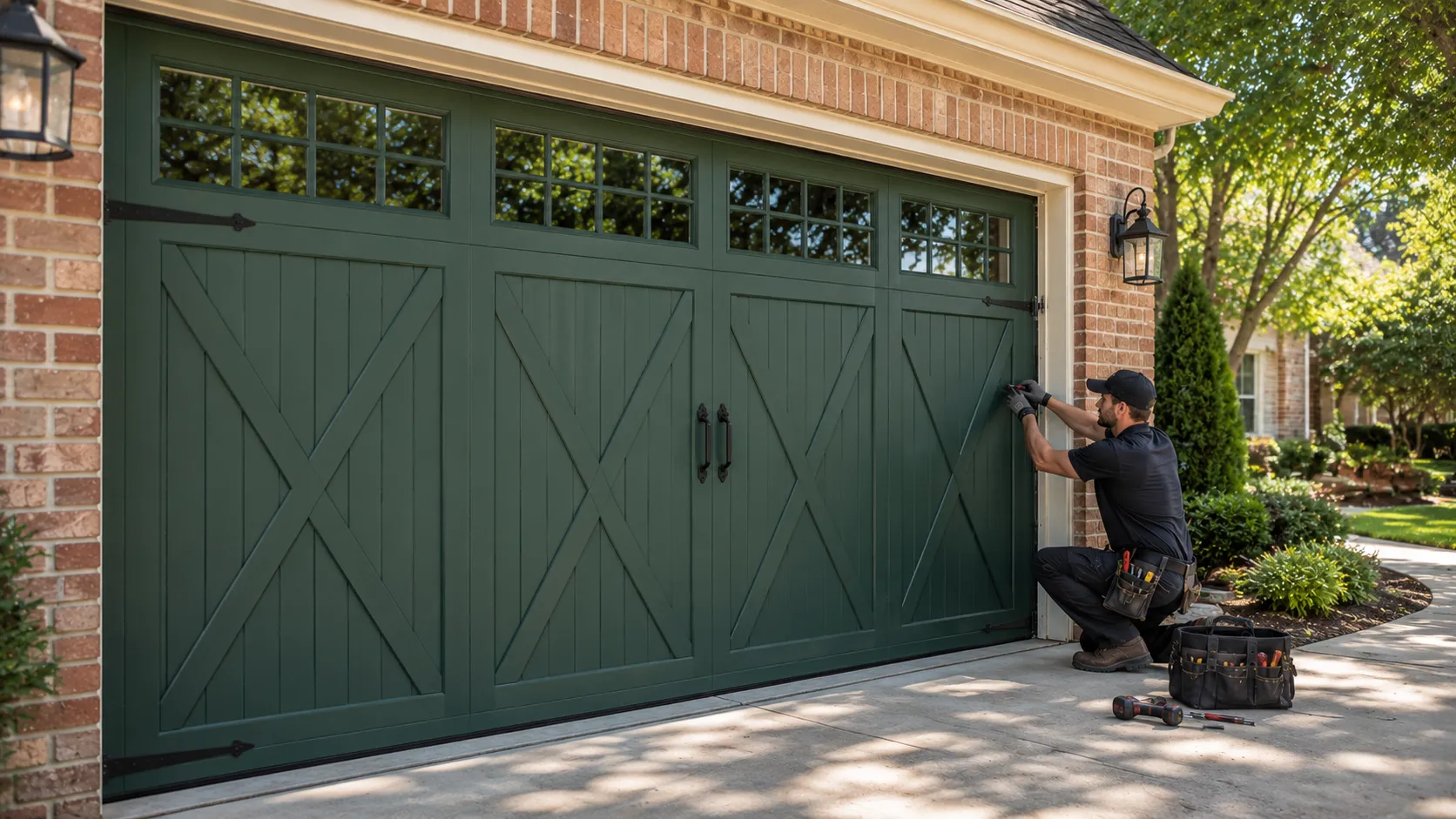
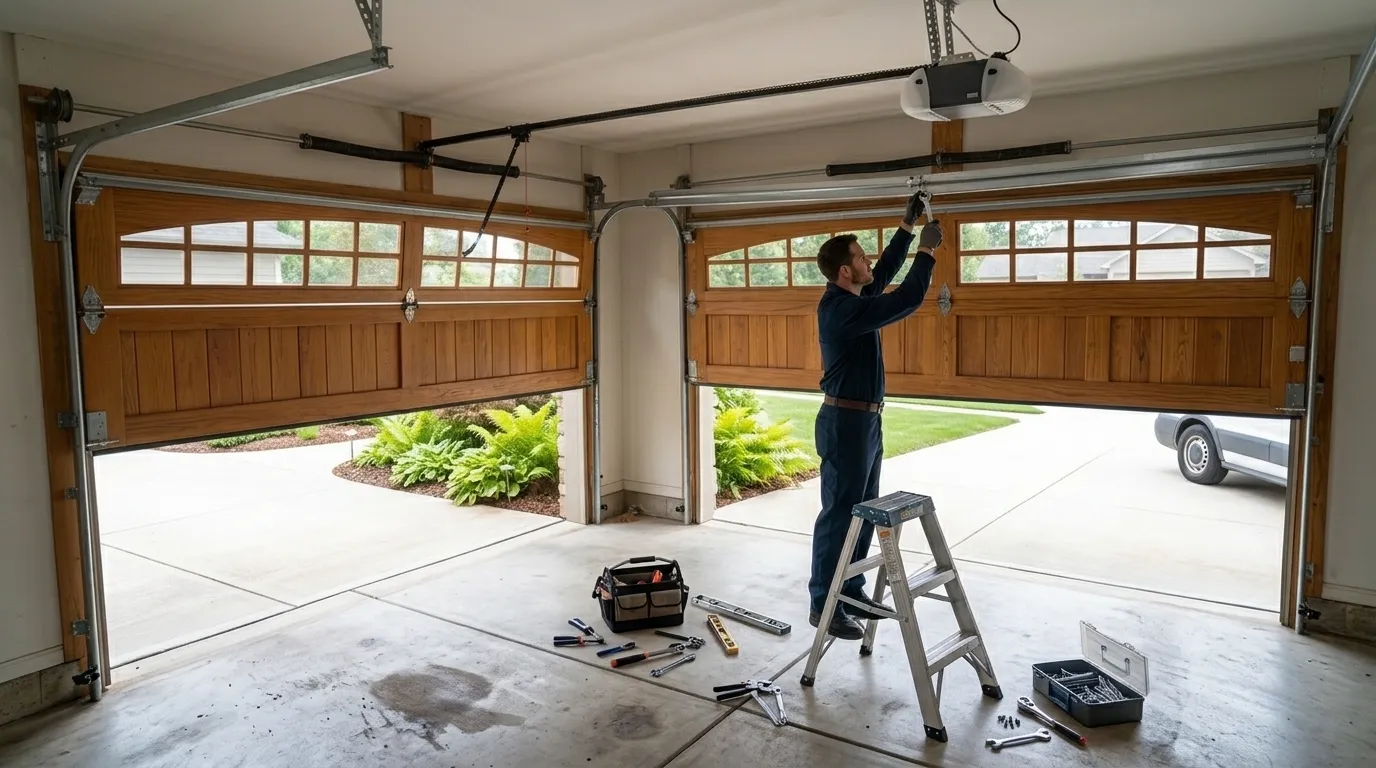
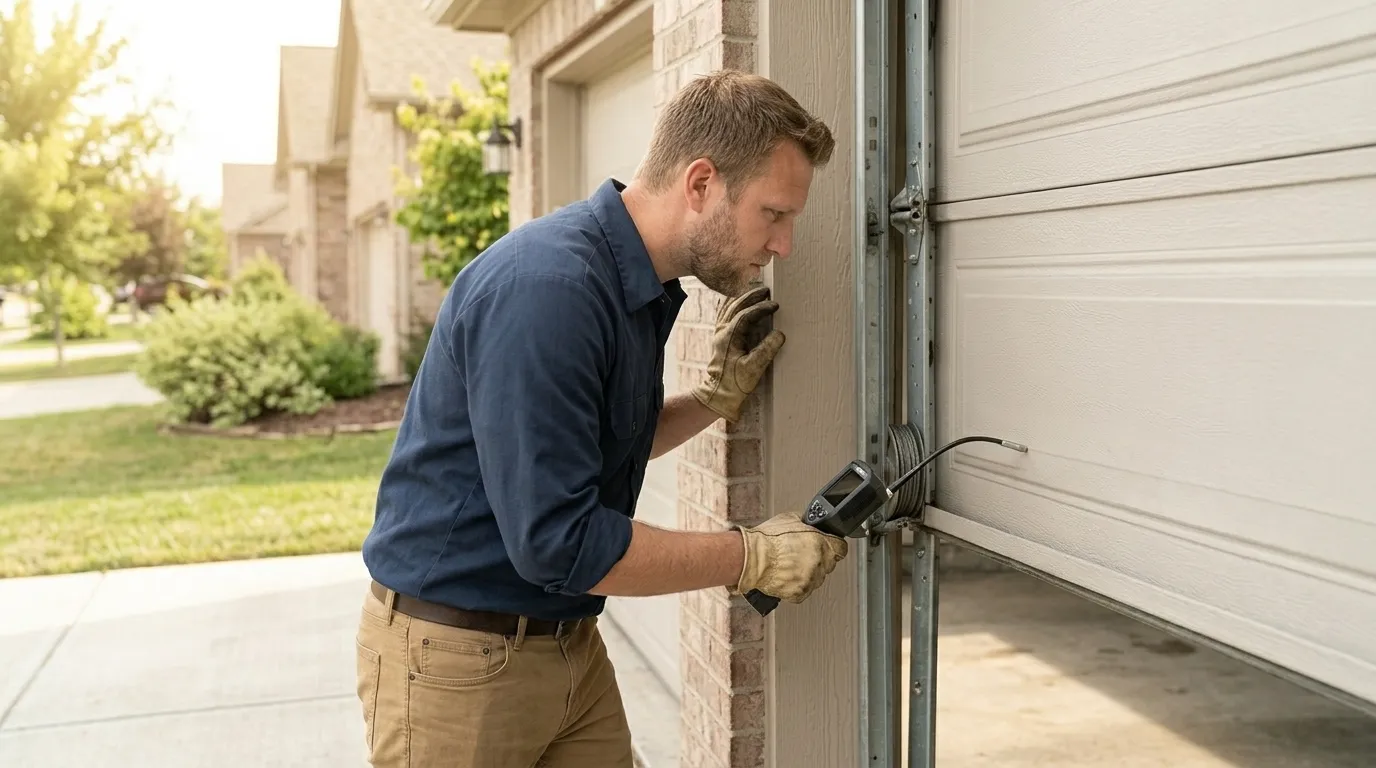
On a 1990s-era opener, the fix usually starts at the circuit board, not the motor. We check the logic board for burnt traces or a stuck relay, test the wall control and remote signal separately from the motor unit, and look at the safety sensor pair before touching anything mechanical - a sensor knocked out of alignment mimics half a dozen other faults and wastes everyone's time if you skip it. If the board reads clean and the sensors line up, we move to the drive itself: belt tension, chain slack, or the nylon gear inside the motor housing that strips under load and is the single most common part we replace on this generation of opener.
We also test the wall switch wiring, since houses from this era sometimes ran lower-gauge wire than what a heavier belt-drive motor draws now. That's a quick fix when we find it, but it's easy to miss if you're only looking at the opener head.
What we don't do: rebuild a circuit board. If the board's shot, we replace it - a board repair that holds for six months isn't worth the labor, and we won't sell you one.
Why This Fails Locally
The service area sits in a moderate heat band, and that heat is hard on the sealed electronics inside a 1990s-and-newer opener in a way it never was on the simpler relay-based units common in older housing stock elsewhere. Solder joints on a circuit board flex slightly with heat cycling - hot garage in the afternoon, cooler at night - and over years that flexing cracks the joint. You get an opener that runs fine for a week, then intermittently drops signal, then stops responding to the remote but still works from the wall button. That's a board going, not a motor going.
Belt-drive units, which are common in Collierville's newer housing, also run tension differently than chain drives. A belt that's too loose skips on the drive gear under heat expansion; too tight, it shortens motor life. Neither failure looks dramatic from inside the garage - usually it's just a door that hesitates or reverses partway - which is why it gets ignored until the opener won't run at all.
How It Shows Up
Most calls start with something small: the door reverses before it closes, the remote works from the driveway but not from inside the car, or the wall button does nothing while the remote still fires. On a newer, board-run opener like the ones common in Collierville, a blinking light on the motor housing is usually the fastest way to narrow it down - the blink count maps to a fault code, and we read that before pulling anything apart.
Other times it's mechanical and obvious: grinding from the motor housing when the door tries to move, which is almost always the nylon drive gear stripping under load. Sensor faults show up as a door that won't close at all, or one that closes then immediately reverses - check first whether something's blocking the sensor eyes, since that's the cause more often than a wiring fault.
If the opener is old enough that parts aren't available anymore, replacement is usually the honest answer rather than a repair that won't hold.
How it works
From “it’s stuck” to “it’s fixed”
1
Tell us what’s wrong
Describe the symptom - won’t open, loud bang, opener runs but the door won’t move.
2
On-site diagnosis
A technician tests the door under power and by hand and finds what actually failed.
3
Clear, up-front plan
You get the fix that’s needed and what drives the cost - before any work starts.
4
Repaired & tested
The repair is done, the door is set true and tested, and the work area left clean.
Next step
Serving Lodi, CA - tell us what your door’s doing and we’ll take it from there.
Why does my opener keep reversing before the door closes?
Nine times out of ten it's the safety sensors - either misaligned or something blocking the beam near the floor. On belt-drive units common in newer Collierville homes, it can also be a limit setting that's drifted. We check sensors first since that's the faster, cheaper fix.
How far out is Collierville from your Lodi location?
About six miles. There's no branch or depot in Collierville - every job is a trip out from Lodi, which is why we load the truck with the parts most likely to fit a 1990s-era opener before we know exactly which one we'll find.
Is it worth fixing an old opener or should I replace it?
Depends on the fault. A stripped gear or bad sensor is a straightforward repair. A dead circuit board on an opener that's hard to source parts for is usually a replace call - we'll tell you which one we're looking at before we start charging for parts.
Do you carry parts for belt-drive openers on the truck?
Yes - drive gears, logic boards, sensor pairs, and rolling-code remotes are standard stock, since that's the generation of opener most common in homes built around 1992, which covers most of Collierville.
Ready to get your garage door sorted?
Tell us what it’s doing and where you are in Lodi - we’ll take it from there.